Southwest Airlines Expands Premium Footprint with Planned Orlando International Airport Lounge

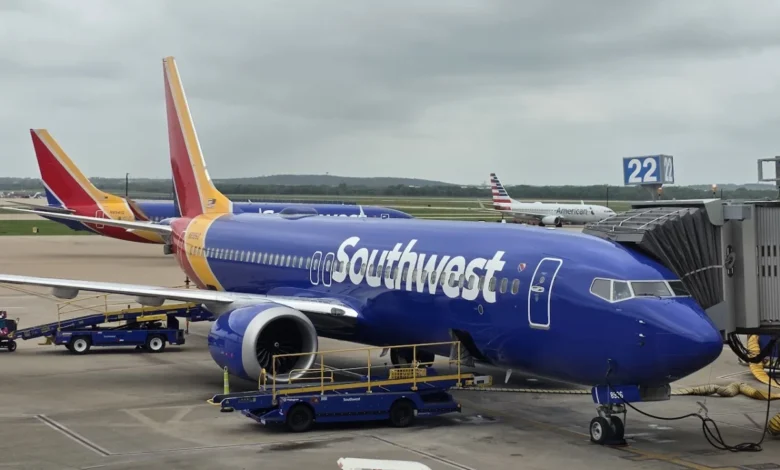
Southwest Airlines is moving forward with plans to establish a premium lounge at Orlando International Airport (MCO), a strategic development that aligns with the carrier’s broader initiative to introduce branded airport clubs across its network. According to internal sources and municipal documentation, the facility is slated to become a cornerstone of the ongoing expansion of the airport’s Airside 2 terminal, which serves as a primary hub for Southwest’s Florida operations.
The move represents a significant pivot for the Dallas-based airline, which has historically operated without a dedicated lounge network. This latest development adds Orlando to a growing list of locations identified for infrastructure investment, bringing the total number of confirmed or likely sites in the airline’s development pipeline to eight.
Infrastructure and Architectural Integration
The proposed lounge is situated within the expansive redevelopment project currently underway at Airside 2, specifically targeting gates 100–129. Airport planning documents and project descriptions confirm that the design scope for the terminal’s third-level expansion includes dedicated space for an "airline club." Preliminary architectural renderings and budget filings associated with the expansion project further indicate that the design incorporates an optional outdoor terrace, a feature that would distinguish the Orlando location from traditional, enclosed airport lounges.
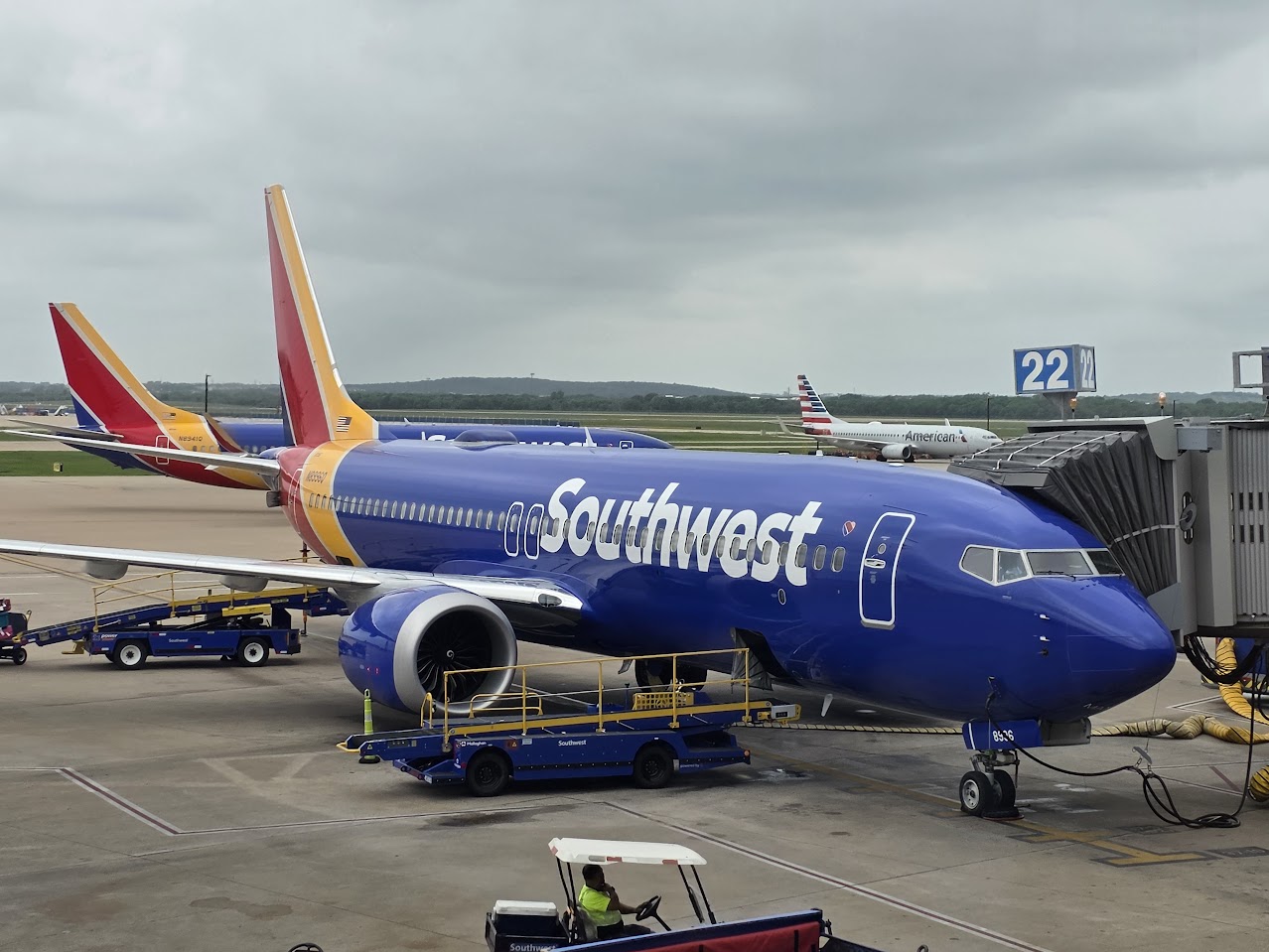
The integration of a lounge into a terminal expansion project is a deliberate strategy. Finding existing, leasable real estate within high-traffic, established terminals is notoriously difficult and cost-prohibitive. By incorporating the lounge into the blueprints for the new construction, Southwest ensures seamless access to its primary gates while avoiding the logistical complexities of retrofitting older terminal infrastructure.
The Evolving Southwest Lounge Strategy
For decades, Southwest Airlines maintained a unique position in the U.S. aviation market, prioritizing efficiency, low-cost operations, and a "no-frills" experience. The decision to build at least 11 airport lounges by 2027 marks a definitive shift toward capturing the premium traveler segment.
The official launch plan, announced in September, confirmed that construction is already underway at four primary hubs: Austin-Bergstrom International Airport (AUS), Baltimore/Washington International Thurgood Marshall Airport (BWI), Daniel K. Inouye International Airport (HNL) in Honolulu, and Nashville International Airport (BNA). These facilities are expected to begin welcoming guests in late 2027, coinciding with the debut of a new, high-tier Chase credit card product.
The addition of Orlando to this list underscores the airline’s focus on high-volume, leisure-heavy markets. As the gateway to major theme park destinations, Orlando International consistently ranks as one of the busiest airports in the United States. By establishing a physical presence here, Southwest is positioning itself to capture the loyalty of families and vacationers who represent a significant portion of its passenger base.
Chronology of the Expansion
The trajectory of Southwest’s lounge program has accelerated significantly over the past 18 months:
- Early 2023: Initial industry reports suggest Southwest is evaluating its premium offerings and potential loyalty program enhancements.
- August 2024: Industry analysts identify Orlando International Airport as a high-probability site for a future lounge, citing the Airside 2 terminal expansion plans.
- September 2024: Southwest Airlines officially announces its intention to build at least 11 lounges across the U.S., naming Austin, Baltimore, Honolulu, and Nashville as the first four locations.
- October 2024: Internal sources confirm the existence of specific planning documentation at MCO that allocates space for an airline club, validating earlier projections.
Supporting Data and Market Analysis
Southwest’s expansion into the premium lounge market is inextricably linked to its co-branded credit card program. The airline’s financial disclosures have frequently highlighted the importance of ancillary revenue, and a premium credit card offering access to exclusive airport lounges is a proven method for driving high-value cardholder retention.
The demographics of the Orlando market make it an ideal candidate for this strategy. With a high volume of travelers booking long-lead, family-oriented vacations, there is an inherent demand for amenities that reduce the stress of the airport experience. However, this demographic also presents a unique challenge: the "family size" problem. Traditional lounge access models—which often provide entry for the cardholder and one or two guests—may struggle to accommodate the typical Southwest family unit.
Industry experts note that the success of the Orlando lounge will depend heavily on the specific access rules Southwest implements. If the lounge is designed to serve a high volume of leisure travelers, the airline will need to determine whether to prioritize capacity through strict entry requirements or through expanded space and membership tiers.

Broader Strategic Implications
The decision to expand into Orlando is indicative of a broader shift in the competitive landscape of the domestic airline industry. Major legacy carriers like Delta, United, and American have long utilized lounge networks as a "moat" to protect their most profitable frequent flyers. By entering this space, Southwest is effectively raising the stakes for domestic competition.
Furthermore, the expansion reflects a shift in terminal management. Airports are increasingly viewing premium lounges as essential infrastructure, similar to retail concessions or high-end dining. By providing the space for Southwest to build its own facility, the Greater Orlando Aviation Authority (GOAA) is aligning with a global trend of airports seeking to enhance the passenger experience to compete for international and long-haul connections.
Operational Challenges and Future Outlook
While the pipeline of eight airports is now becoming clear, the remaining three locations of the planned 11 remain speculative. Analysts point to major operational hubs like Houston Hobby (HOU), Chicago Midway (MDW), Las Vegas (LAS), and Phoenix (PHX) as the most logical candidates for future development.
The primary hurdle for these locations, as it was for Orlando, remains real estate. Southwest’s operational model relies on high aircraft utilization and fast turnaround times, meaning their gate areas are often compact and optimized for speed rather than leisure. Creating "quiet zones" or premium lounges in these high-velocity environments will require significant capital investment and potentially complex lease negotiations with airport authorities.

As the 2027 target date approaches, the aviation industry will be watching closely to see if Southwest can translate its legendary brand of hospitality into a physical lounge experience. If the Orlando facility—with its potential for a terrace and proximity to major attractions—is any indication, Southwest intends to compete not just on price, but on the perceived value of the journey itself.
The Role of Loyalty and Credit Cards
The nexus between the new lounges and the forthcoming Chase premium credit card cannot be overstated. In the current loyalty landscape, the "perk-to-card" ratio is the primary driver of customer acquisition. By creating a physical space that cardholders can visualize—a "third place" outside of the home and the office—Southwest is creating a tangible asset that justifies the annual fee associated with premium credit products.
While the details regarding guest policies, day-pass options, and membership tiers remain under wraps, the airline has indicated that it is taking a measured approach. The goal is to avoid the overcrowding issues that have plagued some legacy carrier lounges in recent years. Whether the airline will implement a reservation system, a tiered access model, or an exclusive high-fee structure remains to be seen.
Ultimately, the Orlando project serves as a microcosm of Southwest’s transition. It is a calculated, evidence-based move that leverages existing construction to minimize risk while testing the appetite of its massive customer base for a more premium experience. As municipal documents and airport expansion plans continue to surface, the picture of a modernized, lounge-equipped Southwest Airlines is coming into sharper focus, signaling a new chapter in the history of the nation’s largest domestic carrier.