The Pecos River Flows Through New Mexico’s Permian Basin, Where Climate Change, Oil Booms, and Endangered Species Collide

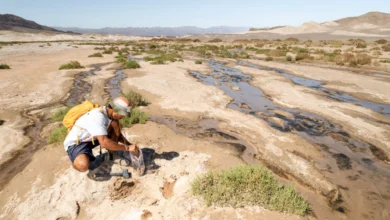
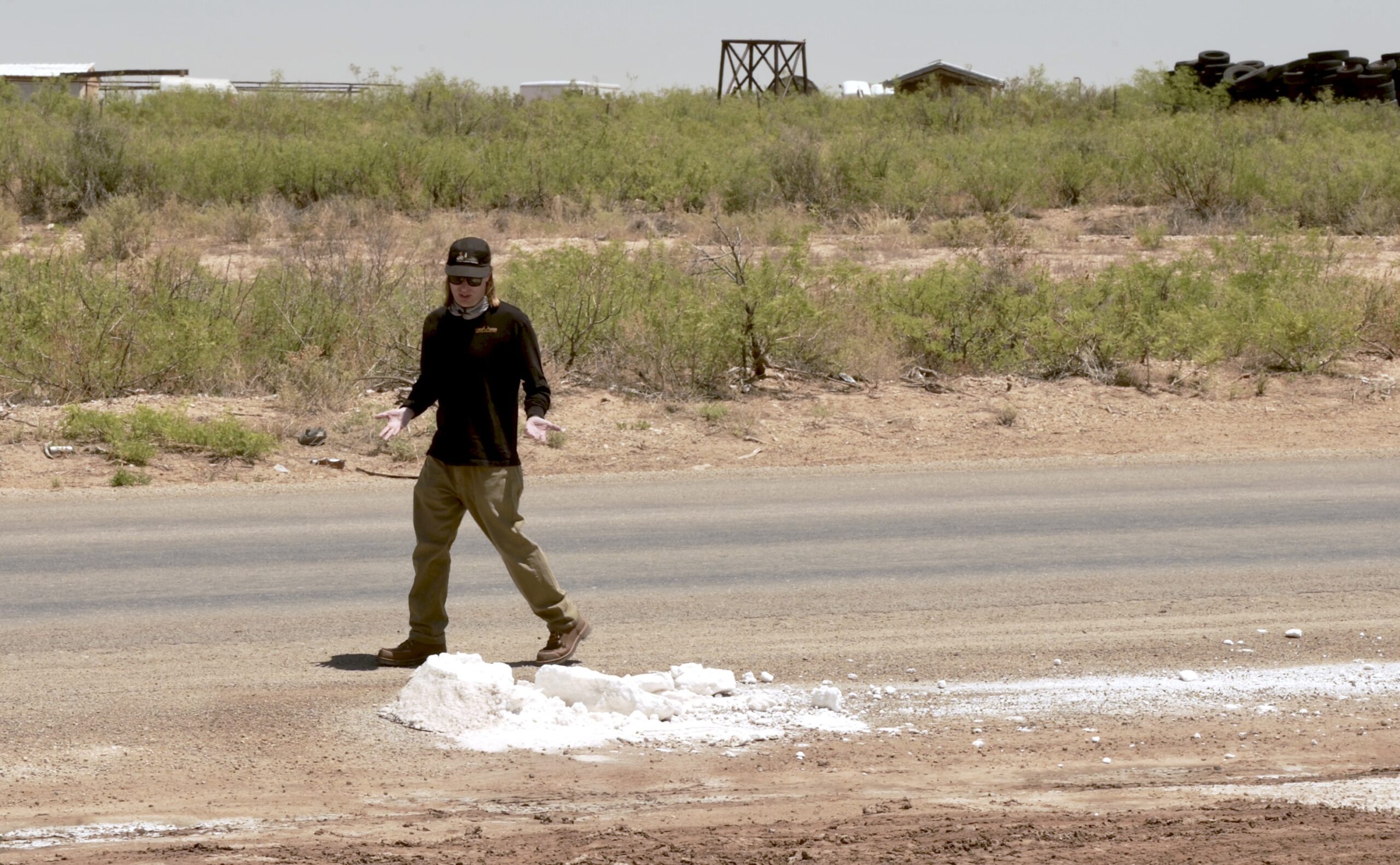
Southern New Mexico presents a stark environmental paradox along the county roads near the Black River. On an early May afternoon, Charlie Barrett, a thermographer with the industry watchdog group Oilfield Witness, pulled his truck to the side of a road just a mile upstream from where the Black River empties into the Pecos River. Stepping out onto the muddy pullout, Barrett encountered a landscape deeply scarred by industrial activity. Puddles dotted the roadside—an unusual sight during a persistent regional drought—surrounded by shimmering white crystals and a gray chunk of salt the size of a medicine ball.
Barrett identified the substance as "produced water," an extremely saline, toxic byproduct of oil and gas extraction that carries heavy loads of petroleum compounds, industrial chemicals, and, in many cases, radioactivity. Such toxic waste is frequently hauled by hundreds of semi-trucks daily across the rural highways of the Permian Basin. For every single barrel of oil extracted in New Mexico, more than three barrels of wastewater are drawn from the earth. As wells age, a process known as "watering out" causes this ratio to climb even higher, compounding the disposal challenges faced by operators across the 75,000-square-mile Permian Basin, which spans 55 counties across New Mexico and Texas.
The Geography and Crisis of the Pecos River
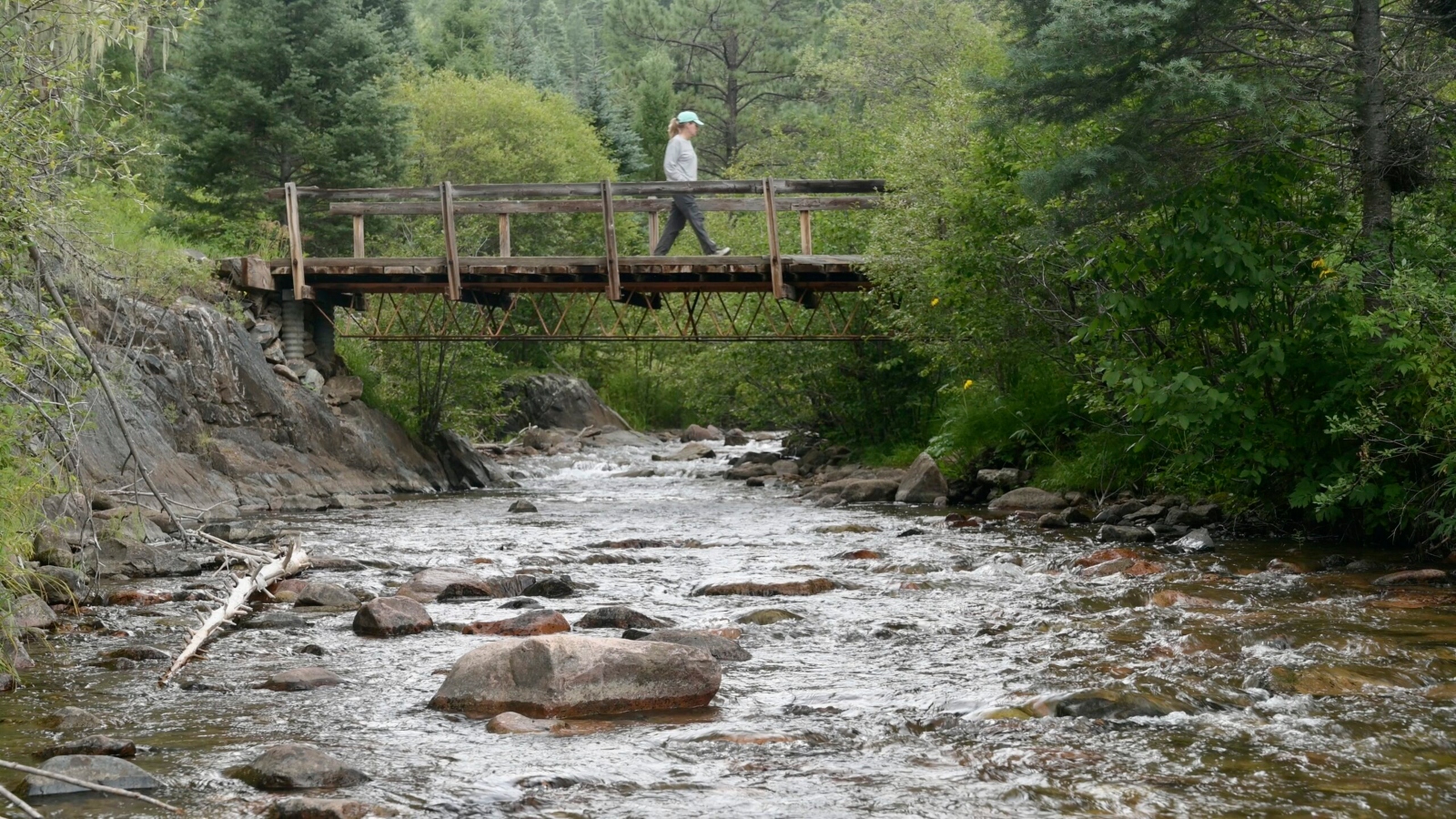
The Pecos River, immortalized in American folklore and popular culture, originates in the high, pine-covered mountain ranges east of Santa Fe, New Mexico. For its upper stretches, the river rushes through dramatic canyons, earning a prestigious National Wild and Scenic River designation that protects its pristine headwaters. It sustains vital agricultural operations, ranches, and diverse ecosystems as it flows south. However, by the time the river reaches the lower elevations and exits New Mexico into Texas, it has been transformed into a carefully managed channel traversing the beating heart of the American fossil fuel industry.
This convergence of a vital natural watercourse and heavy industrial infrastructure has placed immense strain on the ecosystem. The environmental advocacy organization American Rivers has repeatedly highlighted the vulnerability of the region, naming the Pecos River one of the nation’s most endangered rivers in both 2021 and 2024. Decades of heavy extraction, pipeline construction, and greenhouse gas emissions have drastically altered regional precipitation patterns, fueling an ongoing cycle of aridification and historic drought.
According to long-term data from the U.S. Geological Survey, annual snowpacks in the mountains surrounding the river’s headwaters have steadily declined. Hannah Riseley-White, director of the New Mexico Interstate Stream Commission, notes that snowpack levels have dropped off precipitously in recent winters, pointing toward long-term state models predicting a 25% to 30% reduction in available river water by the year 2070.
Regulatory Battles Over Produced Water and Flaring
Because New Mexico state regulations strictly prohibit the use of untreated produced water outside of approved oilfield applications, the industry relies heavily on deep-well reinjection to dispose of millions of gallons of wastewater daily. This massive volume of underground injection has triggered secondary environmental crises, including a notable spike in local seismic activity and high-pressure blowouts—such as recent incidents involving towering wastewater geysers—when disposal wells fail.
Faced with diminishing freshwater resources, state officials and industry stakeholders have increasingly debated potential alternative solutions. Gov. Michelle Lujan Grisham’s 50-Year Water Action Plan explicitly explores treating oilfield wastewater to industrial standards, allowing it to be repurposed outside the oil patch to alleviate regional water scarcity. While industry representatives advocate for treating and discharging this water into local watersheds like the Pecos River, environmental organizations strongly oppose the initiative, arguing that current filtration technologies cannot guarantee the complete removal of all hazardous chemical compounds and radioactive elements.
Similar controversies have emerged across the state line in Texas, where the Lone Star Chapter of the Sierra Club has tracked multiple regulatory proposals seeking authorization to discharge treated produced water into the Texas portion of the Pecos watershed. To date, these proposals remain unapproved amid sustained pushback from conservationists and local communities.

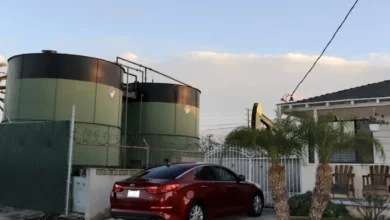
Beyond wastewater management, field investigations continue to reveal widespread regulatory noncompliance regarding air emissions. During his May field assessment, Barrett utilized specialized thermal imaging equipment designed to detect invisible hydrocarbon gases and thermal signatures. Scanning the horizon near residential areas, his camera captured multiple active industrial flares burning off natural gas. Despite a near-total state ban on routine flaring enacted by New Mexico regulators in 2022, Barrett documented four active flares in a single frame near a residential property, releasing carbon dioxide, methane, and volatile organic compounds directly into the local airshed.
Policy Shifts and Threats to Endangered Wildlife
The ecological pressures facing the Pecos River basin extend directly to the region’s native and endangered fauna. Species such as the dunes sagebrush lizard and the Texas hornshell mussel rely heavily on the remaining aquatic and riparian habitats along the river and its tributaries. The lesser prairie chicken was historically part of this fragile ecosystem until early 2026, when the U.S. Fish and Wildlife Service formally rescinded its protections under the Endangered Species Act despite ongoing population declines.
These conservation challenges were compounded in mid-2026 by major regulatory rollbacks implemented by the U.S. Department of the Interior. In July, federal officials narrowed the legal definition of "harm" under the Endangered Species Act to exclude non-lethal pressures such as ambient noise and habitat degradation. Shortly thereafter, the department rescinded the longstanding "blanket rule" that automatically extended identical protections to threatened and endangered species alike, while formally mandating the consideration of economic compliance costs—specifically the financial burdens placed on oil and gas operations—during species protection reviews.
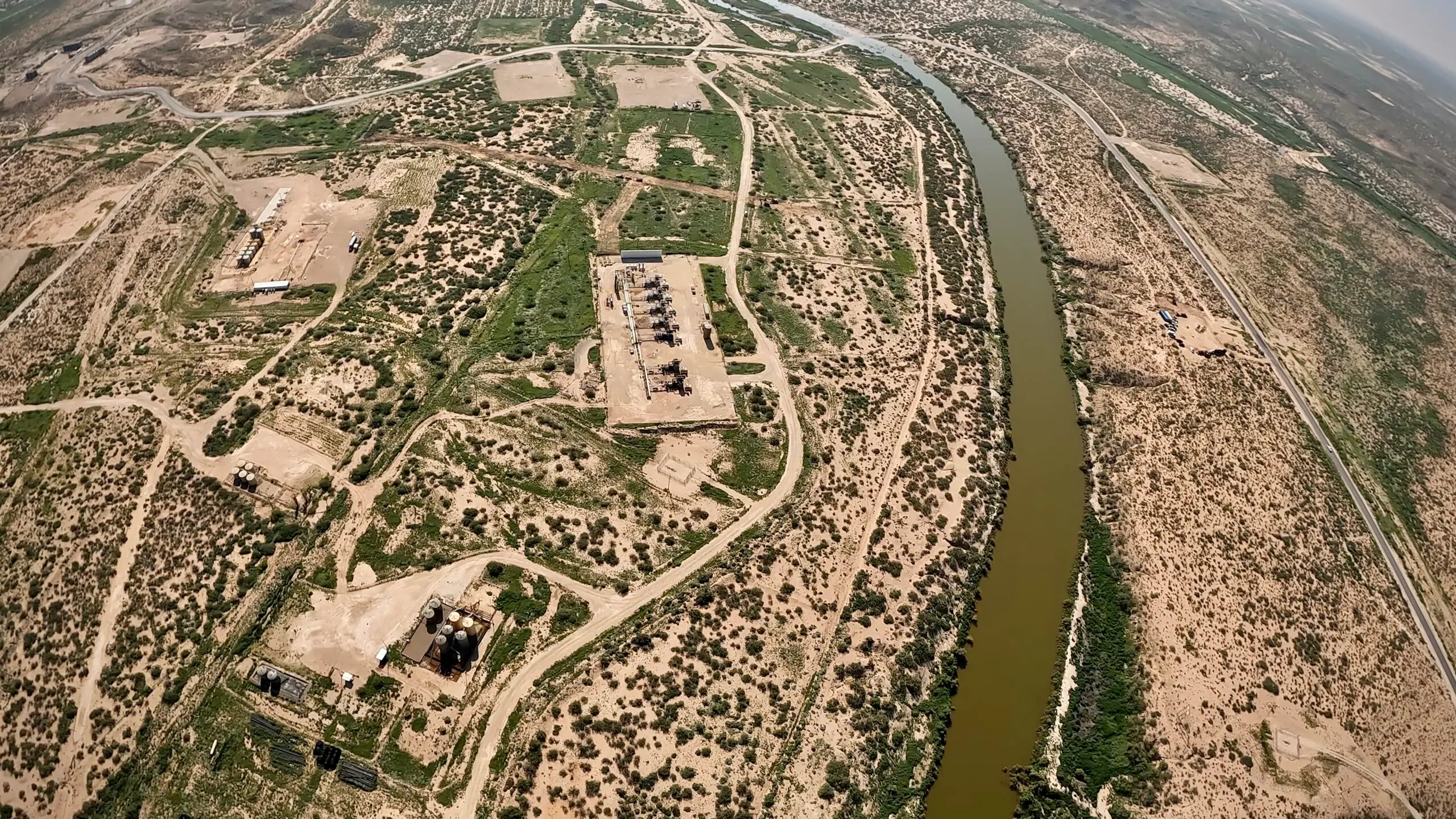
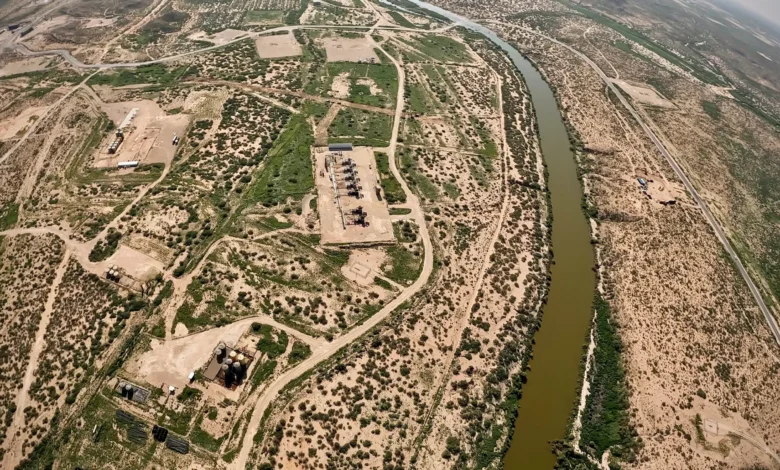
These federal policy shifts directly intersect with local industrial density. Within New Mexico’s share of the Permian Basin, approximately 380 active oil and gas wells, alongside 11 industrial wastewater injection wells, are situated within a half-mile radius of the Pecos River. Ecologists note that the cumulative impacts of chronic light pollution, heavy vehicular traffic, and industrial noise pollution severely disrupt wildlife behavior, often driving native species away from critical riparian corridors and accelerating regional extirpation.
Despite the confluence of severe drought, climate change, industrial pollution, and shifting federal protections, state resource managers maintain that collaborative planning remains essential for the survival of the watershed. Riseley-White emphasizes that bringing agricultural, municipal, industrial, and conservation stakeholders to the negotiating table is the only viable path forward. While acknowledging the immense difficulty of balancing competing human and ecological demands in an arid climate, state officials maintain that sustainable management of the Pecos River is still achievable through careful, long-term regional cooperation.
Related posts: