Trump Announces Immediate Energy Infrastructure Ceasefire Between Russia and Ukraine to Ease Global Fuel Pressures

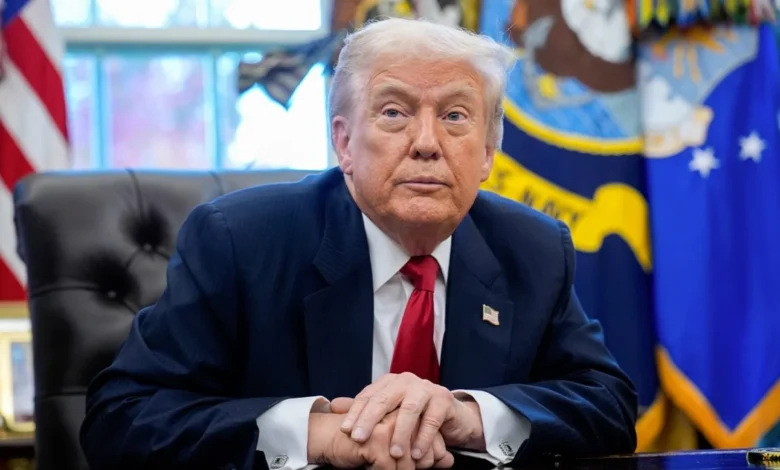
President Donald Trump announced an immediate energy ceasefire between Russia and Ukraine, declaring that both warring nations have agreed to halt all military strikes targeting each other’s critical energy infrastructure. The agreement arrives after weeks of rapidly escalating attacks on oil refineries, electrical grids, and power plants that have severely disrupted regional stability and global commodity markets.
"Effective immediately, there is an ENERGY CEASEFIRE in the War between Russia and Ukraine. Both parties have agreed. Do not break it!" President Trump wrote in a social media statement posted to Truth Social.
The high-stakes diplomatic intervention follows intense pressure from the White House aimed at compelling Ukrainian President Volodymyr Zelenskyy to halt strategic drone and missile strikes directed at Russian oil refineries. The Trump administration has maintained that these Ukrainian operations have disrupted international diesel supply chains, directly resulting in inflated fuel prices for American consumers, truckers, and agricultural workers heading into key economic cycles.
The Economic Catalyst: Fuel Prices and Domestic Pressures
The mounting urgency behind the White House’s diplomatic push stems from domestic economic anxieties. Record-high diesel and gas prices have heavily burdened American farmers operating heavy machinery, independent truck drivers moving cross-country freight, and small businesses reliant on affordable fuel.
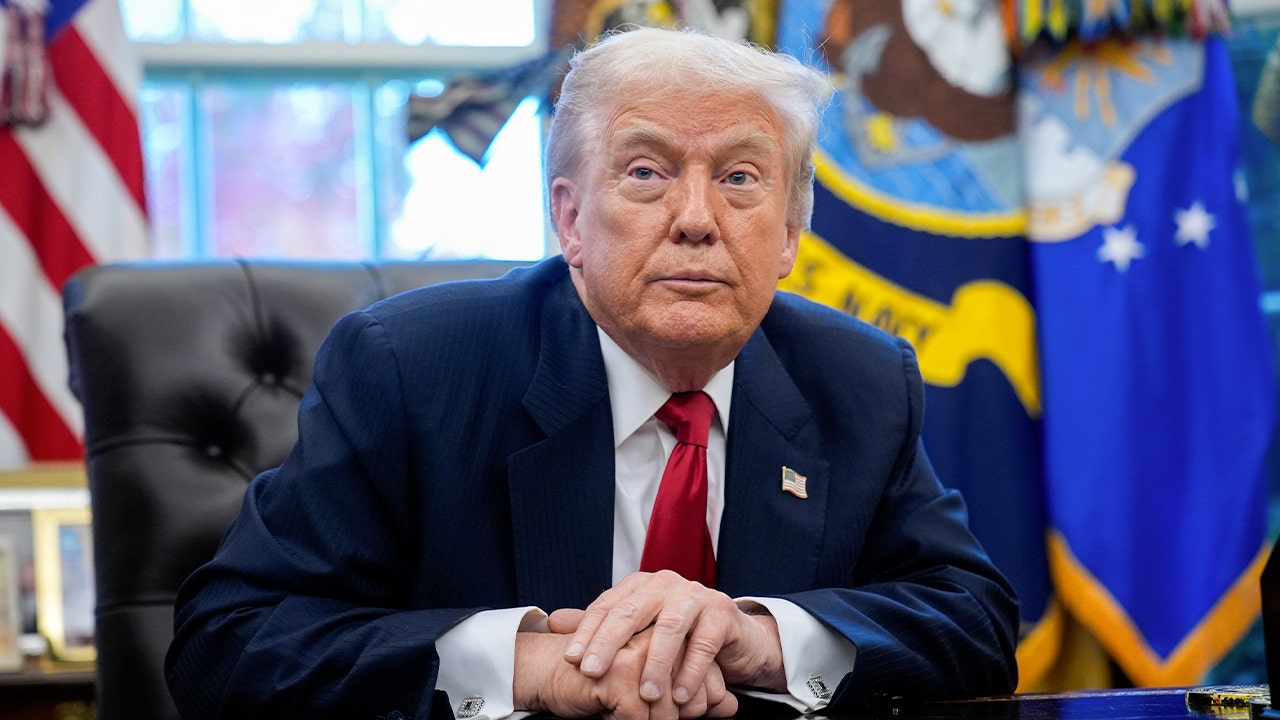
For months, the Trump administration has criticized Kyiv’s targeting of the Russian oil sector. Administration officials argue that while the strikes are intended to deplete Moscow’s war chest, the collateral economic damage is disproportionately borne by Western consumers. Conversely, Kyiv has steadfastly defended its strategy, with President Zelenskyy and military commanders arguing that dismantling Russia’s oil refining capacity is a legitimate and necessary measure to degrade the Kremlin’s capability to finance its ongoing invasion.
The energy ceasefire announcement follows a contentious week in bilateral U.S.-Ukraine relations. Tensions spiked significantly after Washington brokered a separate deal with Russian President Vladimir Putin to permit Russian diesel exports to re-enter American and global markets.
Under the terms of that arrangement, the U.S. Treasury Department authorized temporary sanctions relief to facilitate an immediate delivery of over 300,000 tons of Russian diesel, with subsequent shipments slated for November and beyond. While the White House defended the move as a necessary measure to stabilize prices at the pump, Ukrainian officials condemned the agreement as an inadvertent concession to Moscow that provides fresh revenue streams for the Russian military.
The diplomatic friction boiled over publicly when President Trump suggested that Ukraine might benefit from leadership more willing to negotiate a swift end to the hostilities. "I suggest they get a new leader who can make a deal," Trump told reporters during a press briefing. In response, Zelenskyy and European Union leaders doubled down on their official stance, reaffirming that Ukraine will not cede sovereign territory to secure peace.
Background and Chronology of Energy Warfare
The weaponization and targeting of energy infrastructure has been a defining characteristic of the Russia-Ukraine conflict since Moscow launched its full-scale invasion. Both sides have systematically targeted the other’s capacity to generate power, refine fuel, and sustain economic output, albeit with vastly different strategic impacts and humanitarian consequences.
- Early Conflict Phase (2022–2023): Russian military forces heavily targeted Ukraine’s electrical grid, substations, and thermal power stations. These persistent missile and drone campaigns plunged millions of Ukrainian civilians into darkness during harsh winter months, causing widespread humanitarian crises and crippling local industries.
- Escalation of Ukrainian Counter-Strikes (2024–2025): Seeking to offset Russia’s conventional military advantages, Ukraine’s armed forces successfully developed long-range domestic drones capable of striking deep inside Russian territory. Kyiv systematically targeted major Russian oil refineries, storage depots, and export terminals, successfully cutting into Moscow’s refined product output and causing localized fuel shortages across several Russian regions.
- Diplomatic Interventions (September 2025): The Trump administration first claimed to have secured a tentative energy ceasefire between Kyiv and Moscow. However, that agreement lacked formal public confirmation from the Kremlin, and targeted strikes on power grids and refineries continued with sporadic intensity.
- Recent Developments (Late 2025–Early 2026): Diplomatic friction intensified as the White House prioritized domestic fuel price stabilization. The U.S. brokered sanctions relief for Russian diesel exports, leading to sharp public disagreements between Washington and Kyiv over the trade-offs between global market relief and maintaining maximum economic pressure on Moscow.
Despite these differing approaches, both leaders have previously signaled conditional willingness to halt energy attacks. President Zelenskyy has repeatedly stated that Ukraine would halt its refinery strikes if Moscow concurrently agreed to cease its bombardment of Ukrainian power generation facilities and civilian municipal infrastructure.
Implications and Enforcement Challenges
While the newly announced energy ceasefire marks a potentially significant de-escalation in a specific theater of the conflict, international security analysts caution that it does not equate to a comprehensive peace treaty or a cessation of ground hostilities. The frontline fighting across eastern and southern Ukraine continues unabated, and artillery exchanges, troop movements, and infantry engagements remain intense.
Furthermore, critical questions remain regarding the monitoring, verification, and enforcement of the energy ceasefire. Because previous attempts at localized truces collapsed due to mutual distrust and retaliatory accusations, international observers are closely watching whether independent mechanisms will be established to track compliance.
As of publication, neither the Russian nor the Ukrainian embassies in Washington, D.C., had formally issued statements confirming the operational parameters of the ceasefire. The White House has not yet detailed how violations of the agreement will be addressed or what penalties might be imposed on whichever party breaches the newly minted terms.
For now, global energy markets and domestic consumers will look to whether the declared ceasefire holds, offering a potential reprieve to refining operations and supply chains while broader diplomatic efforts to broker a permanent end to the war face an uncertain path forward.
Related posts: