Federal inspectors have identified documented vetting errors in a staggering 40% of asylum applications processed for Afghan nationals admitted into the United States under the Biden administration’s Operation Allies Welcome. According to a Department of Homeland Security (DHS) Office of Inspector General report released on September 23, these critical deficiencies significantly heightened the risk that U.S. Citizenship and Immigration Services (USCIS) failed to catch disqualifying information, potentially allowing individuals ineligible for asylum to slip through the cracks.
The explosive findings shed new light on the systemic vulnerabilities surrounding the hurried processing of evacuees following the chaotic 2021 U.S. military withdrawal from Afghanistan. As lawmakers, national security experts, and immigration watchdogs scrutinize the long-term safety implications of these administrative failures, federal agencies are grappling with the fallout from an initiative marred by a collision between political urgency and operational oversight.
Background and Origins of Operation Allies Welcome
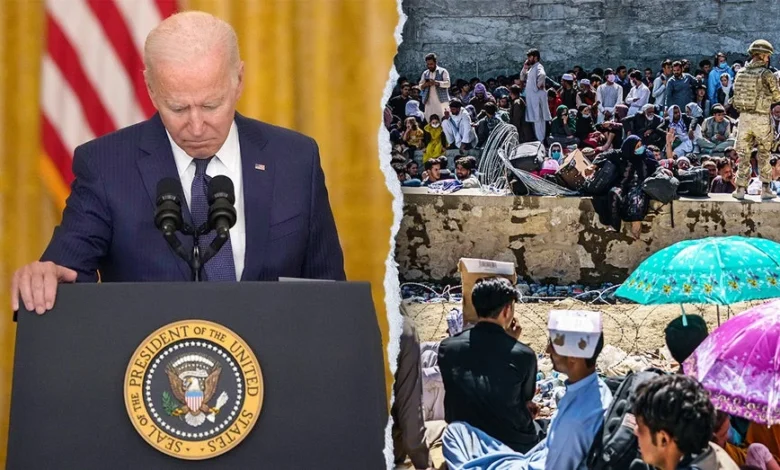
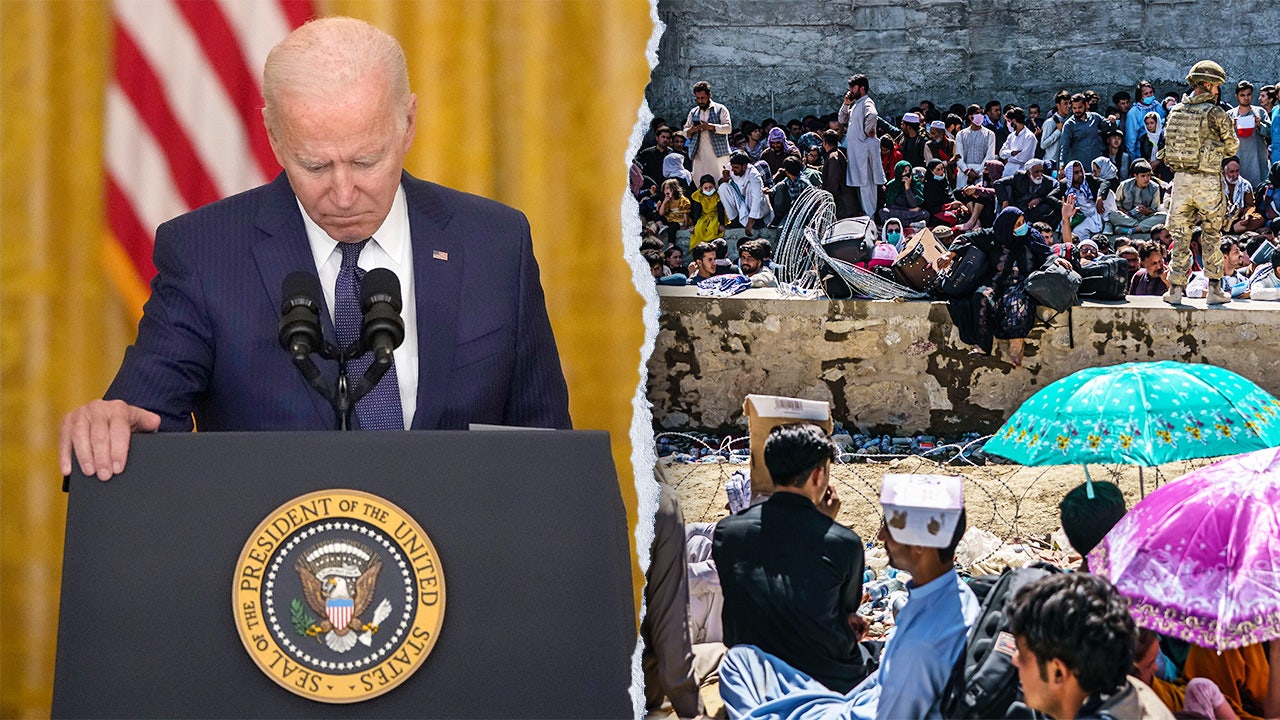
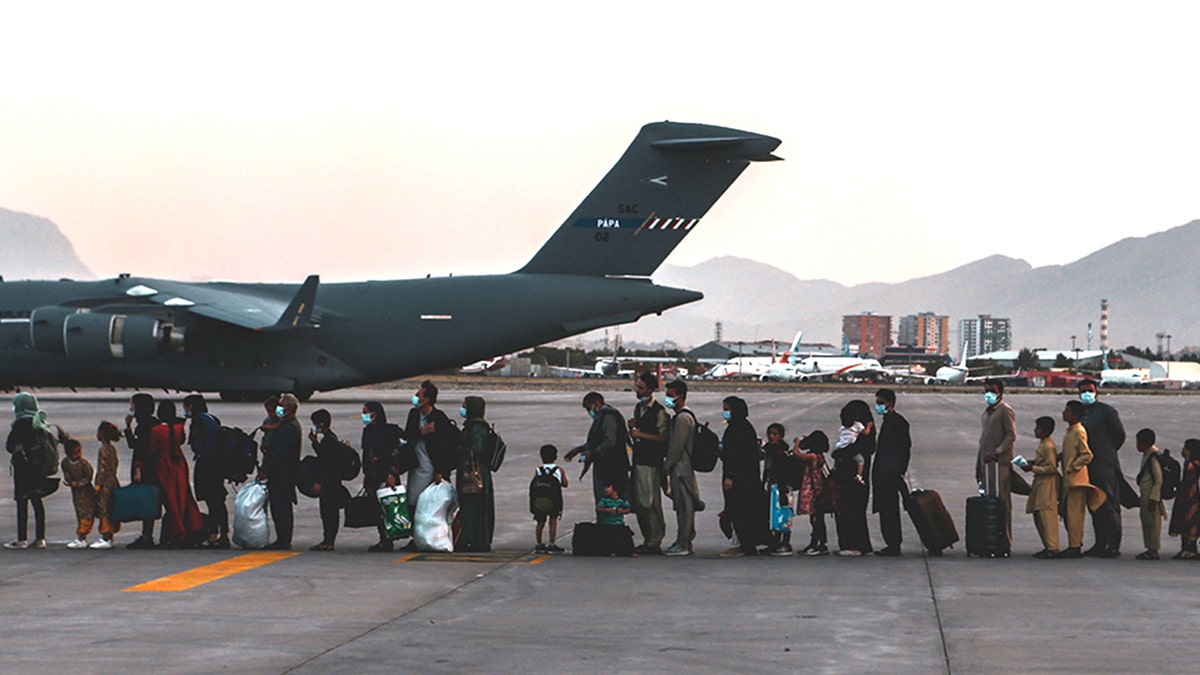
Operation Allies Welcome was established in the wake of the chaotic U.S. exit from Afghanistan in August 2021. The emergency initiative was designed to safely transport, vet, and resettle tens of thousands of Afghan citizens who had assisted American military forces, diplomatic personnel, and nongovernmental organizations during the two-decade war.
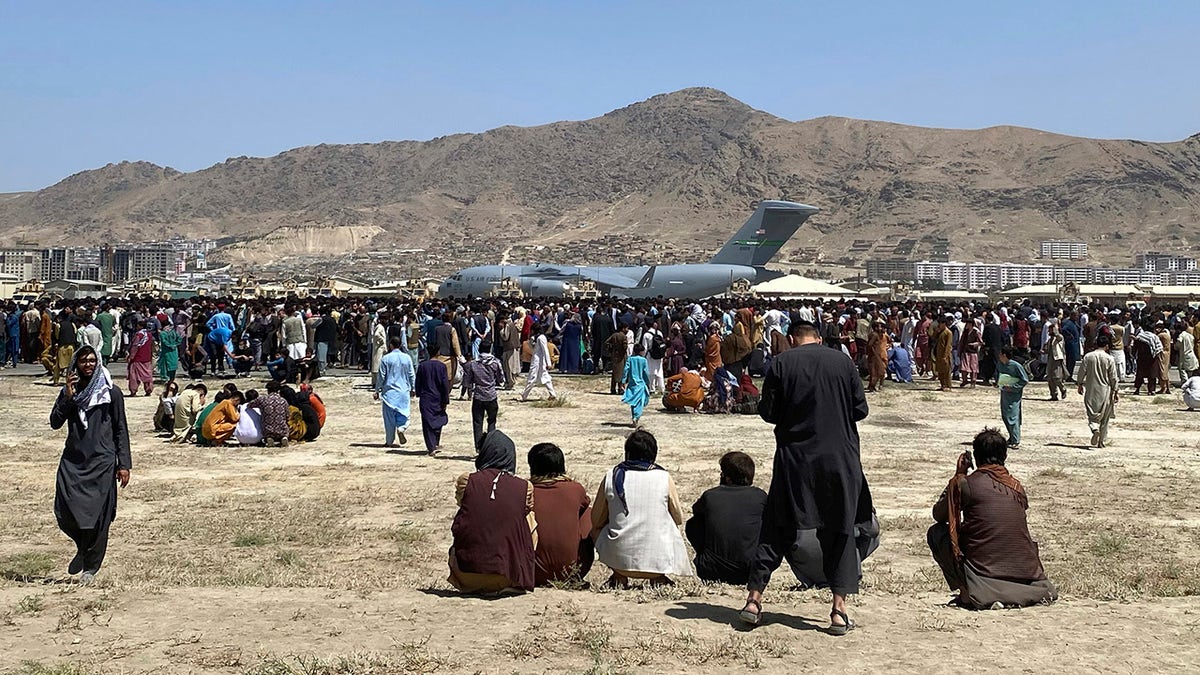
As scenes of desperation unfolded at Hamid Karzai International Airport in Kabul—culminating in the tragic Abbey Gate bombing that claimed the lives of 13 U.S. service members and more than 170 Afghan civilians—the federal government rushed to evacuate over 120,000 people.
Evacuees were initially flown to temporary processing hubs, colloquially referred to as "lily pads," in third-party countries across Europe, the Middle East, and Central Asia. These locations were ostensibly intended to serve as waystations where preliminary biographic and biometric screening could occur before individuals were cleared for travel to the United States.
However, immigration analysts have long pointed out the inherent leverage problem created by this model. Once evacuees boarded U.S. military or chartered aircraft and the cargo bay doors closed, the United States assumed an irreversible humanitarian and logistical commitment to resettle them, severely limiting the practical viability of rejecting applicants at overseas waystations.
Key Findings of the DHS Inspector General Report
The DHS inspector general’s review focused on a randomized sample of 678 asylum applications filed by Afghan nationals who entered the country through Operation Allies Welcome. The results exposed deep administrative flaws in how background checks and documentation were handled by USCIS adjudicators.
Out of the sampled applications, inspectors flagged irregularities in roughly 40% of the files. Among the specific violations uncovered were:
- 303 instances of missing or unrecorded applicant aliases.
- 23 missing security checks, nearly 60% of which were attributable to unexecuted FBI name checks.
- More than 150 additional documentation deficiencies.
- Two specific cases involving asylum applicants who raised potential terrorism-related inadmissibility concerns.
The report highlighted egregious record-keeping failures, noting one applicant possessed 124 known aliases that were not properly documented or reconciled in the adjudication file. Furthermore, regarding the two cases with terrorism-related red flags, investigators found that required paperwork detailing the government’s security review was either entirely missing or left incomplete, with supervisors initiating the approval process without ever executing the final verification step.
Administrative Pressure and the Rush to Adjudicate
In its official response accompanying the inspector general’s report, DHS argued that the data illustrates a dangerous mismanagement of Operation Allies Welcome by the Biden administration. Agency officials pointed to a specific lawsuit settlement that mandated USCIS to adjudicate 90% of Afghan asylum applications within a strict 150-day window.
According to DHS, this legal obligation forced adjudicators to prioritize speed over thoroughness, creating an environment where comprehensive vetting was sidelined to meet arbitrary administrative benchmarks. Critics argue that the pressure to clear the massive backlog of applications compromised national security protocols, resulting in superficial reviews that failed to capture vital threat indicators.
Mark Krikorian, executive director of the conservative Center for Immigration Studies, argued that the inspector general’s findings validate warnings raised by security analysts since the inception of the program.
"The fact that 40% of these applications have errors is alarming," Krikorian said in an interview. "This IG report just underlines how superficial and even frivolous the vetting that we were assured was going on actually was."
Krikorian added that the inspector general’s metrics likely understate the true breadth of the problem, given that investigators could only audit visible documentation errors within physical and digital files, rather than retroactively verifying whether every screening interview was conducted with appropriate rigor.
Real-World National Security Implications
The revelations from the DHS watchdog report do not exist in a vacuum; they arrive amid a growing series of high-profile arrests and foiled plots involving Afghan nationals admitted to the United States under Biden-era evacuation programs.
In late 2024, federal law enforcement disrupted a planned Election Day terror plot orchestrated by Nasir Ahmad Tawhedi, an Afghan national. The Department of Justice responded to the escalating security challenges by taking the historic step of utilizing the Alien Terrorist Removal Court for the first time ever to expedite the deportation of a high-level national security threat.
Additionally, Fox News Digital and other outlets have reported on several other alarming incidents tied to individuals admitted under Operation Allies Welcome:
- The arrest of an alleged ISIS-K supporter by Immigration and Customs Enforcement (ICE) agents in Virginia.
- The federal indictment of an Afghan evacuee charged with making direct terroristic threats prior to an attempted security breach in the Washington, D.C., area.
- The subsequent arrest of another program participant following a conviction for indecent exposure to a minor.
These incidents have intensified congressional oversight, with veteran lawmakers and homeland security committees demanding greater accountability from federal agencies regarding how foreign nationals are vetted before receiving legal status inside the United States.
Recommendations and Path Forward
In response to the audit, the DHS Office of Inspector General issued five targeted recommendations aimed at reforming USCIS oversight and closing security gaps in the asylum adjudication process. These recommendations include:
- Establishing mandatory protocols to ensure all known applicant aliases are thoroughly recorded and cross-referenced.
- Implementing rigorous tracking mechanisms to guarantee that mandatory security checks, particularly FBI name and fingerprint clearances, are completed and properly archived before approval.
- Enhancing supervisory oversight and sign-off procedures for complex cases involving potential national security flags.
- Improving internal auditing standards to prevent administrative backlogs from superseding vetting integrity.
- Providing specialized training for adjudicators handling high-risk humanitarian parole and asylum pipelines.
According to the report, USCIS leadership formally concurred with all five recommendations, pledging to implement corrective measures to strengthen the integrity of the asylum review framework.
As federal authorities continue to navigate the complex intersection of humanitarian obligations and domestic security, the Inspector General’s findings serve as a stark reminder of the long-term consequences associated with rushed emergency immigration operations. The ongoing fallout threatens to shape immigration policy, vetting protocols, and congressional oversight debates for years to come.
Related posts: