When Climate Frontlines Meet the Gig Economy: New York City’s Delivery Workers Face the Heat

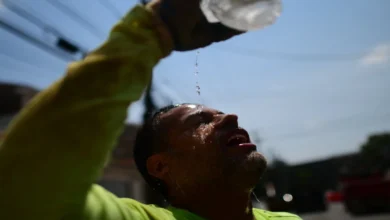
The smell of smoke that hung heavy over New York City during a sweltering July afternoon did not originate from a local urban fire or a malfunctioning vehicle on the asphalt below. Instead, the acrid haze blanketing the boroughs was carried hundreds of miles south by atmospheric currents from record-shattering wildfires in Quebec, Canada. For 40-year-old José Yos, an immigrant from Guatemala who navigates the city’s grid on an electric bicycle to deliver food and groceries via mobile apps like DoorDash and Uber Eats, the sensory experience was distressingly familiar. It echoed the historic 2005-and-subsequent 2023 Canadian wildfire seasons, which turned the skyline an apocalyptic orange and choked the Northeastern United States with hazardous particulate matter. Yet, this particular afternoon unfolded during a severe heat emergency—the city’s second in as many weeks—with temperatures approaching 100 degrees Fahrenheit and a heat index pushing the "real feel" well beyond safe thresholds.
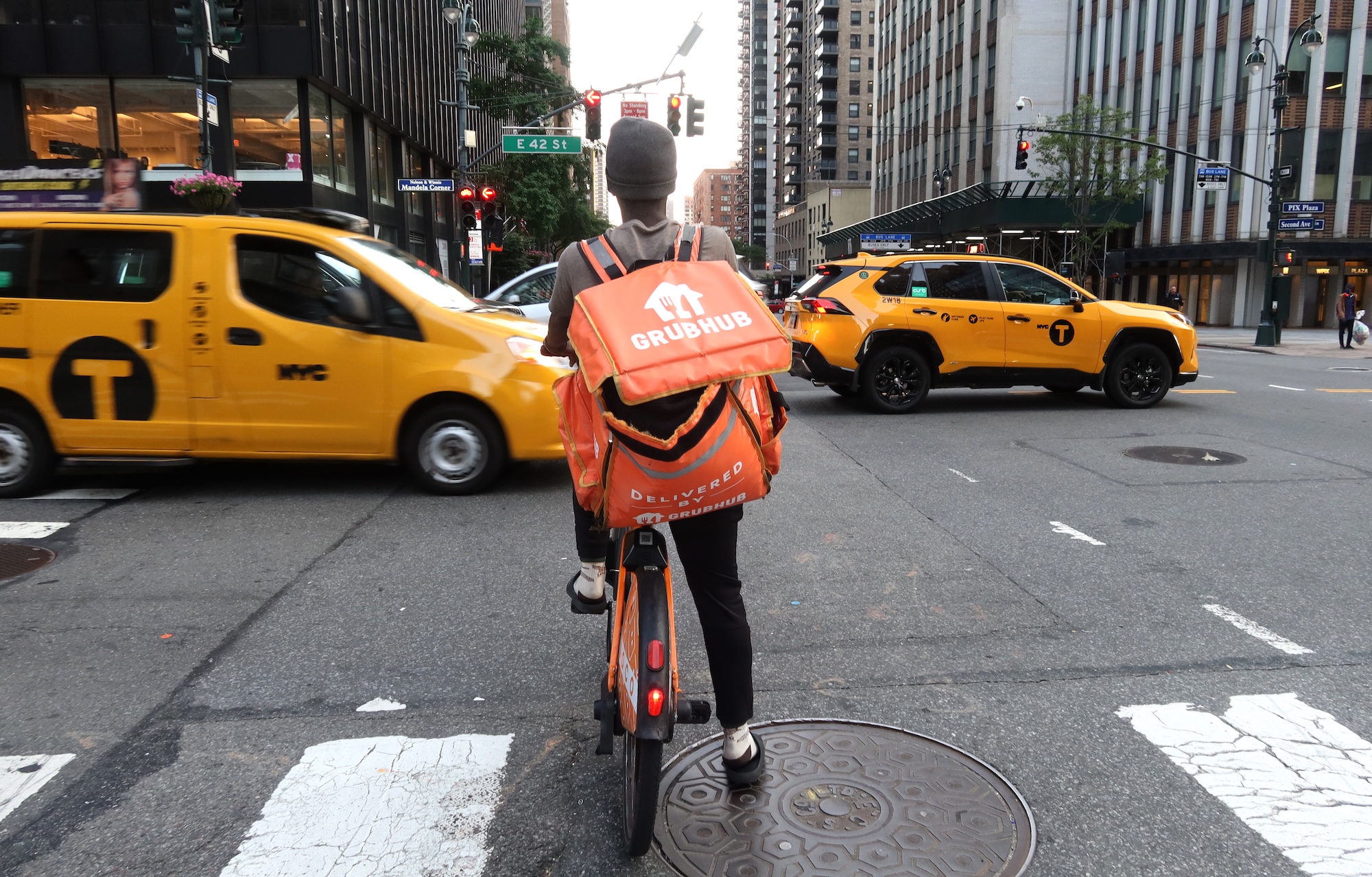
While municipal authorities deployed cooling vans, opened emergency cooling centers, and broadcasted urgent advisories urging residents to remain indoors within air-conditioned spaces, Yos and roughly 70,000 app-based delivery workers across New York City faced a stark economic contradiction. For gig workers, staying home means earning nothing. Yos had pre-scheduled his shifts on Uber Eats days in advance; missing them or slowing his pace risked triggering automated algorithm penalties, lowering his in-app performance ratings, and ultimately threatening him with account deactivation.
The Vulnerability of the Digital Workforce
Before the enactment of New York City’s deactivation protection legislation in January 2026, app-based couriers routinely faced sudden, unexplained account suspensions without cause or procedural recourse. Although the new law mandates a 72-hour notice period prior to deactivation and establishes an investigative right for workers, the friction and financial instability associated with losing access to delivery platforms remain profound. Consequently, advocacy organizations such as the Brooklyn-based Worker’s Justice Project continue to field daily requests from dozens of immigrant workers desperately seeking assistance to reopen their livelihood accounts.
Undeterred by the oppressive heat or the chemical sting of wildfire smoke, Yos pulled a protective balaclava over his nose and mouth, gripped the handlebars of his e-bike, and merged into traffic.
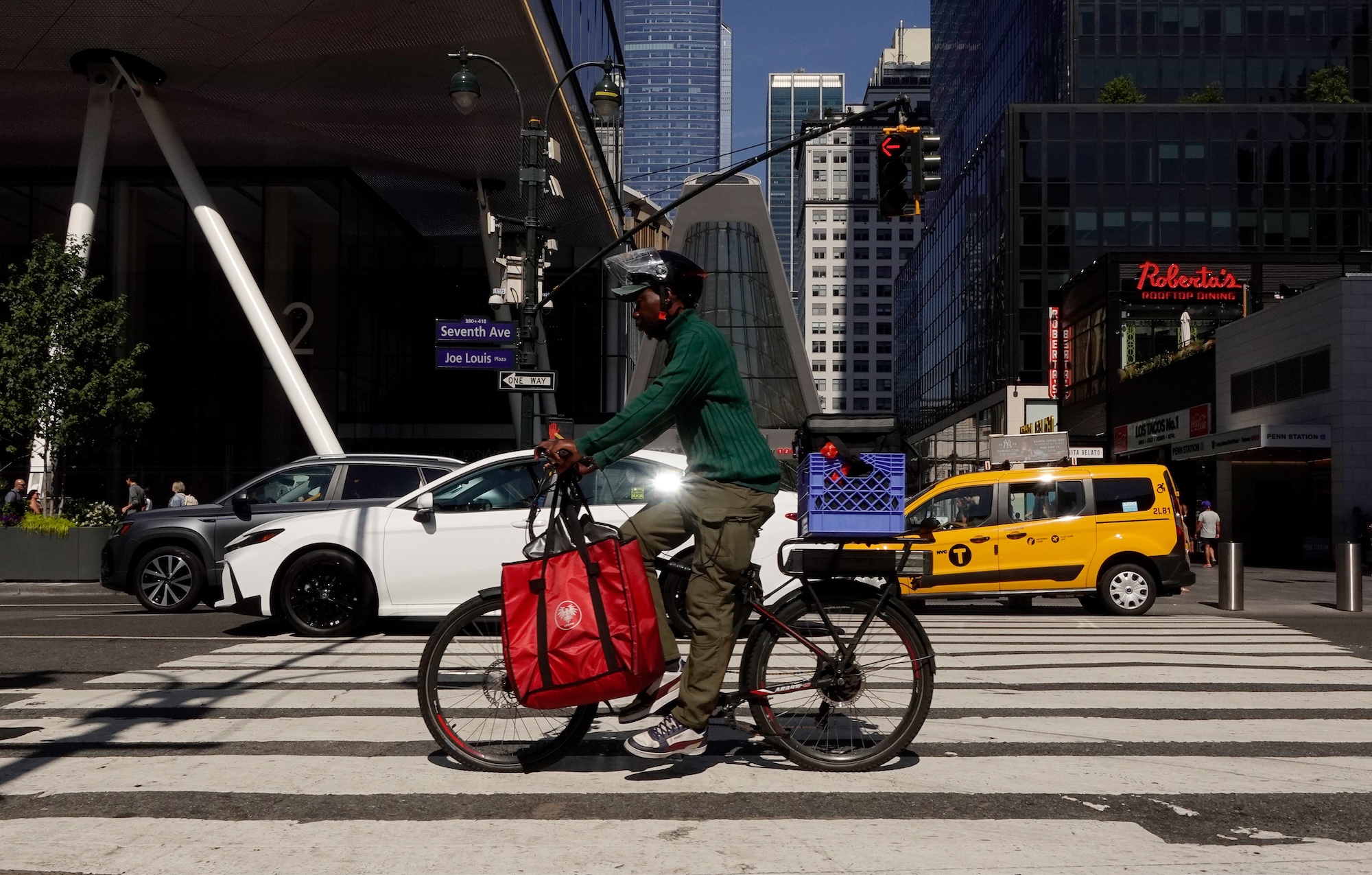
The demographic composition of New York’s "deliveristas" underscores a grim global interconnectedness. Many of the city’s couriers hail from regions bearing the most severe brunt of anthropogenic climate change, including Latin America, sub-Saharan Africa, and South Asia. Yos himself fled rural Guatemala after unpredictable precipitation patterns, alternating severe droughts and destructive floods linked to climate change and El Niño cycles, rendered small-scale agricultural production economically unviable for his family. Having traded rural climate displacement for the precarious hustle of the urban gig economy, Yos found himself confronting a different manifestation of environmental vulnerability: the intersection of extreme weather and unyielding labor algorithms.
The Evolution of Urban Delivery and Labor Organizing
To understand the current crisis, one must examine how the delivery landscape transformed over the past decade. Prior to the mid-2010s, restaurant delivery was largely managed in-house, with local eateries employing couriers directly and offering basic job security. The COVID-19 pandemic catalyzed an explosive surge in third-party app dependency; rapid-service restaurant delivery spending through mobile platforms tripled from approximately $400 million in December 2019 to $1.4 billion by 2022, while full-service restaurant spending nearly quadrupled.
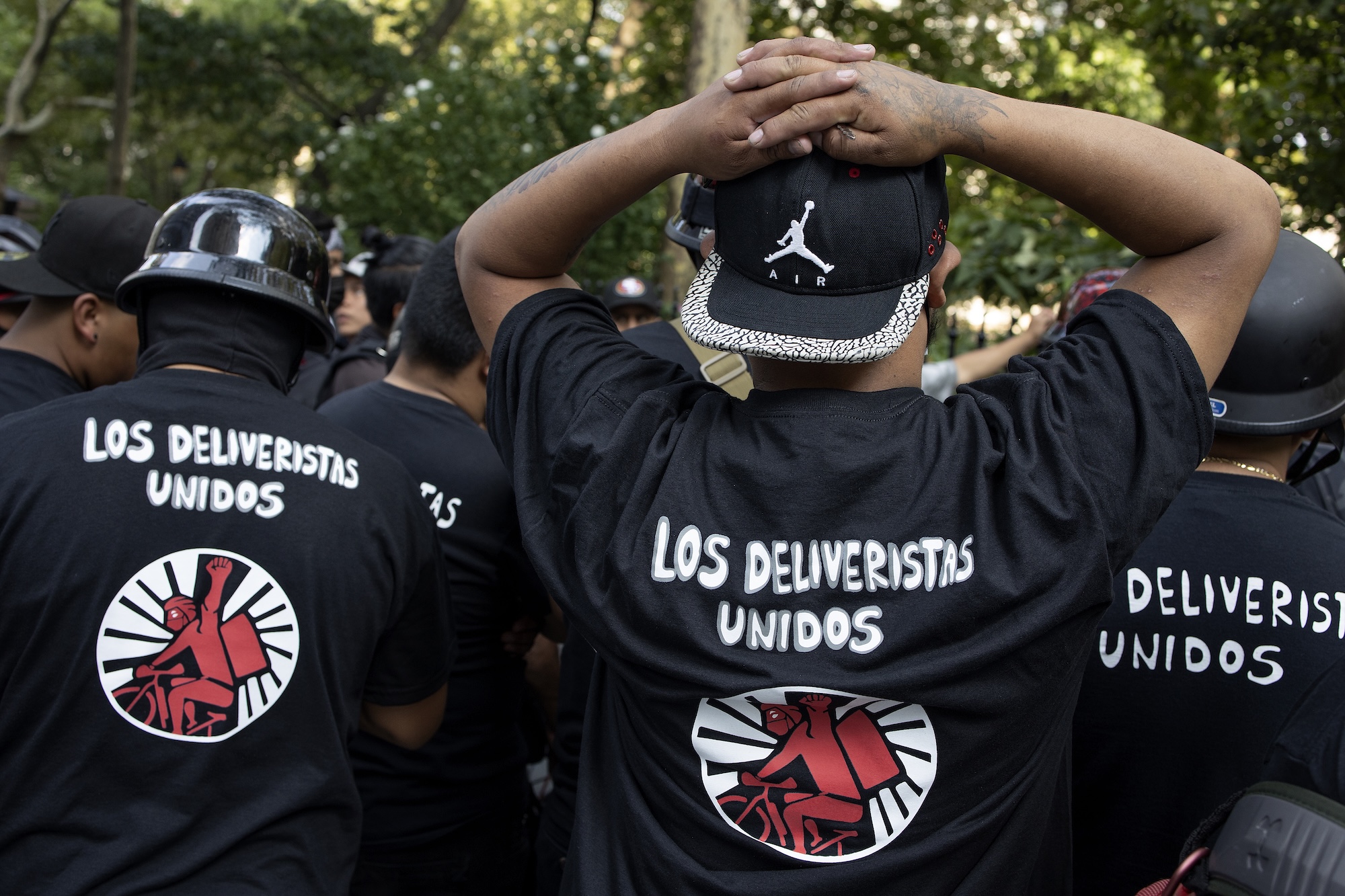
As New Yorkers hunkered down during lockdowns, relying on couriers for essentials like groceries, medication, and prepared meals, a distinct class of essential workers emerged. Pioneers like Gustavo Ajche and William Medin recognized that despite bearing the risks of the streets—initially organizing against rampant e-bike theft rings targeting their $2,000 vehicles—they were classified as independent contractors, completely devoid of healthcare benefits, workers’ compensation, or wage guarantees.
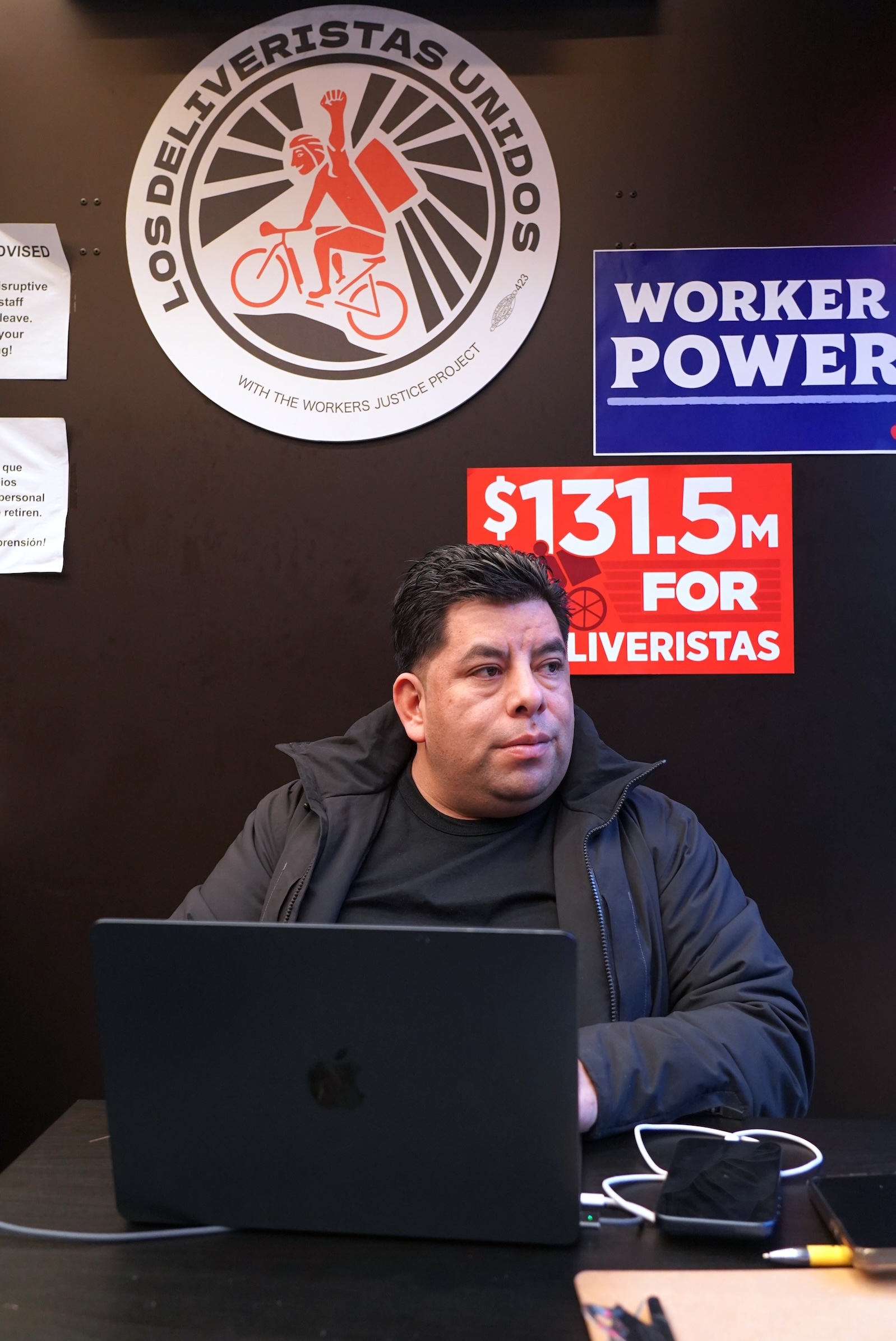
This realization birthed Los Deliveristas Unidos, a labor union arm of the Worker’s Justice Project that grew into a formidable political bloc representing nearly 15,000 active members. Through sustained political mobilization, the union achieved landmark legislative victories:
- 2021 Minimum Wage Law: Established a historic minimum wage floor, raising app-based delivery pay from meager pre-tip rates below federal minimums to at least $19.56 per hour.
- Bathroom Access and Transparency: Secured legal rights for couriers to use restaurant restroom facilities and mandated tip transparency.
- 2026 Labor Protections: Won a package of new municipal workplace protections taking effect in early 2026.
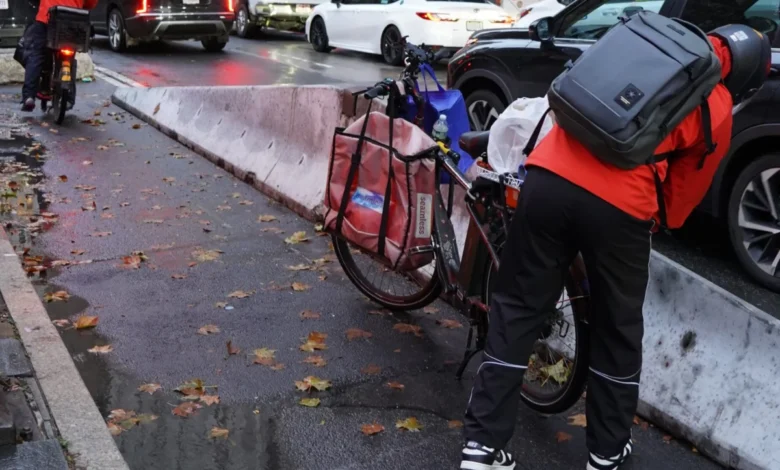
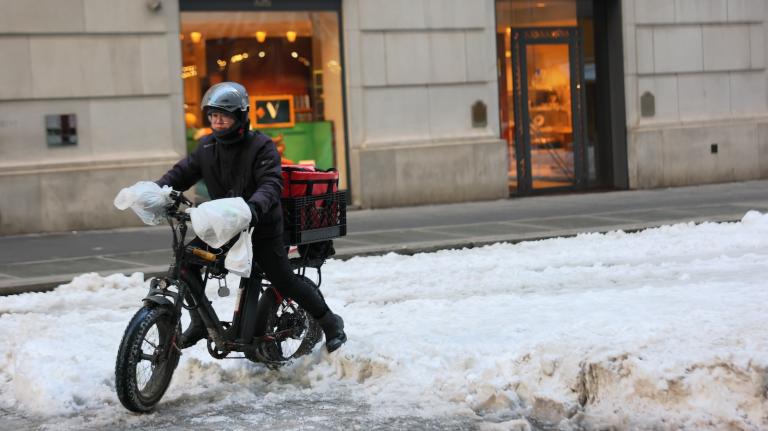
Despite these legislative milestones, delivery work remains statistically ranked among the most hazardous occupations in New York City. Climate change acts as a relentless threat multiplier, intensifying summer heatwaves, driving unprecedented precipitation—such as the summer of 2026, which marked the wettest in five years with nearly 17 inches of rainfall—and triggering urban flash floods that overwhelm aging municipal drainage systems.
Infrastructure Deficits and Municipal Responses
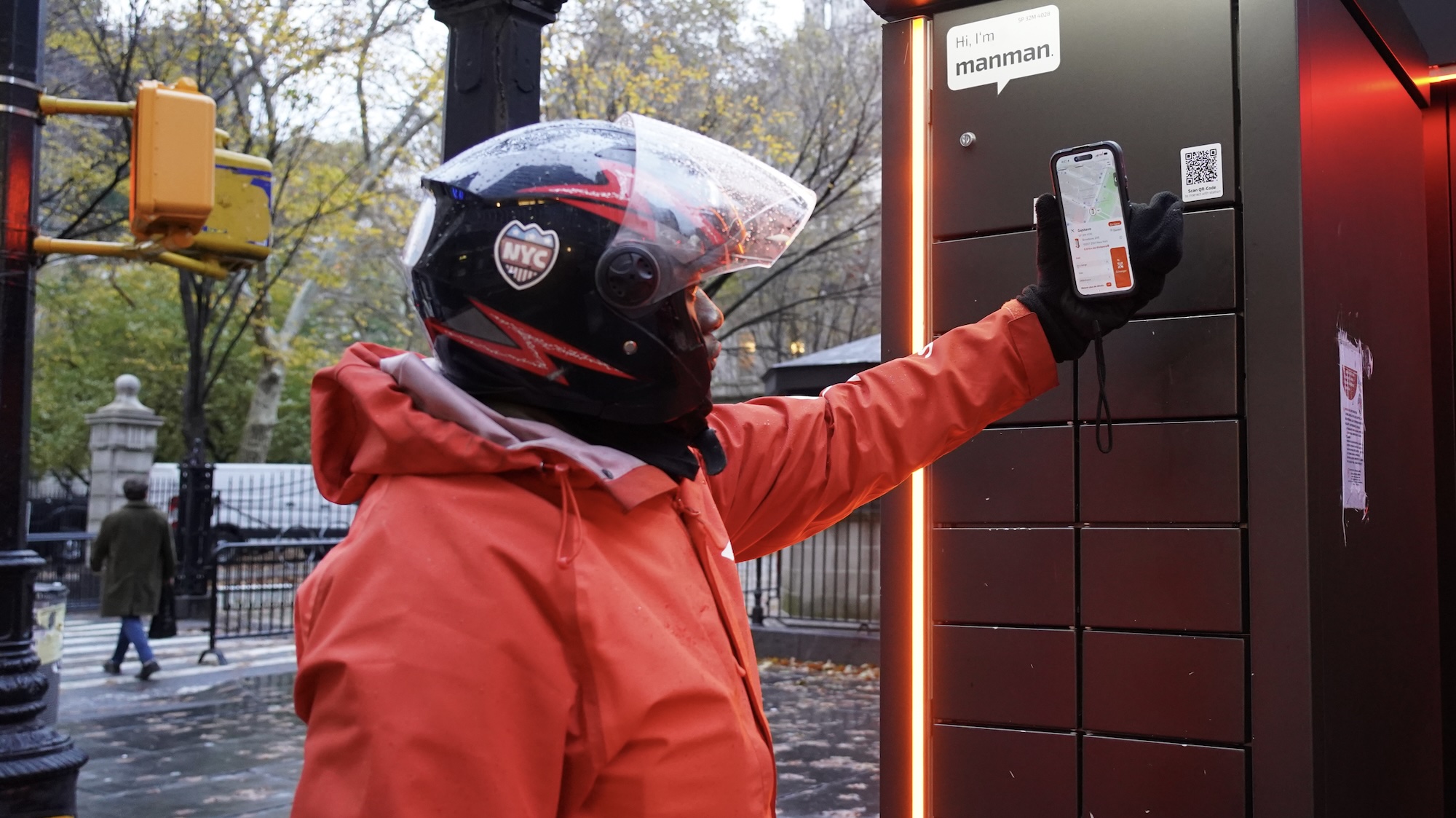
The physical dangers of the road are compounded by systemic infrastructure gaps. For years, labor advocates argued that city planning utterly ignores the physical needs of deliveristas. In response to organizing efforts spearheaded by Ajche and supported by high-profile figures including Senator Chuck Schumer, the city committed funding to convert underutilized newsstands into secure rest hubs equipped with charging stations and bathrooms.
However, bureaucratic delays and local resistance have hindered rollout. Although Mayor Zohran Mamdani’s administration fast-tracked the opening of the city’s first delivery hub in April 2026, construction pressures resulted in immediate operational failures, such as delayed electrical hookups. Meanwhile, proposed sites in affluent neighborhoods, such as the Upper West Side, have encountered fierce community pushback.
In the legislative sphere, accountability measures continue to evolve. Earlier this month, City Council Member Harvey Epstein introduced a comprehensive bill designed to compel app platforms—including Uber Eats, DoorDash, and GrubHub—to directly provide workers with bathroom access, localized rest stops, e-bike charging infrastructure, and secure storage facilities.
Corporate Responses and Divergent Protocols
Major delivery platforms maintain varying approaches to extreme weather management. While Uber Eats and GrubHub declined direct comment for this report, pointing instead to general safety guidelines and third-party partnerships like the Governors Highway Safety Association, DoorDash highlighted its formalized Severe Weather Protocol. According to Samantha Ramirez, Policy Communications Manager at DoorDash, the company actively monitors meteorological shifts to issue proactive safety guidance and retains the authority to temporarily suspend operations during severe localized emergencies.
Nevertheless, labor leaders argue that voluntary corporate policies are insufficient. Ligia Guallpa, executive director of the Worker’s Justice Project, emphasizes that delivery workers function as emergency responders during climate disasters, ensuring the continuity of essential goods. "We need policies that reflect the realities delivery workers face," Guallpa stated, demanding hazard pay, robust safety standards, and structural inclusion in municipal climate adaptation planning.
The Broader Implications of Climate Migration
The experiences of workers like Yos, Hari Sharan Tripathi from Nepal, and Saliou Ndiaye and Mansour Thioye from Senegal highlight a complex global phenomenon: the convergence of labor migration and climate disruption. Researchers note that while individuals frequently cite economic drivers as primary motivations for leaving their home countries, environmental degradation functions as an invisible catalyst—eroding agricultural yields, destroying infrastructure, and magnifying poverty.

Whether these individuals are formally categorized as "climate migrants" carries significant policy ramifications regarding access to specialized municipal services, social safety nets, and urban integration resources. Scholars such as Erica Bower of Human Rights Watch caution that strict definitions require direct, provable causality between specific natural disasters and displacement, often classifying workers primarily as labor migrants. Yet, as empirical surveys by organizations like the Mixed Migration Centre demonstrate, when prompted, a vast percentage of migrants acknowledge environmental volatility as a core stress multiplier in their decision to relocate.
As global temperatures continue to rise, municipal governments face an urgent imperative to synchronize infrastructure investments with the lived realities of frontline workers. From upgrading storm catch basins and clearing bike lanes of ice to enforcing corporate accountability for gig worker safety, the path forward requires integrating the workforce that keeps modern cities functioning into the very core of climate resilience strategies.