The Bipartisan Permitting Reform Battle: How the Proposed Infrastructure Overhaul Divides Washington and Reshapes the American Energy Landscape

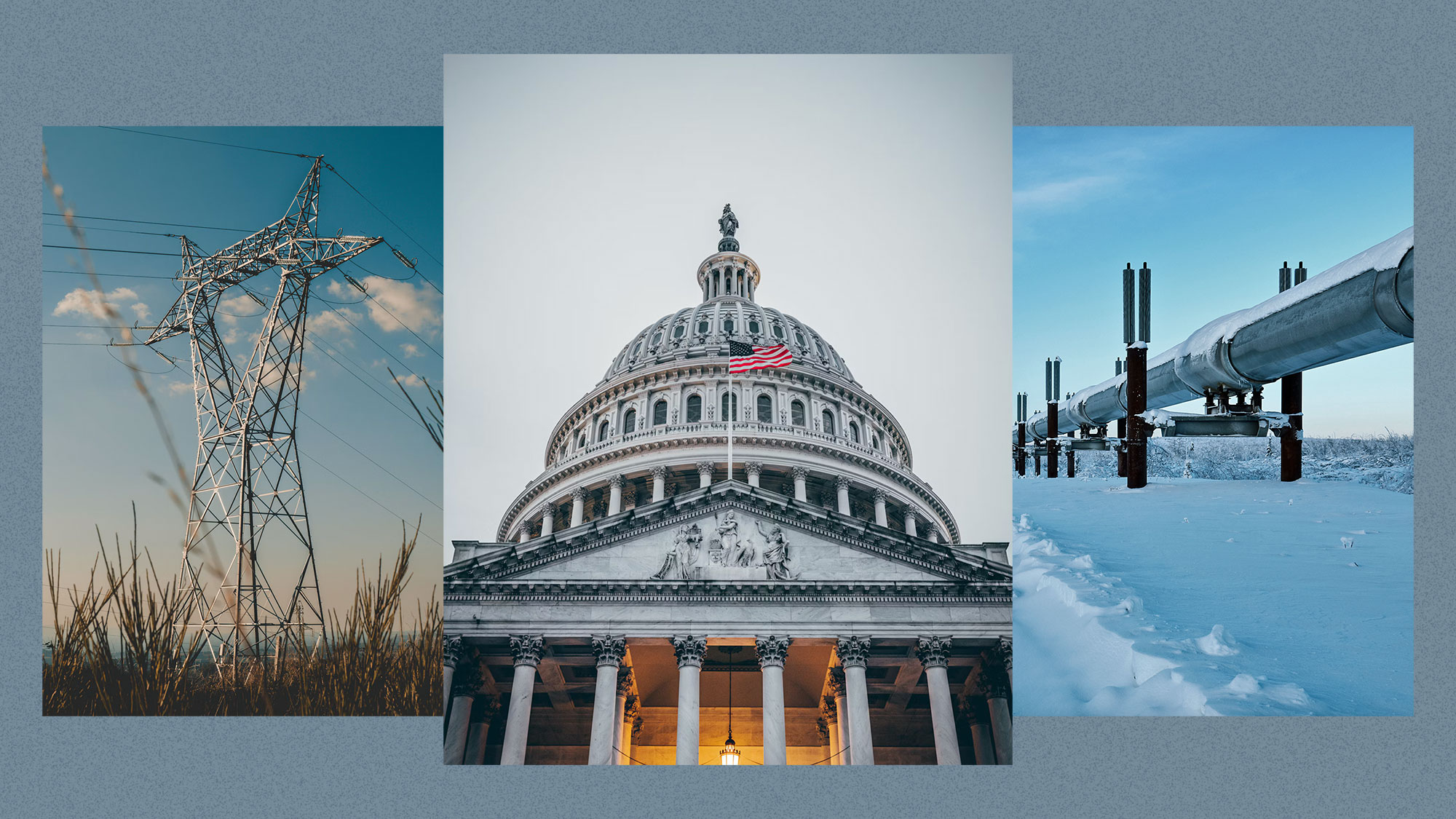
The debate over national infrastructure development in the United States has reached a critical juncture as Congress weighs sweeping legislative changes designed to expedite major energy projects. At the center of this national conversation is the Bipartisan American Affordability and Jobs Act (BAaja), a sprawling legislative package poised to alter how federal agencies review and approve massive infrastructure endeavors, including high-voltage transmission lines, renewable energy facilities, and traditional fossil fuel pipelines. While proponents argue that modernizing the permitting process is an absolute economic and environmental necessity to clear a massive backlog of clean energy projects, opponents warn that the bill strips vital protections from local communities, native tribes, and fragile ecosystems.
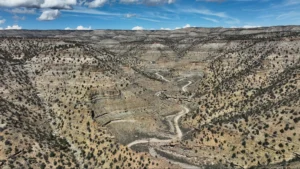
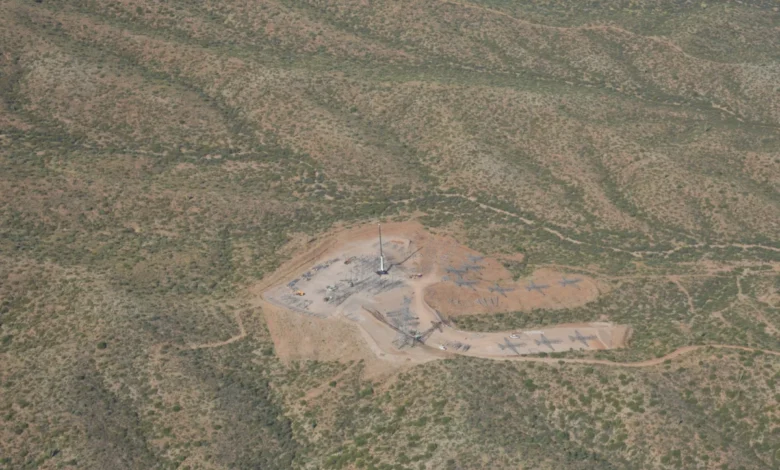
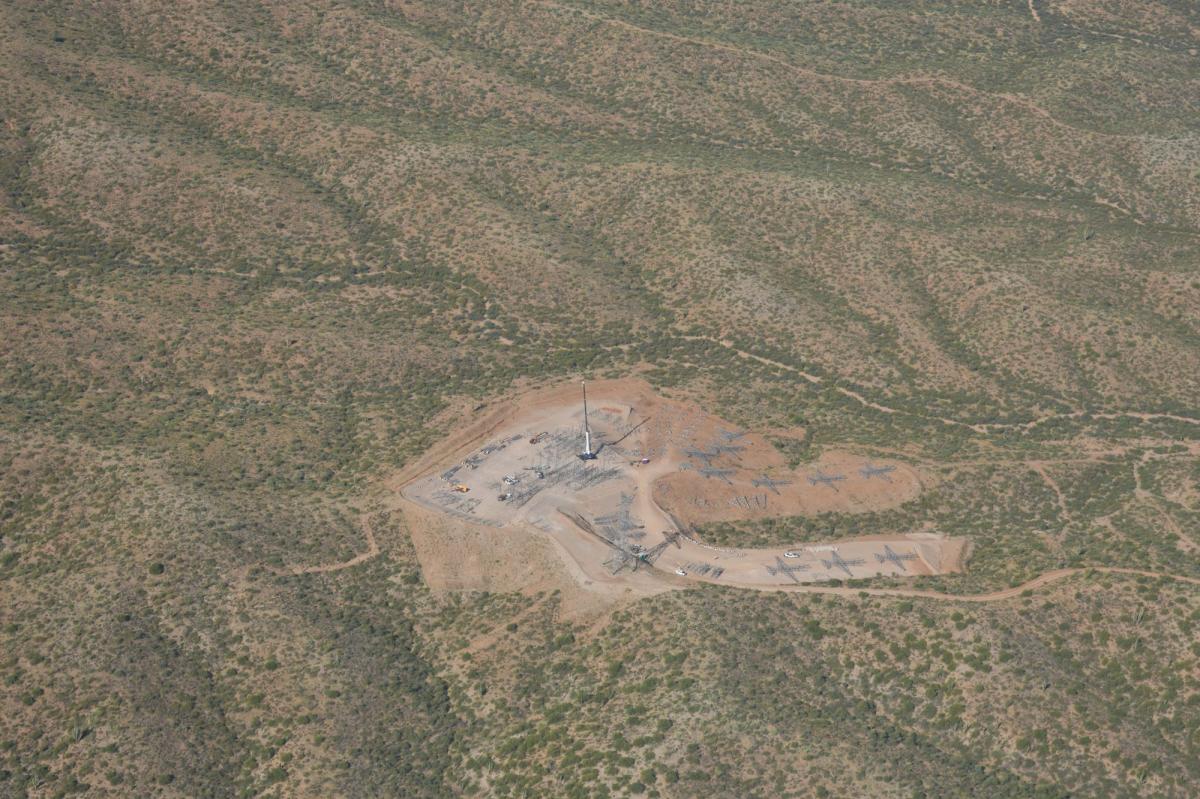
This high-stakes legislative push unfolds against the backdrop of decades of regulatory friction, exemplified by the tortuous history of the SunZia wind farm and transmission line in New Mexico and Arizona. Completed in June after a grueling two-decade development cycle, SunZia stands as a cautionary tale of modern infrastructure deployment. Designed to channel vast quantities of renewable energy from remote western wind installations to surging population centers in Arizona and California, the project faced relentless opposition from a coalition of interest groups, including bird conservationists, military planners, and Native American tribes. Although many of these disputes were eventually mitigated or resolved, unresolved conflicts regarding the project’s impact on sacred and historic cultural sites have persisted in federal courts long after construction wrapped up.
Such legal battles are far from anomalies; they represent systemic roadblocks that consistently plague long-distance power line construction and renewable energy deployment across the United States. Under current federal frameworks, developers often find themselves ensnared in a web of administrative delays and litigation risks that discourage capital investment and hamstring the nation’s capacity to harness abundant, low-cost renewable generation. Recognizing these vulnerabilities, a bipartisan coalition in the Senate crafted BAAJA to streamline federal oversight, restrict the grounds and timelines for legal challenges, and grant federal regulators broader authority to override state-level opposition to interstate transmission projects.
Historical Context and the Legislative Framework of Modern Permitting
To understand the profound friction surrounding BAAJA, one must examine the legal bedrock that governs American infrastructure: the National Environmental Policy Act of 1969 (NEPA). Enacted during the dawn of the modern environmental movement, NEPA fundamentally transformed federal decision-making by requiring agencies to rigorously evaluate the environmental, economic, and social consequences of major federal actions, such as issuing permits for projects on public lands or across interstate borders. Under NEPA and companion statutes like the National Historic Preservation Act, federal agencies must solicit public commentary, explore viable alternatives, and publish detailed environmental impact statements.
While NEPA does not mandate strict environmental thresholds or outright bans on specific types of development, it establishes a formal, transparent mechanism for public education and governmental accountability. However, this very mechanism has frequently been weaponized or bogged down by administrative gridlock. Wealthy property owners seeking to protect real estate values, conservationists guarding local habitats, and indigenous tribes defending sovereign treaty rights and religious freedom routinely file lawsuits claiming that federal environmental reviews were inadequate. Even when courts ultimately rule that an agency’s original permit was legally sound, the intervening litigation can stall construction for months or years, driving up costs and imperiling project viability.
BAAJA attempts to untangle this administrative knot by shortening statutory deadlines for legal challenges, narrowing the scope of secondary impacts that federal agencies must weigh, and limiting who possesses legal standing to sue. Supporters—ranging from major labor unions and clean energy developers to certain centrist climate organizations—contend that these reforms are indispensable. Without accelerated permitting, they argue, the United States cannot construct the tens of thousands of miles of high-voltage transmission lines required to achieve deep decarbonization and meet surging electricity demand from industrial manufacturing, residential electrification, and the explosive growth of artificial intelligence data centers.
Chronology and Legislative Trajectory
The legislative path to BAAJA has been characterized by intense negotiations, shifting political alliances, and rapid procedural maneuvers in the closing months of the congressional session.
- Early 2000s to 2024: Large-scale renewable projects like the SunZia transmission line experience prolonged delays, highlighting systemic weaknesses in interregional grid planning and the vulnerability of federal permits to persistent litigation.
- October 2026: Economic research firms, including the Rhodium Group, publish comprehensive modeling reports indicating that comprehensive permitting reform could accelerate renewable deployment and slightly lower nationwide electricity costs over the next fifteen years. Concurrently, industry stakeholders and advocacy groups ramp up lobbying efforts.
- November 2026: The Senate advances the Bipartisan American Affordability and Jobs Act through a series of procedural votes, winning support from nearly the entire Republican caucus and roughly half of the Democratic conference. Key climate-focused senators draft the legislative text, while prominent environmental groups and progressive lawmakers voice vehement opposition.
-
Mid-November 2026: House leadership, including top Democratic officials and key Republican committee chairs, express reservations regarding the bill’s potential
preemption of local and state authority, setting the stage for a contentious legislative showdown before the end of the year.
Economic and Climate Implications: A Double-Edged Sword
The projected impacts of BAAJA are deeply complex, defying simple characterization as purely beneficial or detrimental. Economic modeling conducted by the Rhodium Group and other energy think tanks suggests that the legislation’s overhaul of transmission siting rules and its streamlining of grid interconnections will likely reduce average electricity bills over the next decade and a half. By facilitating the rapid transfer of cheap wind, solar, and battery storage power from resource-rich rural areas to high-demand urban markets, the bill addresses a fundamental structural flaw in the contemporary American power grid.
Furthermore, the legislation introduces provisions intended to integrate data centers more cleanly into the energy ecosystem. Rather than permitting the construction of heavily polluting, off-grid natural gas turbines to satisfy the voracious electricity demands of modern computing facilities, the bill encourages data centers to connect to regional grids by streamlining clean energy transmission lines, while simultaneously mandating greater transparency regarding power consumption and requiring tech firms to shoulder a fairer share of necessary grid upgrade costs.
Yet, the climate and environmental calculus remains deeply contested. Because the legislation adopts a technology-neutral approach designed to accelerate infrastructure permits generally, fossil fuel projects stand to benefit alongside clean energy. Natural gas pipelines and oil extraction infrastructure could experience faster bureaucratic approvals, raising concerns among environmental scientists that greenhouse gas emissions reductions could be blunted or offset.
Moreover, critics point out that future political administrations could exploit these streamlined pathways to aggressively promote fossil fuel development while suppressing offshore wind or solar installations. Although the text of BAAJA includes provisions intended to restrain executive overreach and prevent arbitrary discrimination against specific energy sources, recent amendments have weakened some of those guardrails. Consequently, environmental advocates worry that the statutory changes will permanently diminish the legal tools available to communities seeking to block polluting projects in their backyards.
Divergent Perspectives and Stakeholder Reactions
The debate over BAAJA has scrambled traditional political coalitions, creating unusual alignments and bitter fractures within both major political parties and the broader environmental movement.
On the supporting side, clean energy associations, labor unions representing construction and electrical workers, and traditional energy executives have formed a pragmatic alliance. Organizations such as Advanced Energy United and the American Petroleum Institute have urged swift congressional passage, emphasizing that grid reliability and energy security depend entirely on breaking through the regulatory bottlenecks that currently stall infrastructure investments. Several centrist climate think tanks have likewise endorsed the bill, arguing that the imperative to build clean energy at scale outweighs the procedural perfection of legacy environmental laws.
Conversely, a robust coalition of grassroots environmental nonprofits, civil rights organizations, and tribal governments has mounted fierce opposition. The National Congress of American Indians and organizations like the Sierra Club argue that BAAJA deals a severe blow to environmental justice and tribal sovereignty. By curtailing public participation windows and restricting the legal recourse available to affected populations, the legislation risks repeating historical injustices where marginalized communities bear the disproportionate environmental burdens of industrial corridors, pipelines, and transmission scars.
This ideological schism is vividly reflected within the Democratic Party itself. Co-authored by climate-conscious senators such as Sheldon Whitehouse and Martin Heinrich, the bill has simultaneously drawn blistering critiques from progressive stalwarts like Senator Ed Markey, who view the concessions to fossil fuel infrastructure as an unacceptable betrayal of climate commitments. Prominent climate leaders, including former Vice President Al Gore, have voiced deep skepticism over the package, even as other scientists and energy analysts argue that the pragmatic gains for renewable energy transmission justify the legislative compromises.
Outlook: The Path Forward in Congress
As BAAJA heads toward a decisive showdown, its ultimate fate remains shrouded in uncertainty. Having secured vital momentum in the Senate, the legislation faces significant structural hurdles in the House of Representatives. Because the bill was developed primarily within the upper chamber with limited input from House members, skepticism runs deep among lawmakers representing rural districts who are fiercely protective of local zoning and land-use authorities.
Key House leaders have raised concerns regarding federal preemption over state utility regulators and waterways, echoing fears that rural constituents will be left with little recourse against unwanted industrial intrusion. Meanwhile, House Democratic leadership has signaled resistance, meaning that if a united block of progressive Democrats can peel away a handful of conservative Republicans wary of federal overreach, the bill could stall completely.
Presidential support has been signaled, meaning that if the legislation successfully navigates the legislative labyrinth and reaches the Resolute Desk before the expiration of the current congressional session, it will be signed into law. Should the bill fail to clear both chambers before the new year, however, the hard-fought compromise will dissolve, forcing lawmakers to restart the arduous task of permitting reform from scratch in the next legislative session—leaving the future of America’s energy transition hanging in the balance.
Related posts: