Navigating the Crisis: How Rural Healthcare Incentive Programs Face Rising Expectations and Complex Realities

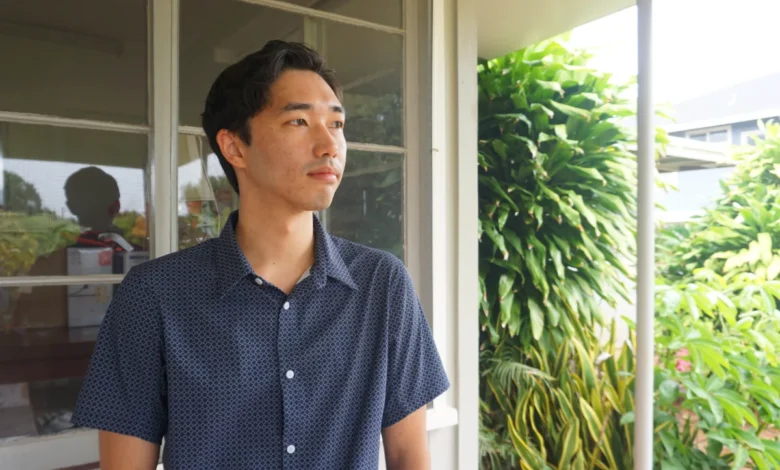
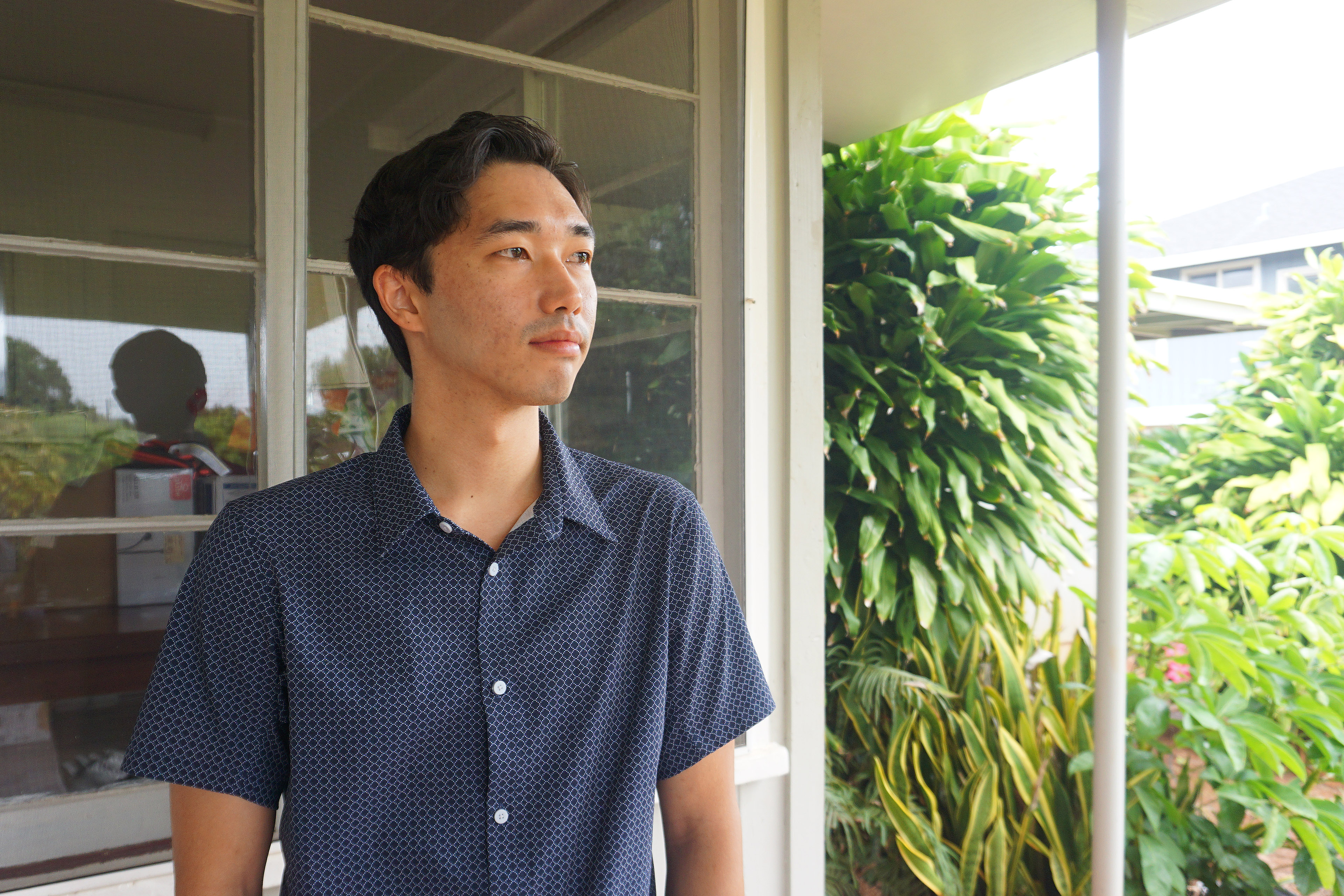
LĪHUʻE, Hawaiʻi — For Dylan Lawton, the stark reality of America’s rural healthcare crisis was never an abstract policy debate or a distant academic study. It was personal. Growing up aware that his uncle on the island of Kauaʻi had to routinely travel off-island simply to receive routine cancer treatments, Lawton understood the profound geographical disparities that plague remote communities. Driven by a desire to rectify these systemic shortcomings, he enrolled in a specialized University of Hawaiʻi medical school track explicitly designed to train physicians for rural practice. In exchange for covering his steep tuition costs, Lawton committed to returning to Kauaʻi to practice medicine for four years following his residency.
Yet, destiny delivered a devastating twist. While driving on the island during a clinical rotation, Lawton struggled to lift his right leg to hit the brakes. Within hours, advanced neuroimaging revealed a brain tumor. Because Kauaʻi lacks specialized neurosurgeons, Lawton required an emergency medical evacuation by plane to Straub Benioff Medical Center on Oʻahu, Hawaiʻi’s most populous island. There, at just 27 years old, he received a life-altering diagnosis: stage 4 lung cancer, a specific type frequently found in nonsmokers, which had already metastasized to his brain.
“I am experiencing the very thing that I was brought to fix,” Lawton reflected, noting that the irony crosses his mind constantly. Today, as he manages his recovery and navigates his final year of medical school, Lawton’s deeply personal journey illuminates a much broader, nationwide struggle: the quest to staff rural clinics and hospitals through mandatory service commitments, and the growing friction between rigid federal requirements and the unpredictable human realities of medical providers.
The National Landscape of Rural Health Transformation
Lawton’s predicament unfolds against the backdrop of a massive infusion of federal capital aimed at stabilizing America’s fracturing medical safety net. The $50 billion Rural Health Transformation Program, established under the One Big Beautiful Bill Act signed by President Donald Trump, has fundamentally reshaped how states approach workforce shortages. At least 38 states, including Hawaiʻi, have integrated these federal dollars into their state budgets to fund aggressive recruitment and retention initiatives.
Under the framework of the federal program, healthcare providers who accept financial incentives—ranging from tuition assistance to substantial loan repayment bonuses—must commit to practicing in federally designated rural health professional shortage areas for a minimum of five years. This federal standard represents a notable expansion compared to historical models, raising the stakes for both the participating clinicians and the state agencies tasked with administering the funds.
Proponents argue that the program injects vital resources into communities where medical deserts are expanding at an alarming rate. According to data from the federal Health Resources and Services Administration (HRSA), more than 100 million Americans currently live in regions experiencing severe health professional shortages. Furthermore, rural communities account for approximately 62% of all primary care shortage areas nationwide, creating severe bottlenecks in preventative care, chronic disease management, and emergency response.
However, the imposition of a mandatory five-year service window has sparked intense debate among healthcare economists, policy analysts, and institutional leaders. Critics contend that a blanket five-year commitment fails to account for the diverse economic realities of different medical professions, potentially discouraging the very practitioners states desperately need to attract.
The Five-Year Commitment Debate
The Bipartisan Policy Center recently released a comprehensive report examining the structural design and potential pitfalls of the Rural Health Transformation Program. Maya Sandalow, director of the organization’s health program and a principal contributor to the report, noted that feedback from numerous medical professionals indicates the five-year requirement is frequently viewed as overly rigid. This inflexibility is particularly pronounced among lower-paid healthcare workers, such as behavioral health support specialists, community health workers, and emergency medical services (EMS) personnel.
“The requirement might be a pretty big one compared to the level of award that that individual is receiving, no matter what the degree is,” Sandalow explained during policy briefings following the report’s release.
As an illustrative example, state programs like Michigan’s have rolled out scholarship initiatives aimed at training emergency medical service professionals. Yet, despite requiring significantly fewer years of formal education than a traditional medical degree, EMT trainees are held to the exact same five-year service obligation as fully fledged physicians receiving vastly higher financial awards.
Historically, major federal programs have balanced service requirements with shorter timelines to encourage participation without inducing severe career burnout. The National Health Service Corps (NHSC), one of the nation’s longest-standing federal workforce pipeline initiatives, typically mandates service commitments ranging from two to four years. Federal tracking data of NHSC participants indicates that while approximately 80% continue to practice in a designated shortage area one year following the completion of their formal service obligation, retention rates drop significantly by the second and third years, with fewer than half remaining within the exact same county.
The Centers for Medicare & Medicaid Services (CMS), the federal agency tasked with overseeing the execution of the Rural Health Transformation Program, has declined to issue on-the-record comments regarding criticisms of the five-year service threshold.
Meanwhile, researchers like Donald Pathman, a professor at the University of North Carolina School of Medicine who specializes in physician workforce incentive structures, emphasize that the federal rules do incorporate specific provisions designed to offer states operational flexibility. For instance, participants are generally permitted to relocate within their home state throughout their service period, provided they continue practicing within qualifying rural locales. Additionally, the regulatory framework grants states broad latitude to design localized incentive programs tailored to their distinct geographic and demographic needs.

“There’s not any heavy hand in federal requirements with this,” Pathman observed. At the same time, he cautioned that this decentralized approach introduces inherent vulnerabilities: “We’re hoping 50 states get this right.”
Creative State Strategies and Financial Pressures
Beyond direct recruitment bonuses, states are utilizing Rural Health Transformation Program funds to implement multi-layered solutions aimed at cultivating a homegrown medical workforce. Recognizing that recruitment often begins long before university admissions, states such as Wisconsin, Idaho, and Kansas have initiated targeted outreach programs directed at children as young as middle school, creating structured educational pathways designed to guide local youth toward careers in medicine and allied health professions.
Other states are addressing the fundamental logistical barriers that discourage medical professionals from relocating to remote regions. Rhode Island, for example, has dedicated a portion of its federal allocation to renovating and expanding affordable housing infrastructure specifically designated for healthcare workers.
These localized efforts arrive at a precarious financial moment for students pursuing advanced professional degrees. The federal legislation that authorized the rural fund simultaneously implemented strict caps on federal graduate loans for professional education—including medical, dental, and law degrees—limiting borrowing to $50,000 per year up to a lifetime maximum of $200,000. While ostensibly designed to curb the escalating cost of higher education, health industry experts have warned that these caps will place an extraordinary burden on students, making it exceedingly difficult to enter the healthcare field without robust state and federal incentive programs to absorb the financial shock.
Hawaiʻi’s Acute Vulnerability and the Kauaʻi Model
Few states face a more urgent need for workforce stabilization than Hawaiʻi. State health assessments estimate an ongoing deficit of 833 physicians, a shortage exacerbated by the geographic fragmentation of the island chain and the heavy concentration of medical specialists on Oʻahu. According to America’s Health Rankings data, Hawaiʻi ranked 36th in the nation for per-capita primary care providers, highlighting the profound disparities experienced by outer-island residents.
To combat these deficits, the state is channeling a portion of its Rural Health Transformation Program allocation into expanding pre-existing, public-private partnership pipelines. Among the most prominent of these initiatives is the Kauaʻi Medical Training Track, originally established with philanthropic backing from Facebook founder Mark Zuckerberg and his wife, Priscilla Chan, a pediatrician who maintains an estate on the island.
Operated through the University of Hawaiʻi’s John A. Burns School of Medicine, the Kauaʻi training track is designed to immerse medical students deeply into the island’s social and cultural fabric long before they earn their medical licenses. Students accepted into the track receive full tuition coverage in exchange for a mandatory four-year practice commitment on the island post-residency. During their clinical rotations on Kauaʻi, students are provided local housing, have their personal vehicles shipped from Oʻahu, and are paired with established local clinicians who serve as both mentors and future colleagues.
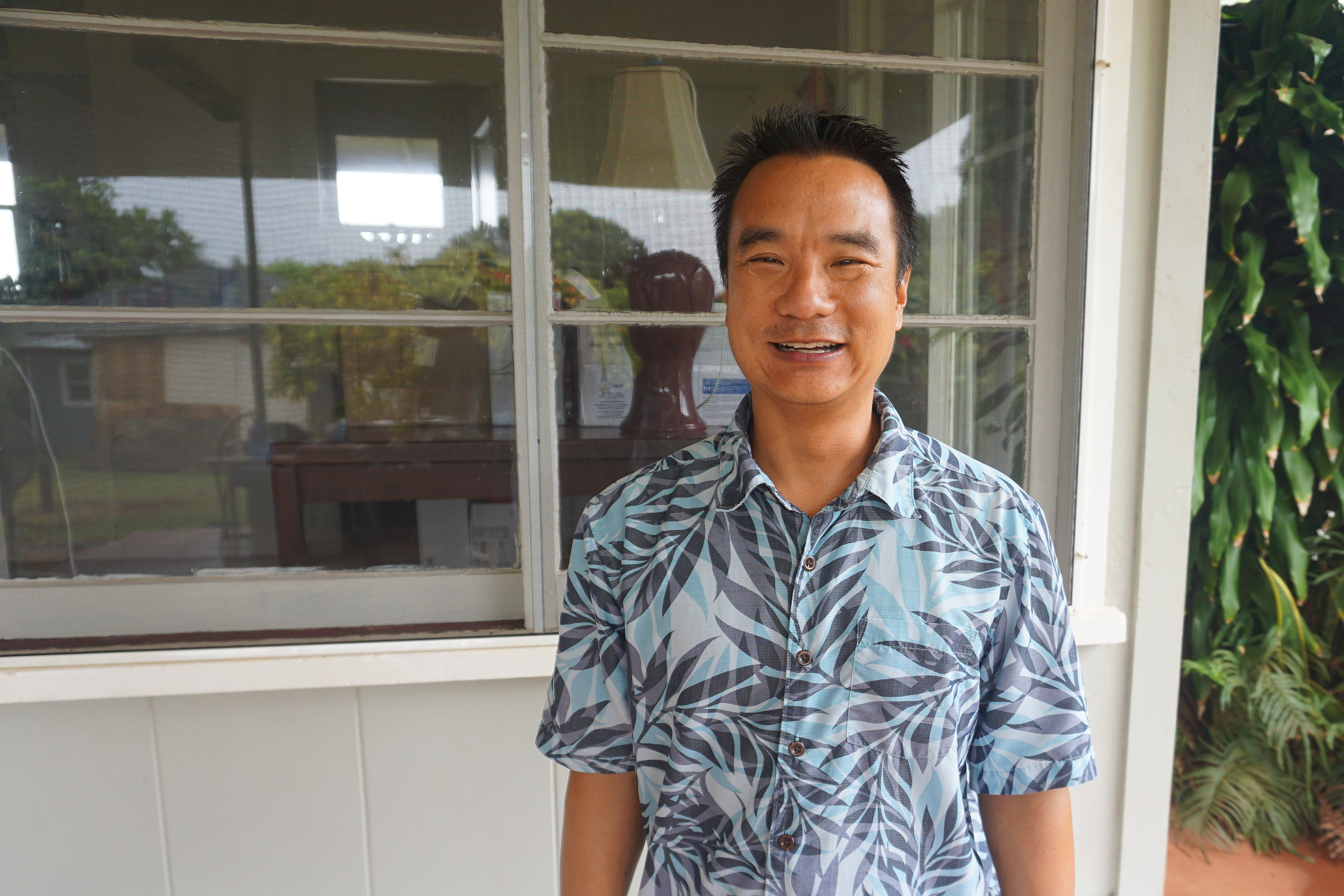
Dr. Travis Hong, a pediatric emergency medicine physician who directs the Kauaʻi training track, emphasizes that the program’s ultimate success hinges on community integration. “These are not just medical students who are going to be doctors. These are going to be community members on the island,” Hong said. “Getting that experience early on is really important to get those seeds planted.”
Public health research consistently supports this philosophy, demonstrating that clinicians with preexisting personal or cultural ties to rural regions exhibit significantly higher anticipated and long-term retention rates compared to physicians recruited from outside urban centers without prior community exposure.
A Personal Crossroads and an Uncertain Future
For Dylan Lawton, however, the theoretical framework of workforce retention has collided directly with the unyielding realities of chronic illness. Following his stage 4 lung cancer diagnosis, Lawton took an extended medical leave from his studies. He underwent delicate brain surgery on Oʻahu, followed by 13 rigorous cycles of chemotherapy. Today, he is grateful to be in remission and has successfully returned to complete his final year of medical school.
Yet, because his form of cancer is currently incurable, Lawton requires continuous, specialized oncological monitoring and monthly consultations—care that cannot be fully provided on Kauaʻi, where the island’s single full-time oncologist practices outside of Lawton’s primary healthcare network, and where specialized tertiary care remains unavailable.
As Lawton prepares for graduation and recently submits residency applications for internal medicine—a specialty training track not currently offered on Kauaʻi—he faces profound questions regarding how he will fulfill his contractual four-year service obligation to the island. He is currently in active discussions with medical school administration to explore feasible administrative accommodations that will allow him to honor his commitment to the rural community while managing his ongoing medical needs.
Despite the immense personal hurdles he has faced, Lawton remains steadfast in his commitment to the region that shaped his aspirations. “No matter what happens,” Lawton affirmed, “I’ll try my best to stay here as much as I can.”
As lawmakers, state health officials, and federal agencies grapple with the implementation of the multi-billion-dollar Rural Health Transformation Program, Lawton’s journey stands as both a poignant testament to the dedication of the next generation of rural physicians and a sobering reminder of the complex human variables that policy models must ultimately learn to accommodate.