The vast and multifaceted culinary landscape of China represents one of the most diverse food cultures in the world, making the task of identifying a singular definitive list of dishes a practical impossibility. Spanning thousands of years of imperial history, regional migration, and geographic adaptation, the Chinese diet is as much a study in cultural anthropology as it is a gastronomic experience. For the uninitiated traveler or the curious epicurean, navigating this complexity requires an introductory framework of essential dishes that capture the regional nuances—from the spicy, numbing profiles of Sichuan to the delicate, umami-forward preparations of the coastal south. This report outlines the historical significance, preparation methodologies, and cultural impact of the foundational foods that define the Chinese dining experience.
The Imperial Legacy: Peking Duck and Northern Traditions
Peking Duck stands as perhaps the most recognizable ambassador of Chinese cuisine on the global stage. Historically linked to the imperial courts of the Ming Dynasty, the dish originated in Nanjing approximately 1,500 years ago. When the capital was relocated to Beijing in the 15th century, the court’s culinary traditions migrated with it, leading to the refinement of the roasting techniques used today. The dish is characterized by its meticulous preparation: the duck is air-dried and roasted in a closed or hung oven to ensure the skin becomes exceptionally crispy while the meat remains succulent. Served with thin pancakes, scallions, cucumbers, and sweet bean sauce, the dish is a testament to the sophisticated balance of texture and flavor favored by ancient emperors.

While Beijing claims the prestige of the roast duck, Nanjing remains a hub of intense duck-based culinary innovation. The city’s affinity for the bird extends beyond the roasted variety to include salted duck, duck-grease pancakes, and the local staple: vermicelli soup with duck blood. This street food preparation utilizes the entire animal, incorporating duck-bone broth, blood curds, and offal, reflecting a historical ethos of resourcefulness and zero-waste cooking that remains central to regional Chinese identity.
The Art of Precision: Cantonese Steamed Fish
In the southern provinces, particularly within Cantonese cuisine, the emphasis shifts to the preservation of natural ingredients. Steamed fish serves as a primary example of this philosophy. Mastery of this dish is predicated on precise timing, which is dictated by the specific variety and size of the fish, as well as the heat intensity of the stove. Even a deviation of a few seconds can alter the texture, either leaving the flesh clinging to the bone or causing it to lose its essential moisture. Traditionally served with a light, sweetened soy sauce and scallions, this dish underscores the Cantonese belief that superior ingredients require minimal manipulation to achieve excellence.
Sichuan’s Spicy and Numbing Influence
The mountainous, landlocked province of Sichuan has arguably had the most significant impact on international perceptions of Chinese food. The profile of Sichuanese cuisine is defined by the use of the "mala" (numbing and spicy) flavor combination, driven by the Hanyuan peppercorn and broad bean chili paste from the Pidu district.

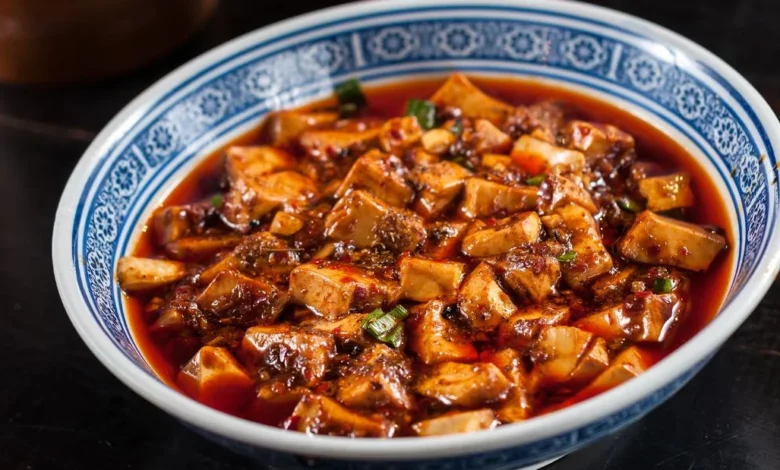
Mapo Tofu is the quintessential expression of this flavor profile. Historically, the dish emerged as a humble, utilitarian meal often prepared with minced pork or beef. Today, it is recognized for its ability to balance salty, peppery, and spicy notes in a single spoonful. Similarly, Dan Dan Noodles trace their lineage back over a century to street hawkers who carried the dish on "dan dan" poles. Whether served as a dry noodle mix or in a broth, the inclusion of "rou saozi"—finely chopped pork fried in lard—remains the standard for authentic preparation.
Beyond these, the "Shui Zhu" (water-boiled) technique highlights Sichuanese culinary ingenuity. Despite the name, which suggests a simple boil, the technique involves poaching proteins in a broth saturated with chili oil and aromatics. This method, applied to beef, pork, or fish, has become a standard-bearer for Sichuanese restaurant culture globally.
Hunanese Intensity and the Chili Tradition
Hunan, or Xiang cuisine, presents a different approach to heat, relying heavily on preserved chilis rather than the peppercorns found in Sichuan. The local folk wisdom maintains that a meal lacks legitimacy without the presence of chili. Duo jiao yu tou, or steamed fish head with chopped salted chili, serves as the definitive dish of the region. The chilis are preserved with salt, ginger, garlic, and baijiu (Chinese liquor) for at least a week, resulting in a complex, fermented spice profile. The resulting sauce is so prized that it is often utilized as a seasoning for secondary dishes, such as noodles or dumplings, after the fish has been consumed.

The Evolution of Dumplings and Bao
Dumplings (jiaozi) and steamed buns (bao) represent the carbohydrate foundation of the Chinese diet, particularly in the northern regions. These items are more than mere sustenance; they are cultural artifacts of communal preparation. Xiaolongbao, the famous soup-filled dumpling, requires such precise structural integrity that the wrapper must be thin enough to be delicate but strong enough to hold a hot broth.
In Tianjin, the jian bing guozi—a mung bean crepe wrapped around a deep-fried crisp—serves as a primary example of regional breakfast culture. The preparation involves a standardized street-side process that emphasizes speed and heat. Similarly, in Xi’an, the rou jia mo (often described as a Chinese "burger") reflects the region’s historical trade ties. The pulled pork belly is braised in a complex mixture of star anise, cinnamon, and cloves, and served inside a flatbread that must be toasted to reach the "chrysanthemum’s heart" pattern, a standard of quality in Shaanxi province.
Regional Seafood and Hakka Preservation
Coastal areas such as Chaozhou prioritize the concept of "umami" above all else. Cold-served seafood, such as crab or fish lightly seasoned with salt and steamed before being cooled to room temperature, is a hallmark of this region. This method highlights the natural sweetness of the seafood, which is further complemented by dips such as soybean paste or garlic-vinegar sauces.

In contrast to the fresh-focused coastal cuisine, the Hakka people—a nomadic group with a history of migration—developed a cuisine centered on preservation. Dongpo rou (braised pork belly) and the use of mei cai (pickled mustard greens) are central to this tradition. The mei cai provides a sour, salty counterpoint to the fatty pork, a necessity for a population that historically required long-lasting, nutrient-dense food sources.
Broths, Porridges, and the Concept of Nourishment
The Chinese approach to health is inextricably linked to diet, a concept most clearly seen in the tradition of Cantonese herbal soups. These are not merely culinary preparations but therapeutic interventions, simmered for hours to extract the medicinal qualities of seasonal ingredients. Whether intended to cool the body during the humid summer or provide warmth in winter, these soups illustrate the integration of Traditional Chinese Medicine (TCM) into daily life.
Congee, a staple rice porridge, follows a similar principle. As a foundational breakfast food, it serves as a "blank canvas" that can be adapted based on dietary needs. Whether enriched with century egg and pork in the south or pumpkin and millet in the north, congee is recognized as a gentle, restorative food suitable for both illness and daily maintenance.

Broader Economic and Global Impact
The proliferation of these dishes is not merely a matter of taste but a reflection of China’s economic integration and the global movement of its diaspora. The popularity of items like Kung Pao chicken—which resulted from the adaptation of a Shandong-style dish by a Sichuan governor—demonstrates the fluidity of Chinese culinary identity as it responds to shifting political and social environments.
Data from the global hospitality sector indicates that Chinese cuisine remains the most consumed ethnic cuisine globally, with "authentic" regional variations now commanding premium market positions. The rise of wok hei (the "breath of the wok") as a metric of quality in fried rice and stir-fry dishes has moved from a niche culinary term to a recognized standard in international food criticism.
As these dishes continue to evolve, they remain anchored in the traditions of their respective provinces. Whether through the preservation methods of the Hakka, the numbing spice of Sichuan, or the delicate steaming techniques of Guangdong, the foundational elements of Chinese food continue to inform a global culinary dialogue. For the modern consumer, understanding these dishes provides a necessary context for the history and geography that define the world’s most enduring food culture.