Sky-High Campaign Budgets: An Analysis of Political Airfare Spending in the 2026 Election Cycle

Political campaigns in the United States operate as massive, mobile logistical enterprises, and in the third quarter of 2026, the cost of this mobility became a focal point of financial scrutiny. An analysis of campaign disbursements from July through September reveals that nearly $484,000 was funneled into commercial air travel, reflecting the intense geographic demands placed on candidates and their staff. While this figure represents a significant portion of campaign operational costs, it also highlights a peculiar 83% decline in total airfare spending compared to the second quarter of the same year, raising questions about reporting cycles, the conclusion of primary races, and the evolving nature of digital campaigning.
The Dominance of Major Carriers
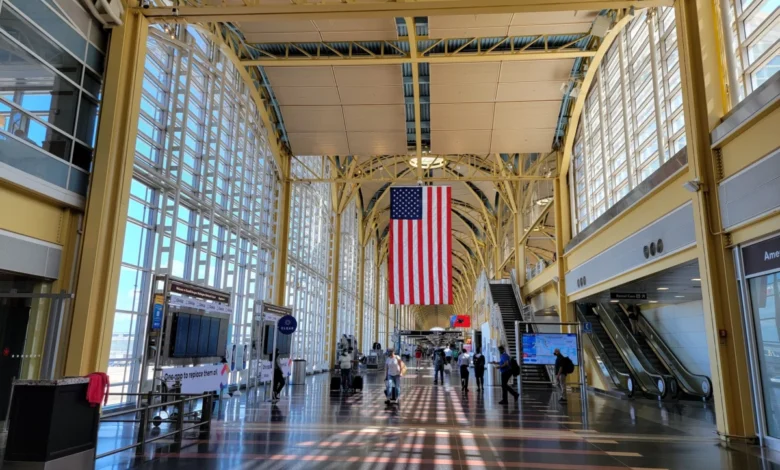
American Airlines emerged as the primary beneficiary of campaign travel spending, capturing the top spot for both Democratic and Republican committees. This dominance is largely attributed to the airline’s expansive footprint at Washington National Airport (DCA), which serves as the most convenient transit hub for members of Congress and their staff operating near Capitol Hill. Because lawmakers and their campaigns are frequent users of the very infrastructure they help regulate, the synergy between American Airlines’ slot holdings at DCA and the logistical requirements of Capitol Hill remains a structural advantage that competitors struggle to replicate.
United Airlines followed as the second-largest recipient, benefiting from its hub at Dulles International Airport and its comprehensive network connecting key fundraising and business markets across the country. Together, American and United accounted for approximately 58% of all recorded campaign airfare spending during the third quarter. Delta Air Lines, meanwhile, secured third place, a result that analysts attribute to its strategic presence in major metropolitan areas like Atlanta, Minneapolis, and its dual hubs in New York at JFK and LaGuardia. For campaigns based in states like Michigan, Delta’s Detroit hub provides an indispensable link, underscoring how regional hubs dictate the spending patterns of local political committees.
Geographic Realities: The Alaska Exception
The spending data also highlights how geography dictates logistical budgets, most notably in the case of Mary Peltola’s Senate campaign in Alaska. Peltola’s campaign expenditure on air travel—totaling just under $40,000—was more than double that of the next highest-spending campaign. This anomaly is driven by the sheer scale of the state and the reality that over 80% of Alaska’s communities are not connected to the national road system.
For a candidate in a state where aviation is the primary mode of transportation, airfare is not a luxury but a fundamental necessity for reaching voters. Alaska Airlines captured approximately 63% of the Peltola campaign’s airfare budget, making her responsible for nearly half of the airline’s total receipts from political committees during the quarter. This outlier serves as a stark reminder that campaign finance reports often reflect the physical barriers to entry in specific electoral districts rather than mere institutional preference.
Chronology and the "Post-Primary" Spending Phenomenon
The third quarter of 2026 saw a notable decline in airfare spending, dropping from $3.127 million in the first quarter and $2.841 million in the second to less than $484,000 in the third. While a portion of this decline can be attributed to the conclusion of several high-profile primary elections, the continued spending by defeated candidates suggests that campaign committees often remain active long after a primary loss.
A primary example is the campaign of Thomas Massie, who lost his primary on May 19 but continued to record significant travel expenses through the third quarter. Filings indicate that his campaign utilized a series of trip credits, resulting in over $11,500 in net airfare spending during a period where he was no longer an active candidate for the 2026 cycle. This phenomenon is facilitated by Federal Election Commission (FEC) regulations, which permit campaigns to maintain funds for legitimate travel related to official duties or future candidacy. Indeed, six days after his primary defeat, Massie filed a statement of candidacy for the 2028 election cycle, ensuring his campaign committee remained a legally active entity.
Similarly, Alex Vindman, a Florida Senate candidate who lost his August 18 primary, recorded $15,629 in airfare spending. His travel profile, which leaned heavily on American Airlines, reflects the geographical necessity of campaigning in a large, multi-hub state like Florida. These instances illustrate a broader reality in federal elections: campaigns are rarely static, and the transition from active candidacy to post-election activity—or the pivot to a future cycle—often involves ongoing logistical overhead.
Regulatory Context and Personal Use
The intersection of campaign funds and personal benefit has long been a subject of interest for the Federal Election Commission. A pivotal precedent was established following a complaint against former Congressman Jason Chaffetz, in which the FEC determined that earning airline miles on a personal credit card for reimbursed campaign expenses does not constitute a violation of "personal use" rules.
This ruling has profound implications for how campaigns manage their travel budgets. By allowing candidates to accrue personal loyalty points from flights funded by campaign contributions, the current regulatory environment creates a subtle incentive for candidates to maximize their air travel through loyalty-bearing carriers. Critics argue this provides a personal windfall for politicians, while proponents suggest it is a standard reimbursement practice consistent with corporate and government travel policies.
Broader Implications of Campaign Logistics
The data regarding international travel, though representing a smaller fraction of total expenditures, adds another layer of complexity. Campaigns for candidates such as Alan Grayson and Ilhan Omar recorded payments to foreign carriers like British Airways and Virgin Atlantic. While these figures represent a small percentage of total travel, they highlight the increasingly globalized nature of modern fundraising and political networking.
Furthermore, the significant drop in overall airfare spending as the general election approached suggests a shift in campaign strategy. As candidates rely more heavily on digital outreach, virtual town halls, and social media advertising, the necessity for constant, nationwide physical presence may be diminishing. However, the reliance on legacy carriers like American and United remains entrenched due to their control over critical infrastructure at Washington’s primary airports.
Conclusion
The financial data from the third quarter of 2026 provides a window into the infrastructure of American democracy. It is a system characterized by massive disparities in spending based on regional geography, the strategic advantages of major airline hubs, and the persistence of campaign committees even after electoral defeat. As the FEC continues to navigate the complexities of "personal use" and the necessity of travel in an era of digital campaigning, the relationship between political committees and the aviation industry will likely remain a significant, if often overlooked, component of federal election finance.
The 83% decline in quarterly spending warrants further investigation by campaign finance watchdog groups to determine whether this represents a genuine shift in campaign methodology or a byproduct of reporting lags and primary season closures. Regardless of the cause, the reliance on commercial air travel ensures that, for the foreseeable future, the "sky-high" costs of running for office will remain a defining feature of the American electoral process. Through the lens of these expenditures, one gains a clearer understanding of not just how candidates move, but how they sustain their operations across the vast and challenging landscape of the United States.
Related posts: