A Culinary Map of China Exploring the Essential Dishes of a Global Gastronomic Giant

China possesses one of the most complex and geographically diverse culinary landscapes in the world, making the task of identifying a definitive list of "best" dishes a significant challenge for gastronomic experts and travelers alike. From the numbing spices of the landlocked southwest to the delicate, seafood-heavy preparations of the eastern coastline, Chinese cuisine is not a singular entity but a tapestry of eight major regional traditions: Anhui, Cantonese, Fujian, Hunan, Jiangsu, Shandong, Sichuan, and Zhejiang. For the uninitiated, navigating this vast menu requires an understanding of the historical migrations, climate adaptations, and imperial legacies that have shaped the nation’s palate over five millennia. To provide a well-rounded culinary experience, one must look toward essential eats that define these regions, moving beyond the familiar staples to explore the depth of authentic Chinese flavors.
The Imperial Legacy of the Duck
The history of the Chinese roast duck offers a window into the country’s shifting political centers. While Peking Duck (Beijing Kaoya) is recognized globally as China’s premier culinary export, its roots are firmly planted in Nanjing, the former seat of imperial power. During the 1400s, when the Ming Dynasty relocated the capital to Beijing, the imperial chefs brought their sophisticated roasting techniques with them. The modern iteration of Peking Duck—characterized by its shatteringly crisp skin and succulent meat, served with thin pancakes, scallions, cucumber, and sweet bean sauce—remains a pinnacle of culinary engineering.

However, in Nanjing, the bird is treated with equal reverence but through a more egalitarian lens. The city remains the "duck capital" of China, utilizing every part of the animal. The most prominent example is Duck Blood Vermicelli Soup, a staple street food that combines a rich duck-bone broth with silky blood curds, liver, and gizzards. This "nose-to-tail" approach reflects the historical necessity of resourcefulness, turning offal into a high-protein, flavor-dense meal that remains a beloved comfort food today.
Sichuan’s Global Influence and the Science of Spice
Sichuan cuisine (Chuan Cai) has achieved arguably the highest level of international recognition among China’s regional styles. This is driven by its signature "mala" flavor—a combination of the heat from chili peppers and the numbing sensation of the Sichuan peppercorn. Kung Pao Chicken (Gongbao Jiding) stands as the region’s most famous ambassador. Historically attributed to Ding Baozhen, a 19th-century governor of Sichuan, the dish is a complex stir-fry of diced chicken, peanuts, and dried chilies. Its success lies in the balance of "lychee flavor"—a culinary term for a specific sweet-and-sour profile that cuts through the heat.
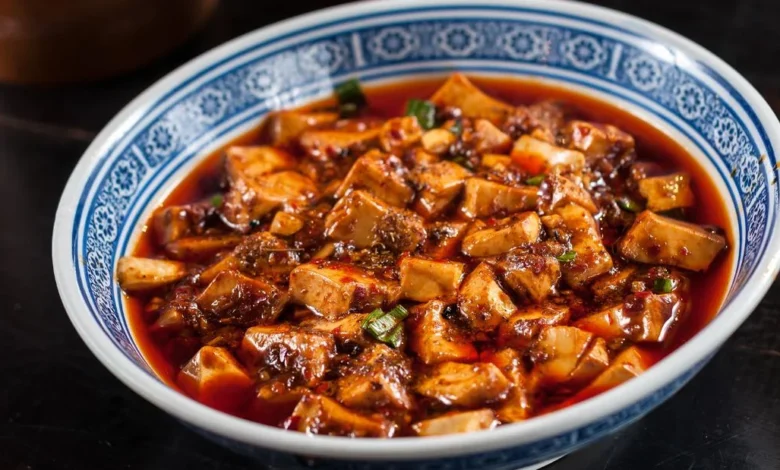
Similarly, Mapo Tofu demonstrates the Sichuanese ability to elevate humble ingredients. Using fermented broad bean paste (pixian doubanjiang) and Hanyuan peppercorns, the dish transforms soft silken tofu into a fiery, savory masterpiece. Beyond the heat, Sichuanese "water-boiling" (Shui Zhu) techniques, used for beef or fish, involve poaching proteins in a spicy oil-based broth to maintain tenderness while infusing intense aromatics. These dishes have moved from regional specialties to global icons, influencing modern fusion cooking and establishing Sichuan as a UNESCO City of Gastronomy.

Cantonese Mastery: Precision and Dim Sum Culture
In the southern province of Guangdong, the focus shifts from heavy seasoning to the preservation of the "umami" or original flavor of fresh ingredients. This is best exemplified by Cantonese Steamed Fish. The dish is a test of a chef’s technical skill; the timing must be calibrated to the second based on the fish’s weight and the stove’s intensity to ensure the flesh is flaky yet moist.
The most culturally significant contribution from this region is Dim Sum, a style of meal that emphasizes variety through small plates. From the translucent pleats of Har Gow (shrimp dumplings) to the savory-sweet Char Siu (barbecue pork), Dim Sum is more than a meal—it is a social ritual known as "yum cha" (drinking tea). The barbecue pork itself is a cornerstone of the Cantonese kitchen, requiring a precise marinade of maltose, honey, and five-spice powder to achieve its signature charred exterior and tender interior. For many, the ultimate test of Cantonese roasting is the Roast Goose, often prepared in wood-fired ovens using lychee or camphor wood to impart a delicate smokiness that complements the bird’s natural fat.
Regional Innovations: From Yunnan to Shaanxi
The diversity of China’s geography has birthed highly specific regional innovations that carry deep cultural narratives. In the mountainous southern province of Yunnan, "Cross-the-Bridge" Rice Noodles (Guoqiao Mixian) are served as a deconstructed soup. According to local legend, the dish was invented by a wife who needed to keep lunch hot for her husband studying on an island. By carrying a pot of chicken broth with a thick layer of oil on top to insulate the heat, she could cook the raw ingredients at the table.

In the west, the city of Xi’an—famed for the Terracotta Warriors—offers Rou Jia Mo, often described as the world’s oldest hamburger. Dating back to the Qin Dynasty, this street food features shredded pork belly braised for hours in a mixture of over 20 spices, tucked into a crisp, hand-toasted flatbread. The quality of the "mo" (bread) is judged by its "chrysanthemum" pattern, a sign of perfect toasting.
The Art of Preservation and Comfort
Chinese cuisine also excels in the art of preservation, a necessity born of historical winters and nomadic traditions. The Hakka people, a migratory group, perfected Mei Cai Kou Rou—braised pork belly served with dry, pickled mustard greens. The greens absorb the rendered fat from the pork, creating a rich, salty-savory balance.
On the northern coast in Tianjin, breakfast is dominated by the Jian Bing Guozi, a savory crepe made of mung bean flour, eggs, and deep-fried crisps. This dish, along with various forms of Congee (rice porridge), represents the foundational comfort of the Chinese diet. Congee, while simple, serves as a therapeutic base in Chinese medicine, often flavored with lean pork and century eggs in the south or pumpkin and millet in the north to aid digestion and restore balance to the body.

Textural Complexity and Coastal Delicacies
The eastern coastal regions, particularly Fujian and Chaozhou, prioritize texture as much as flavor. In Fujian, the "Rouyan" dumpling features a wrapper made not of flour, but of pounded pork and starch, resulting in a unique, bouncy snap. Similarly, Chaozhou is world-renowned for its Beef Balls, which are traditionally beaten by hand with iron rods to achieve a "Q-texture" (springiness) that is highly prized in Asian gastronomy.
For dessert, the use of taro and sticky rice demonstrates a preference for earthy sweetness. Fujian’s Taro Paste, made with lard and sugar, offers a silky, dense finish to a meal, while Tangyuan (sweet rice balls) filled with black sesame are a staple of festivals, symbolizing family unity and wholeness.
Broader Impact and Global Gastronomic Diplomacy
The global spread of these dishes has evolved significantly over the last two decades. While "Americanized" Chinese food once dominated the international market, there is a growing demand for authentic regionality. This shift is partly due to increased tourism to China and a more sophisticated global palate.

The economic impact of China’s food industry is substantial. According to data from the National Bureau of Statistics of China, the catering industry’s revenue has seen consistent year-on-year growth, reflecting food’s central role in the domestic economy. Furthermore, the Chinese government has increasingly used "culinary diplomacy" to project soft power, recognizing that the universal appeal of dishes like Xiaolongbao (soup dumplings) or Peking Duck can bridge cultural gaps more effectively than traditional political rhetoric.
As China continues to urbanize, the preservation of these traditional recipes remains a priority. Many of the techniques mentioned—such as the hand-beating of beef balls or the specific fermentation of Hunanese "Duo Jiao" (chopped chilies)—are now recognized as part of China’s intangible cultural heritage. For the traveler, these dishes are not merely sustenance; they are an entry point into the history, geography, and soul of one of the world’s most enduring civilizations. Understanding the "water-boiled" fish of Sichuan or the "breath of the wok" (wok hei) in a plate of fried rice is, in essence, understanding the story of China itself.