U.S. Authorities Deny Entry to Air France Flight 378 Over Potential Viral Threat Leading to Montreal Diversion

In a significant disruption to transatlantic travel, Air France flight 378, scheduled to travel from Paris-Charles de Gaulle (CDG) to Detroit Metropolitan Wayne County Airport (DTW), was denied entry into United States airspace and forced to divert to Montreal-Trudeau International Airport (YUL) on Wednesday. The diversion occurred following a direct intervention by U.S. federal authorities, who reportedly cited concerns regarding a "virus issue" involving one or more passengers on board the aircraft. The Boeing 777-200, a staple of Air France’s long-haul fleet, was mid-flight over the Atlantic when the crew was notified that the flight would not be permitted to land at its intended destination in Michigan.
The incident has triggered a complex coordination between the U.S. Centers for Disease Control and Prevention (CDC), the Department of Homeland Security (DHS), and Canadian aviation authorities. While the specific nature of the health threat remains under investigation, the event coincides with heightened global surveillance regarding the Bundibugyo ebolavirus (BDBV), a rare but severe hemorrhagic fever that has recently seen localized outbreaks in parts of East and Central Africa.
Chronology of the Diversion
Air France Flight 378 departed Paris on the morning of May 20, 2026, carrying a full manifest of passengers and crew. For the first several hours of the journey, the flight proceeded without incident. However, as the aircraft approached the North American coastline, the situation changed rapidly. According to passenger accounts and flight tracking data, the aircraft was approximately one hour away from its scheduled descent into Detroit when the cabin crew began implementing unusual safety protocols.
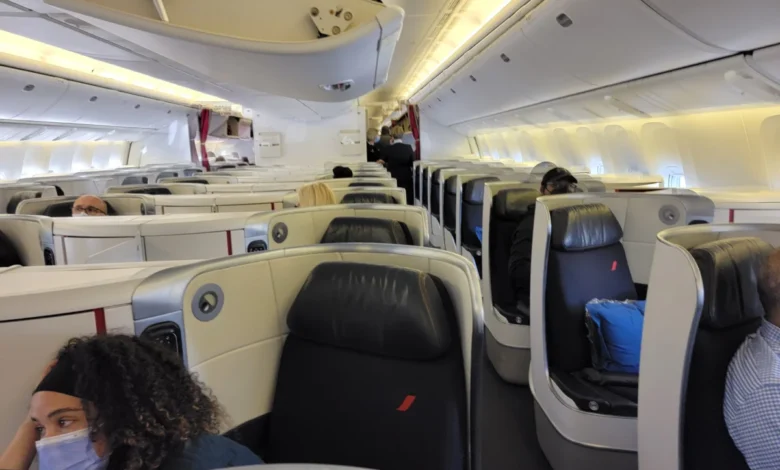
Eyewitnesses seated in the business class cabin reported that flight attendants suddenly donned surgical masks and suspended all onboard service. Shortly thereafter, the aircraft’s satellite Wi-Fi system was deactivated—a move often associated with security protocols to prevent the real-time spread of potentially sensitive information or to manage passenger communications during an emergency.
At approximately 54 minutes before the estimated arrival time in Detroit, the cockpit crew made an announcement informing passengers that U.S. authorities had refused the aircraft permission to land in the United States. The pilot reportedly informed the cabin that the diversion to Montreal was "solely at the direction of U.S. authorities" and was not due to any mechanical failure or technical issue with the Boeing 777. Passengers were instructed to remain in their seats and were told that the aircraft would wait for further instructions from Canadian health and border officials upon landing in Montreal.
The Onboard Atmosphere and Passenger Reports
The sudden shift in protocol created an atmosphere of uncertainty among the travelers. One passenger, documenting the event on social media, noted that the crew’s decision to wear masks prompted several passengers to follow suit. "The FA [flight attendant] mentioned something about a virus and they have masks on," the passenger shared via a mobile device before the Wi-Fi was disconnected. "Most likely [passengers are putting on masks] because the crew suddenly all have them on."
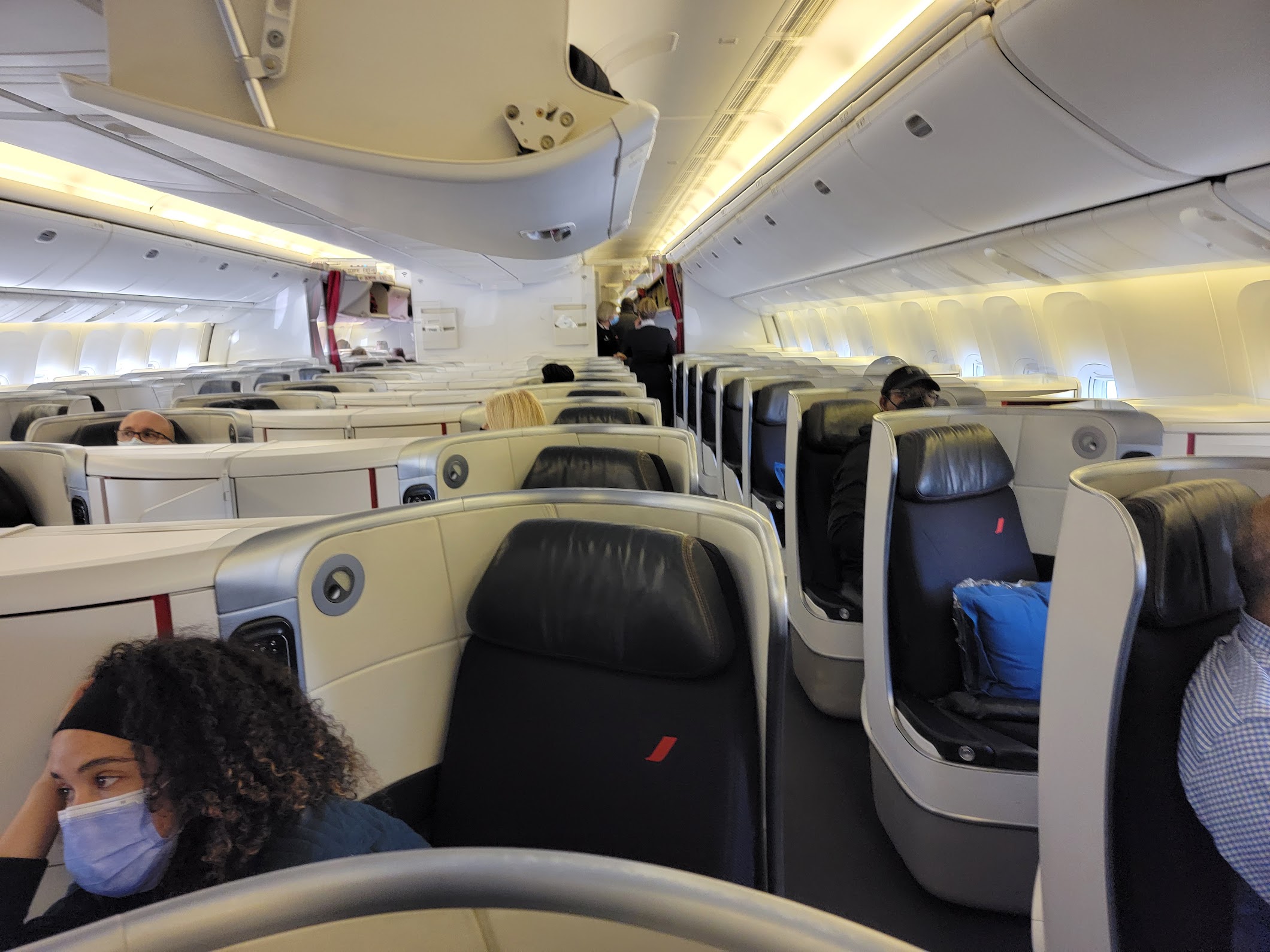
The suspension of the pre-arrival meal service in the business class cabin further signaled the urgency of the situation. Once the aircraft touched down in Montreal, it was directed to a remote area of the tarmac, away from the main terminal gates. This "hard stand" positioning is standard procedure for aircraft suspected of carrying biological or infectious threats, allowing authorities to isolate the vessel while health screenings are conducted.
The Public Health Context: Bundibugyo and Ebola Surveillance
While Air France and U.S. Customs and Border Protection (CBP) have yet to release a detailed manifest analysis, the diversion occurs against a backdrop of strict new travel regulations. Earlier this week, the CDC issued a Title 42-style public health order, implementing "enhanced travel screening, entry restrictions, and public health measures" aimed at preventing the introduction of Ebola-related viruses into the United States.
The focus of this recent alert is the Bundibugyo virus, a species within the Ebolavirus genus. First identified in 2007 in the Bundibugyo District of Uganda, the virus causes symptoms similar to other Ebola species, including high fever, muscle pain, internal and external bleeding, and organ failure. While it has a lower mortality rate than the Zaire ebolavirus, it remains a Tier 1 select agent due to its potential for high morbidity and rapid spread in clinical settings.
The CDC and DHS have been coordinating with international partners to monitor travelers who have recently visited the Democratic Republic of the Congo (DRC) and Uganda. The current protocol requires airlines to provide detailed passenger manifest data to the CDC’s Division of Global Migration and Quarantine (DGMQ) before arrival. It is suspected that a discrepancy in this data, or the late identification of a passenger who met the "high-risk" criteria, may have triggered the refusal of landing rights for AF378.
Legal and Regulatory Framework for Airspace Denial
The decision to bar an aircraft from U.S. airspace or landing is a significant diplomatic and operational move. Under international aviation law, specifically the Chicago Convention, sovereign states have the right to regulate the entry of aircraft into their territory for reasons of public safety and health.
In this instance, the U.S. government appears to have exercised its authority under the Public Health Service Act. By refusing the aircraft entry into Detroit, the CDC effectively shifted the burden of quarantine and screening to Canadian authorities. This has raised questions regarding the "airspace" versus "landing" distinction. While some reports suggested the aircraft was banned from U.S. airspace entirely, flight path data indicated that AF378 did cross over portions of Maine during its approach to Montreal. This suggests that while the flight was permitted to transit through certain corridors, it was specifically barred from the "port of entry" in Detroit, likely because the necessary quarantine facilities or specialized CDC screening teams were not immediately available at that location.
Implications for International Aviation and Border Policy
The diversion of Air France 378 highlights the ongoing tension between global mobility and biosecurity. In the post-COVID-19 era, the threshold for rerouting international flights due to health concerns has notably lowered. The use of "enhanced screening" often involves checking travel histories for the previous 21 days—the standard incubation period for hemorrhagic fevers.
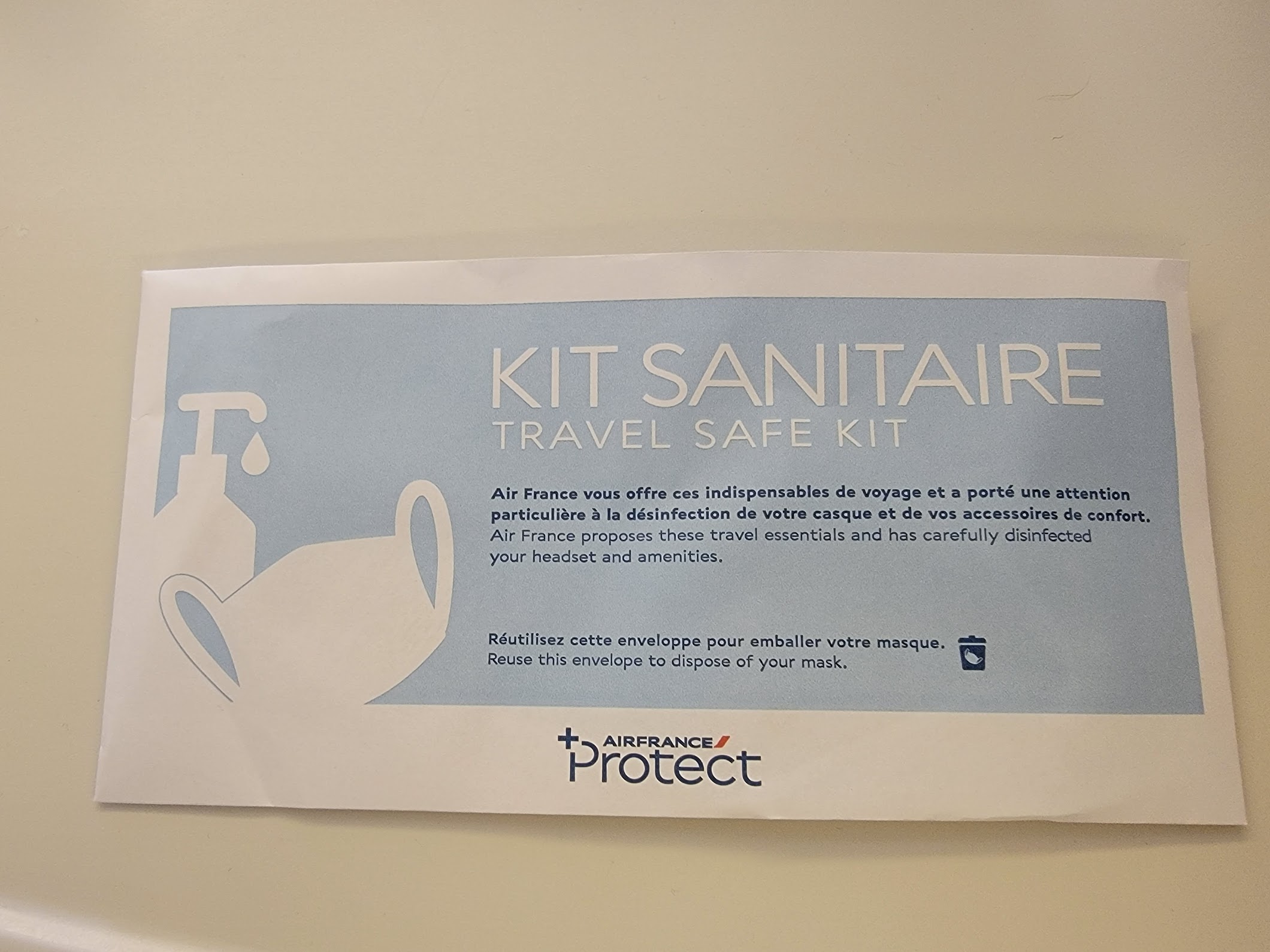
For Air France, the diversion represents a significant operational cost, involving fuel dumping, landing fees at Montreal-Trudeau, and the subsequent logistics of re-routing the aircraft and its passengers. Initial reports suggest that Air France intends to operate the aircraft from Montreal to Detroit once Canadian health officials have cleared the manifest and the U.S. authorities grant a waiver for the final leg of the journey. However, this process can take several hours or even days, depending on whether any passengers require clinical testing.
Official Responses and Next Steps
As of Wednesday evening, Air France has maintained a cautious stance, stating that the safety of its passengers and crew is its primary priority and that it is cooperating fully with all government agencies. A spokesperson for the airline confirmed the diversion but declined to elaborate on the specific medical status of any individual on board, citing privacy regulations.
The CDC released a general statement on Tuesday regarding the broader Ebola response, noting: "We are coordinating testing, contact tracing, border screening, and PPE distribution in response to outbreaks in Central Africa. Our priority is to identify and isolate potential cases before they enter high-density transit hubs."
Canadian health authorities in Montreal have mobilized a specialized quarantine unit to meet the aircraft. Passengers are expected to undergo individual health assessments, including temperature checks and travel history interviews. If a passenger is found to be symptomatic or confirmed to have been in high-risk contact with the Bundibugyo virus, they will likely be transported to a specialized biocontainment unit in Quebec, while the remaining passengers may face mandatory monitoring.
Conclusion
The incident involving Air France Flight 378 serves as a stark reminder of the complexities of modern air travel in an age of emerging viral threats. The rapid response by U.S. authorities to redirect a wide-body aircraft mid-flight underscores the seriousness with which federal agencies are treating the current Ebola-related alerts. As the situation in Montreal unfolds, the aviation industry will be watching closely to see how health protocols and border security measures continue to evolve to meet the challenges of global infectious disease management. For the passengers currently grounded in Montreal, the wait continues as two nations coordinate the safest path forward for a flight that was less than an hour from its destination.