Sony to Implement Significant Feature Reductions on Select Bravia Smart TVs Affecting Antenna and Set-Top Box Users by Late May 2026.

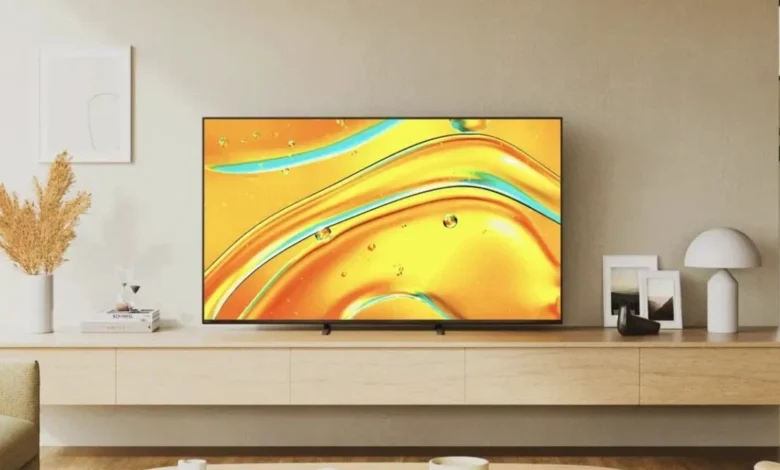
Sony, a global leader in consumer electronics, has announced upcoming changes to the functionality of several of its recent Bravia smart TV models, specifically targeting features utilized by consumers relying on traditional antenna reception for over-the-air (OTA) broadcasts and those who interface with external set-top boxes. These modifications, slated to take effect in late May 2026, are poised to diminish the user experience for a segment of the brand’s loyal customer base, prompting discussions about the evolving landscape of television consumption and manufacturers’ strategic priorities.
The core of Sony’s impending alterations revolves around the Electronic Program Guide (EPG) for antenna users and the operational interface for set-top box users. According to a support page published by Sony and subsequently highlighted by industry observers like Cord Cutters News, antenna users will experience a significantly reduced TV guide. This reduction implies that "program information may not appear depending on the channel," and critically, "only programs from recently watched channels may be shown" for content received via an antenna. Furthermore, the visual richness of the EPG will be curtailed, with the removal of channel logos and thumbnail images from program descriptions, elements that have long contributed to ease of navigation and content identification.
For users connecting external set-top boxes – devices commonly used for cable, satellite, or dedicated streaming services – Sony will discontinue the dedicated menu previously tailored for these inputs. It will be replaced by a more generic "control menu." While ostensibly designed for simplification, this shift is widely anticipated to result in fewer functionalities and a less integrated experience for set-top box users, potentially impacting advanced control features or seamless integration with the TV’s operating system.
A broader change affecting all impacted models involves the removal of thumbnail images from the integrated TV menu. This means that the Google TV operating system (OS), which typically aggregates content from various sources including OTA broadcasts, free ad-supported streaming television (FAST) channels, and other live streaming services, will no longer display these visual previews. Thumbnail images are a crucial component of modern EPGs, serving as quick visual cues for identifying shows, movies, and events, and their absence is likely to make browsing less intuitive and engaging.
Sony’s official communication regarding these changes, primarily delivered through a support page, includes a brief statement: "We appreciate your understanding and apologize for any inconvenience this may cause." However, the company has not provided a detailed explanation for the rationale behind these feature removals. Ars Technica, a prominent technology publication, reported reaching out to Sony for clarification but did not receive a response prior to their initial publication. This lack of transparency has left consumers and industry analysts to infer the underlying motivations for what appears to be a strategic deprecation of functionality.
The specific Bravia TV models affected by these changes are detailed on Sony’s official support website. Consumers owning recent Sony smart TVs are advised to consult this dedicated support page to ascertain whether their particular model will be impacted and to understand the full scope of the impending alterations.
The Shifting Landscape of Television Consumption: A Contextual Analysis
Sony’s decision arrives at a pivotal moment in the history of television consumption, a period characterized by rapid technological evolution and profound shifts in viewer behavior. For decades, traditional broadcast television, accessed via antennas, and cable/satellite services, often managed through set-top boxes, were the dominant modes of content delivery. The Electronic Program Guide, in various iterations, became an indispensable tool for navigating the burgeoning number of channels. From simple text-based listings in the early days to the rich, interactive, and visually enhanced EPGs we see today, these guides have played a critical role in user experience.
However, the advent and subsequent explosive growth of internet-based streaming services have fundamentally reshaped the media landscape. Platforms like Netflix, Hulu, Disney+, Amazon Prime Video, and a myriad of others have accustomed viewers to on-demand content, personalized recommendations, and sophisticated user interfaces that often feature rich metadata, high-resolution thumbnails, and detailed program descriptions. This paradigm shift has propelled smart TVs, integrated with operating systems like Google TV, Android TV, webOS, and Tizen, to the forefront of home entertainment. These platforms are designed to seamlessly integrate streaming apps, offer universal search capabilities, and often prioritize internet-delivered content over traditional broadcast or physical media.
Despite the pervasive trend towards streaming, traditional methods of television viewing retain a significant, albeit diminishing, user base. Over-the-air (OTA) broadcasting, for instance, remains a vital source of free, local news, sports, and entertainment for millions. Cord-cutters, who have abandoned expensive cable subscriptions, frequently rely on an antenna to access local channels, supplementing this with various streaming services. For many, particularly in rural areas or those seeking to minimize monthly expenses, OTA broadcasting is an essential service. The provided data from Horowitz Research indicates that 19 percent of 2,200 US adults surveyed in 2025 still utilize an antenna, underscoring its continued relevance.
Similarly, set-top boxes, while facing competition from smart TV apps, continue to be the primary interface for a substantial number of households. Cable and satellite providers still serve millions of subscribers, and their proprietary set-top boxes often offer advanced DVR functionalities, on-demand libraries, and a consistent user experience that some viewers prefer. Hub Entertainment Research’s 2024 survey of 1,600 US TV viewers found that 26 percent considered a set-top box their "default device for watching TV." This indicates a considerable segment of the population for whom these devices are integral to their daily viewing habits.
Analyzing Sony’s Potential Motivations: A Strategic Pivot?
While Sony has maintained silence on the precise reasons for these feature removals, several plausible explanations can be inferred from current industry trends and business strategies.
-
Resource Reallocation and Cost Optimization: Maintaining and updating features for declining usage patterns can be resource-intensive. Electronic Program Guide (EPG) data often requires licensing agreements with third-party providers, and integrating and displaying this data, along with channel logos and thumbnails, demands ongoing software development, server infrastructure, and maintenance. By deprecating these features, Sony could be aiming to reduce operational costs, streamline its software development efforts, and reallocate engineering resources towards functionalities that cater to the majority of its user base, primarily streaming services. This aligns with a broader industry trend where manufacturers are increasingly focusing on features that drive engagement with their integrated smart TV platforms and potentially generate revenue through advertising or content partnerships.
-
Strategic Emphasis on Streaming and Google TV Ecosystem: Sony’s Bravia TVs largely run on the Google TV operating system, which is inherently designed to prioritize and integrate streaming content. By reducing the prominence and functionality of traditional broadcast and set-top box interfaces, Sony might be subtly encouraging users to transition more fully into the Google TV ecosystem and its vast array of streaming applications. This strategy could be driven by a desire to align more closely with Google’s vision for the platform, or to consolidate user experiences around internet-delivered content, where future revenue opportunities (e.g., ad impressions on FAST channels, app subscriptions) are perceived to be greater.
-
Simplification and Backend Modernization: It’s possible that the existing architecture supporting these legacy features is complex or outdated. Simplifying the codebase and user interface might be part of a larger backend modernization effort. While this could lead to a less dense menu, as suggested, it also implies a move away from maintaining robust support for older or less frequently used functionalities. The "control menu" replacement for set-top boxes might be a standardized, simpler interface that reduces the need for custom integration for various external devices.
-
Data-Driven Decisions: Smart TV manufacturers collect vast amounts of anonymized usage data. It is highly probable that Sony’s internal data indicates a significant decline in the active usage of advanced EPG features for OTA channels and specific functionalities for set-top boxes, especially when compared to the engagement levels with streaming applications. This data-driven insight could inform decisions to sunset features that, while valued by a minority, do not justify the ongoing investment for the broader user base.
Impact on Consumers and Broader Implications
The implications of Sony’s decision are multi-faceted and will primarily affect specific demographics of television viewers:
- Cord-Cutters and Budget-Conscious Viewers: For individuals who have actively chosen to cut the cord from cable or satellite and rely on free OTA broadcasts for essential content, the reduced EPG will be a significant downgrade. The loss of comprehensive program information, channel logos, and thumbnail images will make discovering and navigating content more cumbersome, potentially diminishing the appeal of free television.
- Rural and Underserved Populations: In many rural areas, high-speed internet access may be limited or unreliable, making streaming a less viable primary option. For these communities, OTA broadcasts are often the most stable and accessible source of television. A degraded EPG experience could disproportionately affect these viewers.
- Users Valuing Traditional TV Experience: A segment of consumers still prefers the linear, channel-surfing experience offered by traditional TV. The loss of visual cues and detailed program information will make this experience less enjoyable and efficient, pushing them further towards streaming interfaces.
- Brand Perception and Customer Loyalty: While the changes are still two years away, the announcement itself could impact Sony’s brand perception, particularly among its loyal customer base who invested in Bravia TVs for their comprehensive feature sets. Such decisions, even if driven by strategic business goals, can lead to dissatisfaction and questions about long-term product support.
From a broader industry perspective, Sony’s move could signal a trend. As smart TV manufacturers increasingly operate on razor-thin margins for hardware, the focus shifts to software, services, and the monetization of user engagement within their integrated ecosystems. This could mean that other manufacturers might follow suit, gradually diminishing support for traditional broadcast features in favor of a streaming-centric experience. The future of "free" television, even when integrated into smart TVs, might become less user-friendly as manufacturers prioritize their proprietary platforms or partnerships with streaming providers.
Expert and User Perspectives
While Sony has not provided an official explanation, industry analysts might interpret this move as a pragmatic, albeit potentially unpopular, step towards aligning product development with market realities. "In an era where streaming dominates, maintaining robust support for declining technologies can be a drain on resources," an inferred industry analyst might comment. "Manufacturers are increasingly looking for ways to streamline operations and focus on where the majority of their users are headed – which is overwhelmingly towards internet-delivered content."
User reactions, especially closer to the 2026 implementation date, are likely to be mixed. Many users, already accustomed to streaming, might not even notice the changes if they rarely use OTA or set-top box features. However, the dedicated users of these functionalities are likely to express frustration. Online forums and social media channels could see an uptick in complaints regarding the removal of features that were once a standard expectation for a premium smart TV. Consumers who specifically chose Sony Bravia TVs for their comprehensive support of various input sources might feel that their investment has been devalued.
Looking Ahead
The impending changes to Sony Bravia TVs serve as a tangible reminder of the ongoing evolution within the home entertainment sector. The transition away from traditional broadcast and physical media towards a predominantly streaming-first environment is not merely a shift in content delivery but also a redefinition of user expectations and manufacturer priorities. While the "late May 2026" timeline provides users with a substantial lead time to adapt, it also underscores a clear strategic direction from Sony: a future where the smart TV’s primary role is to be a gateway to the internet’s vast content libraries, potentially at the expense of comprehensive support for older, albeit still relevant, modes of television consumption. Consumers considering new TV purchases will increasingly need to factor in not just the initial feature set, but also the long-term support and strategic direction of the manufacturer regarding diverse content sources.