The Ethics of Air Travel and Parenting Debated After Father Places Children in First Class While Seated in Economy

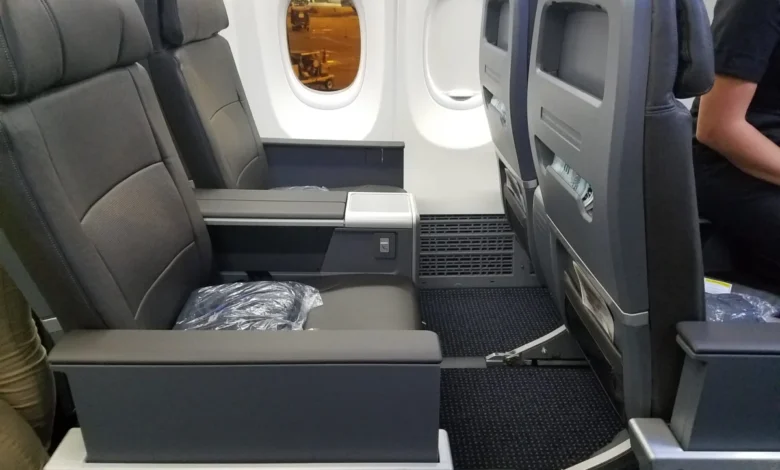
The traditional dynamics of luxury air travel were recently upended when a social media report surfaced detailing a father’s decision to book his two young daughters in first class while he remained in the economy cabin. The incident, which took place on a five-hour flight in October 2024, has ignited a global conversation regarding airline etiquette, parenting philosophies, and the growing trend of passengers attempting to leverage seat assignments for unofficial upgrades. Unlike the more common controversy where parents enjoy premium amenities while their children sit in the rear of the aircraft, this role reversal has introduced new questions about the responsibilities of guardians and the expectations of fellow travelers.
The Chronology of the Incident
On October 11, 2024, a passenger identified on social media as @the_P_God documented a series of events that occurred during a medium-haul flight lasting approximately five hours. According to the witness, a male passenger had arranged for his two young daughters to be seated in the first-class cabin. The father, however, held a ticket for a seat in the economy section.
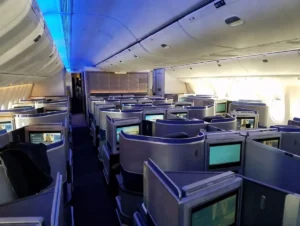
Shortly after boarding was completed, the father reportedly entered the first-class cabin and began approaching passengers who had paid for or been upgraded to premium seats. His request was consistent: he asked if any first-class passenger would be willing to switch seats with him, moving to his economy seat so that he could sit adjacent to his children in the front of the plane.
The witness noted that the request was met with skepticism and frustration by those in the premium cabin. The flight, being five hours in duration, represented a significant investment in comfort for those who had secured first-class tickets. The father’s maneuver was interpreted by many as an attempt to bypass the high cost of a first-class ticket while ensuring he could still enjoy the amenities under the guise of parental supervision.
A Reversal of Historical Parenting Trends in Aviation
The scenario described stands in stark contrast to long-standing debates regarding "class-separated" family travel. Historically, news stories and viral posts have focused on wealthy parents who choose to fly in first or business class while relegated their children—and sometimes their spouses—to coach.
In such cases, parents often justify the separation as a "life lesson." The logic, frequently cited by high-net-worth individuals, is that children should not grow accustomed to luxury they have not earned. This "meritocratic" approach to parenting is designed to instill a sense of ambition and "hunger" in the next generation. A notable historical parallel is the philosophy of the late Ace Greenberg, former chairman of Bear Stearns, who famously sought to hire individuals he described as "P.S.D.s"—Poor, Smart, and with a deep Desire to become rich.
However, the October 2024 incident flipped this narrative. By placing the children in first class and himself in the back, the father bypassed the "life lesson" argument. Critics suggest this strategy may have been a calculated "social engineering" attempt. By placing vulnerable children in a premium cabin alone, the parent creates a situation where flight attendants or fellow passengers feel obligated to intervene or accommodate the parent to ensure the children are supervised.
Airline Policies and Safety Regulations
The incident raises significant questions regarding airline safety and the definition of "unaccompanied minors." Most major carriers, including Delta, United, and American Airlines, have specific policies regarding children traveling in different cabins from their guardians.
Generally, airlines require that children under a certain age—often 12 or 15—be seated in the same cabin as an accompanying adult. If a child is seated in a different cabin, they may technically be classified as an "unaccompanied minor," a status that usually requires a mandatory fee and specific supervision by airline staff.
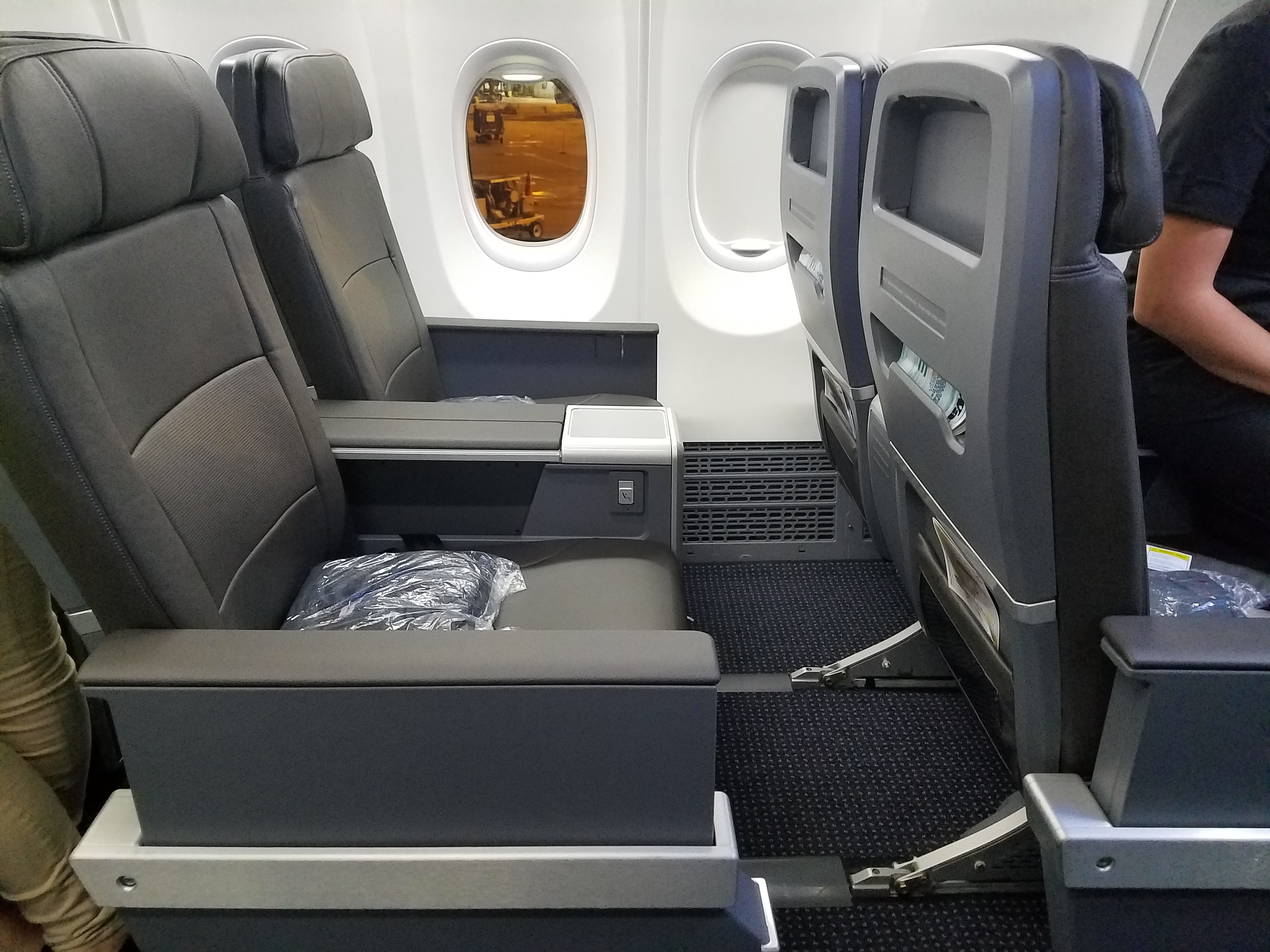
The logistics of the October flight suggest a potential lapse in the enforcement of these policies during the booking or boarding process. If the children were of a young age, their presence in a separate cabin without a guardian could pose safety risks during turbulence or emergencies, as the parent would be unable to reach them quickly through the curtain divider and crowded aisles.
Data and Trends: The Rise of the "Seat-Swap" Request
The father’s request for a seat swap is part of a broader, documented increase in passenger friction regarding seating assignments. According to data from various travel consumer advocacy groups, "seat-swap" requests have become one of the top grievances among frequent flyers in the post-pandemic era.
- The Cost Differential: On a five-hour domestic flight in the United States, the price difference between an economy seat and a first-class seat can range from $400 to over $1,200. Requesting a swap, therefore, is not merely a request for a favor; it is a request for a stranger to forfeit a significant financial asset.
- The Guilt Factor: Social media analysis suggests that travelers are increasingly using children as "leverage" to secure better seats. By booking separate seats and then presenting a "split family" problem to fellow passengers, travelers hope that the social pressure of keeping a family together will compel someone to move.
- Flight Attendant Burden: Industry reports from flight attendant unions indicate that cabin crews are increasingly forced to act as mediators in these disputes, which can delay departures and distract from safety duties.
Psychological and Social Implications
From a psychological perspective, the decision to place children in a higher class of service than the parent is an anomaly. Dr. Elizabeth Segran, a researcher in consumer behavior, notes that luxury experiences are typically viewed as rewards for adult labor.
"When a parent puts a child in a premium space and remains in a lower-tier space, it disrupts the traditional hierarchy of the family," Segran observes. "It also places a burden on the surrounding community—in this case, the other first-class passengers—who are forced to either participate in the child’s care or feel guilty for denying the parent’s request."
Furthermore, the "freedom to fail" argument is often cited in high-achieving circles. Parents want to provide their children with enough support to take risks but not so much comfort that they become complacent. Placing children in first class while the parent sits in economy could be interpreted as the ultimate "safety net" parenting, though in the context of an airline cabin, it appears more as a logistical gambit than a developmental strategy.
Public Reaction and Ethical Analysis
The reaction to the October 11 report was overwhelmingly critical of the father’s actions. On platforms such as X (formerly Twitter) and Reddit, commenters argued that if a parent deems it necessary to be next to their children, the onus is on the parent to book the appropriate seats in advance.
One frequent flyer commented, "The entitlement is staggering. You don’t get to buy the cheapest seat and the most expensive seat and then expect a stranger to subsidize your family time by moving to the back of the bus."
Ethicists point out that the "social contract" of the airplane cabin relies on passengers respecting the boundaries of the seats they purchased. When a passenger initiates a swap request that involves a downgrade for the other party, it violates the principle of reciprocal fairness. In this specific case, the father was asking a passenger to accept a significantly inferior product (economy) for a superior one (first class) without financial compensation.
Implications for the Travel Industry
As this story continues to circulate, it may prompt airlines to tighten their seating and cabin policies. Potential changes could include:
- Automated Blocking: Booking systems that prevent minors from being assigned seats in a different cabin than the adults on the same reservation.
- Stricter In-Flight Policies: Empowering flight attendants to deny seat-swap requests that involve moving between cabins, thereby protecting the integrity of the premium product.
- Enhanced Unaccompanied Minor Fees: Applying these fees to any child not seated in the same cabin as their guardian, regardless of whether the guardian is on the same aircraft.
The incident serves as a modern parable of the complexities of air travel in an era of high costs and social media scrutiny. While the father may have viewed his actions as a clever way to provide for his children or a potential "hack" to get himself into first class, the public consensus suggests that such maneuvers are increasingly viewed as a breach of travel etiquette. As the aviation industry continues to evolve, the balance between family needs and passenger rights remains a contentious frontier.