United CEO Scott Kirby Proposes Unprecedented Acquisition of American Airlines to the Trump Administration

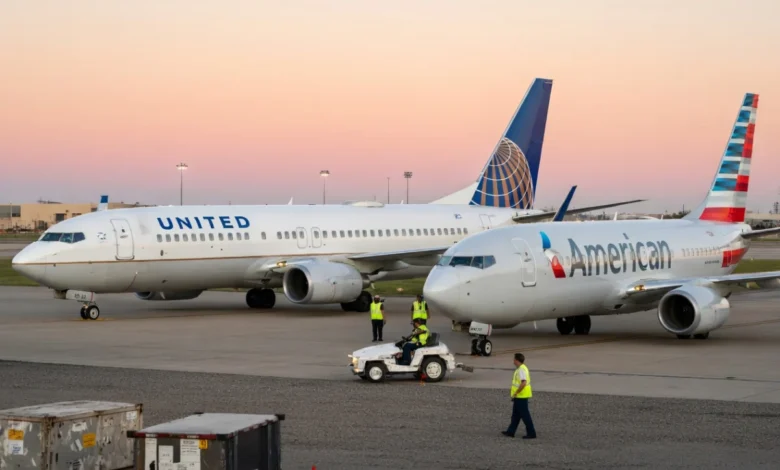
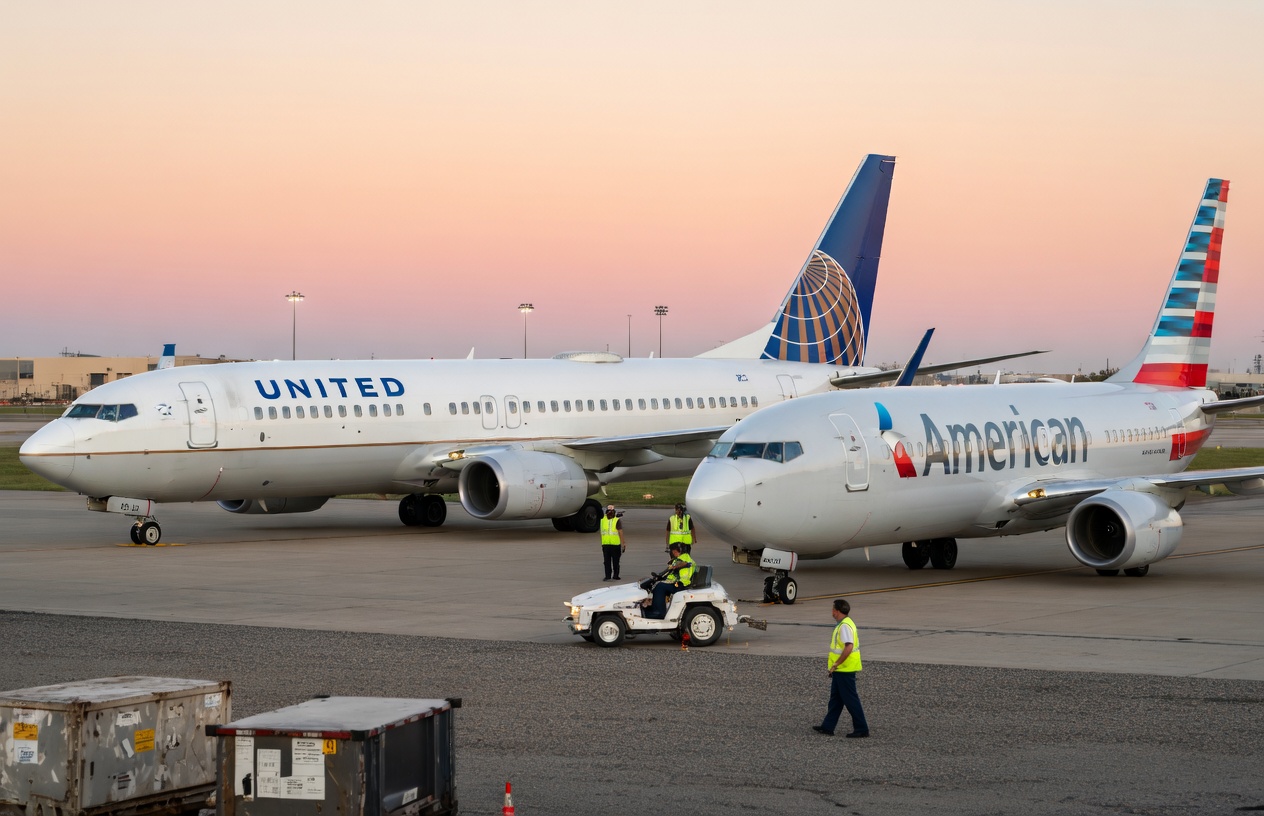
In a move that could fundamentally reshape the global aviation landscape, United Airlines Chief Executive Officer Scott Kirby has reportedly approached the Trump administration to pitch a merger or acquisition of American Airlines. The proposal, which was allegedly discussed in a direct meeting with President Donald Trump, represents one of the most ambitious and controversial consolidation efforts in the history of commercial flight. If realized, the deal would merge two of the "Big Three" legacy carriers in the United States, creating a dominant global titan with unparalleled control over domestic and international routes.
The proposal comes at a pivotal moment for the airline industry, which is grappling with shifting consumer demands, volatile fuel prices, and a regulatory environment that has historically been hostile toward massive consolidation. While the technical and legal hurdles are significant, Kirby’s pitch suggests a belief that a combined United-American entity could solve systemic inefficiencies within the current market, particularly regarding American Airlines’ recent strategic struggles.
The Historical Context: Scott Kirby’s Arc from American to United
The narrative surrounding this potential acquisition is deeply intertwined with the career of Scott Kirby himself. Kirby served as the President of American Airlines until 2016, when he was abruptly terminated by then-CEO Doug Parker. Within days, Kirby was hired as the President of United Airlines, eventually ascending to the CEO position. During his tenure at United, Kirby has been credited with a massive strategic pivot, moving the airline away from a focus on cost-cutting and toward a "premium-heavy" growth model known as "United Next."
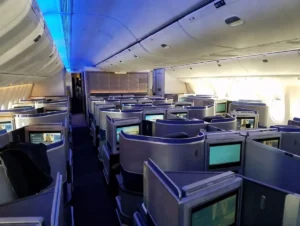
Under Kirby’s leadership, United has invested billions in new aircraft, upgraded cabin interiors, and expanded its international network to include several "long-tail" destinations that other U.S. carriers avoid. In contrast, American Airlines has spent much of the last decade navigating a different path. Following its merger with US Airways in 2013, American focused heavily on domestic connectivity and cost containment, often positioning itself to compete with low-cost carriers like Spirit and Frontier. This divergence in strategy has led to a widening gap in financial performance and brand perception between the two carriers.
The Strategic Rationale: Solving American’s "Core Problem"
Industry analysts have long pointed to a lack of clear identity at American Airlines. While Delta Air Lines and United Airlines have successfully captured the high-yield premium market, American has struggled to define its value proposition. For years, the carrier scaled back its "soft product"—the amenities, catering, and service elements that define the passenger experience—and reduced the number of premium seats on its narrow-body fleet.
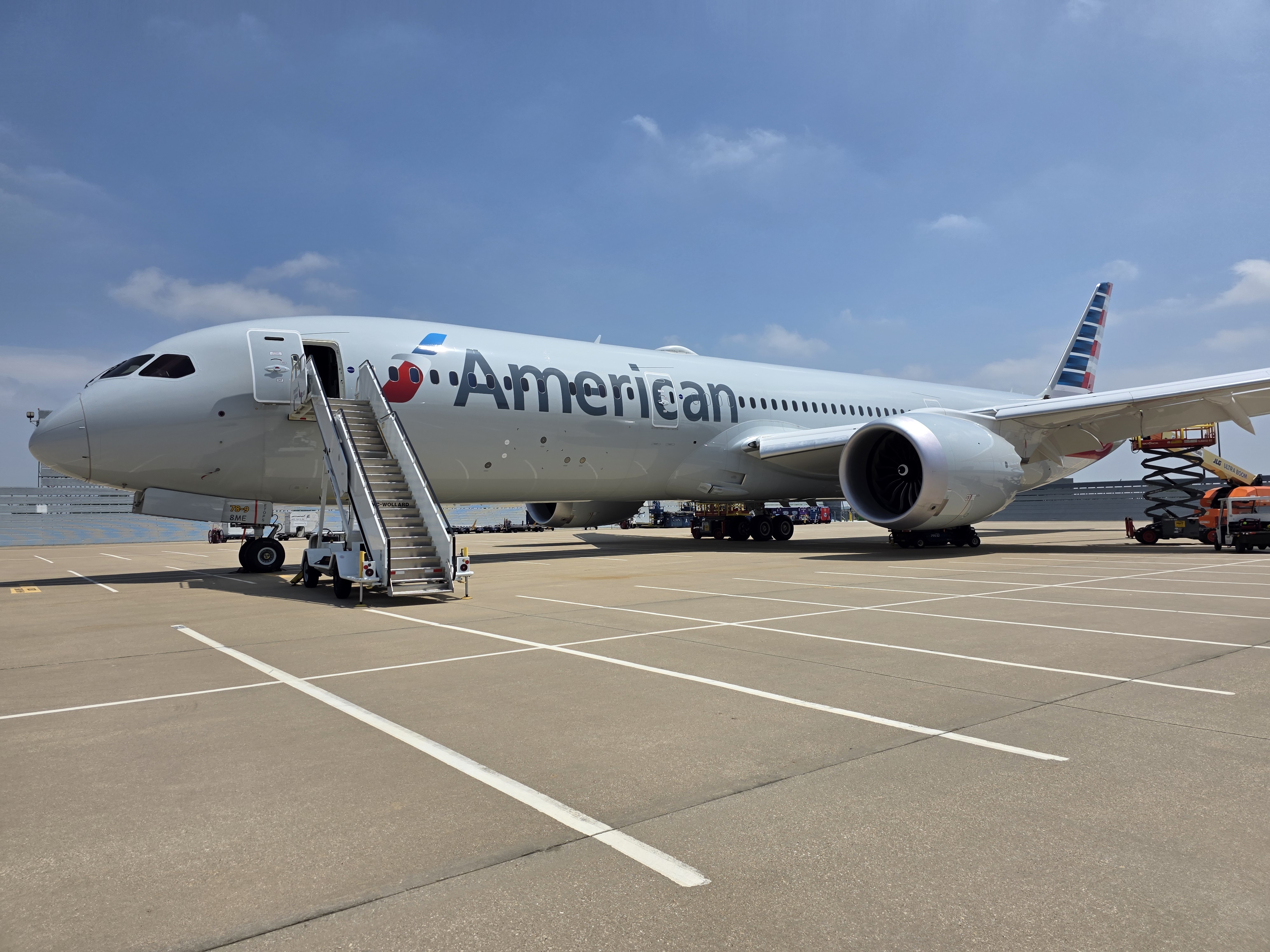
A takeover by United would represent a total shift in philosophy for American’s assets. United’s current leadership argues that American possesses incredible infrastructure and personnel that have been underutilized. By integrating American’s vast Sunbelt network—centered on hubs in Dallas/Fort Worth, Charlotte, and Miami—into United’s premium-focused ecosystem, Kirby likely believes he can extract significantly higher revenue from American’s existing customer base.
Furthermore, a merger would address a critical fleet imbalance. During the COVID-19 pandemic, American Airlines made the strategic decision to simplify its fleet by retiring several aircraft types, including the Boeing 757, Boeing 767, and Airbus A330. While this reduced short-term maintenance costs, it left the airline with a shortage of widebody aircraft just as international travel demand surged. United, conversely, has one of the largest widebody order books in the world, with hundreds of Boeing 787s and Airbus A350s slated for delivery. A combined airline could redistribute these assets to optimize long-haul routes that American currently lacks the hardware to fly.
Regulatory and Antitrust Challenges
Despite the potential synergies, any attempt to merge United and American would face an uphill battle with federal regulators. The U.S. Department of Justice (DOJ) and the Department of Transportation (DOT) have historically viewed large-scale airline mergers with skepticism, citing concerns over reduced competition and higher fares for consumers.
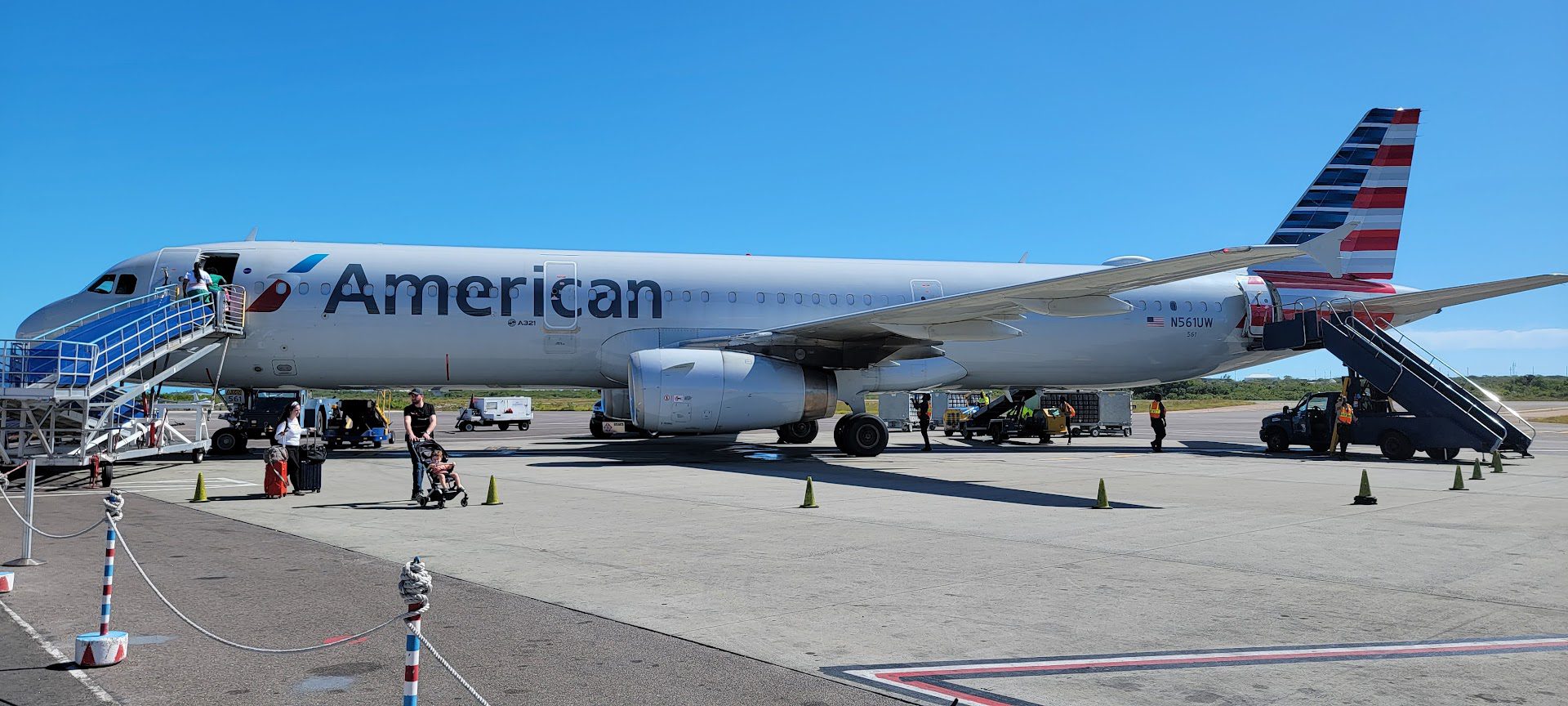
The "Big Four" carriers—American, United, Delta, and Southwest—currently control roughly 80% of the U.S. domestic market. Reducing that number to three would create a level of concentration not seen in decades. Specifically, regulators would likely focus on "fortress hubs" where the two airlines overlap. In Chicago, for instance, both United and American operate massive hubs at O’Hare International Airport. A merger would give a single entity nearly total control over one of the world’s busiest aviation gateways.
To gain approval, United would likely be forced to undergo significant divestitures. This could include surrendering landing slots and terminal gates at capacity-constrained airports such as New York’s LaGuardia and John F. Kennedy International, Los Angeles International (LAX), and Washington’s Reagan National (DCA). Even with such concessions, the impact on smaller regional markets could be profound, as a combined carrier might choose to eliminate redundant routes between mid-sized cities.
Impact on Global Alliances and Loyalty Programs
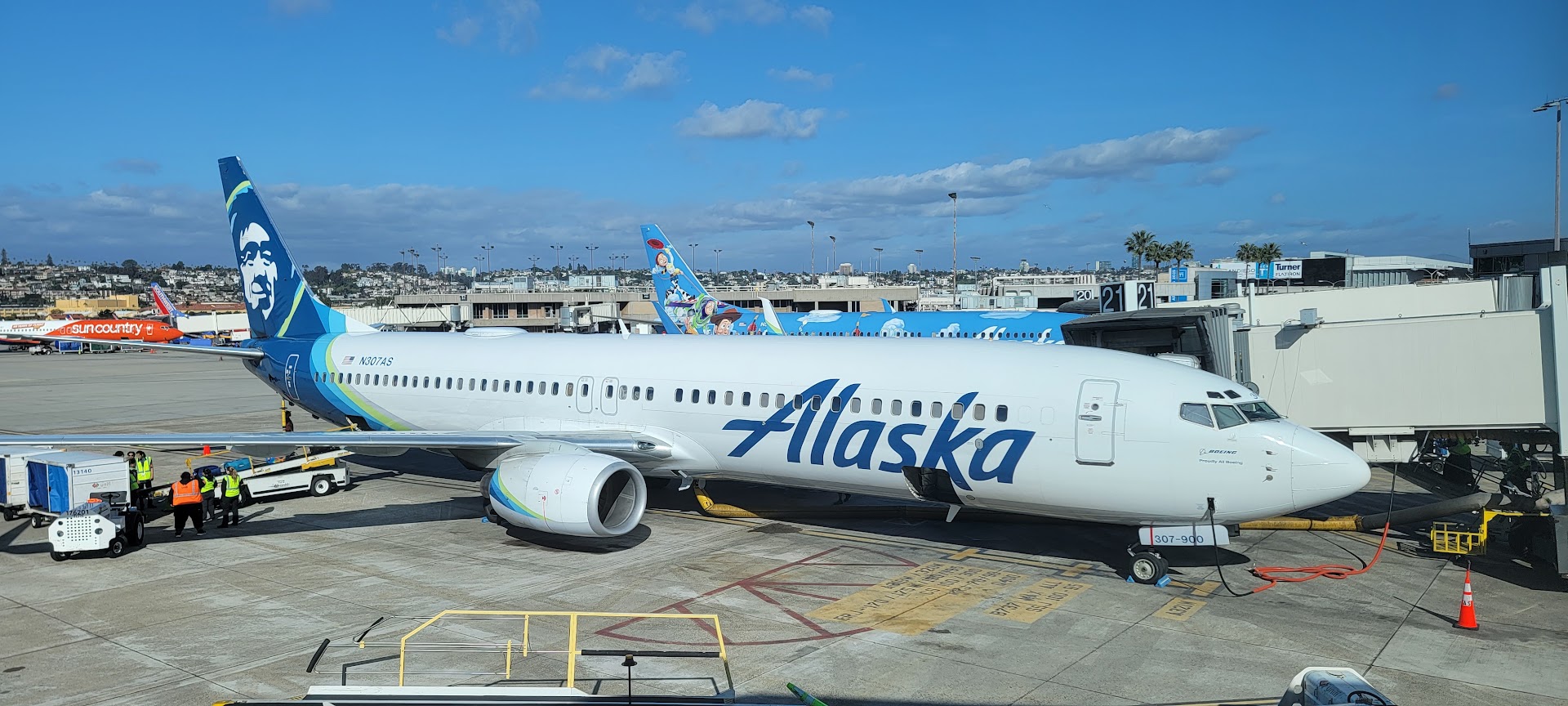
The implications of a United-American merger extend far beyond the borders of the United States. Currently, American Airlines is a founding member of the oneworld alliance, while United is a cornerstone of the Star Alliance. A merger would necessitate American’s departure from oneworld, a move that would leave that alliance without a major U.S. partner outside of Alaska Airlines.
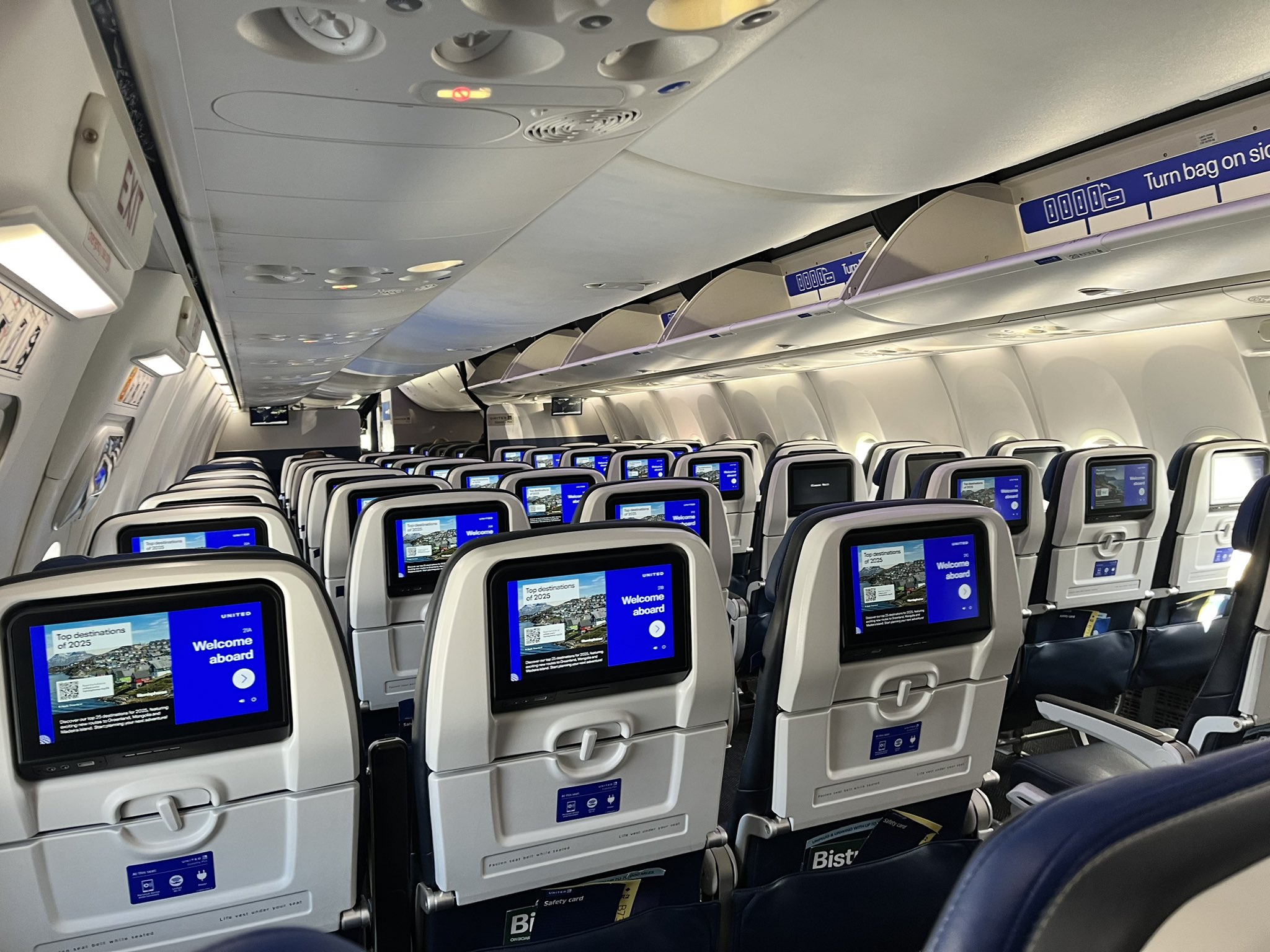
For passengers, the transition would be complex. American’s AAdvantage program is widely considered one of the most consumer-friendly loyalty programs remaining in the industry, having maintained a traditional distance-based earning structure longer than its peers. United’s MileagePlus, meanwhile, has moved toward a spend-based model and has been aggressive in devaluing miles for international award redemptions.
However, there would be benefits for elite frequent flyers. United’s "Million Miler" program offers more robust lifetime benefits than American’s current offerings. For example, a passenger with four million lifetime miles on United receives "Global Services" status—the airline’s highest invitation-only tier—whereas a four-million miler on American receives "Platinum Pro," a mid-to-high tier but not the top-level Executive Platinum or Concierge Key status.
Economic and Labor Considerations
A merger of this scale would involve the integration of hundreds of thousands of employees, including pilots, flight attendants, and mechanics. Seniority list integration is historically the most contentious aspect of any airline merger, often leading to years of labor unrest. Both United and American have recently signed record-breaking contracts with their respective pilot unions, and harmonizing these agreements would be a multi-billion dollar undertaking.

From a geographic standpoint, the merger would create "winners and losers" among hub cities. Dallas/Fort Worth (DFW) would likely remain a primary gateway due to its massive scale and central location. However, United’s hub in Houston (IAH) could see a reduction in service as the airline prioritizes the more profitable DFW operation. Similarly, Phoenix (PHX), a legacy US Airways hub for American, might be viewed as redundant given United’s strong presence in Denver and Los Angeles.
The Political Calculus
The fact that Kirby pitched this deal directly to the Trump administration suggests a belief that the current political climate may be more amenable to large-scale corporate consolidation than previous administrations. President Trump has frequently championed "national champions"—large American companies capable of competing aggressively on the global stage against state-sponsored carriers from the Middle East and Asia.
However, the administration must also weigh the populist concerns of its base. Rising airfares and reduced service to rural areas are politically sensitive issues. If a merger is perceived as harmful to the "forgotten man" in middle America by reducing flight options or increasing costs, the political will to approve the deal could evaporate.
Conclusion: A High-Stakes Gamble for the Future of Flight
The proposal for United to acquire American Airlines is a high-stakes gamble that reflects Scott Kirby’s "all-in" approach to airline management. It is a plan born of the belief that the current structure of the U.S. airline industry is inefficient and that a more consolidated, premium-focused landscape is inevitable.
If the deal moves forward, it will trigger years of litigation, labor negotiations, and infrastructure overhauls. If it fails, it may still serve as a catalyst for American Airlines to re-evaluate its current trajectory and for the industry to reconsider the boundaries of growth. For now, the aviation world remains in a state of watchful anticipation, waiting to see if the federal government will permit the creation of a carrier that would be, by almost every metric, the largest and most powerful airline in history.