From Garden Shed to European Skies: How an Essex Engineer Constructed a Four-Seater Aircraft During a Global Pandemic

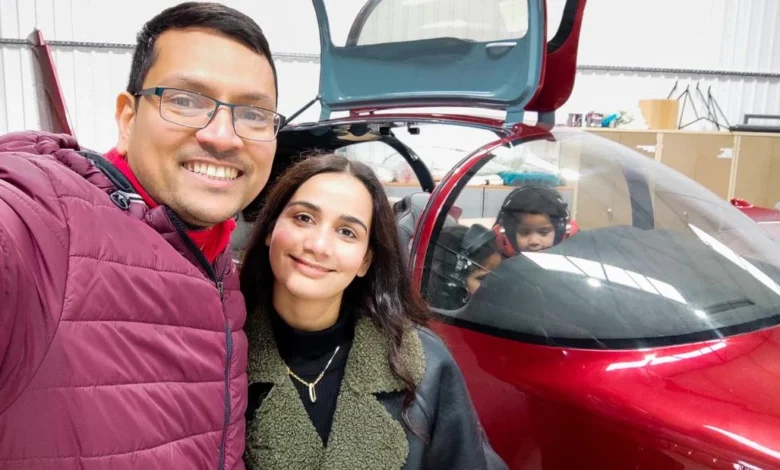
The intersection of mechanical expertise, a global lockdown, and a father’s desire for family travel recently culminated in a remarkable feat of amateur aviation engineering in Essex, England. Ashok Aliseril Thamarakshan, a mechanical engineer by profession, successfully completed the construction of a high-performance four-seater aircraft, a project that transitioned from a garden shed ambition to a fully certified machine capable of international travel. This endeavor, which spanned 18 months of intensive labor, highlights a growing trend in the general aviation sector where enthusiasts are increasingly turning to kit-built aircraft to circumvent the high costs and technical limitations of older, certified second-hand planes.
The genesis of Thamarakshan’s journey into aviation was not immediate. Despite living near an airfield for over a decade, it was only in recent years that he considered the cockpit his second home. The catalyst was a 30-minute introductory flight gifted by his wife, Abhilasha, for his birthday. That brief experience, which included a flight to the Isle of Wight, fundamentally altered his perspective on mobility. He soon secured his private pilot’s license (PPL) in 2019, but quickly encountered a logistical hurdle common among private pilots: the scarcity of four-seater rental aircraft. Most affordable rental options are two-seater planes, which proved insufficient for a family of four.
The Strategic Shift to Amateur Construction
Thamarakshan’s decision to build his own plane was born out of a combination of safety concerns and economic pragmatism. While the market for used aircraft is extensive, many available four-seaters date back to the 1960s and 1970s. For an engineer, the prospect of transporting his young family in a 50-year-old airframe with an unfamiliar maintenance history was unappealing. He sought modern avionics, fuel efficiency, and a deep, firsthand knowledge of the aircraft’s mechanical integrity.
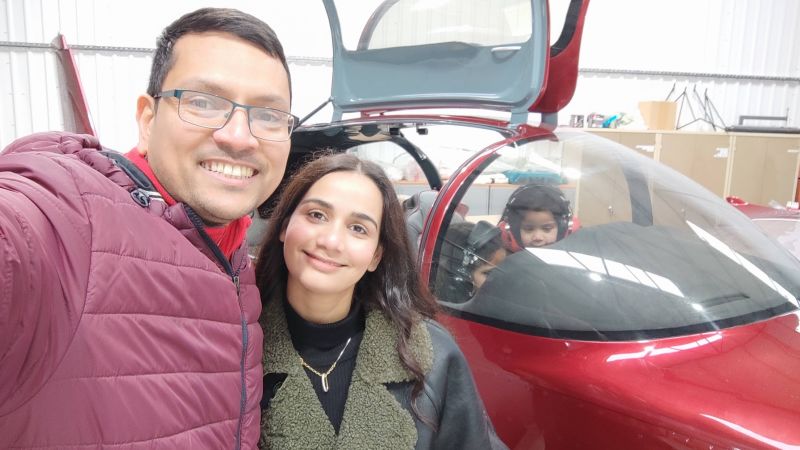
After an exhaustive search of the kit-built market, Thamarakshan identified the Sling TSi, manufactured by the South African firm Sling Aircraft, as the optimal choice. The Sling TSi is a modern, high-performance aircraft featuring a turbocharged Rotax 915 iS engine, known for its reliability and efficiency. In January 2020, just weeks before the COVID-19 pandemic paralyzed international travel, Thamarakshan flew to Johannesburg to test-fly the aircraft. Impressed by its handling and speed, he placed an order for the first components of the kit.
Navigating the Regulatory Landscape
Building an aircraft is not merely a mechanical challenge; it is a rigorous regulatory process. In the United Kingdom, amateur aircraft construction is overseen by the Light Aircraft Association (LAA) under the authority of the Civil Aviation Authority (CAA). Unlike the United States, where the Federal Aviation Administration (FAA) categorizes such planes as "Experimental," the UK system requires a stringent "Permit to Fly" process.
Thamarakshan’s project was subject to approximately 12 formal inspections by an LAA-authorized inspector. Every stage—from the riveting of the wings to the installation of the fuel systems—had to be documented and approved before the next phase could commence. This oversight ensures that home-built aircraft meet the same structural and safety standards as factory-built machines. The engineer began his work in April 2020, coinciding with the first UK national lockdown, which effectively turned his backyard into a dedicated aerospace facility.
A Chronology of Construction: From Shed to Hangar
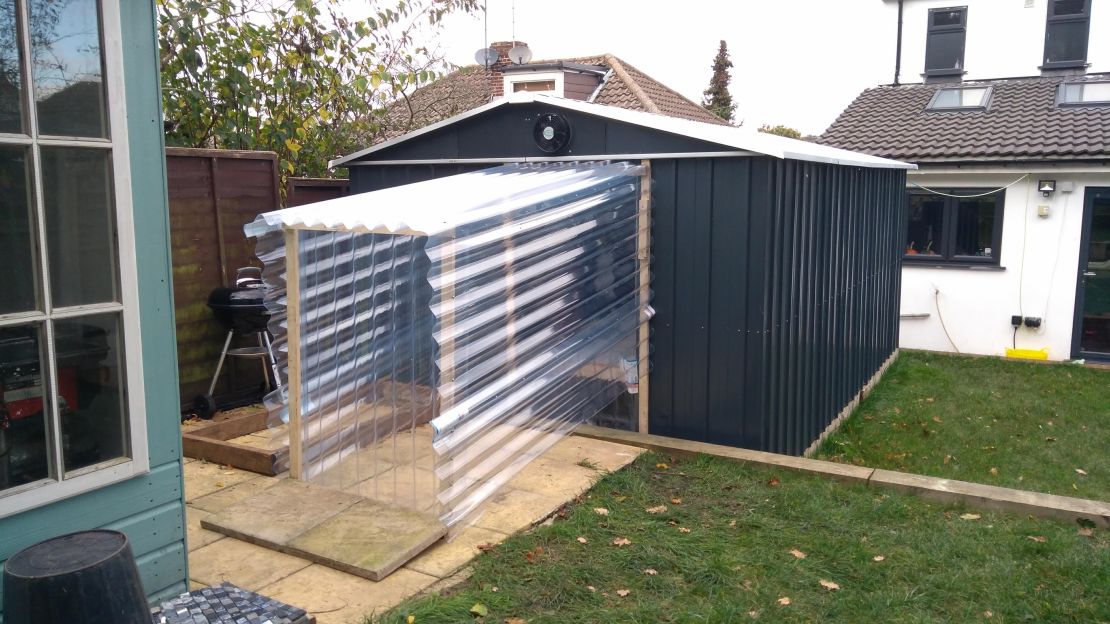
The timeline of the project demonstrates a disciplined approach to complex assembly. Thamarakshan constructed a specialized shed in his garden to house the project, a move that allowed him to work in short, frequent bursts without the commute to a remote hangar.
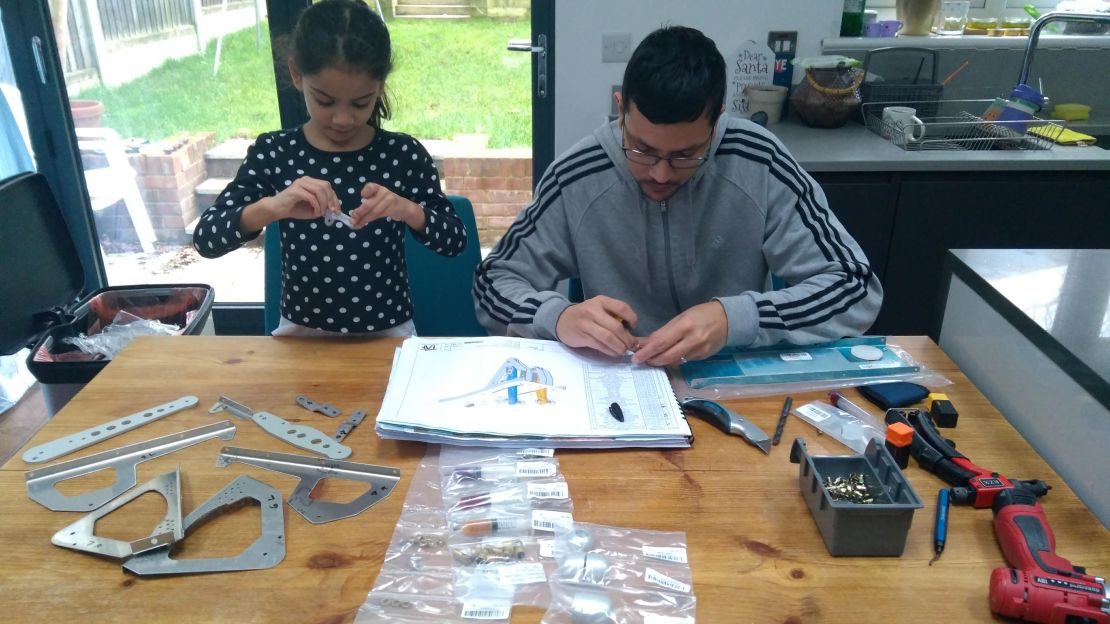
- April 2020: Commencement of the build. The first focus was the tail assembly, a manageable section that allowed him to familiarize himself with the tools and the "Ikea-style" instructional drawings provided by Sling Aircraft.
- Summer 2020: Completion of the wings. This phase required meticulous attention to detail, particularly regarding the internal fuel tanks and the alignment of the control surfaces.
- October 2020: Arrival of the fuselage kit. As the central structure of the plane, the fuselage required more space and occasionally a second pair of hands, provided by his wife and eldest daughter, Tara.
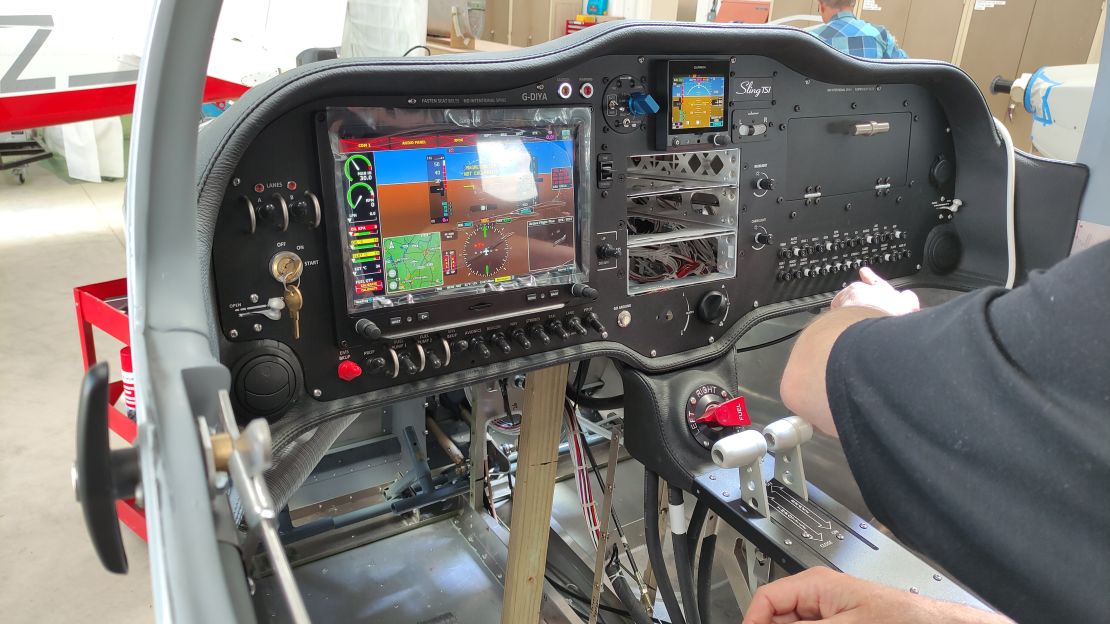
- Early 2021: Integration of the engine and avionics. The transition from airframe construction to system integration is often the most difficult part of any build. The Sling TSi uses a sophisticated glass cockpit, requiring precise electrical work.
- Late 2021: Final assembly. The aircraft was moved from the garden shed to a professional hangar near Cambridge. This allowed for the attachment of the wings to the fuselage and the final engine testing.
- January 2022: The maiden flight. Under the control of a professional test pilot, the aircraft—now registered as G-Diya—took to the skies for the first time.
The psychological weight of the first flight cannot be overstated. In the amateur building community, a project only becomes an "aircraft" once it has successfully completed its first flight. For Thamarakshan, watching the machine he had hand-riveted ascend into the Essex sky was the culmination of 1,500 hours of labor.
Technical Specifications and Economic Analysis
The aircraft, G-Diya, named after Thamarakshan’s youngest daughter, represents a significant investment in modern technology. The Sling TSi boasts a range of approximately 1,389 kilometers (roughly 860 miles) and a cruise speed of 145 knots. It is powered by the Rotax 915 iS, which consumes approximately 20 liters of unleaded fuel per hour—a stark contrast to the 30–40 liters of expensive Avgas consumed by older Cessnas or Pipers.
The financial breakdown of the project is as follows:
- Airframe Kit: Approximately £80,000 ($91,000).
- Engine, Avionics, and Propeller: Approximately £100,000 ($112,000).
- Total Investment: £180,000 ($203,000).
While £180,000 is a substantial sum, Thamarakshan implemented a shared ownership model to make the venture sustainable. By splitting the ownership and ongoing costs (insurance, hangarage, and maintenance) with three other pilots, the individual financial burden was reduced to a level comparable to owning a high-end SUV. This "syndicate" model is increasingly popular in the UK, as it ensures the aircraft is flown regularly—which is better for the engine—and shares the fixed costs across multiple parties.
Broader Impact on General Aviation
The success of Thamarakshan’s project serves as a case study for the future of general aviation (GA). For decades, the GA sector has struggled with an aging fleet and rising costs. However, the emergence of high-quality "quick-build" kits and modern, fuel-efficient engines like the Rotax series has lowered the barrier to entry for those with technical aptitude.
Industry analysts suggest that the "lockdown effect" accelerated interest in such projects. With travel restricted and more time spent at home, many professionals sought meaningful, long-term projects. Thamarakshan’s story also highlights the democratization of aviation through shared ownership. By viewing an aircraft as a shared asset rather than a solo luxury, a new demographic of younger, working professionals is finding a path into the skies.
Furthermore, the environmental aspect of modern kit-builds cannot be ignored. G-Diya’s ability to run on premium unleaded fuel rather than leaded aviation gasoline (Avgas 100LL) aligns with the industry’s gradual shift toward more sustainable operations.
The Freedom of the Skies: Family and Travel
Since receiving its final "Permit to Fly" in May 2022, G-Diya has become a vessel for family adventure. The Thamarakshan family has documented their travels on social media, showcasing trips to the Isle of Wight, Skegness, and more ambitious journeys to France and Norway. To date, the aircraft has logged over 300 flight hours.
For Ashok Aliseril Thamarakshan, the project was never just about the mechanics; it was about the utility of the machine. The ability to fly from Essex to the French countryside for lunch and return by late afternoon has transformed his family’s leisure time. It also serves as an educational tool for his daughters, who witnessed the transformation of crates of sheet metal into a functional airplane.
As aviation continues to evolve, the story of G-Diya stands as a testament to the fact that with enough space in a garden shed and a disciplined adherence to engineering standards, the sky is no longer a limit, but a destination. Thamarakshan’s experience encourages a new generation of aviators to look beyond the rental counter and consider the rewards of building their own path to the clouds.