European Union Fortifies Migration Controls with Sweeping New Asylum Pact Amid Persistent Deportation Challenges and Geopolitical Pressures

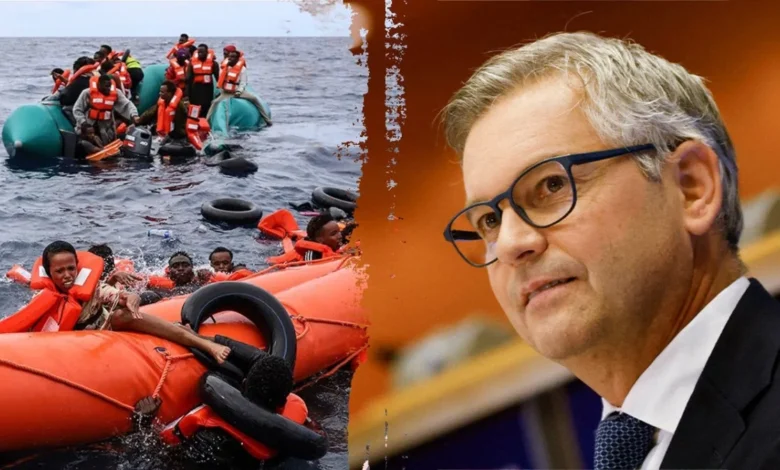
The European Union is enacting a profound overhaul of its migration and asylum framework, moving to significantly tighten controls and accelerate deportations after years of grappling with an inefficient system that failed to return the majority of migrants ordered to leave its territory. This monumental shift, encapsulated in a new pact set to take full effect in June, represents a concerted effort by the bloc to "get control back," as articulated by European Commissioner for Internal Affairs and Migration, Magnus Brunner. Speaking in Washington, D.C., Brunner underscored the critical need for a more robust and unified approach to migration management, a challenge that has long vexed the 27-nation confederation and fueled political discord both internally and externally.
A Decade of Disarray and the Quest for Control
For nearly a decade, the European Union has contended with a migration system widely perceived as fragmented and overwhelmed. The existing framework, largely built upon the Dublin Regulation, often placed disproportionate responsibility on frontline member states for processing asylum claims, leading to systemic strain and calls for greater solidarity. This decentralized approach, coupled with complex legal procedures and limited cooperation with countries of origin, resulted in a stark disparity between the number of migrants ordered to leave and those actually deported. Brunner starkly illustrated this historical lack of coherence, stating, "Ten years ago, we didn’t have a system. We didn’t have control over what is happening and who would come into the European Union and who would have to leave again." This acknowledgment highlights the core impetus behind the bloc’s latest legislative push: a desire to reassert sovereignty over its borders and migration flows.
While Brunner noted a modest improvement in return rates—from roughly one in five to nearly 30% in recent years—Eurostat data consistently indicates that only about one-quarter to one-third of migrants issued return orders are actually removed from the EU. This persistent gap has allowed a significant number of individuals without legal residence status to remain within Europe, contributing to public skepticism and mounting political pressure.

The Genesis of the New Pact: A Chronology of Reform
The journey to the current comprehensive reform has been long and fraught with political complexities, particularly since the transformative events of 2015-2016.
- 2015-2016 Migrant Crisis: Europe experienced an unprecedented surge in migrant arrivals, primarily from Syria, Afghanistan, and Iraq, fleeing conflict and persecution. Over a million asylum seekers arrived, exposing severe weaknesses in the EU’s common asylum system and leading to deep divisions among member states over responsibility-sharing.
- Post-2016 Political Stalemate: Following the crisis, efforts to reform the Dublin Regulation repeatedly stalled, primarily due to disagreements over mandatory relocation quotas and the principle of solidarity. Member states along the EU’s external borders, such as Greece and Italy, called for greater support, while others, notably Hungary and Poland, staunchly rejected any compulsory redistribution mechanisms.
- September 2020: The European Commission Proposes the New Pact: Recognizing the urgent need for a breakthrough, the European Commission, under President Ursula von der Leyen, unveiled the "New Pact on Migration and Asylum." This proposal aimed to move beyond the divisive quota debates and establish a more holistic, robust, and fair framework, emphasizing both effective border management and a fairer sharing of responsibility.
- Years of Intense Negotiations: The Pact’s legislative journey was characterized by intricate negotiations between the European Parliament and the Council of the EU (representing member states). Key sticking points included the balance between mandatory solidarity and flexible contributions, the scope of border procedures, and the definition of "safe third countries."
- December 2023: Provisional Agreement Reached: After years of often-heated debate, a landmark provisional political agreement was finally reached between the co-legislators on the core regulations of the Pact. This was hailed as a historic moment, signaling a renewed commitment to a common European approach.
- April 2024: Formal Adoption by European Parliament: The European Parliament formally adopted the ten legislative acts comprising the Pact, clearing the final hurdle for its implementation.
- June 2024: Entry into Force: The sweeping new rules are scheduled to take full effect across the bloc, marking a pivotal moment in European migration policy.
Key Pillars of the New Migration and Asylum Pact
The comprehensive migration and asylum pact introduces several critical mechanisms designed to streamline processes, enhance security, and improve return rates:
- Mandatory Screening at External Borders: All individuals arriving irregularly at the EU’s external borders will undergo a mandatory screening process lasting up to seven days. This includes identity, health, and security checks, as well as biometric data collection. This aims to quickly determine who can enter the asylum process and who should be subject to accelerated return procedures.
- Accelerated Asylum Procedures at Borders: For certain categories of asylum seekers (e.g., those from countries with low recognition rates, or those deemed a security risk), their asylum claims will be processed directly at the external borders within weeks. Rejected applicants will be fast-tracked for deportation, minimizing their entry into EU territory.
- Expanded Use of "Safe Third Countries": The pact expands the concept of "safe third countries," allowing migrants to be returned to countries outside the EU if they have a sufficient connection to that country and it is deemed safe. This aims to reduce the number of asylum claims processed within the EU.
- Flexible Solidarity Mechanism: Moving away from mandatory relocation quotas, the new pact introduces a "flexible solidarity mechanism." Member states can choose to contribute to managing migration either by relocating asylum seekers, providing financial contributions to frontline states, or offering operational support (e.g., equipment, personnel). This seeks to foster burden-sharing while accommodating national preferences.
- Crisis and Force Majeure Regulation: This mechanism provides a framework for managing situations of mass arrivals or disproportionate pressure on a member state, allowing for derogations from normal procedures and enhanced solidarity measures.
- Enhanced Eurodac Database: The Eurodac database, which stores biometric data of asylum seekers and irregular migrants, will be expanded to include more data points (e.g., facial images, nationality) and apply to a broader range of individuals, improving identification and preventing multiple asylum applications across different member states.
- Improved Return Mechanisms: The pact emphasizes strengthening cooperation with non-EU countries to facilitate the return of individuals who do not qualify for asylum. This includes a new position of an EU Return Coordinator and a network of national return representatives.
International Scrutiny and Domestic Political Pressures

The EU’s struggle with migration has not gone unnoticed on the international stage, particularly drawing pointed criticism from the United States. Former President Donald Trump repeatedly lambasted Europe’s approach, warning that migration was "destroying" the continent and labeling the situation a "horrible invasion." These sentiments have been echoed by prominent conservative figures, with Senator Marco Rubio criticizing "open borders" policies and Vice President JD Vance warning of "civilizational suicide" if Europe fails to regain control of its borders. Vance, in particular, has highlighted high-profile crimes involving migrants as evidence of European leaders’ failure to address public concerns, a narrative that resonates strongly with a segment of the European electorate. The issue has indeed gained renewed urgency following a series of recent attacks across Europe, including a terrorist stabbing in London by a Somalia-born British man, fueling warnings from authorities about rising radicalization and potential foreign-backed threats.
Within Europe, the migration debate has been a significant catalyst for the rise of populist and far-right parties, which often campaign on platforms advocating for stricter border controls and reduced immigration. The perceived inability of mainstream parties to effectively manage migration flows has eroded public trust and contributed to political fragmentation, making the successful implementation of the new pact crucial for the political stability of many member states and the bloc as a whole.
The Intersecting Dimensions of Security and Geopolitics
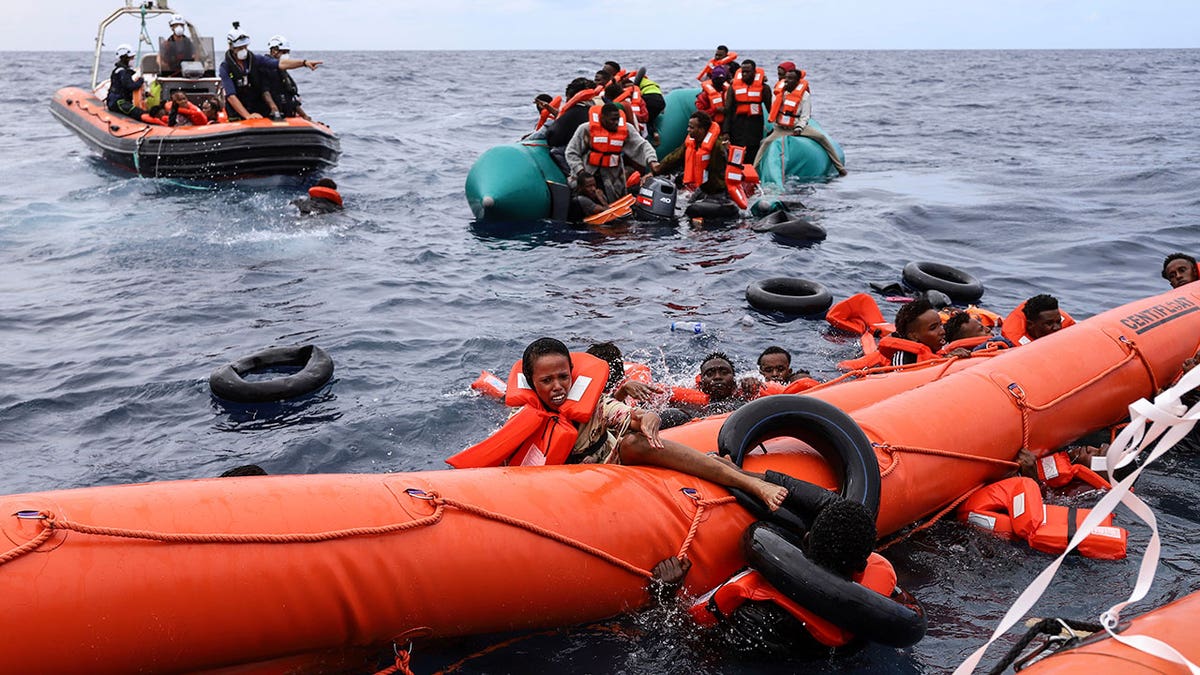
Beyond internal management challenges, the EU is increasingly framing migration enforcement within a broader national security context, particularly in light of evolving geopolitical dynamics. Commissioner Brunner explicitly highlighted efforts by Russia and Belarus to "weaponize" migration flows against the European Union, characterizing these actions as a form of "hybrid warfare." This strategy, notably observed along the Polish-Belarusian border where thousands of migrants were channeled towards the EU’s external frontier, is seen as an attempt to destabilize the bloc and divert resources.
Furthermore, Brunner acknowledged that global conflicts, including escalating tensions involving Iran, contribute to concerns about radicalization within migrant communities. While he stated there are no clear signs yet of a direct migration surge linked to these specific developments, the potential for such scenarios necessitates heightened vigilance and robust security screening mechanisms. The new entry-exit tracking systems and real-time data sharing between member states are critical tools in this regard, allowing authorities to better identify potential security threats. Brunner cited a statistic where, out of 30,000 individuals screened, 750 were identified as posing a security threat to the European Union, underscoring the importance of these new screening capabilities.
Challenges and Implications of the Path Ahead
The implementation of the New Pact on Migration and Asylum represents a formidable undertaking, fraught with both opportunities and challenges.
- For Migrants and Asylum Seekers: The pact promises faster processing of claims, which could reduce the limbo many migrants face. However, human rights organizations like Amnesty International and Human Rights Watch have voiced concerns that the accelerated border procedures and expanded use of "safe third countries" could compromise fundamental rights, including the right to asylum and access to fair legal procedures. Critics fear that the focus on speed and deterrence may overshadow individual protection needs, potentially leading to increased detentions and pushbacks.
- For EU Member States: The pact aims to create a more harmonized and predictable system, offering a framework for burden-sharing that has eluded the bloc for years. However, the "flexible solidarity" mechanism, while a political compromise, may still face challenges in practice, as some member states might prefer financial contributions over accepting asylum seekers. The costs associated with setting up and operating the new border facilities and screening mechanisms will also be substantial.
- Geopolitical Ramifications: The EU’s tougher stance could impact its relationships with transit and origin countries. Enhanced cooperation on returns will require significant diplomatic engagement, and the effectiveness of the "safe third country" concept hinges on the willingness and capacity of external partners to accept returnees and uphold international protection standards.
- Public Trust and Political Stability: Ultimately, the success of the new approach hinges on its ability to restore public confidence. As Brunner articulated, "If you want to get the support of the people in Europe, then they must have the feeling that we have control of what we’re doing. People in Europe will only accept continuing and granting asylum… if they are sure that the system is not abused." This sentiment reflects the deep political imperative driving these reforms: to demonstrate that legal migration and asylum protections can coexist with secure borders and orderly processes. The upcoming European elections will likely serve as a referendum on the efficacy and public acceptance of these new policies.
The EU’s move to tighten migration controls is a bold and necessary step to address a complex and multifaceted challenge. While the comprehensive new pact offers a framework for greater control and solidarity, its true impact will depend on effective and equitable implementation, careful balancing of security imperatives with human rights, and sustained political will across all member states. The coming months will be crucial in determining whether Europe can indeed "get control back" and forge a sustainable path forward for its migration policies.