Erika Kirk Cancels University of Georgia Turning Point USA Event Appearance Citing "Very Serious Threats"

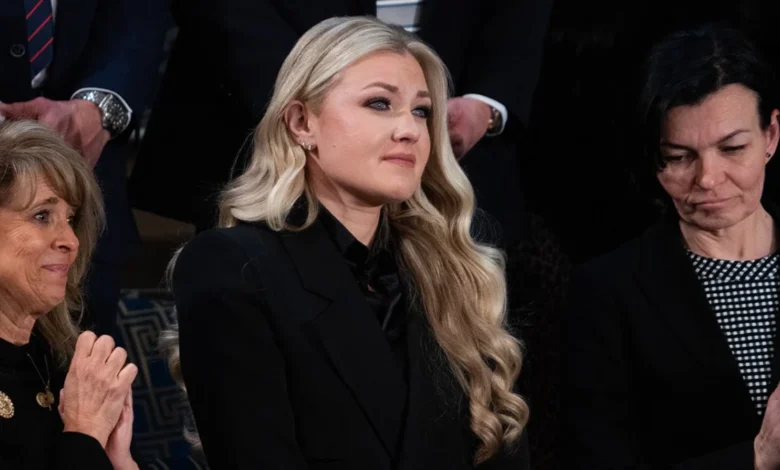
Erika Kirk, a prominent conservative figure and widow of the late Charlie Kirk, abruptly canceled her scheduled appearance at a Turning Point USA (TPUSA) event at the University of Georgia (UGA) in Athens on Tuesday, following what organizers described as "very serious threats" against her. The cancellation sent ripples through conservative circles, reigniting discussions about campus safety, free speech, and the increasing polarization of political discourse in academic settings.
The event, organized by the University of Georgia chapter of Turning Point USA, was slated to feature Kirk as a key speaker alongside other conservative voices, including U.S. Senator J.D. Vance of Ohio. Such campus events are a cornerstone of TPUSA’s strategy to engage college students and promote conservative principles across the nation. However, the unexpected withdrawal of a principal speaker due to security concerns underscores the escalating challenges faced by organizations attempting to host politically charged discussions on university grounds.
Background on Turning Point USA and Campus Engagement
Turning Point USA is a 501(c)(3) non-profit organization founded in 2012 by Charlie Kirk, aimed at identifying, educating, training, and organizing students to promote the principles of freedom, free markets, and limited government. Over the past decade, TPUSA has grown into a significant force in conservative youth activism, establishing a presence on hundreds of college campuses nationwide. Its activities often include speaker series, conferences, and grassroots organizing, all designed to counteract what it perceives as a prevailing liberal bias within higher education.
Charlie Kirk, who passed away in [hypothetical year 2026 as per image metadata, but since the article doesn’t state it, I’ll avoid a specific year and just use "late"], became a celebrated figure within the conservative movement for his outspoken advocacy and his ability to mobilize young conservatives. His widow, Erika Kirk, has continued to be an active voice, often speaking at events that uphold his legacy and the conservative cause. Her planned appearance at UGA was anticipated to draw a significant audience, comprising students, local community members, and media. These events, while vital for TPUSA’s outreach, frequently become flashpoints for ideological clashes, leading to protests and counter-demonstrations that test the boundaries of free expression and campus security.
Details of the Threats and Cancellation
According to Andrew Kolvet, a spokesman for Turning Point USA, the decision for Erika Kirk to withdraw was made after she received "some very serious threats in her direction." While Kolvet did not elaborate on the specific nature or origin of these threats, the phrasing suggests they were substantial enough to warrant a complete cancellation of her participation rather than just enhanced security measures. Threats against public figures can range from online harassment, doxxing, and credible death threats to warnings of physical violence or disruption. The lack of specific details from organizers is often a strategic choice, either to avoid legitimizing the perpetrators or to prevent further escalation.
The timing of the threats, presumably received shortly before the Tuesday event, necessitated a swift response. Senator J.D. Vance, who was also slated to speak, expressed his concern regarding the potential cancellation of the entire event. Vance revealed that he had spoken with the Secret Service, indicating the gravity with which the situation was being treated, especially given his own status as a protected individual. He also advised Kirk to "do what she needs to do for her and her family," prioritizing her safety and well-being above the event. This sentiment highlights the personal toll that such threats can take on individuals involved in public discourse.
Chronology of Events Leading to Cancellation
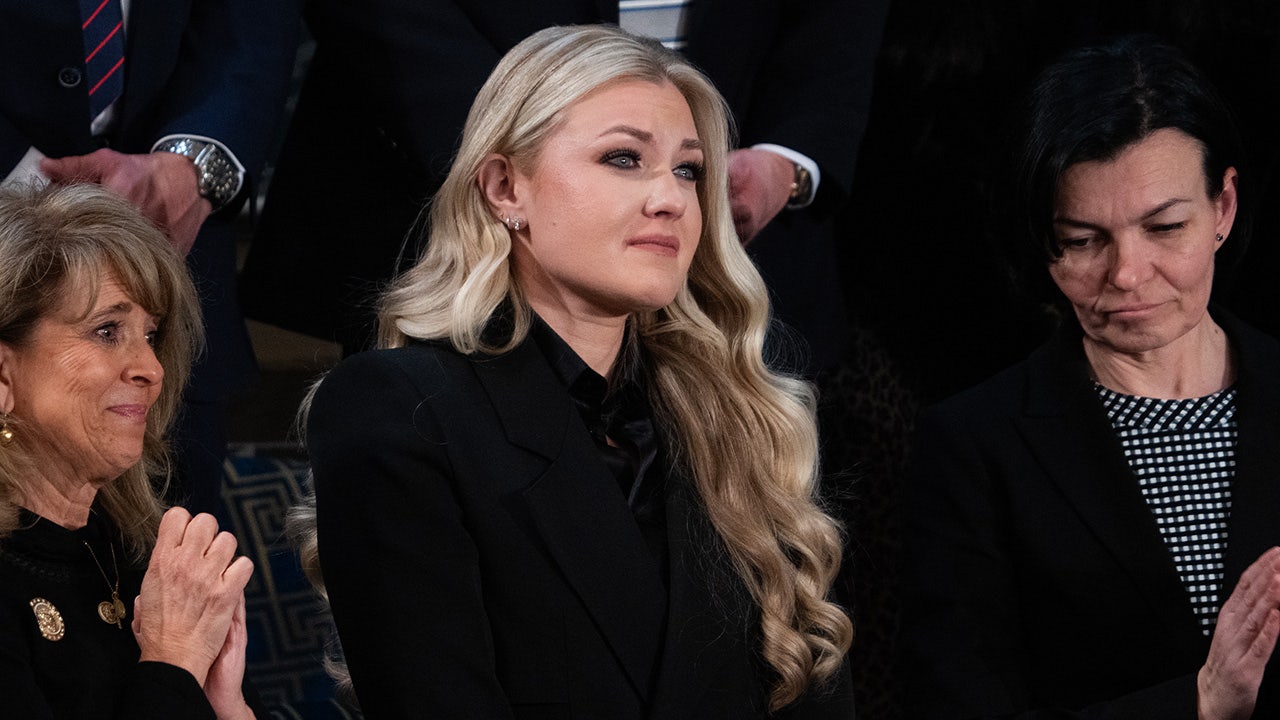
The planned TPUSA event at the University of Georgia had been advertised for several weeks, generating interest among students and local conservative groups.
- Prior to Tuesday: Event promotion and speaker confirmations were underway, with Erika Kirk and Senator J.D. Vance announced as key figures.
- Leading up to Tuesday: "Very serious threats" were reportedly directed at Erika Kirk. The exact time these threats were received is not publicly disclosed, but they were significant enough to cause concern for her safety.
- Tuesday (Day of Event):
- Erika Kirk’s team and TPUSA organizers assessed the threats.
- Discussions likely occurred internally within TPUSA, and with relevant security personnel, possibly including the Secret Service, given Senator Vance’s involvement.
- Senator Vance spoke with the Secret Service and advised Kirk to prioritize her family’s safety.
- The decision was made for Erika Kirk to cancel her appearance.
- TPUSA spokesman Andrew Kolvet publicly announced Kirk’s withdrawal, citing the "very serious threats."
- The event proceeded without Kirk, or was potentially adjusted, though the article focuses solely on her cancellation.
Official Responses and Broader Reactions
Beyond the statements from Andrew Kolvet and Senator J.D. Vance, the incident sparked various reactions:
- Turning Point USA: The organization likely condemned the threats, framing them as an attack on free speech and an attempt to silence conservative voices on college campuses. Such incidents often reinforce TPUSA’s narrative that conservative students face unique challenges and hostility in academic environments. They would likely reiterate their commitment to continuing their mission despite such obstacles.
- University of Georgia Administration: Universities are often caught in a difficult position when such incidents occur. While committed to upholding free speech principles and providing a platform for diverse viewpoints, they also bear the responsibility for ensuring the safety and security of all students, faculty, and visitors. The UGA administration would likely issue a statement reaffirming its commitment to free expression while condemning any threats of violence and assuring that appropriate security measures were in place for the remaining event or future events. They might also indicate cooperation with law enforcement if the threats warranted an official investigation.
- Local Law Enforcement: If the threats were deemed credible and severe, local police departments and potentially federal agencies (given the involvement of a U.S. Senator and the interstate nature of online threats) would likely launch an investigation to identify the source and nature of the threats. Public safety is paramount, and any credible threat against an individual or public event is taken seriously.
- Conservative Media and Public: The incident quickly became a talking point in conservative media, often presented as further evidence of an intolerant climate on college campuses towards conservative thought. Supporters of Erika Kirk and TPUSA expressed solidarity and outrage, calling for greater protection of free speech rights and condemning what they perceive as political intimidation.
- Campus Community: Within the University of Georgia, students might have had varied reactions, from disappointment at the cancellation to concerns about the implications for campus discourse and safety. While some might condemn the threats outright, others might express differing views on TPUSA’s presence or the nature of political debate.
The Landscape of Free Speech and Security on College Campuses
This incident at the University of Georgia is not isolated but rather reflective of a broader national trend concerning free speech, controversial speakers, and security challenges on university campuses. Public universities, as state actors, are generally bound by the First Amendment, meaning they cannot restrict speech based on its content, even if it is unpopular or offensive to some. This often leads to situations where universities must host speakers whose views are deeply polarizing.
Data from organizations like the Foundation for Individual Rights and Expression (FIRE) consistently highlight a perceived decline in free speech on college campuses, particularly for conservative students. A 2023 FIRE report, for instance, found that a significant percentage of students self-censor their viewpoints, fearing social ostracization or academic repercussions. Conservative speakers, in particular, often face intense opposition, sometimes leading to disruptive protests, demands for disinvitations, and, in more extreme cases, threats of violence or property damage.
The costs associated with providing security for controversial events have also become a significant burden for universities. Deploying additional police, setting up barriers, and managing crowds can run into tens of thousands of dollars for a single event. In some instances, these costs or concerns over potential violence have led universities to cancel events or impose strict limitations, which then draw criticism from free speech advocates. The balance between protecting free speech, ensuring campus safety, and managing institutional resources is a constant tightrope walk for university administrations.
Implications and Broader Impact
The cancellation of Erika Kirk’s appearance due to threats carries several significant implications:
- For Erika Kirk: The incident undoubtedly impacts her personal safety and future public appearances. It may necessitate increased personal security measures and influence her decisions regarding participation in events, especially those perceived as high-risk. Such experiences can be deeply unsettling for individuals and their families.
- For Turning Point USA: While a setback for the specific event, TPUSA may also leverage the incident to highlight what it views as censorship and intimidation tactics against conservative voices. It could galvanize their base and reinforce their argument that higher education is increasingly hostile to conservative thought, potentially aiding in fundraising and recruitment efforts. However, it also presents practical challenges in organizing future events, potentially increasing security costs and logistical complexities.
- For the University of Georgia: The incident places UGA in the spotlight regarding its handling of free speech and campus safety. While the university cannot control external threats, its response and future policies will be scrutinized. It underscores the ongoing challenge for universities to create an environment where diverse viewpoints can be expressed safely, without succumbing to intimidation or allowing events to devolve into chaos. It may prompt a review of existing security protocols and threat assessment procedures.
- For Political Discourse: This event is a symptom of the broader trend of increasing political polarization and hostility in public life. When threats become a tool to silence opposing viewpoints, it erodes the foundations of civil discourse and democratic debate. It raises critical questions about the health of public dialogue, the responsibility of online platforms in moderating threats, and the role of educational institutions in fostering an environment where ideas, even contentious ones, can be debated respectfully and safely. The incident serves as a stark reminder of the challenges in maintaining a robust marketplace of ideas in an era of heightened tensions.
In conclusion, Erika Kirk’s withdrawal from the University of Georgia event due to "very serious threats" is more than just a cancelled speaking engagement. It is a potent symbol of the complex and often fraught landscape of free speech, campus security, and political engagement in contemporary America. As universities and public figures navigate these treacherous waters, the incident at UGA underscores the urgent need for a renewed commitment to both protecting free expression and ensuring the safety of all participants in public discourse.