Texas Approves First State-Regulated Carbon Storage Well Near Beaumont Amid Community Backlash

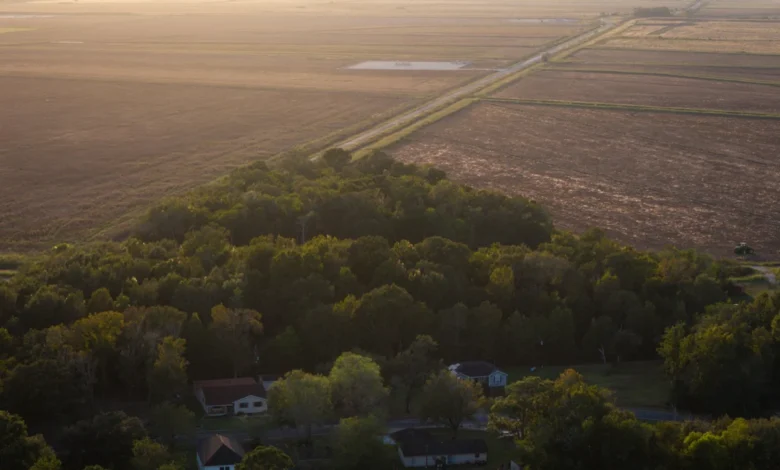
On a quiet, rural stretch of road just outside Beaumont, Texas, a massive energy infrastructure effort is unfolding that could reshape the future of industrial emissions management in the United States. Exxon Mobil is preparing to inject captured carbon dioxide thousands of feet beneath the earth’s surface, permanently entombing the greenhouse gas in microscopic pockets of saline rock. This project, codenamed "Rose," represents a critical milestone for the oil and gas industry, which has long championed carbon capture and storage (CCS) as an indispensable tool for mitigating global climate change. Yet, as the state moves aggressively to establish itself as a national hub for carbon management, this pioneering venture has sparked a fierce battle over environmental justice, public safety, and the true efficacy of subterranean storage.
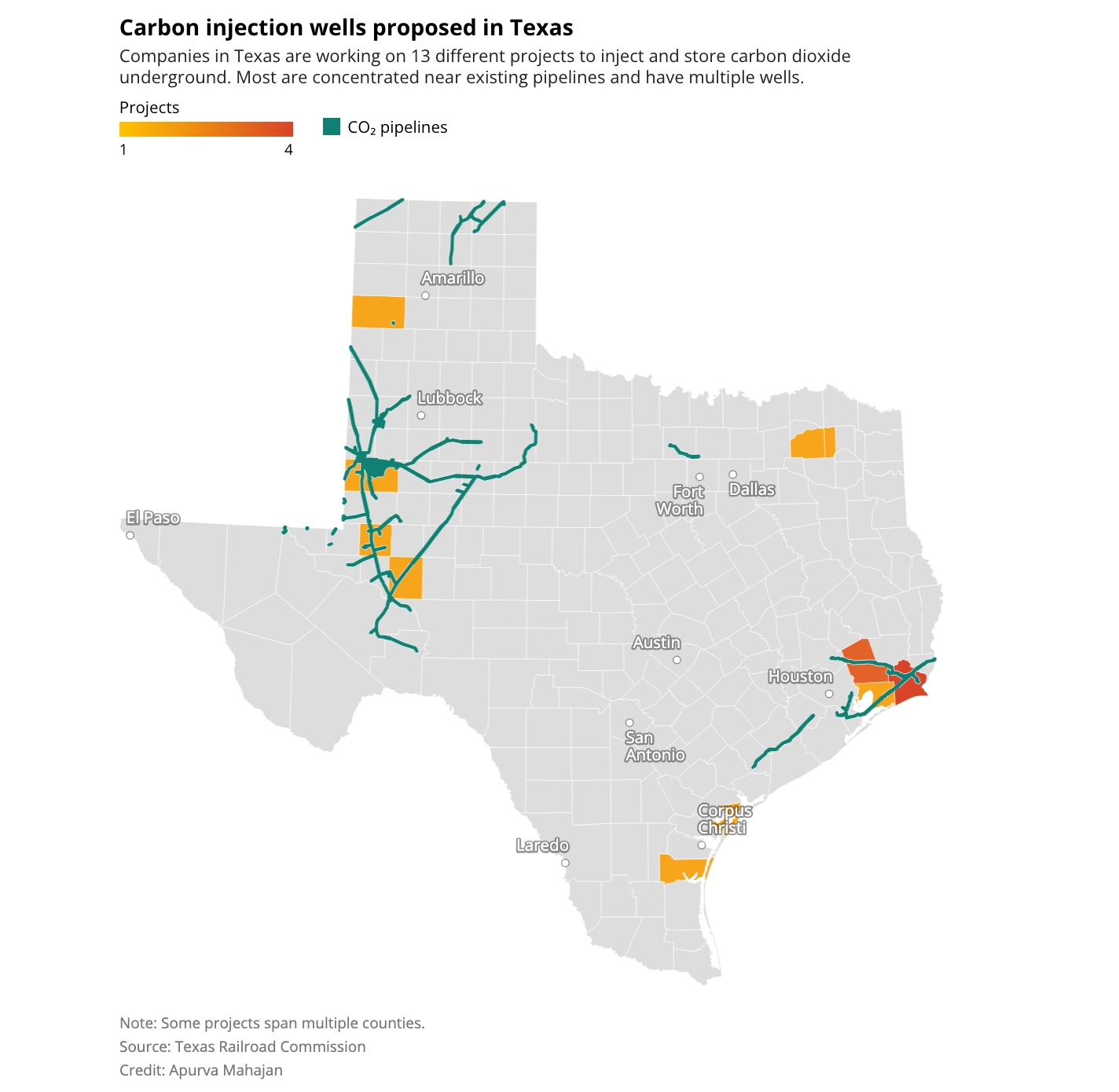
The path to this moment has been paved by a decade of legislative ambition and regulatory maneuvering. In 2009, Texas lawmakers passed Senate Bill 1387, tasking the Texas Railroad Commission—the state agency that oversees the oil and gas industry—with designing a regulatory framework for carbon storage wells. For years, state officials lobbied the federal government for "primacy," the authority to independently issue Class VI permits under the federal Safe Drinking Water Act. That effort culminated late last year when the U.S. Environmental Protection Agency (EPA) officially granted Texas that permitting power, intended to streamline the approval process and accelerate climate technology deployment. Buoyed by federal tax credits and state economic incentives, energy giants quickly flooded regulators with applications. In September, the Railroad Commission approved Exxon Mobil’s Rose project, making it the first state-regulated carbon storage operation of its kind to clear final hurdles in Texas.
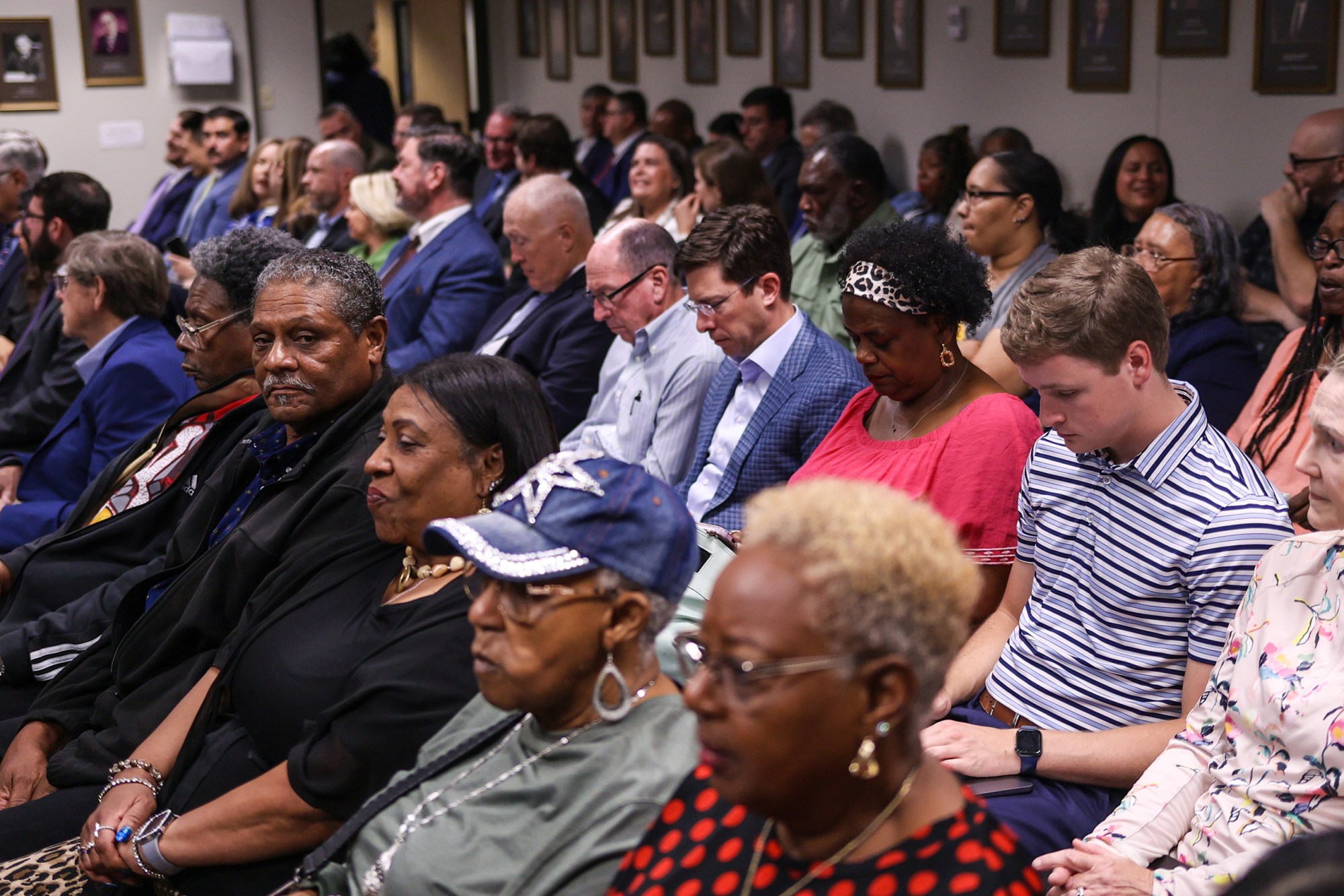
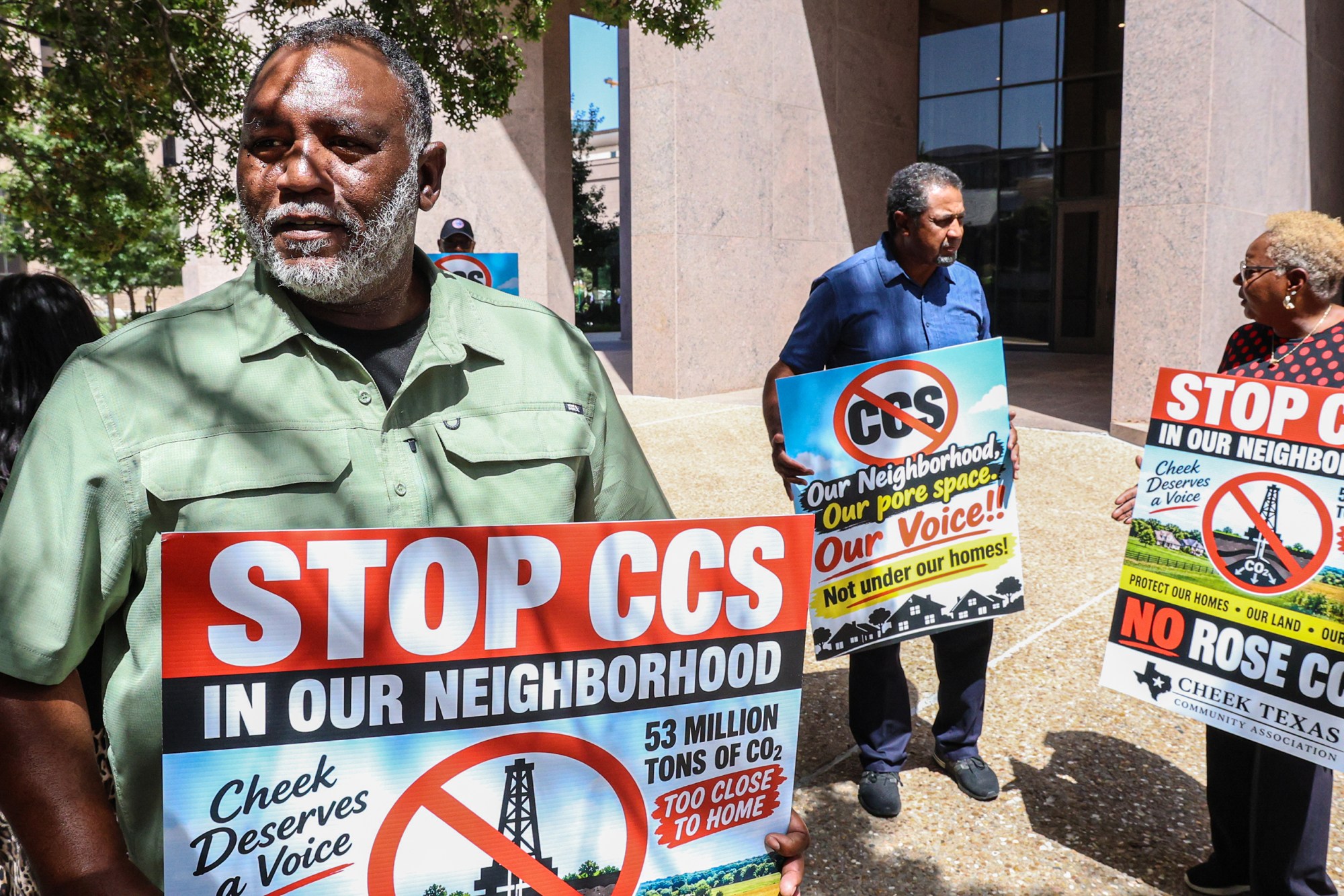
However, the speed of bureaucratic approval has outpaced the comfort of the local population. The project is situated directly adjacent to Cheek, a predominantly Black, working-class, and elderly unincorporated community in Jefferson County. For generations, families in Cheek have cultivated generational wealth through land ownership, passing down large tracts dotted with cattle and horses. Today, residents view the arrival of industrial carbon injection wells not as a climate solution, but as an existential threat to their property values, drinking water, and physical safety. The Cheek Texas Community Association, backed by pro bono attorneys from the environmental nonprofit Earthjustice, formally contested the permit, arguing that Exxon Mobil failed to adequately define the underground monitoring zone and protect local aquifers from potential contamination.
The anxieties held by residents of Cheek are not unfounded, given the nascent state of the industry and historical precedents. Nationally, only a small fraction of carbon storage wells are operational, and high-profile accidents have fueled public skepticism. In 2020, a carbon dioxide pipeline rupture in Satartia, Mississippi, triggered by a heavy rain-induced landslide, released a massive vapor cloud that left first responders scrambling and hospitalized dozens of residents. Furthermore, research from institutions like the Lawrence Berkeley National Laboratory has warned that underground CO2 leaks can increase groundwater acidity, potentially leaching toxic heavy metals into drinking water aquifers—contamination that experts note is virtually irreversible once it occurs. In Illinois, a separate carbon capture facility made headlines when injected fluids migrated into unauthorized underground zones.
These incidents have prompted neighboring states to exercise extreme caution. Louisiana Governor Jeff Landry recently paused state reviews of new carbon storage applications to overhaul safety protocols, while other states with permitting authority maintain minimal active wells. Critics, including Harvard University History of Science Professor Naomi Oreskes and various environmental watchdog groups, argue that CCS functions largely as a dangerous distraction from the necessary transition away from fossil fuels. Investigations by independent journalism organizations have suggested that scaling carbon capture to a level capable of preventing extreme global warming would require resource allocations that are economically and logistically unfeasible.
Despite these warnings, supporters of the technology insist that subterranean carbon storage is a vital component of an all-of-the-energy-sources approach to combating climate change. Proponents point to the state’s decades-long history of enhanced oil recovery—a process wherein carbon dioxide is injected into mature reservoirs to extract remaining petroleum—as proof that the subsurface geology of the Gulf Coast is well-understood and secure. Scott Castleman, a spokesperson for the Gulf Coast Carbon Capture and Storage Alliance, emphasized that the underlying engineering principles have been safely utilized for over half a century. Industry advocates argue that East Texas possesses an ideal combination of existing pipeline networks, favorable geology, and high concentrations of industrial emitters willing to pay for carbon disposal. Exxon Mobil has already secured seven major agreements to store volumes of greenhouse gas equivalent to the annual emissions of 2 million passenger vehicles.
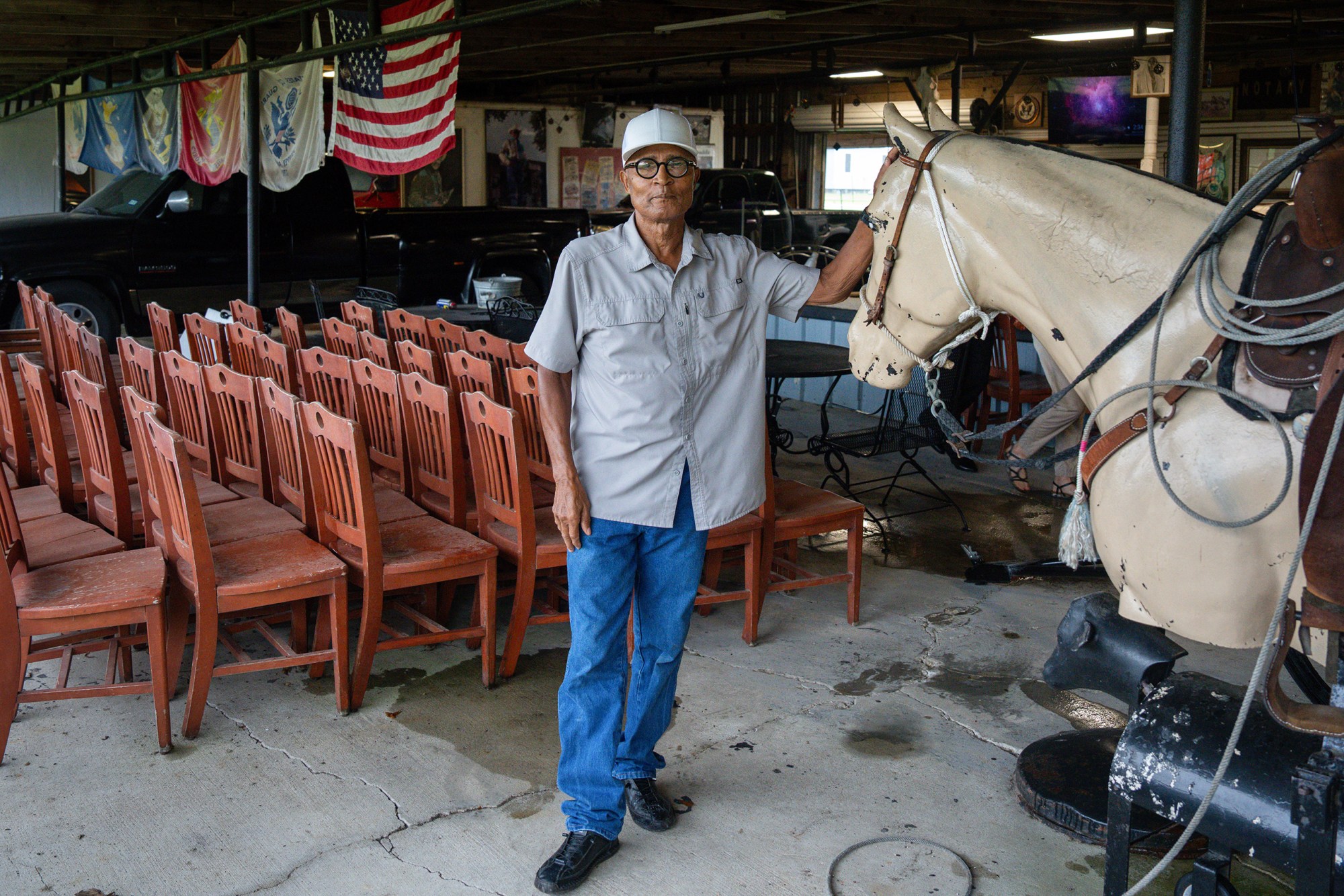
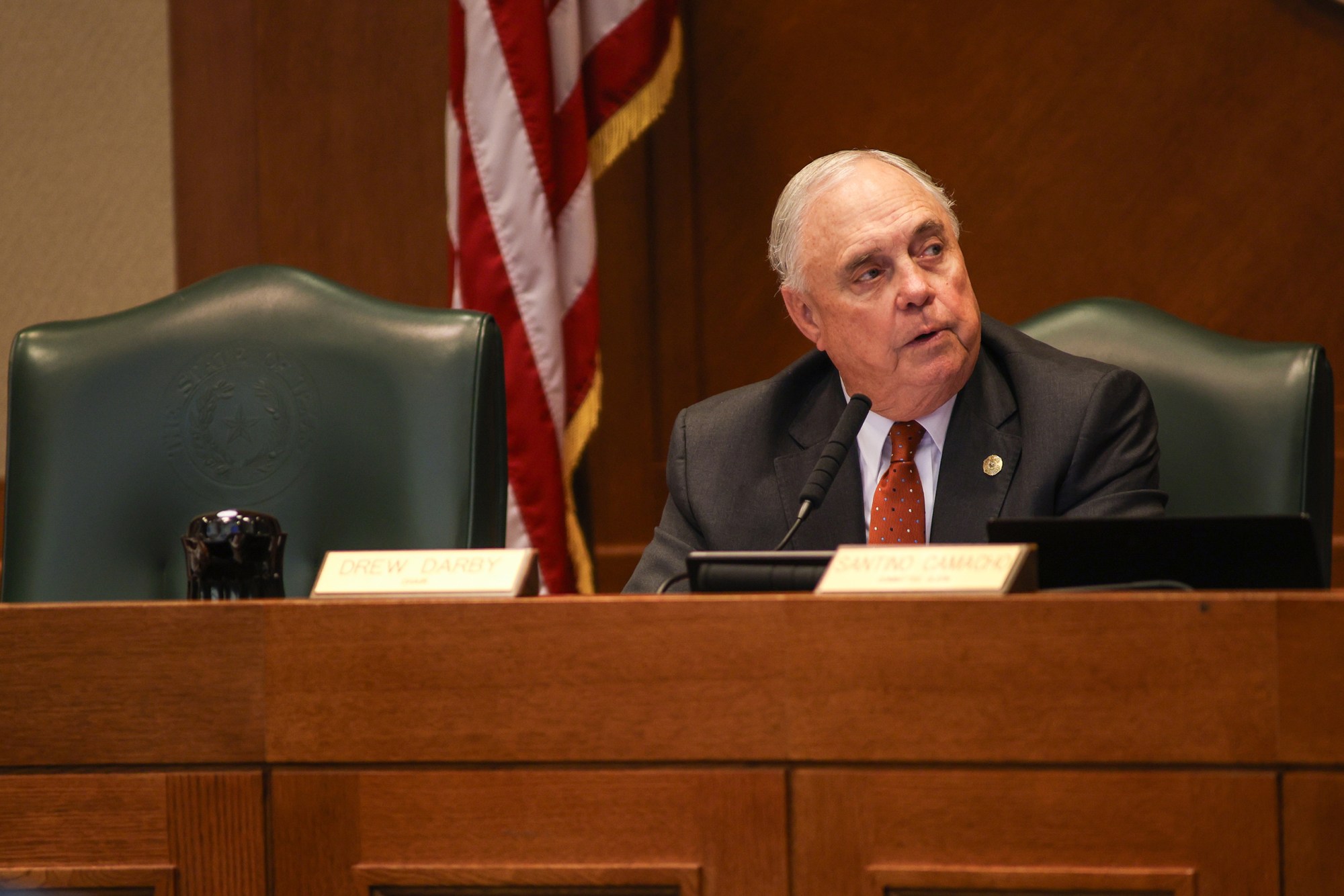
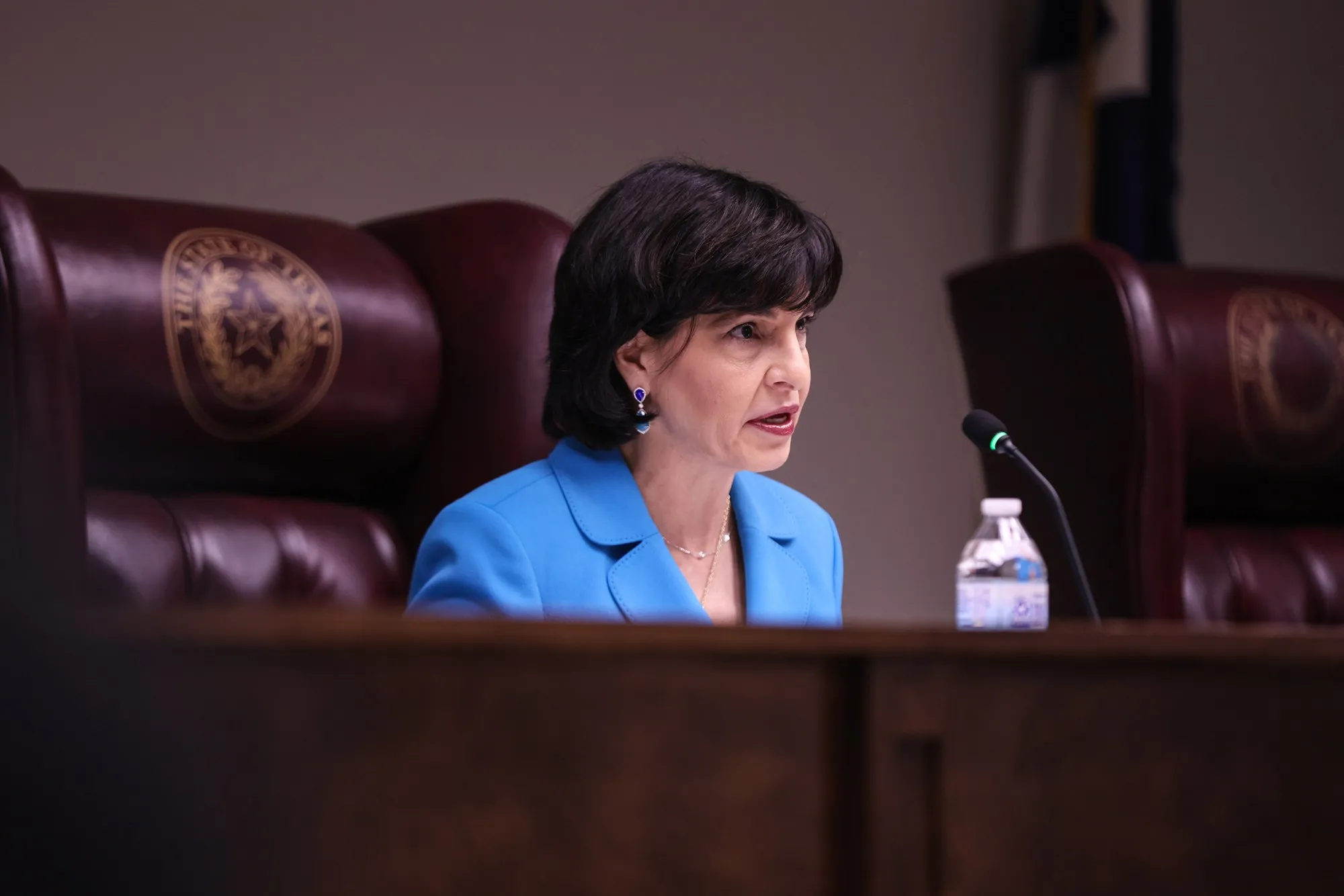
The political landscape surrounding these projects is deeply polarized. State Representative Drew Darby, a Republican from San Angelo and leader of the House Energy Resources Committee, has pressured regulators to advance carbon capture projects at the utmost pace to secure Texas’s economic leadership. Conversely, Railroad Commissioner Wayne Christian has voiced vehement opposition to these projects, publicly questioning climate science and voting against the Exxon Mobil permit on safety grounds. Meanwhile, Commission Chair Christi Craddick chastised Exxon Mobil during state hearings for failing to adequately engage with the Cheek community after residents retained legal representation, urging the company to provide tangible safety investments—such as dedicated firefighting equipment—before ultimately voting to approve the permit.
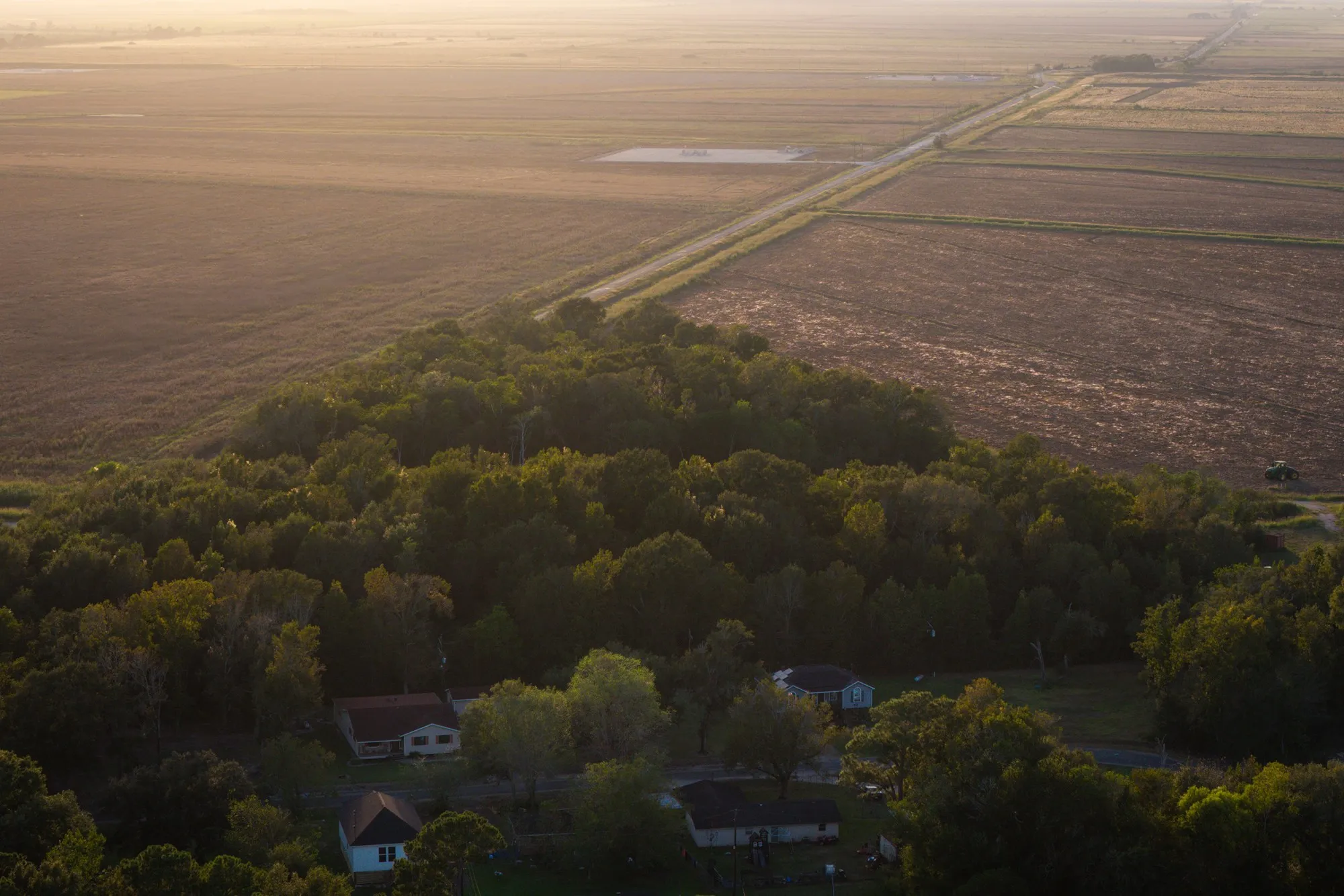
The tension between corporate expansion and community resistance is already replicating itself just miles away. Exxon Mobil’s second proposed East Texas venture, dubbed the "Sunflower" project, is slated for the nearby community of Nome. While public hearings and community meetings have drawn skepticism and protests from activists warning of the invisible, odorless gas’s suffocating hazards, industry representatives have countered with robust outreach efforts, including safety demonstrations and community sponsorships. Some local landowners, such as rice and turf farmer Mike Doguet, view the influx of industrial infrastructure as a welcome economic catalyst that will generate sales tax revenue and breathe new life into an agricultural economy. Others, however, remain deeply distrustful of corporate assurances.
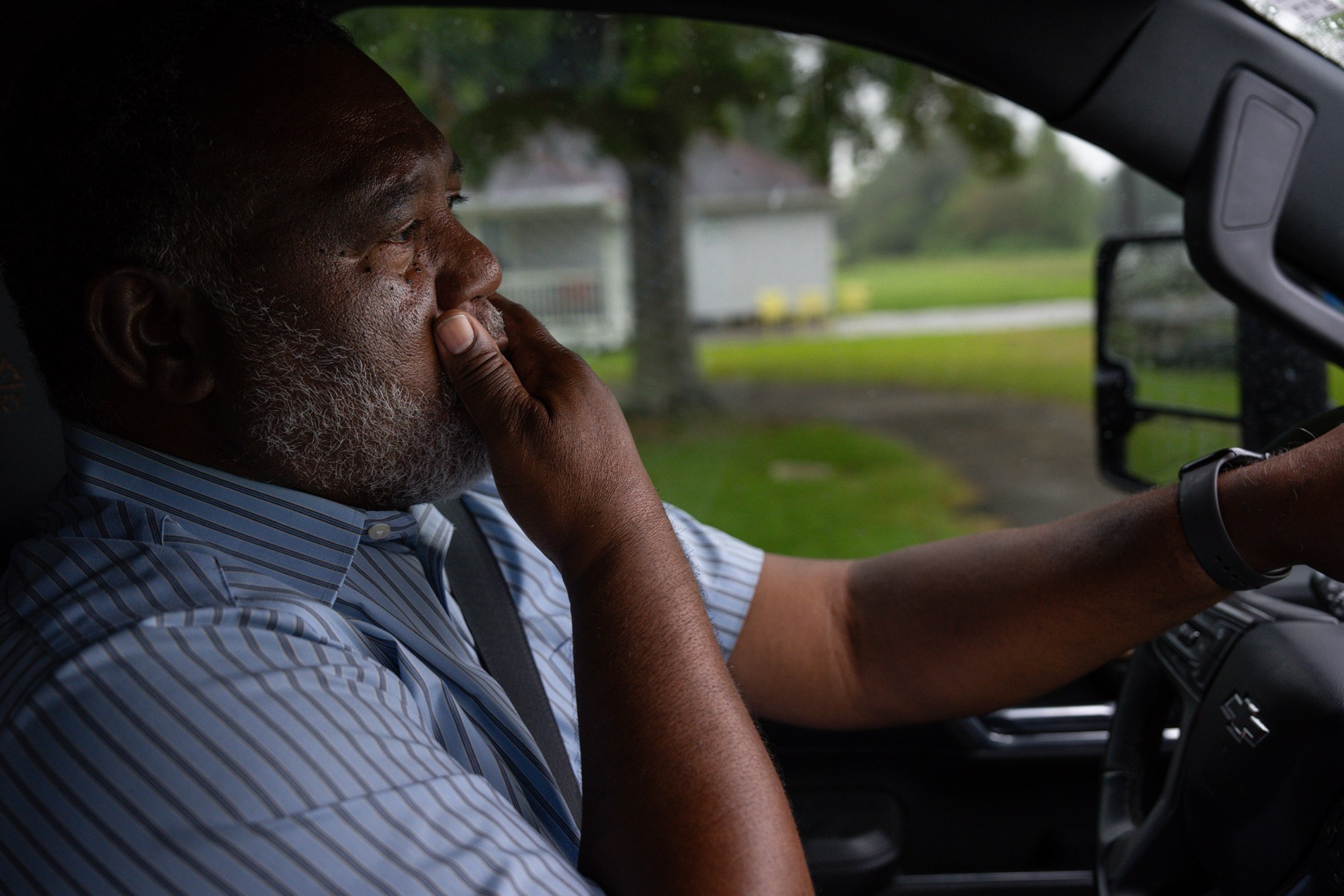
As Texas navigates this uncharted regulatory frontier, the outcome of the projects in Cheek and Nome will likely set a national precedent. The ability of regulatory bodies to balance the aggressive economic ambitions of the fossil fuel sector with the legitimate safety and environmental justice concerns of frontline communities will determine whether carbon capture becomes a viable pillar of climate mitigation or a legacy of marginalized environmental risk. For the residents of Cheek, who continue to fight for the preservation of their historic land, the stakes could not be higher.