Powering Through the Barrage: How Ukraine Is Decentralizing Its Energy Grid with Solar Power

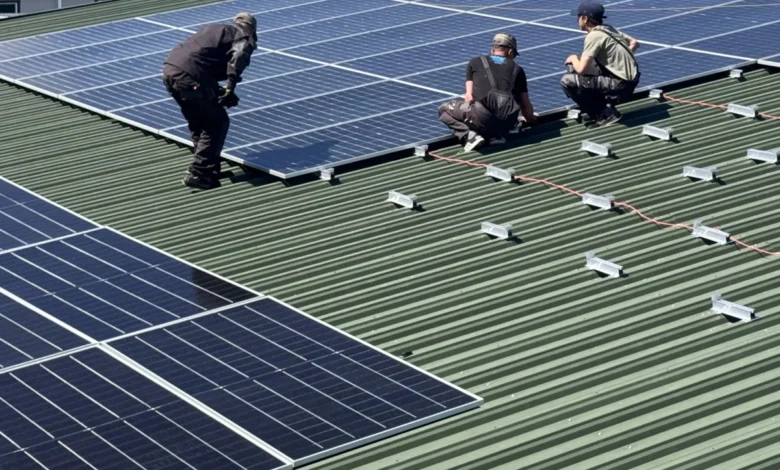
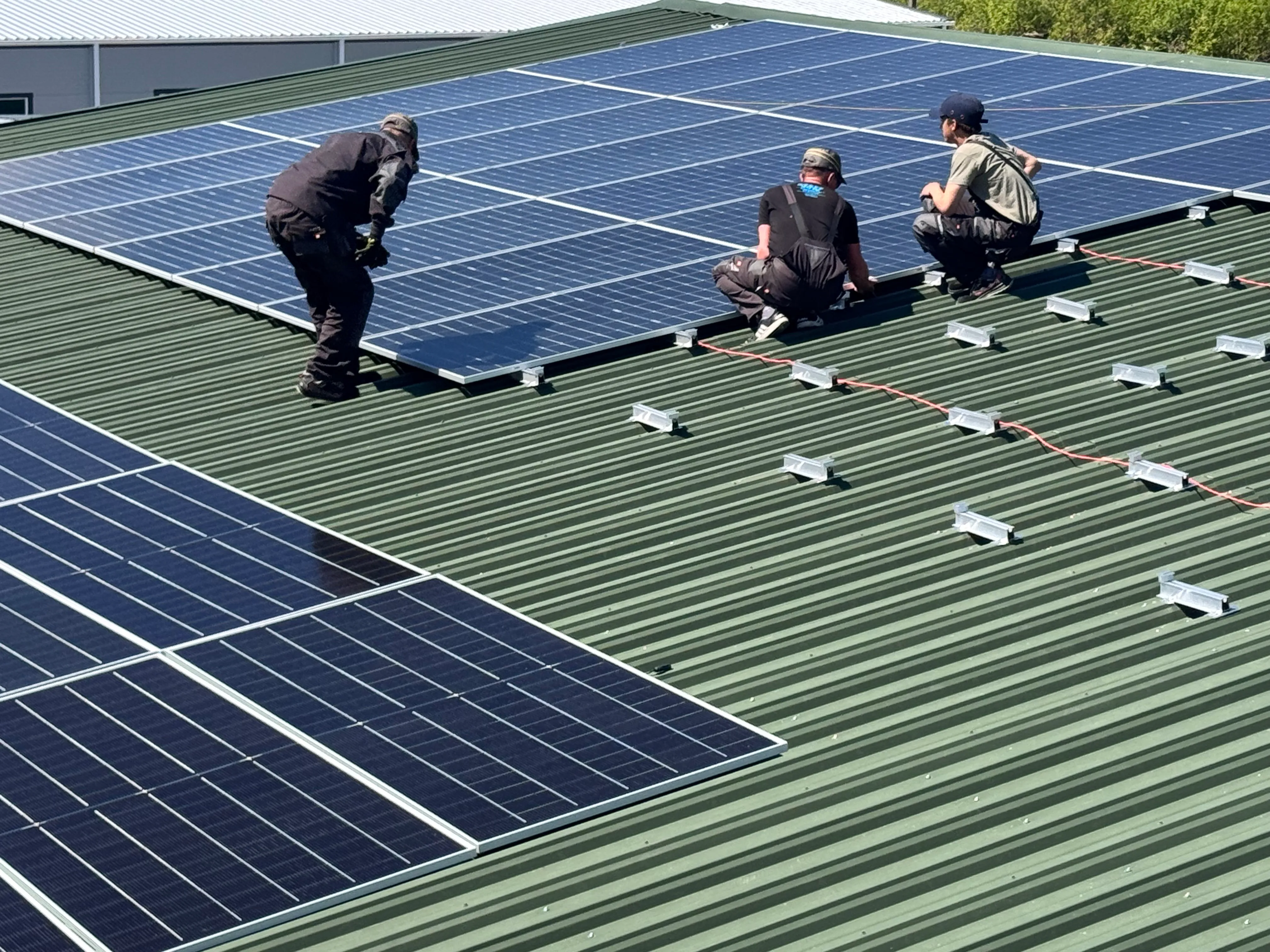
The hum of heavy machinery inside a door manufacturing facility in the central Ukrainian town of Bila Tserkva was once entirely dependent on a fragile, highly centralized national power grid. That reality shifted fundamentally after Russia’s full-scale invasion in February 2022. Facing persistent bombardment, targeted missile strikes on energy infrastructure, and debilitating rolling blackouts, factory owner Yaroslav confronted a grim choice: halt production during the brutal winter months or adapt. On a crisp spring day earlier this year, Yaroslav stood alongside technicians on his warehouse rooftop, surveying newly installed rows of photovoltaic panels designed to secure the plant’s future.
Switching to solar energy was no longer just an environmental or economic preference for the facility; it had become an absolute necessity for survival. “It will enable us to further expand our capacity and be a bit more independent from the general grid,” said Yaroslav, who requested that his last name be withheld and specific details of his facility remain confidential out of fear of Russian retaliation. “It will be cheaper, more economical, and more ecological.”
Yaroslav’s enterprise is far from an anomaly. Across Ukraine, a quiet energy revolution is underway. Driven by relentless attacks on traditional power stations, businesses, residential apartment complexes, and frontline communities are rapidly pivoting toward distributed renewable energy systems. What began as an emergency response to wartime blackouts has evolved into a strategic national pivot, fundamentally altering Ukraine’s energy landscape and laying the groundwork for a decentralized, resilient power infrastructure.
A Fragile Legacy: Ukraine’s Pre-War Energy Grid
Before the 2022 invasion, Ukraine operated under a traditional, highly centralized Soviet-style energy architecture. The system relied heavily on massive baseload facilities—predominantly four sprawling nuclear power plants that generated more than half of the nation’s electricity. Fossil fuels, including natural gas and coal, accounted for roughly a quarter of the energy mix, while hydroelectric and thermal power stations filled out the remainder.
Renewable energy sources made up a relatively small fraction of the total capacity, though the sector had experienced rapid growth in the years leading up to the war. This surge was largely spurred by the Ukrainian government’s “green tariff” program, launched to incentivize investments in solar and wind power by guaranteeing above-market purchase prices for electricity producers. Protected by legislation guaranteed until 2030, this initiative helped propel Ukrainian businesses and homeowners to install approximately 8 gigawatts of solar capacity by 2022.
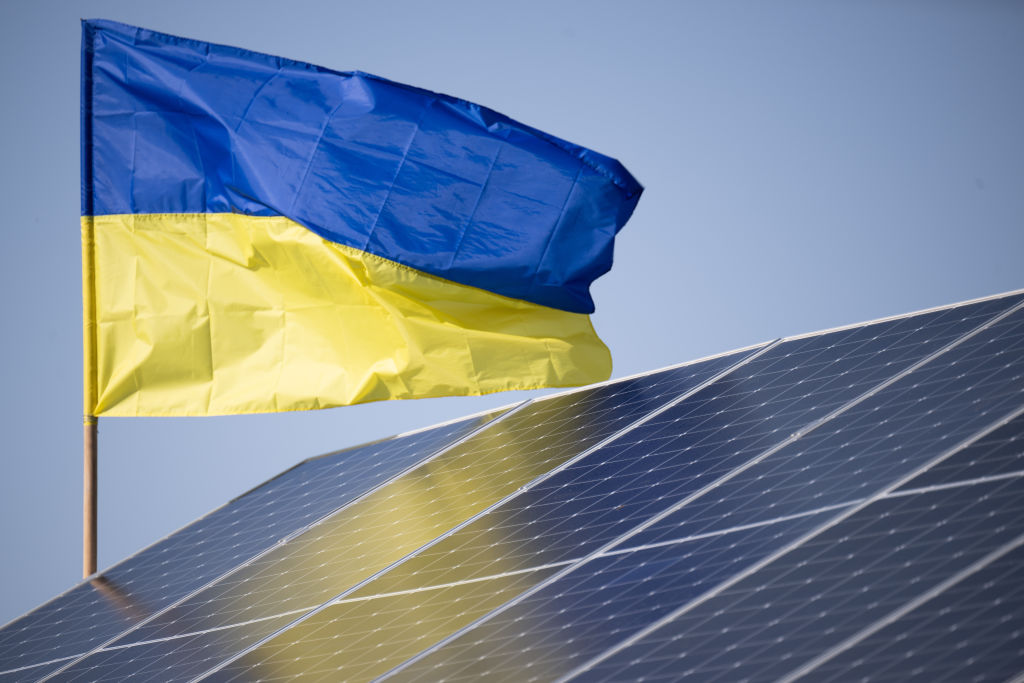
However, the concentration of heavy energy assets made Ukraine’s grid exceptionally vulnerable to targeted military aggression. When Russian forces launched their full-scale invasion, energy infrastructure immediately became a primary theater of war.
The Chronology of Destruction and Adaptation
The systematic degradation of Ukraine’s power grid unfolded across distinct phases over more than four years of war, directly shaping the timeline of the country’s decentralized energy adoption.
- 2022–2023 (The Initial Shock): In the opening months of the war, Russian forces targeted transmission lines, substations, and generation plants. The seizure of the Zaporizhzhia nuclear power plant in southeastern Ukraine—Europe’s largest atomic facility—deprived the grid of vital baseload capacity. By the winter of 2022, systematic bombardments plunged millions into darkness and freezing temperatures, forcing nationwide rolling blackouts.
- 2024 (The Renewable Resurgence): Realizing that centralized restoration efforts were continually undermined by recurring missile barrages, businesses and municipal authorities began seriously exploring distributed generation. Suppliers like Yasno, a major private Ukrainian electricity and gas supplier that had temporarily paused commercial installation projects during the first two years of the conflict, resumed operations in the summer of 2024 to meet surging demand for rooftop solar arrays.
- 2025–2026 (Accelerated Decentralization): The crisis peaked in severity during the winter of 2025–2026, when temperatures plummeted to -1 degree Fahrenheit. With Kyiv’s capital region possessing only half the electricity supply it required, President Volodymyr Zelenskyy declared a state of emergency. In response, private installations exploded. The Solar Energy Association of Ukraine estimated that 1.5 gigawatts of new solar capacity were built in 2025 alone—nearly double the output of the previous year—with 2026 installations tracking at an equally aggressive pace.
Economic Incentives and Government Support
Transitioning to solar power requires significant capital expenditure, a daunting prospect for businesses and citizens weathering a wartime economy. To overcome this hurdle, the Ukrainian government implemented aggressive financial incentives and loan programs designed to foster distributed generation.
Chief among these initiatives is the “Affordable Loans 5-7-9” program, which offers preferential commercial loans specifically earmarked for the purchase and installation of solar panels, inverters, and backup battery storage. Depending on the size and sector of the business, interest rates are heavily subsidized to 5, 7, or 9 percent. Crucially, these loans can cover up to 80 percent of total installation costs.
Commercial providers like Yasno have acted as vital conduits for these projects. In the wake of renewed demand, Yasno completed solar installations across 117 commercial and industrial sites, amassing a combined operational capacity of 23 megawatts.
Volodymyr Hershtun, a service maintenance manager with Yasno who spearheaded the Bila Tserkva warehouse project, emphasized the strategic rationale behind the push for renewables. “The enemy is trying to destroy energy infrastructure, and we are building what is very easy to restore,” Hershtun noted. “And those same systems can store electric energy.”
Urban Adaptation: Rooftop Solar in Residential High-Rises
The shift toward renewable energy extends far beyond industrial warehouses and manufacturing plants; it is increasingly transforming urban residential architecture.
During the freezing winter months, high-rise apartment buildings in major urban centers like Kyiv frequently lost electrical power, disabling water pumps, elevators, and central heating boilers. In response, residential management companies and tenants’ associations have begun pooling resources to install rooftop solar arrays coupled with battery storage banks.
Volodymyr, a Kyiv-based taxi driver whose apartment building experienced prolonged heating and power losses last winter, explained how the community rallied to secure their building. Facing severe outages, the building management opted to utilize the government’s 5-7-9 loan framework to install solar panels capable of running essential building infrastructure, such as water booster pumps and emergency lighting.
“It’s a cool thing that the government covers at least part of the cost,” Volodymyr said. “In emergency cases, during power outages, you could turn to the solar panels. There is no harm to the planet. It’s a good thing.”
Frontline Realities and Grassroots Resilience
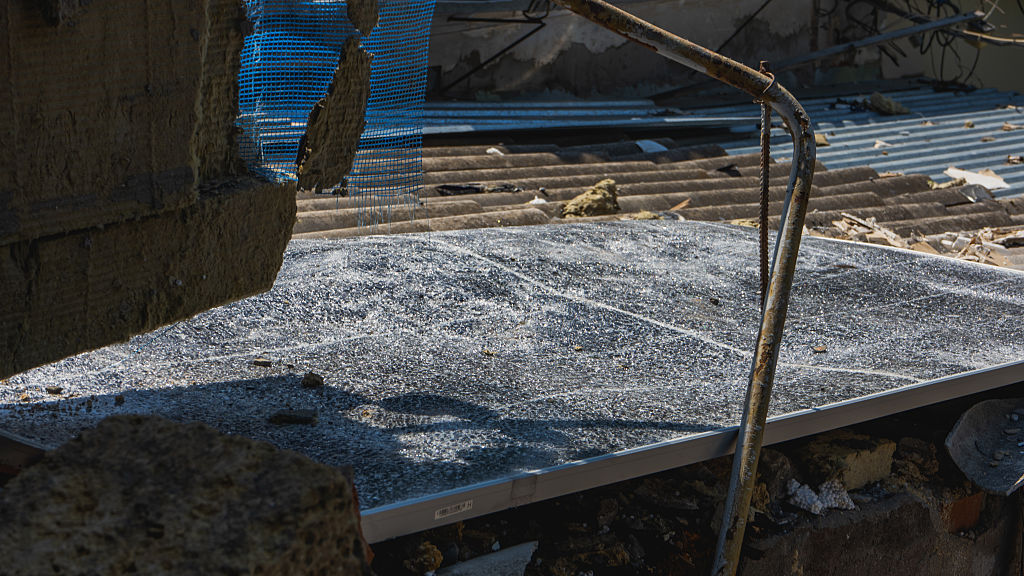
While urban centers utilize commercial loans and corporate suppliers, communities situated near active frontlines face an entirely different set of challenges. In towns and villages bordering active combat zones, traditional energy grids have been obliterated. Power lines are frequently downed by artillery fire, and repair crews often cannot reach damaged substations due to the constant threat of drone attacks and shelling.
In these isolated regions, international NGOs and grassroots volunteers have stepped in to bridge the gap. Organizations like Kosmo Tabir have spearheaded initiatives to deliver modular solar and battery kits to frontline settlements, allowing residents to maintain basic communications, water filtration, and medical access.
Denny Ugorchuk, founder of Kosmo Tabir, noted that while large-scale installations rely on Western donor funding, smaller community projects are frequently financed through local crowdfunding. In one frontline village, a residential solar installation provided a 50-year-old resident with the independent power required to complete online university courses despite total grid collapse.
“In Ukraine, solar panels are a basic human right,” Ugorchuk asserted. “People should have access to communicate with one another—you can call a doctor, the police, and it helps you feel safe.”
Broader Implications and Future Outlook
The rapid decentralization of Ukraine’s energy grid carries profound implications for the nation’s long-term economic and geopolitical trajectory. Economists and energy analysts point out that while the immediate catalyst for the solar boom is wartime survival, the resulting infrastructure will permanently modernize Ukraine’s power grid.
According to Anastasia Vereshchynska, director of the European-Ukrainian Energy Agency, the pivot to renewables aligns seamlessly with European Union standards and long-term decarbonization goals. “Renewables have become the very obvious choice for Ukraine when the full-scale invasion started and when Russia started deliberately and heavily attacking the energy infrastructure, especially the centralized generation facilities,” Vereshchynska said.
Despite these positive developments, challenges remain. National Bank of Ukraine reports indicate that ongoing energy infrastructure deficits have driven macroeconomic downward pressures, raising expected electricity generation deficits from 3 percent to 6 percent. Furthermore, roughly 30 percent of pre-war solar capacity and the majority of the country’s southern wind farms remain destroyed, damaged, or trapped under Russian occupation.
Nevertheless, the adaptability demonstrated by Ukrainian enterprises, municipalities, and citizens signals a permanent shift away from centralized vulnerability. By decentralizing power generation through rooftop solar arrays, modular storage units, and community microgrids, Ukraine is building an energy system that is not only capable of surviving the current conflict, but is uniquely armored for the future.