U.S. Pacific Territories Face Looming Threat of Deep-Sea Mining as Federal Administration Fast-Tracks Seafloor Leases


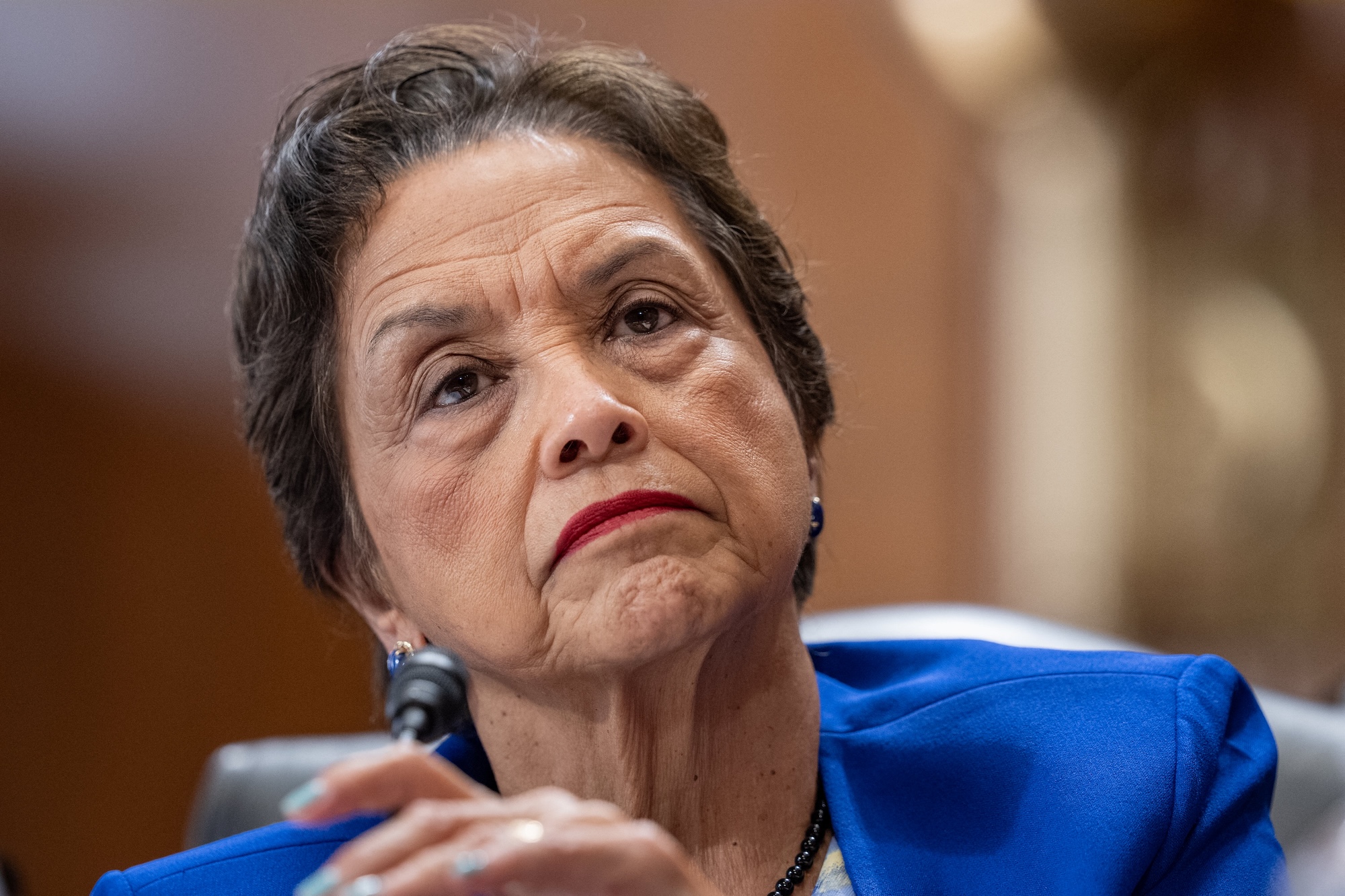
For Lou Leon Guerrero, the governor of Guam, the federal government’s intentions to auction millions of acres of surrounding seafloor for industrial extraction were not communicated through diplomatic channels or advanced briefings. Instead, on November 12, the news arrived via a digital link sent by an advisor after a journalist inquired about an unfolding policy initiative. The Trump administration was quietly preparing to lease vast tracts of the Pacific seabed to commercial mining companies as part of a national strategy to secure critical mineral supply chains. Stunned by the revelation, Leon Guerrero recalled the exact date, noting that local leadership had received zero prior notification regarding plans that would directly impact their waters, marine ecosystems, and economy.
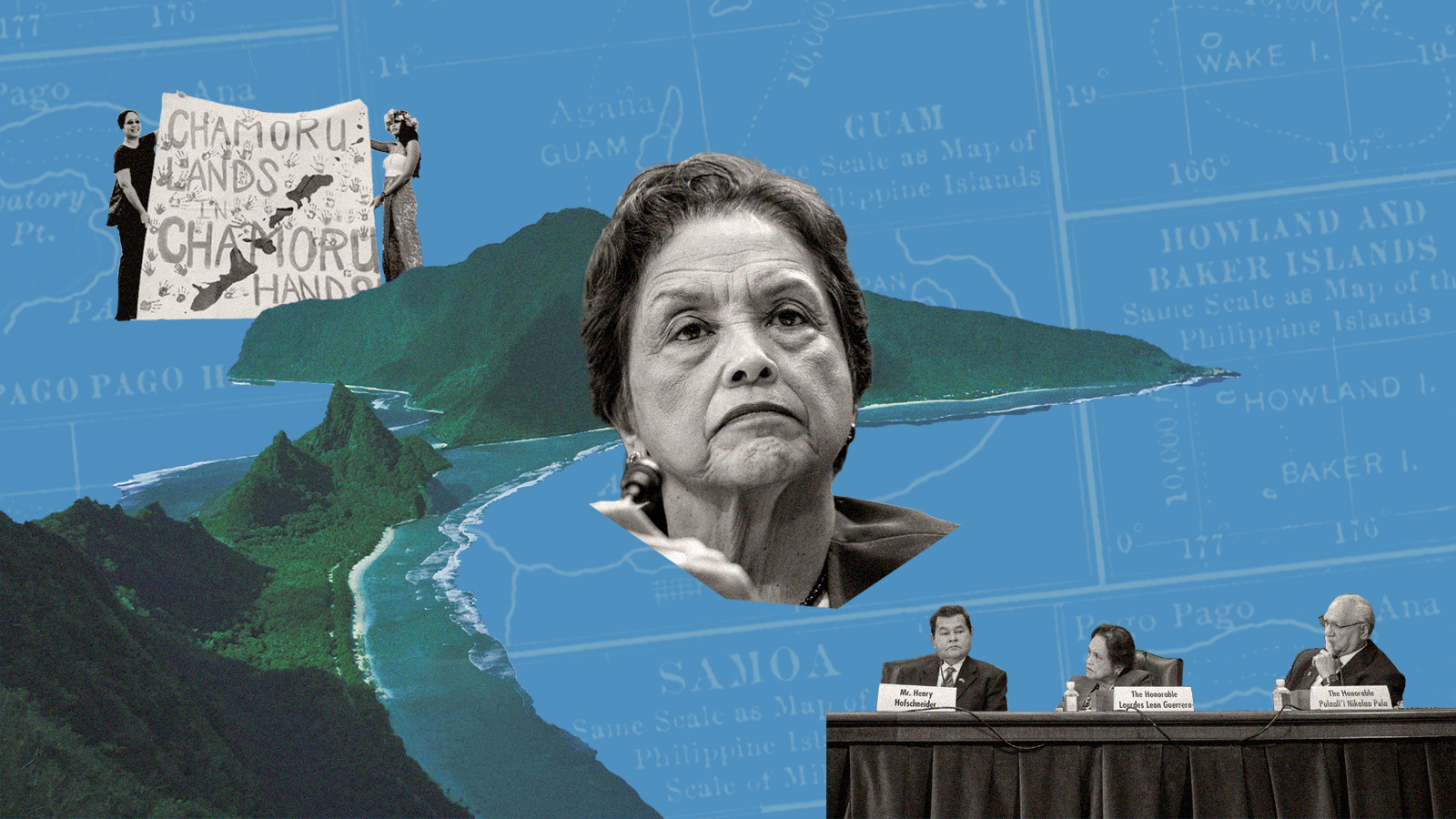
The revelation triggered a swift chain of communications among regional leaders. Leon Guerrero immediately contacted David Apatang, the governor of the neighboring Commonwealth of the Northern Mariana Islands (CNMI), to share their mutual dismay over the lack of federal consultation. Shortly thereafter, the Guam governor reached out to Bill Hague, an official within the Department of Interior responsible for managing federal relations with territorial leaders and tribal nations. While Hague reportedly reassured local officials that mining operations would not advance without community support, subsequent federal actions quickly undermined those assurances, sparking a profound constitutional and environmental showdown across America’s Pacific territories.
The Federal Critical Minerals Push and Pacific Lease Sales
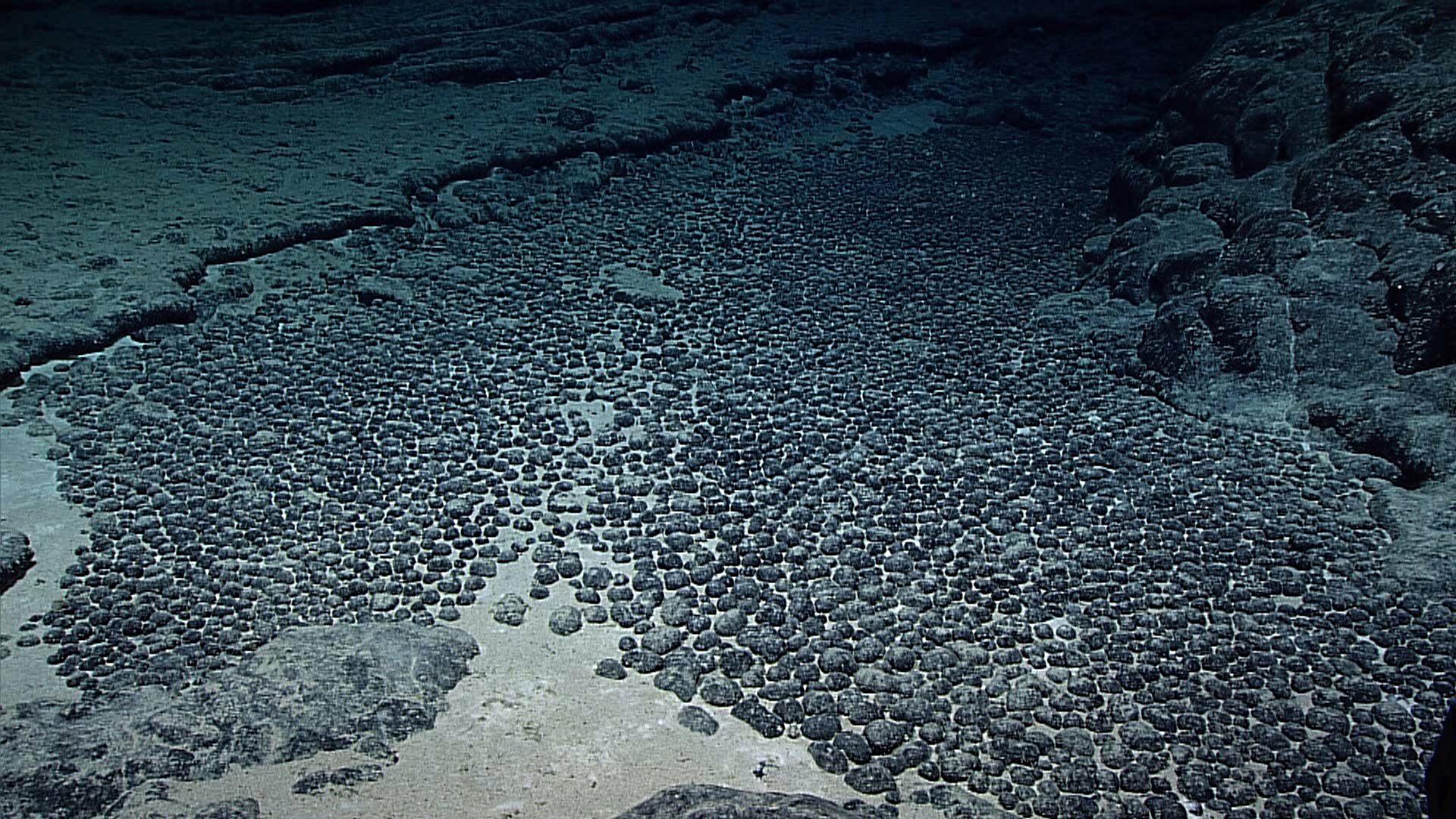
At the core of the federal administration’s push is an aggressive strategy to decouple domestic manufacturing and military supply chains from China, which currently commands a near-monopoly on global processing markets. The targeted seabed minerals—including copper, manganese, nickel, and rare earth elements—are vital components for advanced defense technologies, aerospace engineering, and high-capacity battery manufacturing.

To accelerate extraction, the Marine Minerals Administration (MMA) and the Bureau of Ocean Management (BOEM) initiated a series of sweeping offshore lease sales across U.S. Pacific island territories. In July, federal regulators announced plans to auction access to 31 million acres of the continental shelf surrounding American Samoa by mid-November. Just one month later, the agency unveiled a complementary proposal to lease more than 67 million acres spanning both sides of the Marianas archipelago, which encompasses Guam and the Commonwealth of the Northern Mariana Islands. Notably, approximately half of the acreage proposed for the Marianas lease sale directly borders a protected national marine monument established by President George W. Bush.
Colonial Frameworks and the Absence of Self-Determination
The unilateral rollout of these lease sales has laid bare the stark structural inequalities inherent in the political status of U.S. territories. Unlike neighboring independent Pacific island nations—such as Samoa, which sits a mere 40 miles northwest of American Samoa and exercises absolute jurisdiction over its maritime boundaries—territories like Guam, American Samoa, and the CNMI are subject to federal mandates enacted without their consent.
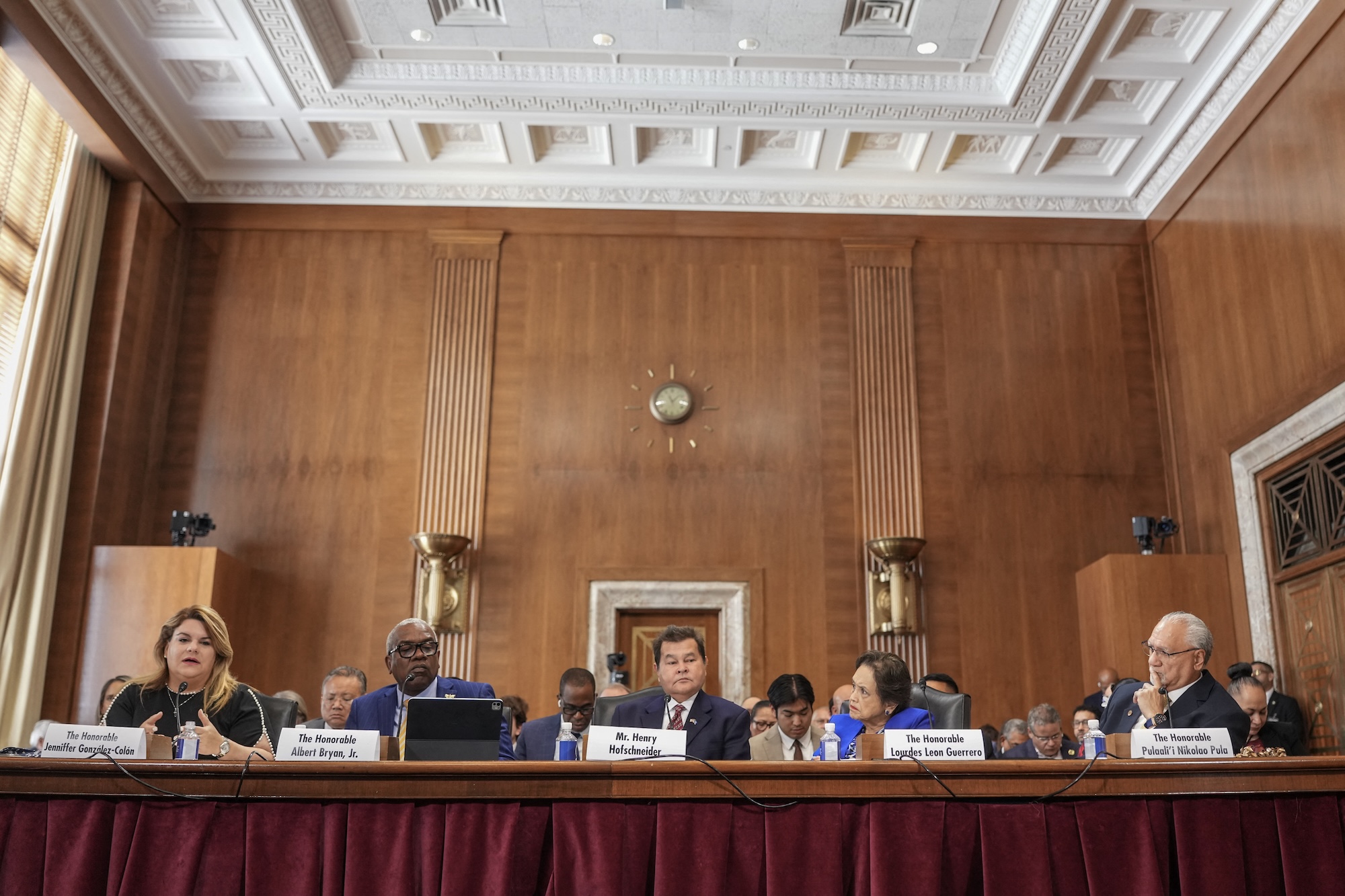
Under international standards, Indigenous populations possess the recognized right to free, prior, and informed consent regarding industrial projects affecting their ancestral lands and waters. However, federal authorities maintain that U.S. domestic law grants the executive branch sweeping jurisdiction over the Outer Continental Shelf, superseding local opposition.
Legal and political experts point out that this dynamic is the direct continuation of a century-old colonial framework. Residents of these U.S. territories cannot vote for the president, lack voting representation in Congress, and possess negligible institutional mechanisms to halt federal decisions. Adi Martínez-Román, co-director of the advocacy group Right to Democracy, notes that these communities remain functionally invisible to the broader American public and federal decision-makers, illustrating an insidious structural disenfranchisement.
Local Resistance, Legal Battles, and Economic Realities
Local leaders, environmental advocates, and community members have mounted fierce opposition to the mining initiatives. Environmental law organizations, notably Earthjustice, have filed federal lawsuits against the administration on behalf of regional conservation groups in American Samoa and the Mariana Islands. The legal challenges argue that the federal government is advancing lease sales without conducting adequate environmental reviews or determining potential harms to protected species under the Endangered Species Act, such as whales and sea turtles.
The economic justifications presented by federal proponents have also faced intense skepticism from local populations whose livelihoods depend on marine resources. In American Samoa, the private sector is heavily reliant on the fishing industry; a single StarKist tuna cannery employs roughly 2,000 workers and accounts for approximately 80 percent of local private-sector employment. Scientific studies have warned that deep-sea mining operations could generate expansive sediment plumes capable of disrupting pelagic fisheries, threatening the foundational economic stability of the islands.
Furthermore, economic analyses indicate that proposed financial arrangements may fail to deliver meaningful revenue to the territories. While federal notices suggest potential investments in local workforce training and infrastructure upgrades, these provisions are non-binding. Territorial leaders, including American Samoa Governor Pula’ali’i Nikolao Pula and CNMI House Delegate Kimberlyn King-Hinds, have increasingly focused on securing mandatory revenue-sharing agreements, such as a proposed 50-50 split on mineral extraction revenues, should the federal government proceed despite local objections.
Climate Crises Compound Community Strain
The imposition of deep-sea mining policies coincides with mounting environmental pressures in the Pacific, where communities are already managing the frontline impacts of climate change. Earlier in the year, severe weather events, including powerful typhoons such as Typhoon Sinlaku, battered the Mariana Islands, destroying critical infrastructure and leaving residents without power or running water for weeks.

For community advocates like Sheila Babauta, a former CNMI lawmaker and environmental activist, navigating immediate disaster recovery while trying to monitor rapidly shifting federal mining policies has stretched local capacity to its absolute limit. Activists argue that the federal administration is exploiting the distraction of climate-fueled disasters to push through industrial agendas.
Beyond economics and governance, the prospective mining operations threaten profound cultural losses. Traditional practices such as non-instrument seafaring—navigating vast ocean expanses using stars, wave patterns, and marine wildlife behaviors—rely on undisturbed ocean ecosystems. Indigenous cultural leaders, such as traditional navigator and canoe house coordinator John Castro in Saipan, warn that industrial disruption and noise pollution could alter marine migration patterns, jeopardizing the hard-won revival of ancient navigational knowledge across the Pacific.
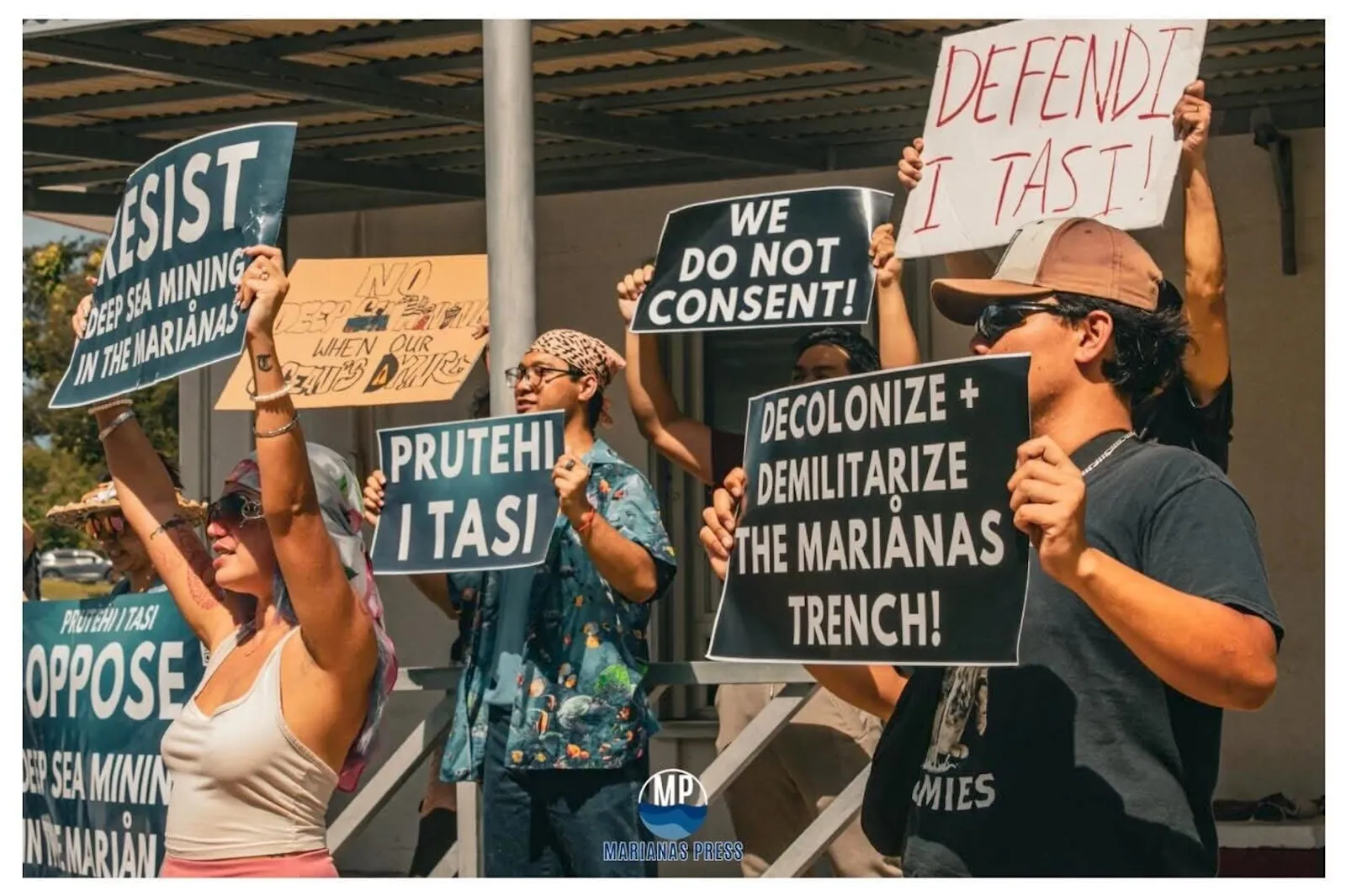
As legal challenges wind through the courts and federal agencies continue to process exploration frameworks, the residents of America’s Pacific territories find themselves caught between urgent demands for domestic critical minerals and their enduring struggle for sovereignty, self-determination, and the preservation of their ocean home.
Related posts: