Washington State House Candidate Krista Perez Faces DUI Charges Following Multi-Vehicle Tacoma Crash and Arrest Captured on Police Bodycam

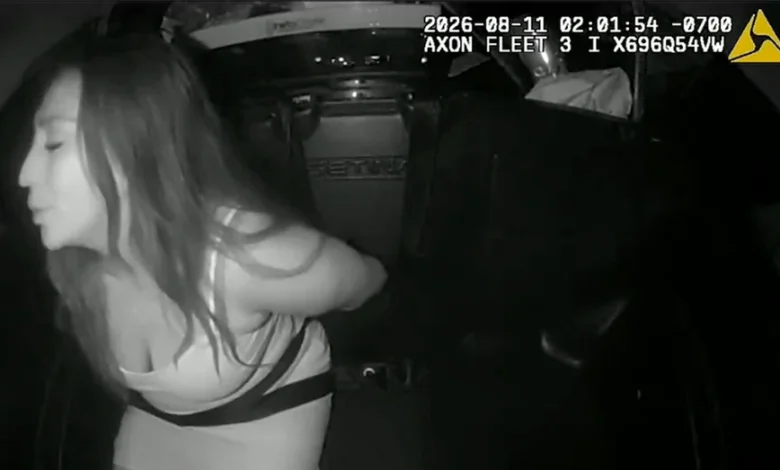
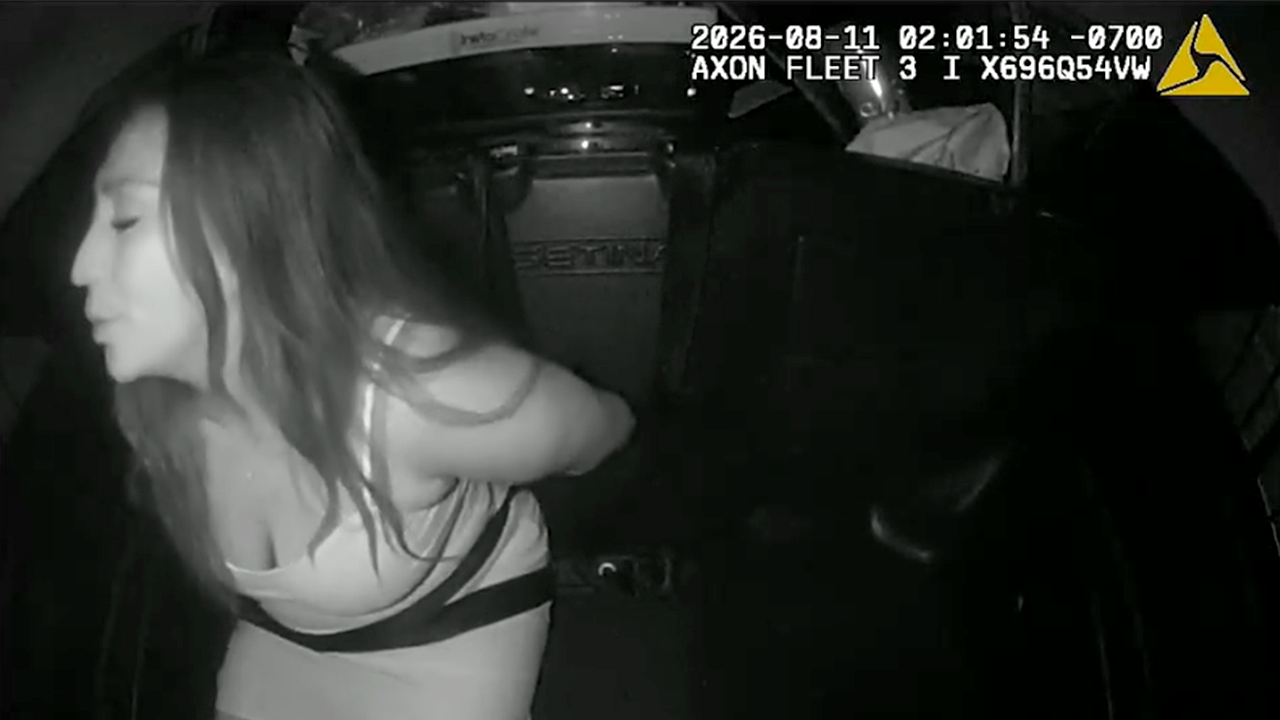
Washington state legislative candidate Krista Perez is facing serious legal scrutiny after being arrested for driving under the influence (DUI) following a late-night collision in Tacoma that ultimately damaged five parked vehicles. Perez, a Democrat who secured a spot in the November general election for the 29th Legislative District, Position 1, was taken into custody shortly after midnight on August 11. Newly released police body-camera footage has brought widespread public attention to the incident, showing the candidate’s interactions with law enforcement at the scene, her subsequent arrest, and her emotional reaction in the back of a police cruiser.
The incident underscores the increasing intersection of local politics, law enforcement records, and public accountability. As Perez prepares to face incumbent state Representative Melanie Morgan in the upcoming general election, legal analysts and political observers are closely monitoring how the criminal proceedings will affect her viability as a candidate. Under Washington state law, a criminal charge does not automatically disqualify an individual from running for or holding public office, leaving the ultimate decision to the voters in November.
Incident Chronology and the Tacoma Crash
The sequence of events leading to Perez’s arrest began shortly after midnight on August 11 along South G Street in Tacoma, Washington. According to incident reports from the Tacoma Police Department, a 2019 Chevrolet Silverado registered to Perez collided with a parked vehicle. The initial impact generated a chain reaction that ultimately involved and damaged a total of five parked cars lining the residential street.
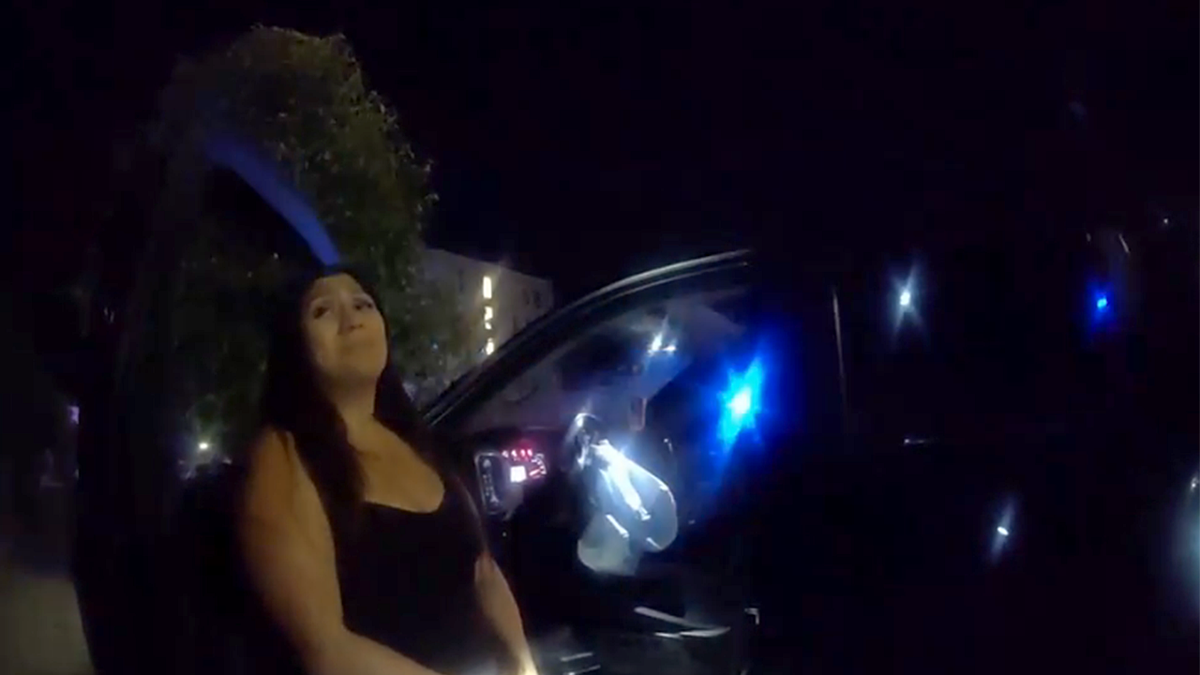
Emergency dispatchers received calls reporting the collision, prompting Tacoma Police officers to respond to the scene. Upon arrival, officers located Perez and her heavily damaged vehicle. Body-camera footage obtained through public records documents the initial engagement between law enforcement and the legislative candidate. When questioned about whether she had been involved in an accident, Perez initially expressed confusion, stating that she had never been in an automobile accident before and denying that any collision had occurred.
When officers requested standard identification and insurance documentation, Perez was able to name her insurance provider, mentioning that she had switched policies just weeks prior. In response to inquiries regarding her whereabouts prior to the incident, Perez explained that she had been driving from a friend’s commercial establishment located on Tacoma Avenue South.
The Field Sobriety Encounter and Refusal Allegations
As the investigation progressed, officers shifted their focus to determining whether impairment was a contributing factor in the multi-vehicle collision. The interaction highlights the standard protocol employed by law enforcement when evaluating drivers suspected of operating under the influence.
When an officer asked Perez if she had consumed any alcohol that evening, she acknowledged that she had consumed wine while at her friend’s business. Asked to quantify the amount, Perez stated she had consumed a single glass. When pressed for the size of the glass, she suggested that the officers contact the business directly to verify details.
An officer subsequently asked Perez to evaluate her own sobriety on a numerical scale from zero to ten, with zero representing complete sobriety. Initially, Perez responded by expressing a desire to go home. When the question was repeated, she self-rated her sobriety at a four.
Officers then offered Perez the opportunity to participate in standardized field sobriety tests. Throughout the exchange, officers explicitly informed Perez that the roadside tests were entirely voluntary. Despite this clarification, Perez repeatedly declined to perform the evaluations, continually asking to go home and expressing feelings of confusion.
"Not right now. I’d like to go home first," Perez told the officer when asked if she would consent to the tests.
The officer reiterated that returning home was not an immediate option and pressed for a definitive answer regarding the voluntary evaluations. After multiple prompts, Perez explicitly declined the testing protocol. Officers subsequently informed her that she was under arrest for driving under the influence and instructed her to place her hands behind her back. Perez expressed shock and confusion as officers placed her in handcuffs, stating that she did not understand the gravity of the situation.
Breath Test Complications and Legal Enhancements
Following her arrest at the scene, Perez was transported to Tacoma Police headquarters for further processing, which included breathalyzer testing to determine her blood alcohol concentration (BAC). According to court documents and prosecutors, Perez was charged with driving under the influence alongside a "refusal enhancement."
In Washington state, declining roadside field sobriety evaluations is a legal right and does not carry direct administrative penalties, as those tests are strictly voluntary. However, the refusal enhancement filed by prosecutors in this case stems from events that transpired later at the police station. Law enforcement reports indicate that Perez failed to provide a sufficient, usable breath sample after three separate attempts on the evidentiary breath-testing machine, causing the system to time out. Under state statute, failing to provide a usable breath sample during a lawful post-arrest investigation can be classified as a refusal, which prosecutors can use to seek enhanced penalties in court.
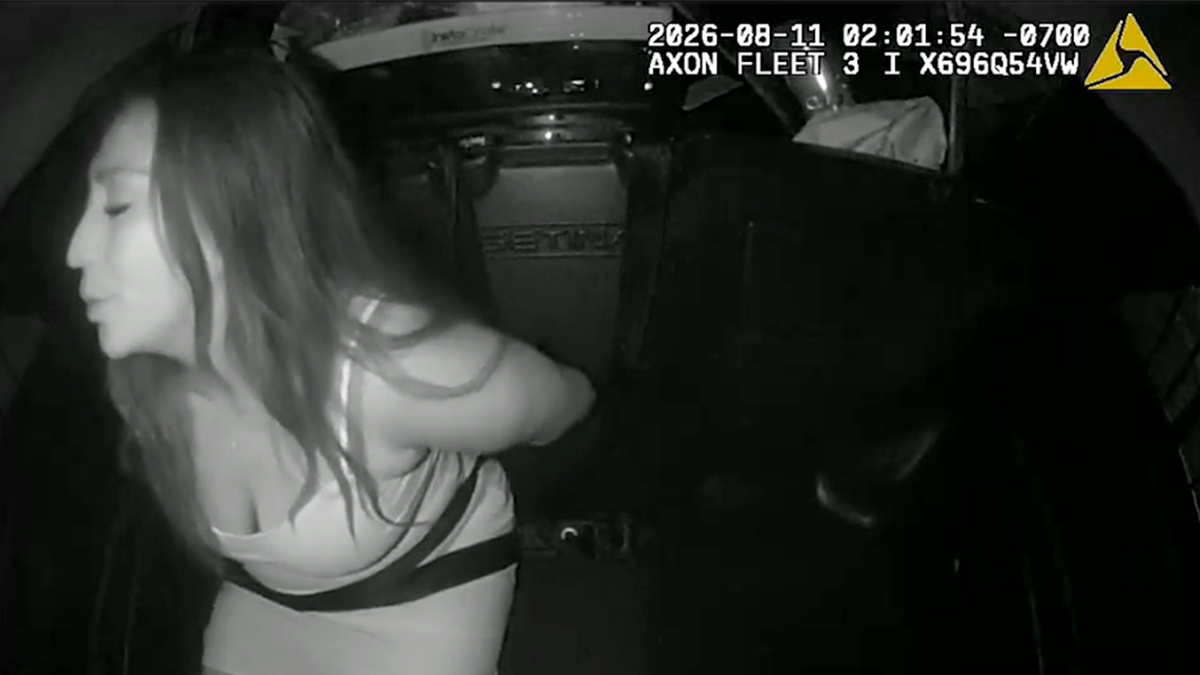
Footage from the interior of the Tacoma Police patrol vehicle further captured the emotional aftermath of the arrest. While seated alone in the back of the cruiser, Perez was recorded sobbing, praying aloud, and asking for divine intervention for several minutes. "Help me, God. Help me. Help me. Holy Spirit, help me, God," she was heard saying in the video.
Political Context and the 29th Legislative District Race
The timing of the arrest places Perez at the center of a high-stakes political contest. In last month’s primary election for the 29th Legislative District, Position 1, Perez finished in first place. Under Washington’s top-two primary system, she advanced to the November general election, where she is scheduled to compete against incumbent Democratic state Representative Melanie Morgan.
The 29th Legislative District encompasses parts of Pierce County, including Tacoma, Lakewood, and Edgewood. The race is a closely watched contest within regional Democratic circles, given that both candidates are members of the same party. The entrance of criminal charges into the campaign narrative introduces an unpredictable dynamic for voters as they weigh legislative qualifications against personal conduct.
Legal experts and political strategists note that a criminal charge or conviction does not legally bar an individual from serving in the Washington state Legislature. The state constitution outlines specific requirements for legislative office—such as age, citizenship, and residency—but does not disqualify candidates based on pending criminal matters. Consequently, the ultimate referendum on Perez’s candidacy will occur at the ballot box in November.
Broader Incidents Involving Washington Lawmakers
Perez’s arrest is not the first time a sitting Washington lawmaker or legislative candidate has faced public scrutiny over alcohol-related incidents. The legislature has previously navigated controversies involving elected officials and alcohol consumption.
Earlier this year, House Majority Leader Joe Fitzgibbon drew public attention and subsequent criticism after acknowledging that he had consumed alcohol prior to participating in a House Appropriations Committee hearing in February. Fitzgibbon issued a public apology acknowledging poor judgment, taking full responsibility for his actions, and assuring constituents that the behavior would not be repeated. Despite the controversy, Fitzgibbon retained his leadership position and legislative seat.
Such precedents indicate that while political fallout varies depending on public pressure and party leadership response, legal infractions do not automatically result in legislative expulsion or forced resignations.
Legal and Policy Implications
As the legal process moves forward, Perez is expected to make subsequent court appearances in Pierce County to address the DUI charge and the associated refusal enhancement. Her defense counsel will have the opportunity to review the body-camera footage, police reports, and calibration records of the breath-testing equipment used at the station.
The case also highlights broader policy discussions surrounding DUI enforcement, the use of evidentiary breath tests, and the transparency afforded by police body-worn cameras. In recent years, Washington municipalities have increasingly utilized public records laws to release audio and video footage of high-profile arrests, contributing to heightened public visibility of criminal investigations involving public figures.
For voters in the 29th Legislative District, the upcoming weeks will require balancing evaluation of the candidates’ policy platforms with considerations of personal accountability and fitness for public office. As the November general election approaches, both campaigns are expected to navigate the fallout from the arrest while addressing pressing local issues ranging from public safety to economic development within Pierce County.