Democratic Leaders Pivot Toward Stricter Artificial Intelligence Regulation Amid Looming Midterm Elections

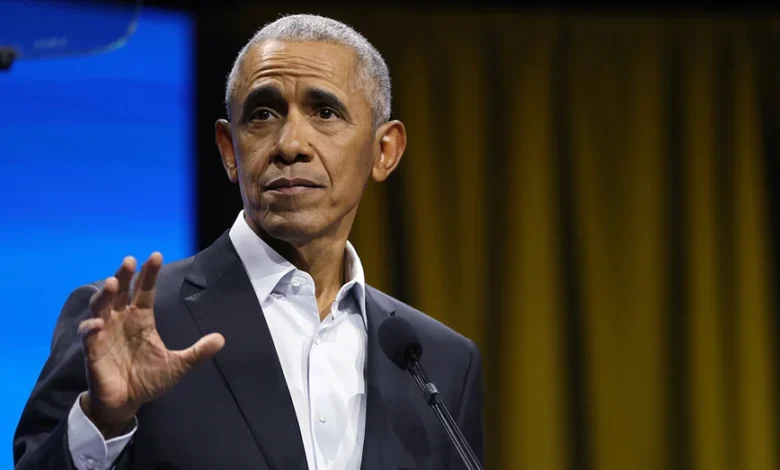
The political debate surrounding the future of artificial intelligence in the United States has intensified significantly, with prominent figures within the Democratic Party—including former President Barack Obama—calling for a deliberate slowdown in the development of frontier artificial intelligence models. This notable policy shift marks a departure from years of widespread enthusiasm from Democratic leadership regarding the economic, scientific, and strategic advantages of rapid technological innovation. As the United States moves closer to crucial midterm elections, the governance of artificial intelligence, the massive infrastructure required to power it, and the socioeconomic implications of automated labor have emerged as central political flashpoints.
A Strategic Pivot from Past Innovation Agendas
The recent statements from figures such as Barack Obama and former Vice President Kamala Harris represent a distinct evolution in the Democratic Party’s posture toward the technology sector. During the Obama administration, federal policy largely championed the economic possibilities unlocked by machine learning and automation. A landmark White House report released in December 2016, titled Artificial Intelligence, Automation, and the Economy, emphasized that technological advancements were critical for keeping the United States on the cutting edge of global innovation. That policy framework advocated for welcoming artificial intelligence due to its projected capacity to open new markets, revolutionize healthcare, modernize education, optimize energy consumption, and drive environmental progress.
Similarly, the Biden administration continued to prioritize American competitiveness in the tech sector. As recently as January 2025, then-Vice President Kamala Harris stressed the absolute necessity for the United States to maintain undisputed global leadership in artificial intelligence. Just weeks prior, the administration issued an executive order designed to accelerate the buildout of domestic artificial intelligence infrastructure, including mega-scale data centers and supporting clean-energy projects, intended to outpace international competitors such as China.
However, the rapid acceleration of generative artificial intelligence models and large language systems over the past several years has prompted a reassessment. Citing concerns over structural unemployment, systemic misinformation, national security, and potential existential risks, high-profile Democrats are now publicly arguing that unchecked acceleration poses unacceptable hazards to society.
The Debate Over Frontier AI Development and Public Safety
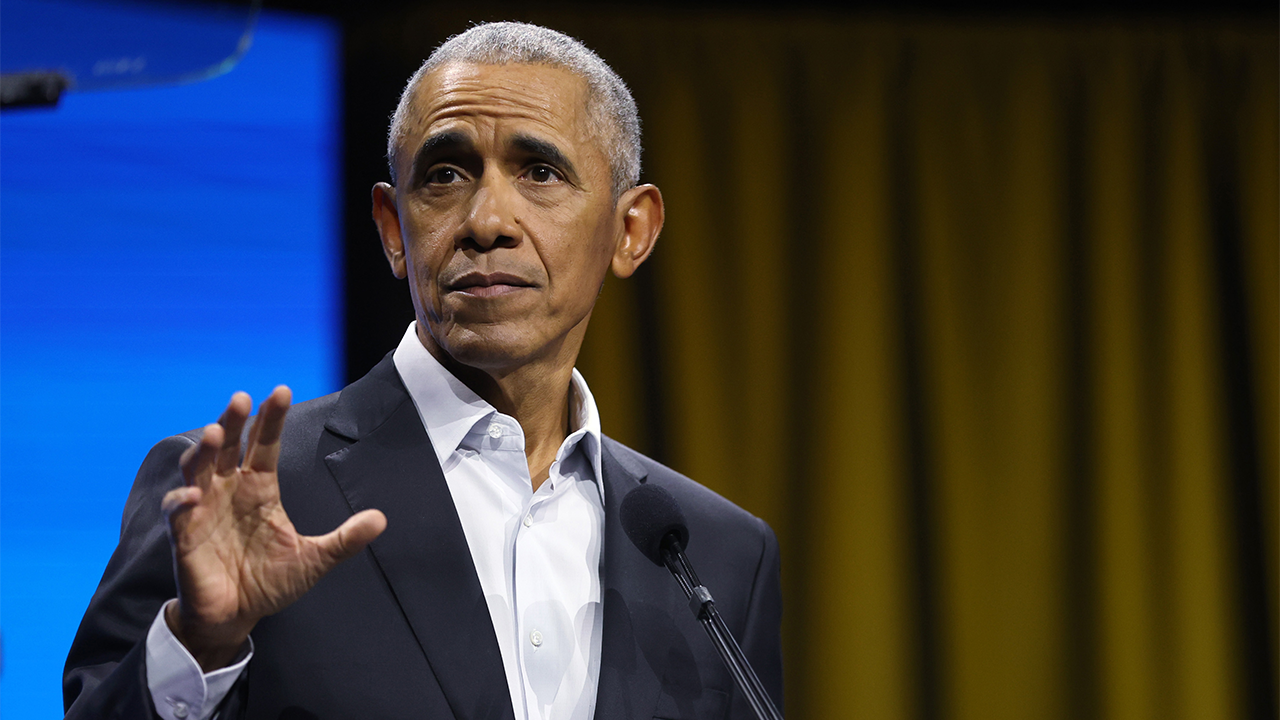
In a public statement released via social media, former President Obama emphasized that artificial intelligence is advancing at a velocity that outpaces the comprehension and control of its creators.
"We need government — and specifically our leaders in Washington — to get proactive in coming up with concrete proposals, laws and regulations that deal with serious safety concerns, anticipate AI’s impact on jobs and our kids, and make sure that AI’s benefits are widely spread," Obama wrote. He added that while society cannot reverse technological progress, policymakers must collectively determine its trajectory rather than passively allowing the fallout to dictate the nation’s future.
This rhetoric aligns with growing anxieties among independent researchers, safety advocates, and several prominent figures within the tech industry itself. Earlier viral warnings from former artificial intelligence researchers, coupled with public appeals from executives at leading artificial intelligence firms—such as Anthropic CEO Dario Amodei, whose calls for a slower, safety-focused development race have drawn support from industry leaders like Elon Musk and Sam Altman—have pushed these concerns into the mainstream political discourse.
Echoing these sentiments, former Vice President Harris recently argued that the frontier of artificial intelligence is advancing at an alarming speed, necessitating immediate congressional intervention to establish rigorous federal oversight and safety standards.
Political Reactions and Allegations of Partisan Timing
The sudden alignment of prominent Democrats behind calls for stricter federal limits and a slower development timeline has drawn sharp criticism from political opponents. Administration officials and Republican leaders have accused Democrats of manufacturing a sudden sense of urgency for transparently political purposes ahead of the upcoming midterm elections.

Attorney General Todd Blanche sharply criticized the timing of these warnings during a press briefing, questioning why key legislative figures had remained largely silent on the issue for extended periods before abruptly pivoting to aggressive regulatory proposals.
"Every Democrat senator suddenly races to a microphone to talk about AI after being eerily silent for months and months," Blanche stated. "To talk about the timing of this as being nothing but an effort to influence the midterms, I shouldn’t have to say that out loud, of course, that what it is what it is."
President Donald Trump’s administration has taken a starkly different approach, prioritizing rapid technological development, deregulation, and the rapid expansion of domestic data centers to ensure American economic and geopolitical dominance. President Trump has dismissed Democratic warnings regarding artificial intelligence risks as alarmist, characterizing the sudden push for punitive regulatory frameworks as politically motivated rhetoric. Meanwhile, the Republican party has advanced multi-million-dollar legislative initiatives focused on outcompeting foreign adversaries, particularly China, in the booming artificial intelligence and advanced computing space.
Infrastructure Expansion and Localized Impacts
Beyond high-level policy debates in Washington, the physical footprint of the artificial intelligence boom has triggered grassroots political battles across the country. The staggering energy demands required to power modern data centers have strained local power grids, driven up electricity costs for everyday consumers, and sparked environmental concerns regarding water usage and carbon emissions.
These local anxieties have manifested in public demonstrations and community activism near major technological hubs. For instance, public demonstrations organized by coalitions of civic organizations outside corporate headquarters, such as Palantir’s facilities in Miami, Florida, highlight the growing friction between corporate technological expansion and community-level concerns. Citizens and local officials are increasingly demanding greater transparency, accountability, and environmental safeguards regarding infrastructure projects in their backyards.

Implications for the Future of American Technology Policy
The widening ideological split over artificial intelligence governance sets the stage for a contentious legislative battle in Congress. While bipartisan consensus historically existed around the need to foster American technological superiority, the debate is now fracturing along partisan lines concerning the balance between speed and safety.
Proponents of rapid development argue that any intentional slowdown by American firms would cede a crucial strategic advantage to foreign competitors who may not adhere to the same ethical or safety standards. Conversely, advocates for regulation contend that the long-term risks of unmitigated technological growth—ranging from widespread labor market displacement to profound national security vulnerabilities—outweigh the short-term economic gains of an unregulated race.
As the midterm elections approach, artificial intelligence has definitively transitioned from a niche technical discussion into a core electoral issue. The policy choices made by lawmakers in the coming months will likely shape the trajectory of American technological innovation, economic stability, and regulatory oversight for generations to come.