Federal Investigators Scrutinize Rep. Ilhan Omar Over Immigration Records, Identity, and Resurfaced Social Media Posts

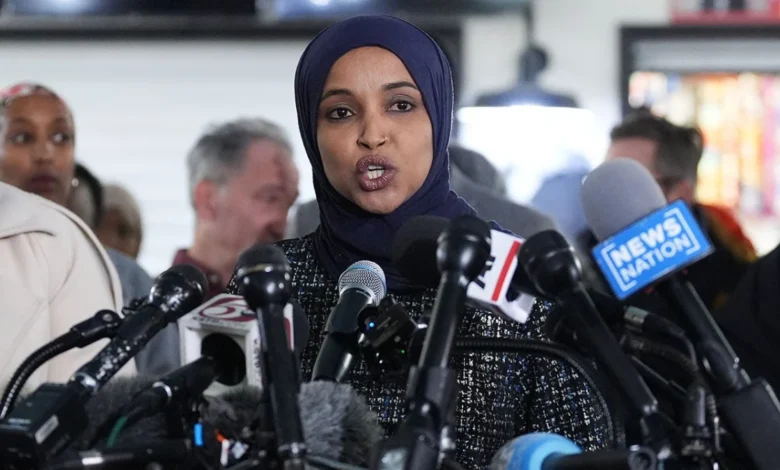
Federal investigators have intensified their examination into the immigration history, identity records, and past statements of Representative Ilhan Omar, a Democrat representing Minnesota. The ongoing criminal probe, which recently involved a federal search warrant executed at the congresswoman’s Washington, D.C., residence, centers around allegations of potential false statements made on historical immigration and naturalization documents. Compounding the scrutiny is the resurfacing of a long-deleted 2013 social media post in which Representative Omar appeared to refer to her father by a name that aligns with her former husband, sparking renewed questions regarding family lineage and naming conventions.
The investigation places renewed focus on the complex bureaucratic pathways of refugees, naturalization procedures, and the rigorous legal standards governing federal immigration filings. While federal authorities and legal experts evaluate the implications of discrepancies found within archival documents and court filings, Representative Omar and her legal representatives have vigorously denied any wrongdoing, characterizing the probe as a politically motivated attack.
Background and Origins of the Federal Probe
The current criminal investigation represents an escalation of long-running inquiries into Representative Omar’s background that date back to her initial emergence on the national political stage. Born in Mogadishu, Somalia, Omar and her family fled the Somali Civil War in the early 1990s, spending years in the Dadaab refugee camp in Kenya before immigrating legally to the United States in 1995 and eventually settling in Minneapolis, Minnesota.
Questions regarding her family relationships and historical documentation first surfaced prominently during her 2016 campaign for the Minnesota House of Representatives and intensified after her election to the United States Congress in 2018. Political opponents and investigative journalists have historically scrutinized the timeline of her family’s arrival, her marriage history—specifically her past marriage to Ahmed Nur Said Elmi—and the specific familial linkages between her relatives.
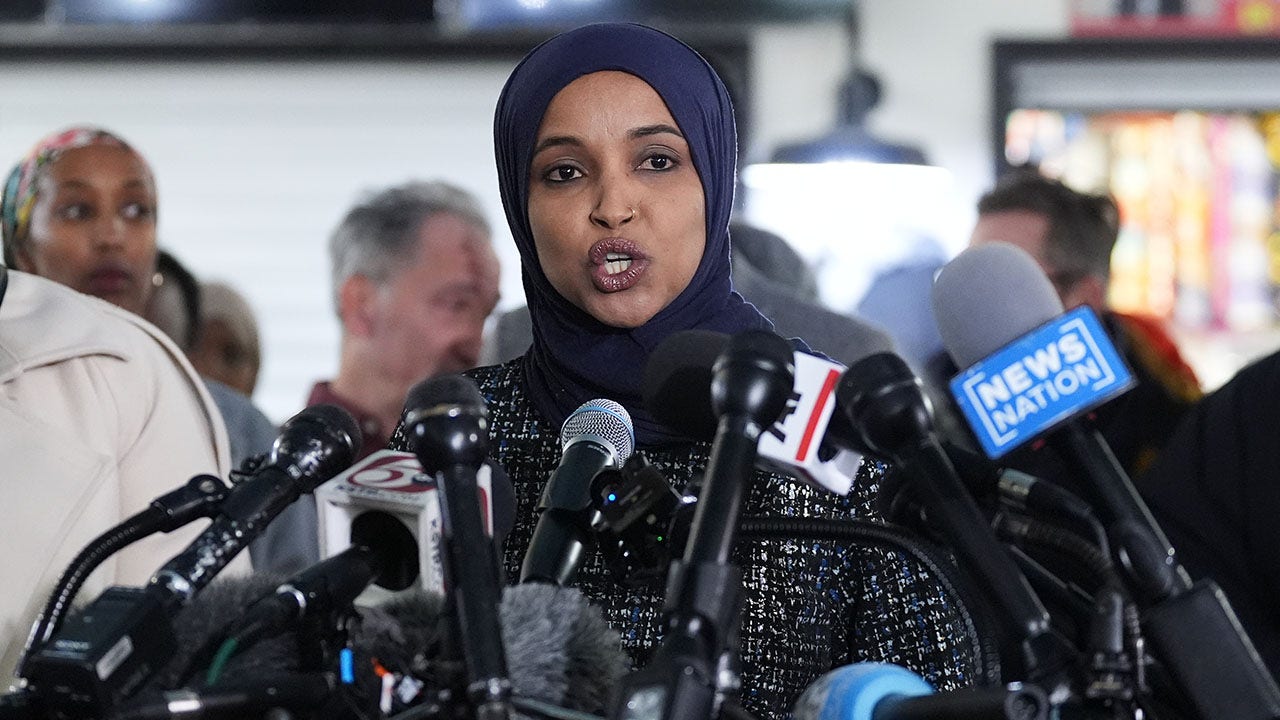
For years, Omar’s office and various defenders dismissed these allegations as xenophobic conspiracy theories rooted in anti-immigrant sentiment. However, the recent involvement of federal investigators, culminating in the execution of search warrants and the subpoenaing of relatives and associates, has shifted the matter from a partisan political talking point into a formal judicial inquiry overseen by federal law enforcement agencies.
The 2013 Deleted Social Media Post and Naming Discrepancies
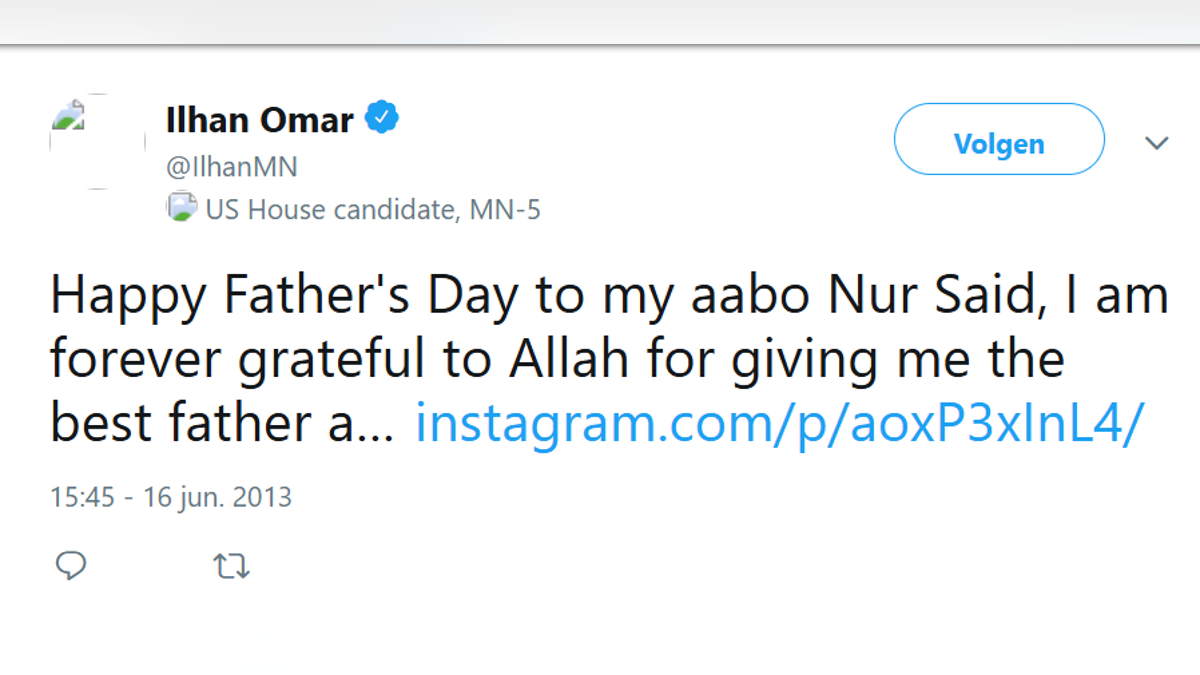
At the heart of the latest public scrutiny is a specific social media post from June 2013 that Representative Omar deleted on September 19, 2019, shortly after initial reports highlighted its contents. In the archived post, which was shared on the platform formerly known as Twitter, Omar wrote: “Happy Father’s Day to my aabo Nur Said, I am forever grateful to Allah for giving me the best father…”
The name "Nur Said" diverges from the name typically associated with her father in official congressional documents and public memorials. For instance, a memorial resolution published by the Congressional Black Caucus following his passing in 2020 referred to him as "Nur Omar Mohamed." Furthermore, academic and historical researchers specializing in Somali history have noted variations in how names are recorded during periods of displacement and official registration.
The similarity between the name "Nur Said" and that of her former husband, Ahmed Nur Said Elmi, has long served as foundational fuel for critics alleging irregularities in her background. In Somali culture, traditional naming conventions generally consist of a given name followed by the father’s given name and the paternal grandfather’s given name. Consequently, researchers note that shared paternal names or overlapping components are culturally common and do not, by themselves, constitute proof of a familial relationship or marital impropriety.
A statement previously attributed to a spokesperson for Representative Omar explained that "Nur Said" was her father’s childhood nickname and that he had maintained public profiles utilizing that variation. Furthermore, the spokesperson asserted at the time that the tweet was deleted due to a barrage of credible security threats directed at Omar and her family.
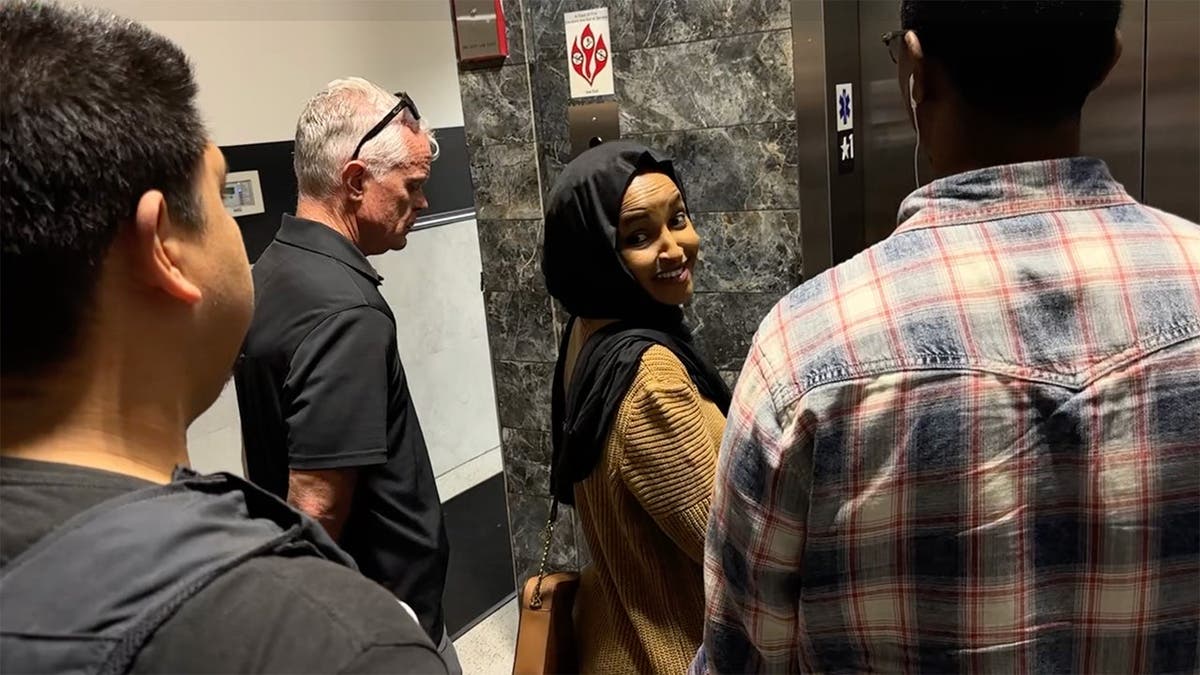
Recent Court Filings and Legal Arguments
The investigative spotlight intensified following recent federal court filings associated with the execution of the Washington, D.C., search warrant. Documents obtained by media outlets identified the congresswoman under the compound name "Ilhan Nur Said Elmi, aka Ilhan Abdullahi Omar."
When questioned by reporters regarding the appearance of the alternative name in federal paperwork, Representative Omar firmly maintained that her legal and authentic name is Ilhan Abdullahi Omar. "Ilhan Abdullahi Omar, you know it," she stated during an interview. "It’s Ilhan Abdullahi Omar."
Legal scholars and former federal immigration officials emphasize that the appearance of alternative names within government databases or investigative files does not automatically establish unlawful behavior or intentional misrepresentation. Immigration records compiled during periods of active conflict—such as the collapse of the Somali central government—frequently contain administrative errors, transliteration inconsistencies, and variations in naming orders due to language barriers and the absence of centralized municipal databases.
However, federal investigators are tasked with determining whether any discrepancies were introduced intentionally to secure immigration benefits, naturalization status, or public resources fraudulently.
Chronology of Key Events
The timeline surrounding Representative Omar’s background, public statements, and the current federal inquiry includes several notable milestones:
- 1991–1995: The Somali Civil War forces the Omar family to flee their home country. They reside in a Kenyan refugee camp before being resettled in the United States.
- 1995–2000s: The family establishes permanent residence in Minneapolis, Minnesota, where Omar completes her education and becomes involved in local civic and political activism.
- 2009–2017: Representative Omar enters into a marriage with Ahmed Nur Said Elmi, which ultimately concludes in a legal divorce in 2017. She subsequently marries Ahmed Hirsi in 2018.
- June 2013: Omar publishes a Father’s Day post on social media referring to her father as "Nur Said."
- September 2019: Amid escalating media inquiries regarding her family history and marriage records, Omar deletes the 2013 social media post.
- 2020: Representative Omar’s father passes away; the Congressional Black Caucus and other official bodies issue tributes referring to him as "Nur Omar Mohamed."
- October 2023–Present: Federal law enforcement agents execute search warrants at properties connected to Omar, seize electronic devices, and issue subpoenas to relatives as part of an active criminal investigation into potential false statements on immigration documents.
Potential Legal Implications and Statutory Framework
If federal prosecutors elect to bring charges or seek indictments based on the findings of the current investigation, the legal framework would likely rely heavily on federal statutes governing document fraud and false statements.
According to legal experts specializing in immigration law, inquiries of this nature frequently examine compliance with 18 U.S.C. § 1001, the federal false statements statute. To secure a conviction under this provision, prosecutors must establish beyond a reasonable doubt that an individual knowingly and willfully made a materially false statement or representation in any matter within the jurisdiction of the executive, legislative, or judicial branch of the United States government.
The critical legal hurdles in such cases typically involve proving intent and demonstrating the "materiality" of the alleged misstatement—meaning whether the discrepancy had the natural tendency to influence, or was capable of influencing, the decision of the federal agency handling the immigration or naturalization application. Given the evidentiary complexities inherent in historical refugee documentation from war-torn regions, building a definitive case presents substantial hurdles for federal prosecutors.
Official Responses and Broader Political Fallout
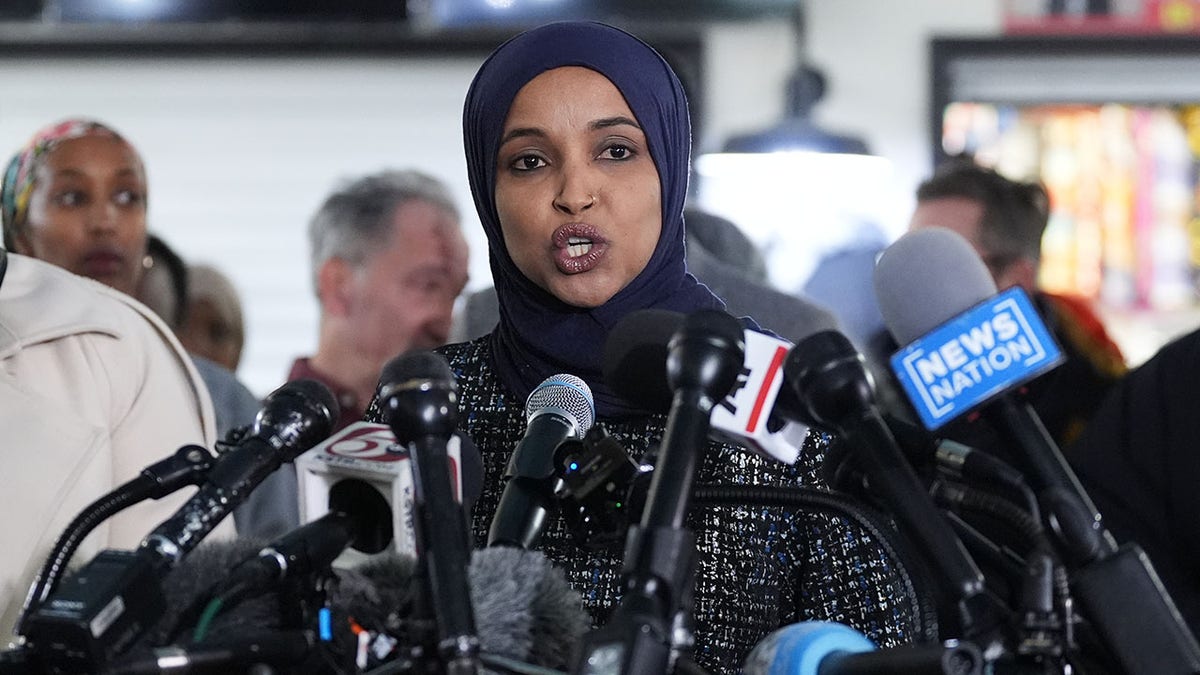
The Department of Justice and federal investigative agencies have declined to comment on the specifics of the ongoing probe, adhering to standard policy regarding active criminal investigations.
Representative Omar’s congressional office has consistently pushed back against the investigation and the associated media coverage, releasing statements that categorize the inquiry as a continuation of partisan attacks designed to delegitimize her political career and target her identity as a Somali-American Muslim woman.
In recent public appearances, Omar has condemned political opponents for elevating what she describes as fabricated conspiracy theories regarding her family and marital history. Her supporters have similarly rallied around her, arguing that the reinvestigation of decades-old records reflects a double standard applied disproportionately to politicians of immigrant background.
As the federal investigation continues, the ultimate outcome remains uncertain. Whether the inquiry will yield formal legal action or conclude without charges depends heavily on the veracity, completeness, and legal significance of the historical documents currently being evaluated by federal investigators. In the interim, the case continues to generate intense debate regarding immigration integrity, document verification for refugees, and the intersection of personal history and federal accountability in modern American politics.
Related posts: