Obama prepares to rally with Michigan Dem who once delivered scathing verdict on his presidency

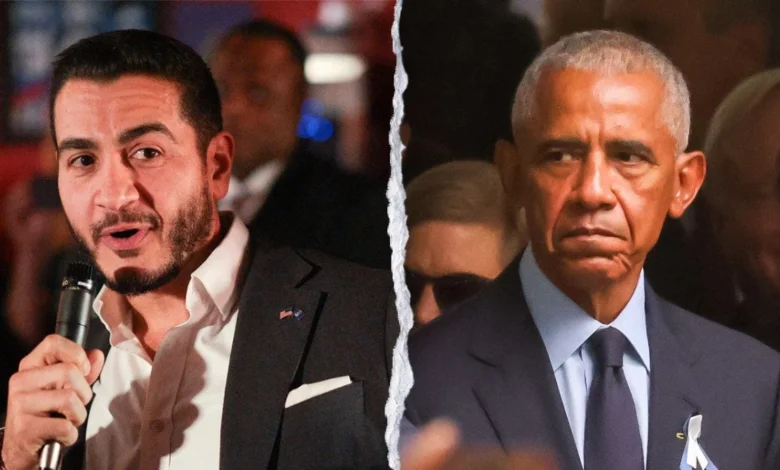
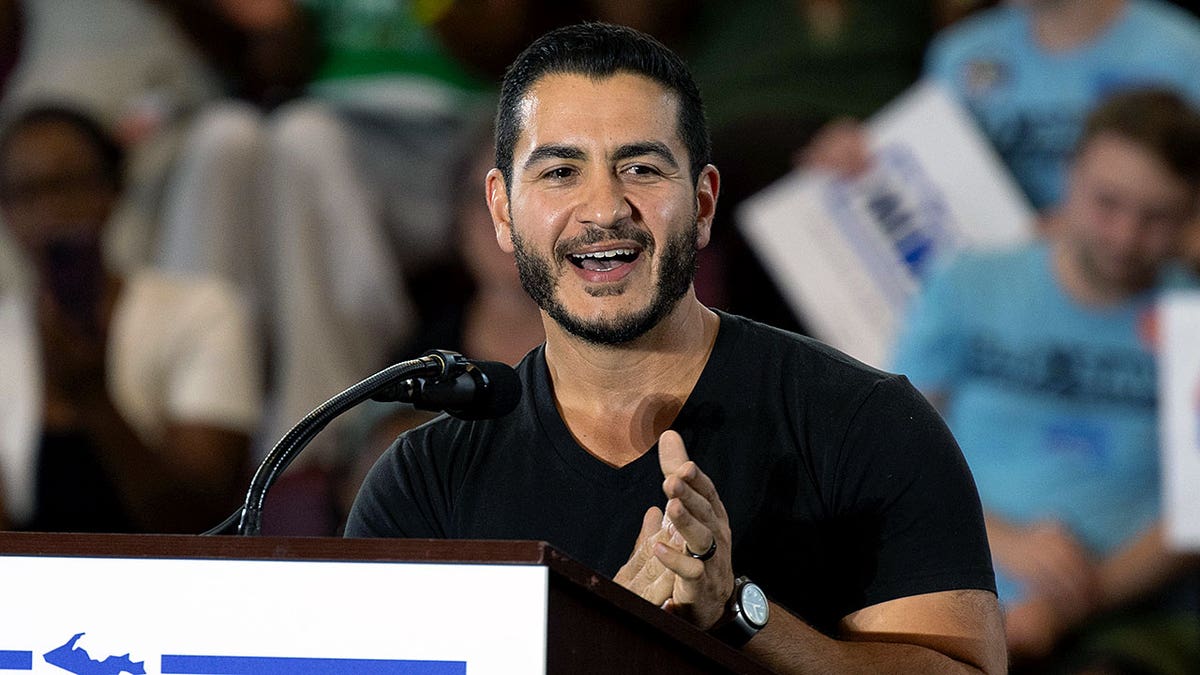
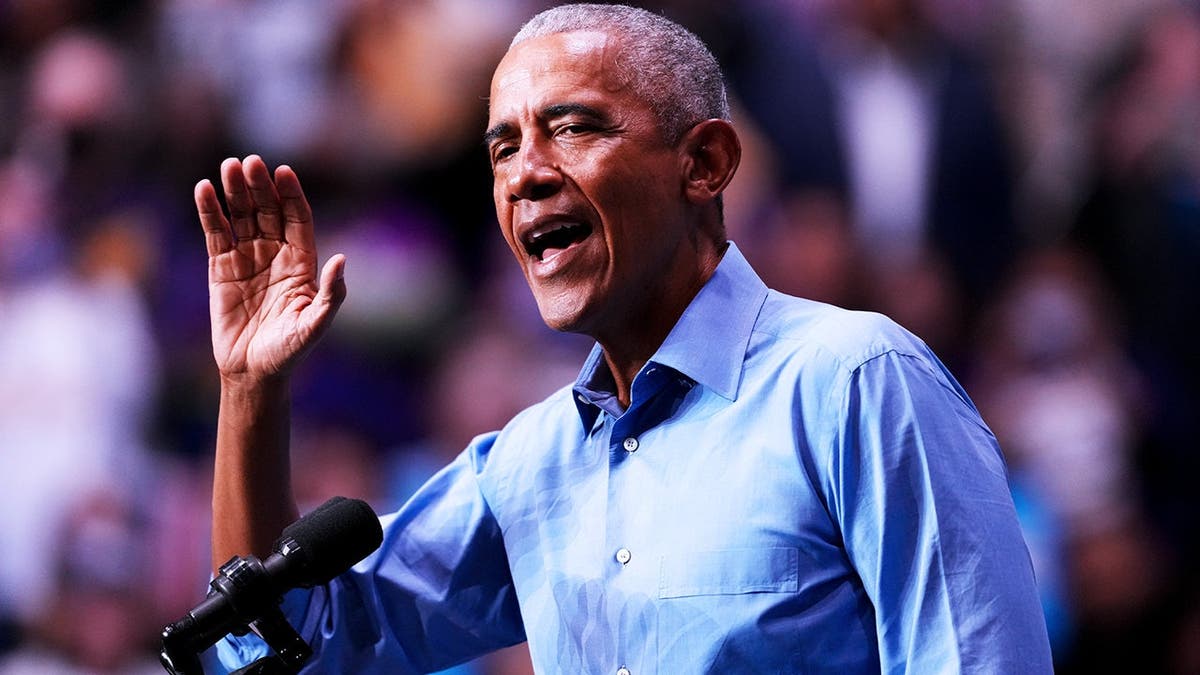
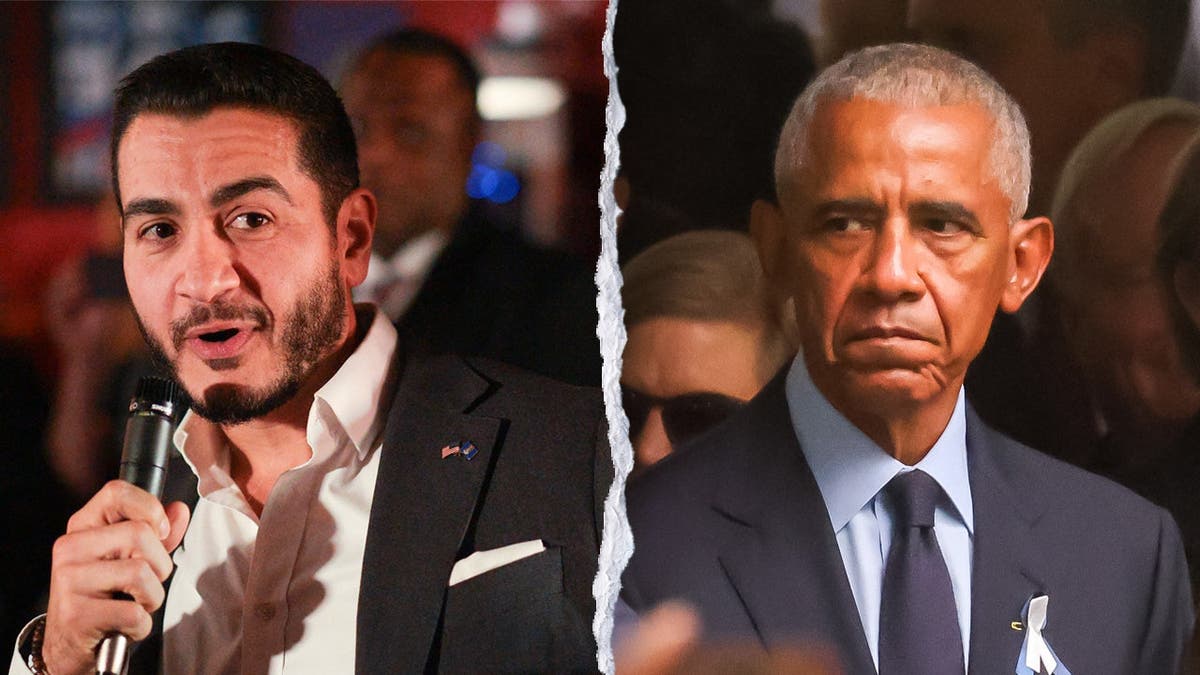
The political landscape in Michigan has reached a critical juncture as progressive Democratic Senate nominee Abdul El-Sayed prepares to take the stage alongside former President Barack Obama for a high-profile campaign rally in Detroit. This upcoming joint appearance represents a pivotal moment in El-Sayed’s statewide campaign, serving dual purposes: attempting to cement his alignment with the traditional Democratic Party establishment and shoring up crucial support among Black voters in key urban centers. As the general election approaches, the race in this vital battleground state is drawing intense national scrutiny, with control of the United States Senate hanging in the balance.
The partnership between the former president and the progressive nominee highlights the delicate coalition-building efforts required in modern midterm and general election cycles. While high-profile endorsements traditionally serve as unmitigated assets, Obama’s involvement has inadvertently drawn renewed attention to past ideological friction between the two Democrats, offering Republicans a line of attack regarding El-Sayed’s historical critiques of the party’s moderate wing.
Chronology of the Endorsement and Historical Tensions
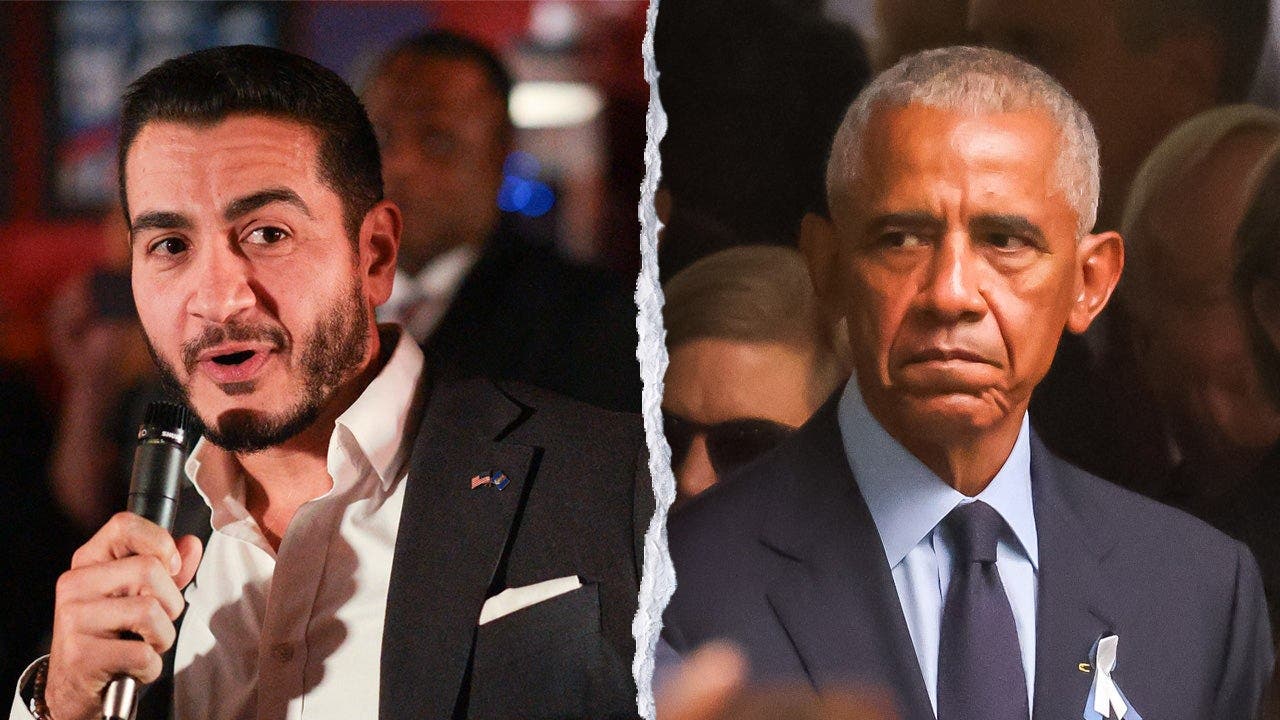
The trajectory of the relationship between El-Sayed and the national Democratic leadership has evolved significantly over the past decade. The ideological friction dates back to a heavily scrutinized 2012 essay published by El-Sayed in the Huffington Post. Writing as a young progressive commentator, El-Sayed penned a sharply worded critique expressing deep disillusionment with the direction of the Obama administration. In the essay, he argued that the president had failed to fully deliver on the sweeping progressive rhetoric that defined his historic 2008 campaign.
"I realize that I have little hope because there has been less change," El-Sayed wrote at the time, adding that while Obama may not have been the "wrong choice," he felt the administration fell short on key policy fronts, specifically citing concerns over the continuation of foreign military engagements, the expansion of executive surveillance, and record numbers of deportations.
Fast forward to the current election cycle, and the political imperatives have shifted. Following El-Sayed’s hard-fought victory in a competitive Democratic primary against U.S. Representative Haley Stevens—a race defined by distinct demographic divides—the progressive candidate has actively sought to bridge gaps with the broader party establishment. Recognizing the necessity of party unity, El-Sayed has largely walked back his past criticisms, characterizing them as honest disagreements rooted in a desire for policy reform, while frequently praising Obama’s resilience in navigating a challenging political climate.
The formal thaw in relations culminated earlier this month when Obama issued a formal endorsement, releasing a recorded campaign ad on October 12 that implored Michigan voters to support El-Sayed. The upcoming joint rally, scheduled for a Saturday afternoon at 5:00 p.m. in Detroit, is designed to project a unified front. The event will also feature Democratic gubernatorial nominee Jocelyn Benson alongside other prominent state figures, with organizers placing heavy emphasis on driving early voter turnout.
Demographic Realities and the Battle for the Black Electorate
At the core of the political debate surrounding El-Sayed’s candidacy is his standing among African American voters, a foundational constituency of the Democratic voting bloc in Michigan. Political analysts widely agree that any path to victory for a statewide Democrat in Michigan relies heavily on high turnout and robust support in Wayne County and surrounding urban enclaves.
During the primary election, El-Sayed found immense success among Arab American voters and progressive factions, but polling data indicated he faced stiff competition from Rep. Stevens, who commanded stronger support among Black Democratic primary voters. This dynamic has persisted into the general election, prompting persistent questions from Republican opponents regarding El-Sayed’s capacity to consolidate the entire Democratic coalition.
Recent polling data underscores these vulnerabilities. A Fox News Digital survey conducted in late September revealed that approximately 77% of Black voters expressed support for El-Sayed. While this represents a clear majority, political operatives note that it sits below the historical performance margins typical for Democratic nominees in the state, leaving an opening for Republican challengers to target disaffected voters or encourage voter apathy.
Voter Sentiments on the Ground in Detroit
To gauge the real-world impact of the former president’s endorsement, reporters and political analysts recently engaged with more than a dozen Black voters across Detroit. The feedback reflected a complex mix of lingering skepticism, independent-minded evaluation, and steadfast loyalty to the Democratic ticket.
While many participants acknowledged that Obama remains a revered figure and an influential voice within the party, several undecided voters expressed indifference toward top-down endorsements. Some voiced frustration over what they perceived as transactional politics.
"Honestly, it’s a turn-off just because I’ve seen too many candidates use him just to manipulate the Democratic vote," said Mercedes, an undecided voter in Detroit. Another resident echoed similar sentiments, noting that while Obama’s message of hope resonated culturally, tangible economic and community investments in minority-owned businesses have historically fallen short of expectations, leaving voters hesitant to blindly follow endorsement cues.
Other voters raised questions regarding El-Sayed’s ideological pivot regarding the former president. "I don’t understand how you can endorse somebody that was kind of the opposition when you were in office," said Juanita, another undecided local voter. "I mean, that doesn’t make sense."
Conversely, defenders of the campaign and community leaders reject the notion that El-Sayed struggles with Black voters. Kandia Milton, a government affairs professional with deep ties to Detroit’s African American community, argued that external narratives regarding El-Sayed’s lack of appeal are fundamentally flawed.
"The great thing about Abdul is that he’s not new to Detroiters," Milton said, emphasizing the candidate’s grassroots community engagement and local presence. "Once they understand his background, understand what he stands for and all the things that he’s done in the past, you see greater enthusiasm for his campaign and his candidacy for Senate."
Broader Implications and the Path to Election Day

The convergence of an insurgent progressive candidate, a party elder statesman, and a critical demographic voting bloc highlights the high-stakes chess match defining the Michigan Senate race. For the El-Sayed campaign, the primary objective of the Detroit rally is twofold: project total solidarity with the national Democratic apparatus and motivate baseline turnout ahead of Election Day.
Conservative critics maintain that the sudden embrace of Obama represents a transparent tactical maneuver born of electoral necessity. Commentators argue that the campaign is leaning heavily on external star power to compensate for softer-than-average metrics within core demographic segments. Meanwhile, El-Sayed’s supporters view the evolution of his relationship with the former president as a natural maturation of political strategy, drawing parallels to other modern political figures who have bridged ideological divides to unite their respective parties.
As both campaigns enter the final stretch, the effectiveness of the Obama-El-Sayed alliance will be severely tested. With early voting underway and millions of dollars flowing into the state from national super PACs and party committees, the ultimate outcome in Michigan may well depend on whether grassroots enthusiasm in urban centers can overcome skepticism and deliver the decisive margins Democrats require to retain Senate control.