Neil Bush Breaks With Republican Tradition to Back Texas Democrat James Talarico in High-Stakes Senate Race


The political landscape in Texas has experienced a dramatic and unexpected shift as Neil Bush, a prominent member of the historic Bush family political dynasty, announced his endorsement of Democratic Senate hopeful James Talarico. Breaking away from generations of Republican alignment, Neil Bush—the son of the late President George H.W. Bush and brother of former President George W. Bush—voted early for Talarico in his high-stakes bid to flip a crucial Texas Senate seat.
This unexpected crossover has injected substantial national attention into the Lone Star State’s electoral arena, highlighting deep intra-party fractures and redefining the boundaries of political loyalty in an era dominated by populist movements.
The Announcement and Motivations Behind the Vote
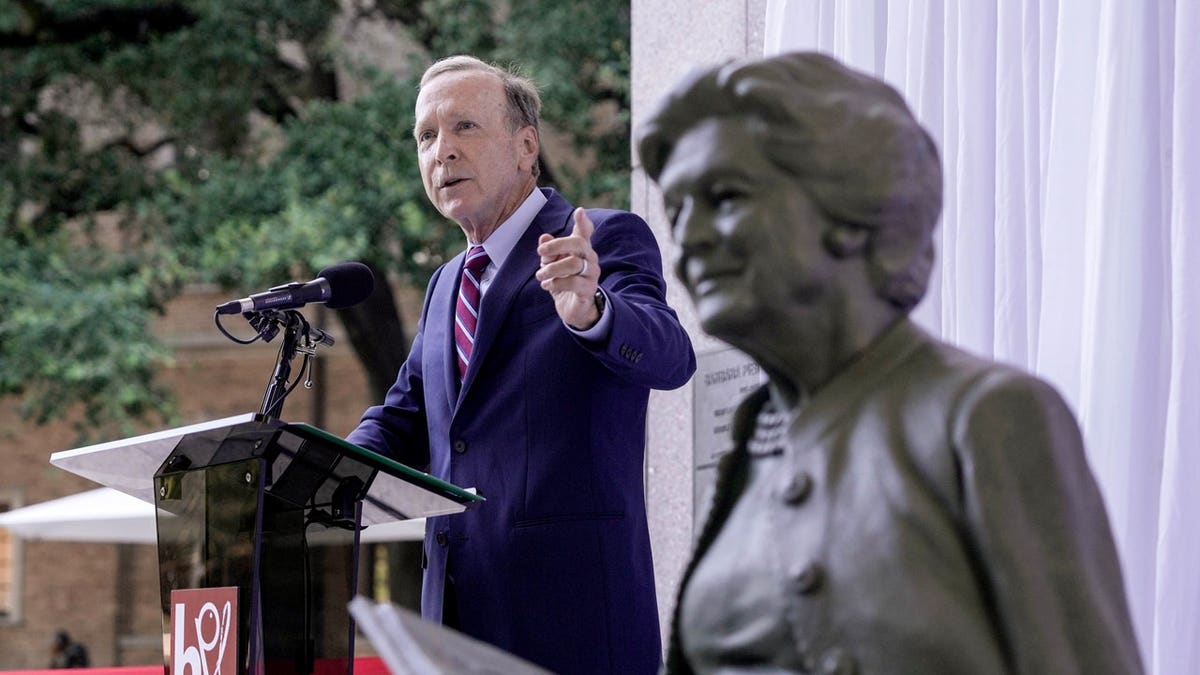
Neil Bush revealed his voting choice through a public post on Facebook, noting that he was breaking a long-standing personal rule against posting political statements to avoid alienating friends with differing viewpoints. Citing the urgency of the current political climate, Bush explained that his decision was driven by two core factors: profound misgivings regarding the record of his opponent, Ken Paxton, and genuine admiration for Talarico’s character and policy principles.
"I have never posted a political message on Facebook, not wanting to offend friends whose views may be very different than mine. I’m breaking that tradition because I voted early today, and I voted for James Talarico for the United States Senate," Bush wrote. He added that his ballot was cast as a direct rejection of a political style that he believes has inflicted systemic harm on the nation.
Expanding on his critique of contemporary conservative politics, Bush explicitly targeted the influence of Donald Trump and his supporters within the Republican apparatus. "I believe Donald Trump and those who have enabled him have done enormous damage to the Republican Party. I worry about a political culture in which loyalty to an individual takes precedence over loyalty to principle, and where those who hold power begin to believe they are no longer accountable," Bush stated.
Despite his pointed criticisms of the modern GOP leadership, Bush emphasized that his vote transcended mere opposition to Paxton, framing it instead as an affirmative endorsement of Talarico’s personal integrity and public service ethos.
Growing Bush Family Divergence From the Modern GOP
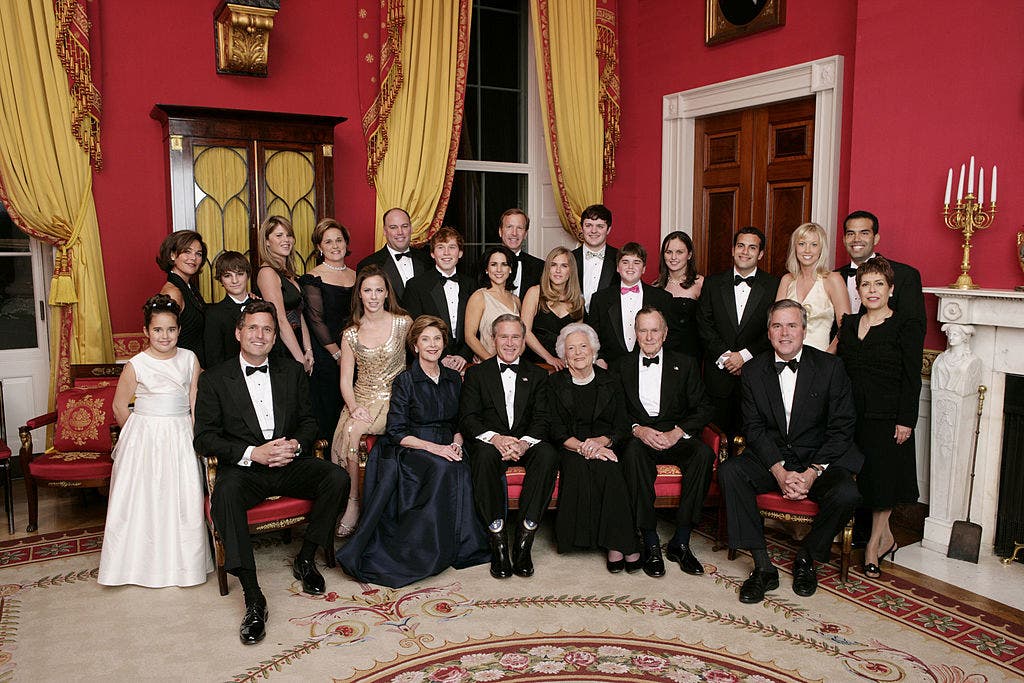
Neil Bush is not the only member of the younger Bush generation to distance themselves from current party orthodoxies or lend tacit support to alternative political figures. Barbara Bush, the daughter of former President George W. Bush, contributed $2,500 on September 23 to the Lone Star Rising PAC, a prominent super PAC operating to bolster Talarico’s campaign.
These developments underscore a broader generational and ideological realignment within the broader Bush family network. While former President George H.W. Bush and George W. Bush built their political careers as anchors of the traditional Republican establishment—characterized by free-market capitalism, a robust internationalist foreign policy, and institutional decorum—the modern party has shifted toward a populist platform spearheaded by Donald Trump.
Frictional tensions between the Bush family and Trump date back to the 2016 Republican presidential primaries, during which Trump frequently criticized former Florida Governor Jeb Bush and mocked former First Lady Barbara Bush. Since leaving office, George W. Bush has largely avoided direct engagement in partisan electoral politics, though he has maintained cordial relationships with Democratic figures. Most notably, George W. Bush attended the high-profile opening of the Obama Presidential Center in Chicago, where his warm, lighthearted rapport with Michelle Obama—including a recurring tradition of sharing mints and cough drops, reminiscent of their shared moment at the 2018 funeral of Senator John McCain—demonstrated a deliberate cultivation of cross-partisan civility.
The Contenders and the Texas Senate Battleground
The Senate race in Texas has emerged as one of the most closely watched and fiercely contested legislative battles in the country, transforming the historically reliable Republican stronghold into a competitive electoral battleground. James Talarico has positioned his campaign around populist appeals to working-class Texans, economic reform, and a rejection of hyper-partisan rhetoric, aiming to build a broad coalition that bridges traditional partisan divides.
On the other side of the ballot, the campaign has attracted massive financial and institutional backing from the national conservative apparatus. Most notably, the Trump-aligned super PAC MAGA Inc. poured $10 million into the race to support Ken Paxton, seeking to solidify conservative dominance in the state and fend off the Democratic challenge.

The heavy financial investment from national political action committees underscores the high stakes of the contest. While Texas has historically voted reliably red in statewide federal elections, demographic shifts in major metropolitan areas—including Houston, Dallas, Austin, and San Antonio—have steadily narrowed the margins between Republicans and Democrats over successive election cycles. Democrats view Texas as a long-term strategic prize, while Republicans treat the defense of the seat as a vital firewall to preserve their legislative influence.
Pushback From the GOP Establishment
In response to Neil Bush and his niece Barbara Bush aligning with outside groups supporting Talarico, Republican National Committee (RNC) leadership and state party officials dismissed the significance of these high-profile defections. RNC representatives characterized Talarico’s aspirations for bipartisan crossover appeal as a "pipe dream," asserting that rank-and-file Republican voters remain firmly committed to the party’s conservative platform and would not follow the Bush family members away from the ticket.
GOP strategists argue that the endorsements from members of a former presidential family carry limited weight among contemporary primary and general electorate voters, who are increasingly motivated by economic populist concerns, border security, and traditional conservative social policies. They contend that the public alignment of elite figures with a Democratic candidate serves primarily to energize conservative counter-mobilization efforts, pointing to the substantial influx of MAGA Inc. funding as proof of the party’s defensive mobilization capabilities.
Broader Implications for American Politics
The decision by prominent members of the Bush family to support a Democratic candidate in a major statewide race highlights the enduring fracture lines within the American conservative movement. For decades, the Bush name was synonymous with the leadership of the Republican Party, defining its national platform and guiding its executive administrations through major historical events, including the end of the Cold War and the post-9/11 era.

As the Republican Party continues its transformation under populist leadership, the estrangement of traditional establishment figures reflects a profound ideological realignment. Whether these elite defections represent an isolated phenomenon or signal a broader erosion of traditional conservative support for the party’s standard-bearers remains one of the defining questions of the current political era.
As early voting numbers climb and the final stretch of the Texas Senate race unfolds, both campaigns are bracing for a high-turnout finish. The outcome will not only determine the balance of power in the United States Senate but will also serve as a crucial barometer of whether cross-partisan appeals and establishment realignments can successfully challenge entrenched partisan loyalties in America’s largest conservative battleground.