
F1 Offseason Hamilton Steiner Red Bull Investigation
F1 Offseason Buzz: Hamilton’s Ferrari Move, Steiner’s Firing, and the Red Bull Investigation Dominating Headlines
The Formula 1 offseason has been a whirlwind of seismic shifts and simmering controversies, with the sport’s biggest names and most dominant teams thrust into the spotlight for reasons beyond on-track performance. Lewis Hamilton’s monumental switch to Ferrari, the abrupt departure of Guenther Steiner from Haas, and the ongoing investigation into Red Bull Racing’s internal affairs have collectively defined this period, creating a potent cocktail of speculation and anticipation for the 2025 season and beyond. These developments, each significant in its own right, are interconnected, influencing driver market dynamics, team philosophies, and the very integrity of the sport.
The announcement of Lewis Hamilton’s impending move to Scuderia Ferrari, effective 2025, sent shockwaves through the F1 community. This is not merely a driver change; it’s an era-defining transfer. Hamilton, a seven-time World Champion and arguably the greatest driver of his generation, leaving the established might of Mercedes for the iconic scarlet of Ferrari is a narrative of unprecedented scale. For years, whispers and rumors of a potential Maranello switch have circulated, but the reality of the deal has profound implications for both parties. For Hamilton, it represents a final, audacious bid to secure an eighth championship, a record he will shatter, and to achieve this legendary feat with the most storied marque in motorsport. His experience, relentless drive, and unparalleled racecraft are precisely what Ferrari has craved in their pursuit of consistent championship contention. The Italian team, despite periods of resurgence, has struggled to reclaim the unshakeable dominance of their Schumacher-era glory. Hamilton’s arrival is intended to be the catalyst, the missing piece of their championship puzzle. For Mercedes, the departure of their talismanic figure marks the end of an immensely successful partnership, a period that redefined the hybrid era of Formula 1. Their focus now shifts to navigating a future without their most decorated driver, a challenge that will test their engineering prowess and strategic acumen. The ripple effects of this move are extensive. It has fundamentally altered the driver market landscape, pushing other established drivers to reassess their career trajectories and opening up lucrative opportunities. The speculation surrounding who will replace Hamilton at Mercedes and who might make way for him at Ferrari has fueled countless debates and analyses. The impact on team rivalries, particularly between Mercedes and Ferrari, is guaranteed to be amplified, with each race carrying added narrative weight. Furthermore, this move has undoubtedly reignited interest in Formula 1 among casual fans, drawn in by the sheer magnitude of the headline transfer and the romanticism of seeing Hamilton in a Ferrari.
Parallel to Hamilton’s seismic career shift, the Formula 1 world also witnessed the equally abrupt and controversial departure of Guenther Steiner from his role as Team Principal at Haas F1. Steiner, a charismatic and often outspoken figure, became the face of the American-based team, particularly amplified by his prominent role in the Netflix docuseries "Drive to Survive." His tenure at Haas was characterized by a relentless pursuit of improvement and a no-nonsense approach that resonated with many fans and observers. However, the team’s persistent struggles to move beyond the back of the grid, coupled with a perceived lack of significant performance gains, ultimately led to his dismissal. The official reasons provided by team owner Gene Haas were centered on the need for a “change in leadership” and a desire to “achieve greater success.” This decision has sparked considerable debate within the F1 community. While some argue that a change was inevitable given Haas’s prolonged underperformance, others lament the loss of Steiner’s distinctive personality and his ability to generate publicity and engagement for the team. His departure signifies a potential shift in Haas’s operational philosophy, perhaps a move towards a more structured, less personality-driven management style. The impact of Steiner’s firing extends beyond Haas. It highlights the unforgiving nature of Formula 1, where results are paramount and even popular figures can be removed if performance metrics are not met. The search for his successor is a crucial undertaking for Haas, as the right leadership could be the difference between stagnation and progress. It also raises questions about the long-term vision of the team, its investment strategy, and its ability to attract and retain talent. Steiner’s next move will be closely watched, as he is a figure with significant experience and a proven track record of building teams, albeit with varying degrees of success in F1.
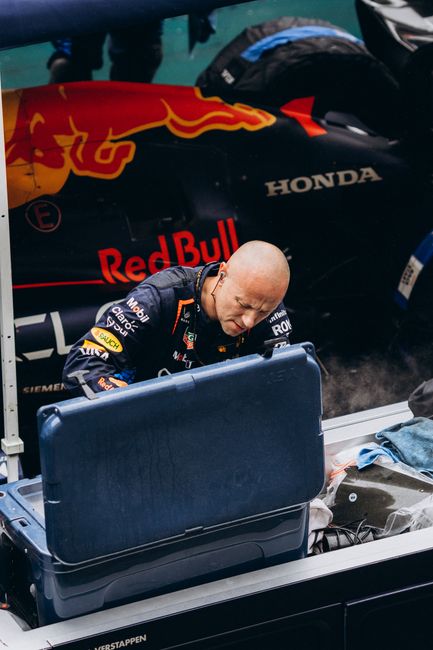
Adding a layer of significant internal scrutiny, the ongoing investigation into Red Bull Racing’s conduct, specifically surrounding Team Principal Christian Horner, has cast a shadow over the reigning constructors’ champions. Allegations of inappropriate behavior against Horner by a female employee led to an internal investigation by Red Bull GmbH. While Horner was ultimately cleared of wrongdoing by the company’s investigation and allowed to continue in his role, the saga has not abated. Persistent reports of internal friction, alleged leaks of sensitive information, and ongoing speculation about the power dynamics within the team have kept the issue firmly in the F1 news cycle. The investigation’s implications are multi-faceted. Firstly, it raises serious questions about the internal governance and transparency of one of Formula 1’s most successful entities. The swiftness with which Horner was reinstated, while lauded by some as a swift resolution, has been criticized by others for its perceived lack of thoroughness or independence. The continued media scrutiny, the ongoing murmurs of dissent, and the alleged involvement of key figures within the wider Red Bull organization suggest that the internal tensions may not have been fully resolved. Secondly, the investigation has had an impact on team morale and focus. While Red Bull has maintained its on-track dominance, the persistent cloud of controversy can undoubtedly create an undercurrent of distraction and uncertainty within the team. The ability of the drivers and engineers to maintain peak performance under such circumstances is a testament to their professionalism, but the underlying issues remain a concern. Furthermore, the investigation has become a focal point for discussions around workplace conduct, due process, and the media’s role in reporting on such sensitive matters. The principles of fairness, accountability, and transparency are all under examination, not just within Red Bull but across the broader F1 ecosystem. The prolonged nature of the fallout, with ongoing media reports and speculation, underscores the deep-seated nature of the issues. The integrity of the sport, and the perception of its leading figures and teams, is intrinsically linked to how such investigations are handled and resolved. The outcome of these internal dynamics within Red Bull could have far-reaching consequences for the team’s future leadership and its overall stability.
The confluence of these three major storylines – Hamilton’s Ferrari bombshell, Steiner’s abrupt exit, and the lingering Red Bull investigation – creates a potent narrative tapestry for the F1 offseason. They are not isolated events but rather interconnected threads that will undoubtedly weave their way through the 2025 season. Hamilton’s move to Ferrari, while primarily a driver-team dynamic, indirectly influences the competitive landscape, potentially forcing other teams, including Red Bull, to adapt their strategies and personnel. Steiner’s departure from Haas signals a potential shift in team building and management philosophies, a reminder that even established roles can be volatile. The Red Bull investigation, on the other hand, directly probes the ethical and operational underpinnings of a dominant force, raising questions about accountability and transparency that resonate across the entire grid. The SEO value of these topics is immense. Keywords such as "Lewis Hamilton Ferrari," "Guenther Steiner Haas," "Red Bull investigation," "Christian Horner," "F1 driver market," "F1 team principal," and "Formula 1 news" are highly searched terms by F1 enthusiasts and sports media alike. Crafting content around these subjects, providing in-depth analysis and commentary, ensures visibility and engagement for those seeking information on the most pressing F1 narratives. The offseason, often a period of relative quiet, has been a veritable storm of significant news, setting the stage for a highly anticipated and potentially transformative Formula 1 season. The strategic implications of Hamilton’s Ferrari switch, the managerial reshuffle at Haas, and the ongoing scrutiny of Red Bull Racing are all critical elements that will shape the competitive order, team dynamics, and the overall narrative of Formula 1 for years to come. The ongoing investigations and their resolutions will not only determine individual team futures but also contribute to the broader discourse on fairness, integrity, and leadership within the pinnacle of motorsport.
