A Culinary Journey Through Italy: A Complete Restaurant Guide to Stanley Tucci Searching for Italy Season Two

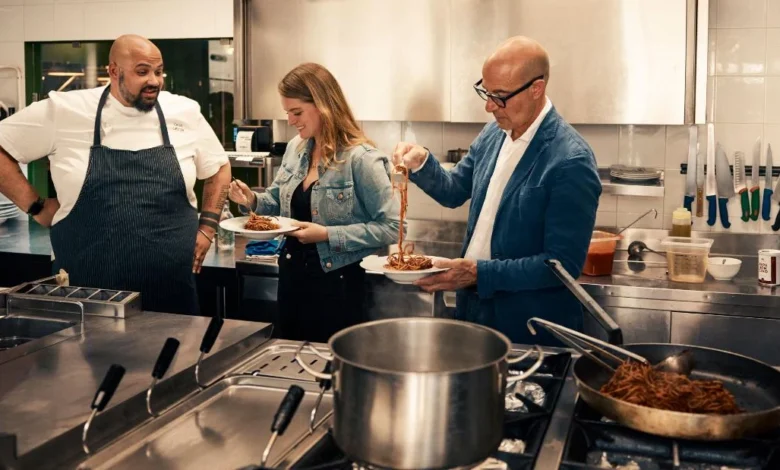
Stanley Tucci Searching for Italy has established itself as a definitive cultural touchstone for gastronomy enthusiasts, blending travelogue with a deep, investigative look at the regional identities that define the Italian peninsula. As the second season of the acclaimed CNN series concludes, viewers are left not only with a sense of wanderlust but also with a specific, tangible desire to experience the diverse culinary landscapes featured on screen. From the rugged cliffs of Liguria to the ancient, sun-drenched valleys of Calabria, the show serves as a roadmap for travelers seeking authentic, heritage-driven cuisine. This comprehensive guide details the establishments visited by Stanley Tucci during the second season, providing context on the regional specialties and the chefs who are preserving them.
The Italian Riviera: Innovation Born of Necessity
The Italian Riviera, encompassing the dramatic coastlines of Liguria, is renowned for its steep, mountainous terrain that descends into the Mediterranean. This geographical isolation has forced a culture of ingenuity among the local population. It is in this region that the world-famous pesto alla genovese was perfected, utilizing the fragrant basil that thrives in the seaside climate.
Among the notable stops in this region is Cracco Portofino, helmed by the renowned Michelin-starred chef Carlo Cracco. The restaurant serves as a bastion for traditional Ligurian flavors, emphasizing ingredients inextricably linked to the local ecosystem. During his visit, Tucci was introduced to pansotti, a traditional, ravioli-like pasta filled with a wild herb mixture known as preboggion. This dish, served with a delicate walnut sauce, represents the historical reliance on foraged greens and local agriculture.
Further into the region, Il Genovese, led by Chef Roberto Panizza, offers an education in the cultural significance of pesto. Often referred to as the "King of Pesto," Panizza is the driving force behind the Pesto World Championship. His technique—crushing ingredients by hand in an ancient marble mortar—preserves the structural integrity and essential oils of the basil, which mechanical blenders often destroy. The inclusion of potatoes and green beans in the pasta dish is not merely for flavor, but for structural and textural balance, a hallmark of Genoese domestic cooking.
The coastal town of Genoa also hosts Antico Forno della Casana, a bakery that specializes in the region’s most ubiquitous street food: focaccia. The bread, distinguished by its irregular surface dimples, is a testament to the simplicity of Ligurian baking. Local custom dictates that the bread should be consumed upside down, allowing the coarse salt on the crust to interact directly with the palate before the softer, olive oil-infused dough follows.

Puglia: The Culinary Soul of the Southern Boot
Puglia represents a distinct shift in the Italian culinary narrative. As one of the nation’s historically more economically challenged regions, it has developed a cuisine rooted in profound austerity and environmental adaptability. It is a region defined by its expansive olive groves, durum wheat fields, and a robust tradition of vegetable-forward cooking.
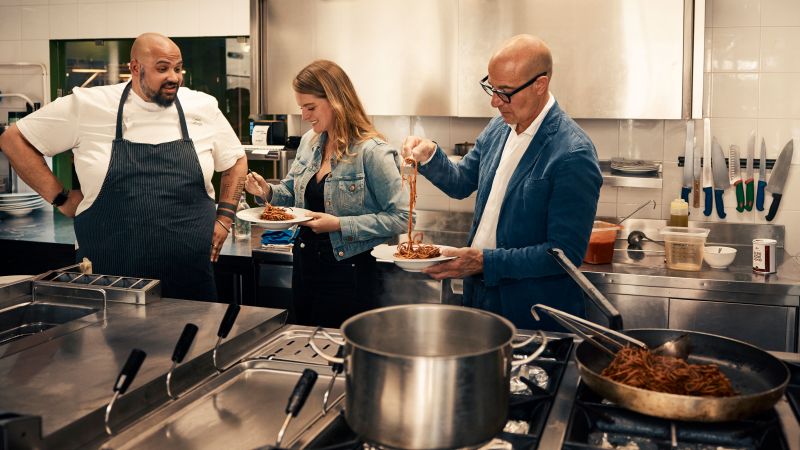
In the city of Bari, Urban Bistrot provides a platform for chef Celso Laforgia to showcase the controversial yet beloved pasta all’assassina. This dish defies conventional pasta preparation; rather than being boiled in water, the spaghetti is toasted in a pan with olive oil and spicy tomato broth until it reaches a charred, crispy state. The name—"assassin’s pasta"—is derived from the perceived danger of its intense heat and its scorched texture. The process is a bold rejection of traditional Italian culinary rules, emphasizing that Italian cuisine is as much about local variation as it is about national heritage.
In the hilltop town of Cisternino, Trattoria Bere Vecchie offers a unique insight into the region’s butcher-culture. Housed in a former pharmacy, the establishment serves meat that is prepared in the tradition of Turkish-style kebabs. Specialties include bombette, small rolls of pork stuffed with cheese and herbs, and gnumareddi, a traditional dish consisting of lamb organs wrapped in intestines. These preparations reflect the historical necessity of utilizing every part of an animal, a practice that has evolved into a localized delicacy.

The cheese culture in Puglia is equally significant. Caseificio Dicecca has gained notoriety for its experimentation, particularly with blue cheeses. Owner Vito Dicecca has successfully integrated Apulian traditions with international techniques, producing dozens of varieties of blue cheese in a region not traditionally associated with the style.
Sardinia: An Archaeological Dig of Flavors
Sardinia remains one of Italy’s most enigmatic and remote regions. Due to its island status, it has developed a culinary history that is entirely distinct from the mainland. The cuisine here is a hybrid of Mediterranean influences, reflecting centuries of trade, migration, and isolation.
At Fradis Minoris, which holds a Michelin Green Star for its dedication to sustainability, chef Francesco Stara focuses on the bounty of the surrounding sea. The restaurant serves as an exemplar for ethical seafood consumption, sourcing its menu daily from the immediate coastline. The highlight of the Sardinian menu is undoubtedly fregola, a pasta that shares more in common with North African couscous than with mainland pasta varieties. The texture, achieved through rolling semolina dough into small spheres and toasting them, is a staple of the Sardinian diet.
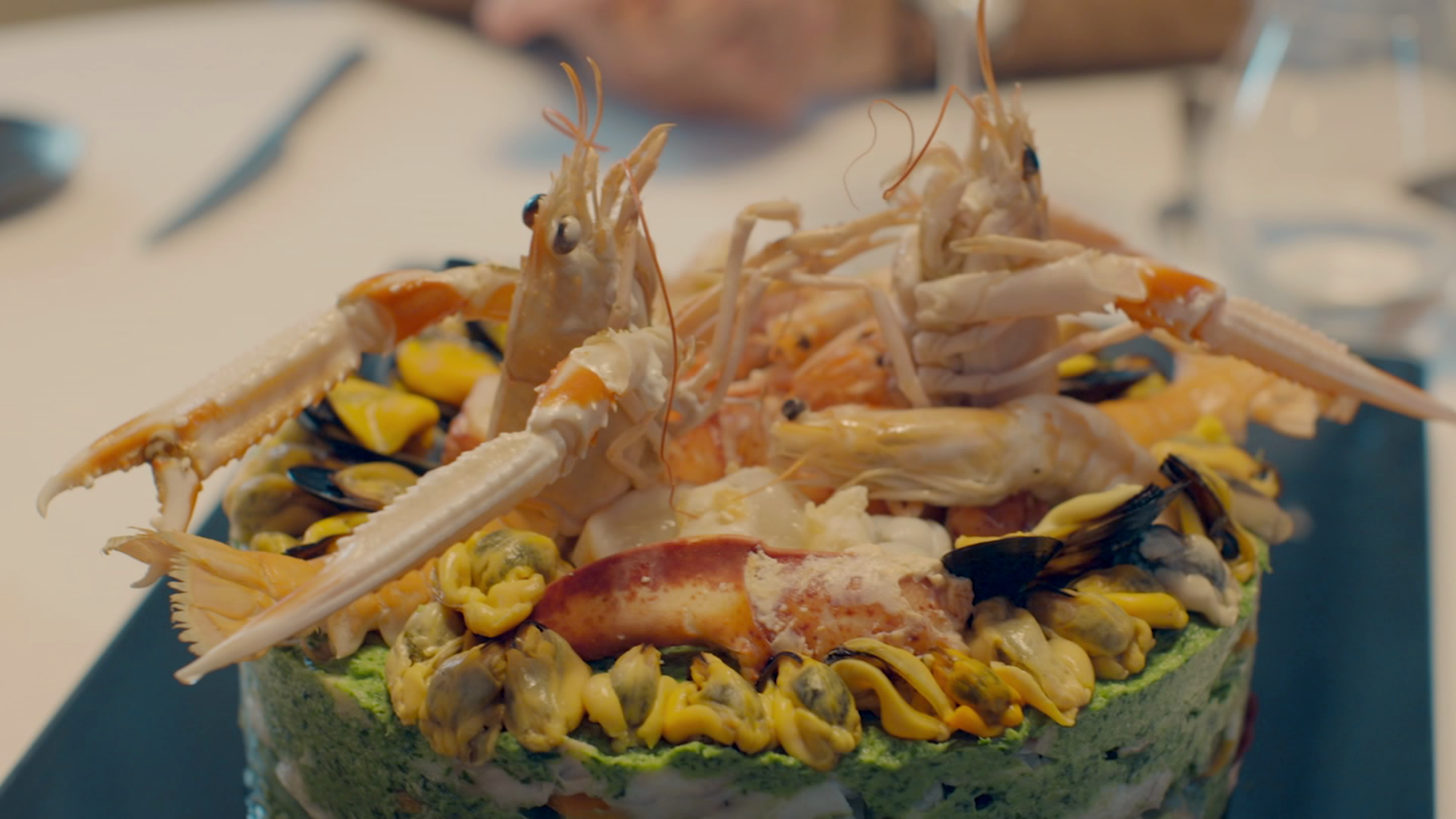
In Alghero, a city with deep Catalan influences, the culinary narrative shifts toward high-end seafood. Mabrouk, a restaurant housed in a former 16th-century monastery, showcases the region’s famous lobster. The preparation, lobster a la Catalana, is a point of local pride. Unlike American culinary standards, where lobster roe is often discarded, local chefs incorporate it into the sauce to add a distinct depth and briny sweetness that defines the dish.
Calabria: The Ancestral Connection
For Stanley Tucci, the trip to Calabria was more than a gastronomic tour; it was a homecoming to his family’s ancestral roots. This region, forming the "toe" of the Italian boot, is characterized by its wild, mountainous interior and its reliance on preservation techniques.
At Panificio Cuti in Marzi, baker Pina Olivetti continues to produce pane de cuti, a sourdough bread that has remained unchanged for decades. The bakery also specializes in morsello, a portable meal historically favored by farmers and hunters, consisting of a bread bowl filled with meat and vegetables. The dish is a reflection of the regional history of hard labor, where food needed to be both sustaining and easily transportable.

Tropea, meanwhile, is world-renowned for its red onions. The unique microclimate of the coastline produces an onion so sweet that it has become a central ingredient in everything from traditional pasta to, surprisingly, ice cream. At Osteria della Cipolla Rossa, chefs Michele Pugliese and Romana Schiariti focus on the simplicity of this ingredient, proving that when the produce is of exceptional quality, complex preparation is unnecessary.
The Broader Implications of Culinary Tourism
The success of Stanley Tucci: Searching for Italy underscores a growing trend in global tourism: the shift toward "experiential" travel, where the itinerary is dictated by local foodways rather than landmarks. The attention brought to these establishments—many of which are small, family-run operations—has significant economic implications. By highlighting the efforts of chefs like Pino Trimboli of La Collinetta, who utilizes ancient clay-baking techniques that require four hours of preparation, the series provides a platform for the preservation of endangered culinary crafts.
Furthermore, the show serves as a critical observation of the Italian identity. In an era of globalization, these regions are actively working to maintain their distinctiveness. The reliance on hyper-local ingredients—such as the Tropea onion or the specific grains of the Sardinian interior—is a form of resistance against the homogenization of global food culture.

The series concludes its second season not by providing a definitive answer to what constitutes "Italian food," but by confirming that there is no singular answer. Instead, it posits that Italy is a collection of micro-cultures, each with its own history, struggles, and innovations. For the traveler, this means that the map of Italy is not a static document, but a dynamic, edible one. As the series moves forward, it continues to set a high standard for food journalism, proving that the most profound stories are often told through the simplest of ingredients, prepared with respect for the history they represent.