Microsoft Surface PC Lineup Sees Substantial Price Increases Amidst Global Component Shortages

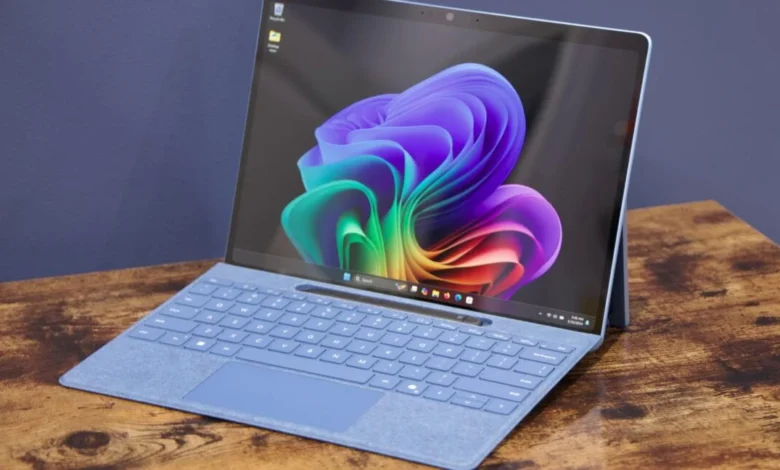
Consumers anticipating updates to Microsoft’s Surface PC lineup, potentially featuring cutting-edge processors such as Qualcomm’s new Snapdragon X2 Elite, are instead confronting a different kind of market shift: significant price hikes across existing models. The restructuring of Microsoft’s personal computing offerings now dictates that buyers will pay a minimum of $1,500 for Surface devices that retailed for as low as $1,000 just two years prior, effectively eliminating any new Surface device options below the $1,000 threshold. This strategic recalibration positions the Surface brand more firmly within the premium segment of the PC market, a move that carries substantial implications for consumer accessibility and competitive dynamics within the broader technology landscape.
The immediate impact of these adjustments is evident in the current pricing structure for several popular Surface models. The 12-inch Surface Pro tablet, which initially launched with an attractive entry-level price of $799, has seen its cost climb to $1,049. Similarly, the 13-inch Surface Laptop, originally introduced at $899, is now listed at $1,149. Both represent a considerable $250 increase from their debut prices. More significantly, higher-end configurations of the Surface Laptop and the 13-inch Surface Pro, which were available starting at $999 in 2024, underwent an initial price adjustment to $1,199 in 2025, coinciding with the discontinuation of their 256GB entry-level storage options. These same models have now escalated further, starting at $1,499, marking an additional $300 increase from their 2025 pricing and a staggering $500 surge from their original 2024 launch price points.
The Underlying Causes: A Global Component Crisis
As initially reported by Windows Central, Microsoft attributes these sweeping price increases to "recent increases in memory and component costs." This explanation points directly to the ongoing global semiconductor shortage, a multifaceted crisis that has profoundly impacted numerous sectors of the consumer technology industry. Specifically, the scarcity and escalating prices of RAM (Random Access Memory) and storage chips (NAND flash) have been identified as primary drivers of these inflationary pressures.
The semiconductor shortage began to manifest in late 2020 and intensified throughout 2021 and 2022, creating a ripple effect across global supply chains. Several factors converged to create this unprecedented situation:
- Surge in Demand: The COVID-19 pandemic significantly accelerated trends in remote work, online education, and digital entertainment. This led to an unforeseen boom in demand for personal computers, laptops, tablets, gaming consoles, and data center infrastructure, all of which rely heavily on semiconductors.
- Supply Chain Disruptions: Lockdowns, factory closures, and labor shortages in key manufacturing regions, particularly in Asia, disrupted production lines and logistics networks. Shipping delays and increased freight costs further exacerbated the problem.
- Geopolitical Tensions: Trade disputes and international relations have also played a role, influencing the availability and pricing of critical components.
- Manufacturing Capacity Limitations: The production of advanced semiconductors is a highly complex and capital-intensive process, requiring specialized fabrication plants (fabs) that take years to build and billions of dollars to equip. Existing capacity struggled to keep pace with the sudden surge in demand, leading to bottlenecks.
- Inventory Management: In the initial phases of the pandemic, some companies, anticipating a downturn, reduced their chip orders, only to face a severe deficit when demand rebounded sharply. This led to a scramble for limited supplies.
The impact of this "RAM crisis" has been widely documented across the industry. Valve, for instance, experienced delays in the launch of its Steam Machine and intermittent stock depletion for its popular Steam Deck handheld gaming PC, both attributed to memory shortages. Raspberry Pi, a leading manufacturer of single-board computers, was forced to implement multiple price hikes within a short period, reflecting the severity of the rising component costs even for lower-cost devices. Automotive manufacturers, consumer electronics giants, and even appliance makers have all reported production woes due to the scarcity of various chips.
Chronology of Price Adjustments and Market Pressures
The trajectory of Microsoft’s Surface pricing reflects a gradual but determined response to these escalating market conditions.
- Late 2020 – Early 2021: The initial signs of a global semiconductor crunch begin to emerge, primarily affecting automotive and entry-level consumer electronics.
- Mid-2021 – 2022: The shortage intensifies and broadens, impacting a wider range of components, including DRAM and NAND flash memory, which are crucial for PCs and mobile devices. Spot market prices for memory chips begin to climb significantly, eventually translating into higher contract prices for major OEMs.
- 2024: Microsoft launches certain Surface Laptop and Surface Pro models with competitive entry-level pricing around $999, aiming to attract a broader consumer base. At this point, while component costs are rising, companies are often absorbing some of these increases to maintain market share and product competitiveness.
- 2025: Facing sustained and increasing component costs, Microsoft implements its first significant price adjustment. The higher-end Surface Laptop and 13-inch Surface Pro models, previously starting at $999, are raised to $1,199. Concurrently, the 256GB entry-level configurations for these models are discontinued, pushing consumers towards more expensive storage tiers, which inherently carry higher profit margins for the company. This move signals an initial strategic shift towards a more premium market positioning.
- Present (Implied 2026/2027): The current round of price hikes is announced. The 12-inch Surface Pro and 13-inch Surface Laptop, once sub-$900 devices, now break the $1,000 barrier at $1,049 and $1,149, respectively. The higher-end Surface models that saw an initial increase in 2025 are now further adjusted to a starting price of $1,499. This latest move solidifies the Surface brand’s departure from the sub-$1,000 market segment entirely.
This chronology illustrates a reactive strategy by Microsoft, adapting its pricing in stages as the severity and persistence of the component shortage became clearer. It suggests an attempt to balance consumer expectations with the economic realities of manufacturing high-quality computing devices in a constrained supply environment.
Supporting Data and Industry Context
Analysis from market research firms like TrendForce and Gartner has consistently highlighted the volatility in semiconductor pricing over the past few years. For instance, DRAM contract prices, after an initial dip in early 2020, saw significant quarter-over-quarter increases through 2021 and into 2022, sometimes by as much as 15-20% per quarter for certain categories. While there have been periods of correction, the overall trend has been upward, particularly for high-density, high-performance modules used in premium devices. Similarly, NAND flash memory, critical for solid-state drives (SSDs) in Surface devices, has also experienced price fluctuations and overall increases due to strong demand from data centers and smartphone manufacturers.
Beyond component costs, broader inflationary pressures have also contributed to the rising price of consumer electronics. Increased labor costs, higher energy prices, and elevated shipping and logistics expenses globally have all played a role in pushing up the total cost of goods sold for tech companies. According to the Consumer Price Index (CPI), overall inflation rates have seen significant increases in recent years, impacting nearly every sector of the economy.
Microsoft’s Surface line, while a premium brand, holds a relatively small but influential share of the global PC market. Its average selling prices (ASPs) tend to be higher than the industry average for laptops and tablets, reflecting its focus on design, build quality, and integration with the Windows ecosystem. The decision to raise prices further, even for older models, indicates that the company prioritizes maintaining profitability and the premium perception of its brand over competing aggressively on price in the mid-range segment.
Official Responses and Inferred Industry Reactions
Microsoft’s official statement, citing "increases in memory and component costs," is a direct acknowledgment of the macroeconomic realities facing the tech industry. While specific details on profit margins or future product strategies were not provided, the move signals a clear intent to pass on increased manufacturing costs to the consumer rather than absorbing them, which would inevitably impact profitability. This decision aligns with a broader industry trend where companies are recalibrating their pricing strategies in response to persistent supply chain challenges and inflationary pressures.
Industry analysts generally view such price adjustments as inevitable given the current market conditions. "When the cost of fundamental components like RAM and storage skyrockets, manufacturers have limited options," noted one industry observer, who preferred to remain anonymous due to client relationships. "They can absorb the cost and take a hit on margins, or they can pass it on to the consumer. For premium brands like Surface, maintaining profitability and perceived value often means choosing the latter, especially when demand remains relatively strong in the higher tiers."
Competitors in the premium PC segment, such as Apple (with its MacBook Air and iPad Pro lines), Dell (XPS series), HP (Spectre series), and Lenovo (Yoga series), are likely monitoring Microsoft’s moves closely. While these companies also face similar component cost pressures, their individual pricing strategies will be influenced by their specific market positioning, supply chain efficiencies, and competitive landscape. Some may choose to absorb more costs to maintain market share, while others might follow suit with their own price adjustments, albeit perhaps in different segments or at different rates. The overall trend, however, suggests a general upward pressure on prices across the premium PC market.
From a consumer perspective, the reactions are likely mixed. Enthusiasts loyal to the Surface brand may grudgingly accept the higher prices, viewing them as a cost of maintaining access to preferred hardware and the Windows ecosystem. However, budget-conscious consumers or those seeking a more affordable entry point into the Surface experience will likely be deterred, potentially shifting their attention to rival brands offering more competitive pricing in the sub-$1,000 category or considering older, refurbished models. This could lead to a perception of reduced value for money, especially for models that are several years old but still seeing price increases.
Broader Impact and Strategic Implications
The price increases for Microsoft’s Surface lineup carry several significant implications for the company, the PC market, and consumers:
- Reinforced Premium Positioning: By moving its entry-level Surface devices above the $1,000 mark, Microsoft is firmly cementing the brand’s position as a premium offering. This strategy aligns Surface more directly with high-end laptops and tablets from competitors like Apple, targeting users who prioritize design, build quality, and integrated software experiences over absolute lowest cost. This shift could simplify Microsoft’s marketing message and focus its R&D efforts on advanced features for a more discerning customer base.
- Competitive Landscape Shift: The abandonment of the sub-$1,000 segment by Microsoft creates a void that other Windows OEMs might rush to fill. Brands like Acer, Asus, HP, and Dell, which traditionally offer a wider range of price points, could see an opportunity to capture budget-conscious consumers seeking affordable Windows laptops and tablets. This could invigorate competition in the mid-range and entry-level Windows PC market, potentially leading to more innovative and feature-rich options from other manufacturers.
- Impact on Consumer Accessibility: For students, small businesses, and individuals with tighter budgets, the Surface line becomes significantly less accessible. The absence of an affordable first-party Windows device could steer some consumers towards Chromebooks, lower-cost Android tablets, or even second-hand devices, potentially impacting Microsoft’s broader ecosystem reach, especially among younger demographics or emerging markets.
- Profit Margin Protection: In an environment of rising component costs and global economic uncertainty, protecting profit margins is paramount for major tech companies. These price hikes are a clear mechanism for Microsoft to maintain or even improve profitability per unit, ensuring the continued viability and investment in the Surface hardware division.
- Future Product Strategy: This pricing adjustment might also hint at the future direction of the Surface lineup. Upcoming devices, potentially featuring advanced processors like the Snapdragon X Elite, are now almost certainly destined for even higher price tiers. Microsoft might be preparing the market for a future where Surface devices are viewed not just as premium, but as ultra-premium, cutting-edge hardware tailored for specific use cases and professional users.
- Ecosystem Dynamics: While Microsoft is a software-first company, its hardware plays a crucial role in showcasing the capabilities of Windows and setting a standard for other OEMs. A Surface lineup exclusively in the premium segment could subtly influence the perception of the Windows ecosystem as a whole, potentially making it seem less accessible to the average consumer if first-party hardware is out of reach.
In conclusion, Microsoft’s decision to institute substantial price increases across its Surface PC lineup is a direct consequence of an enduring global component crisis, particularly affecting memory and storage chips. While framed as a necessary response to rising costs, this move strategically repositions the Surface brand firmly within the premium segment of the PC market. It signals a departure from competing on price in the mainstream and entry-level categories, with significant implications for consumer choice, competitive dynamics, and the broader accessibility of the Windows ecosystem in the years to come.