Supreme Court Opens New Term with Landmark Battles Over Climate, Gun Rights, Immigration, and Religious Freedom

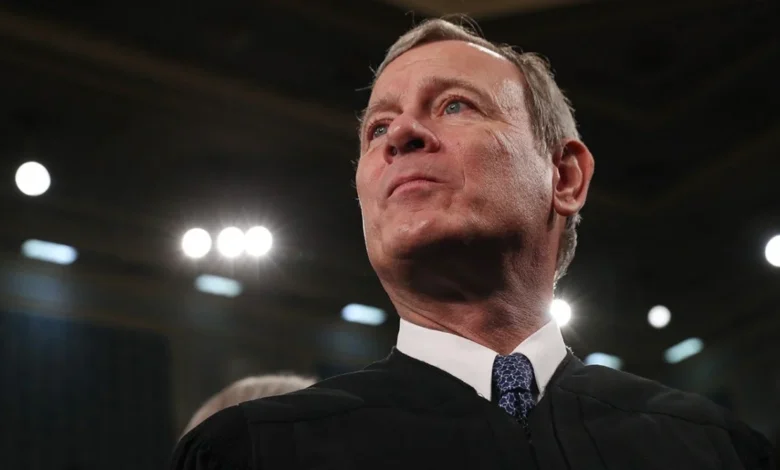
The Supreme Court commenced its new term on Monday, stepping into a formidable docket that places the high court at the center of several of the most contentious legal, social, and political flashpoints in the United States. While the previous term was heavily characterized by sweeping challenges to executive authority—including presidential powers to reshape federal agencies, impose sweeping tariffs, and alter birthright citizenship guidelines—the current term shifts toward a disparate array of structural, individual, and federalist disputes.
Legal scholars note that the upcoming months will feature pivotal rulings touching upon the boundaries of state authority versus federal preemption, the scope of the Second Amendment in the wake of modern firearm regulations, the constitutional protections surrounding religious institutions, and the mechanics of American elections. With over two dozen cases already accepted for review and the distinct possibility of adding more as the term progresses, the nine justices face a docket capable of shifting the nation’s legal landscape for decades to come.
A High-Stakes Environmental Showdown: Suncor Energy v. Boulder County
The crown jewel of the early term’s docket is Suncor Energy v. Boulder County, a blockbuster environmental lawsuit that could permanently alter how climate change litigation is waged across the nation. The core of the dispute questions whether state-level tort laws can be utilized by local and state governments to extract multi-billion-dollar damages from major energy corporations—such as Suncor and ExxonMobil—for climate-related harms, or if federal statutes completely preempt such actions.
The lawsuit was jolted by a last-minute procedural decision from Justice Samuel Alito, raising the stakes as oral arguments got underway. Proponents of the lawsuit, often aligned with municipal and activist groups, argue that energy companies must be held financially accountable for the local impacts of carbon emissions and climate degradation within their jurisdictions. Conversely, the energy giants maintain that the Clean Air Act grants exclusive regulatory authority over interstate and international emissions to the federal government, rendering state-level attempts to regulate or penalize external energy production unconstitutional.
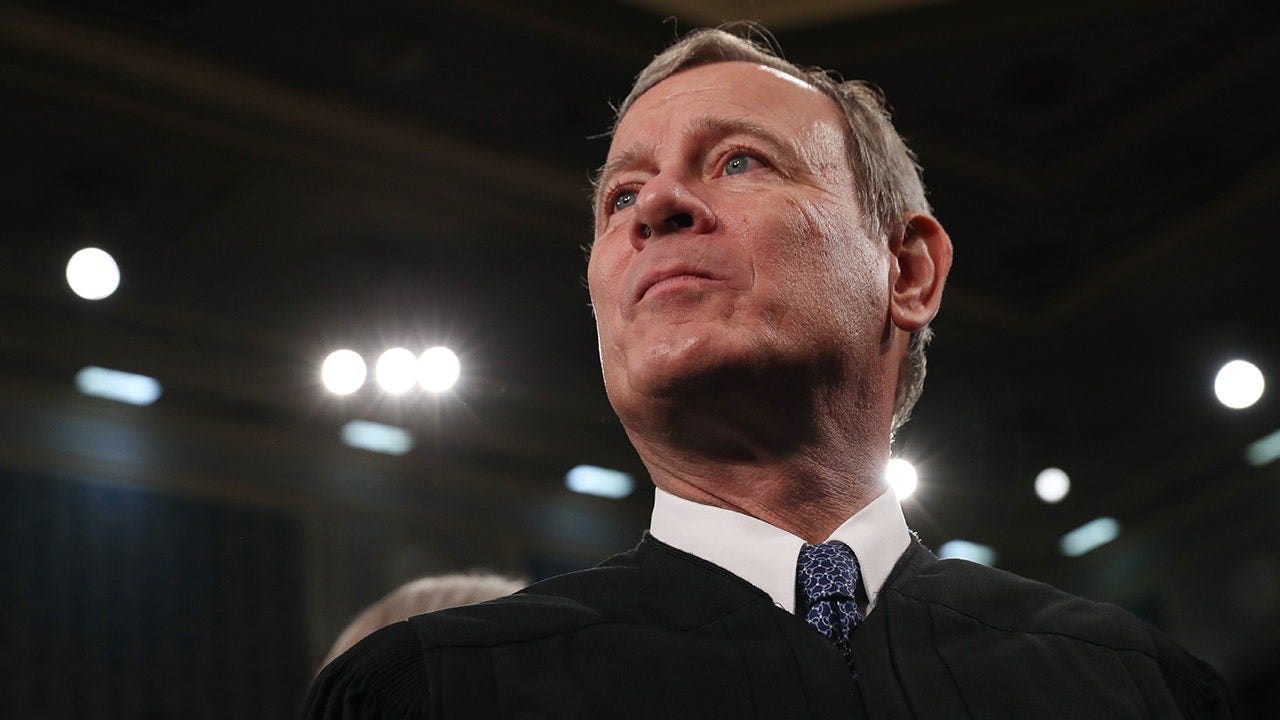
Legal analysts point out the vast interstate implications of the case. "If Colorado actually succeeds on its nuisance claims and others against these companies, the upshot would not just be these companies changing what they do in a way to protect Colorado or remedy Colorado, but rather it would affect their operations far outside of the state," explained Adam White, a senior fellow at the American Enterprise Institute, during a Federalist Society panel discussion. "And the question is, can Colorado courts reach outside of their own state and try in effect to regulate?"
Carrie Severino, president of the Judicial Crisis Network (JCN), echoed these sentiments, categorizing the litigation as an aggressive effort by "climate lawfare activists" to bypass federal legislative channels and weaponize local court systems to manage national energy policies. The court’s eventual ruling will clarify whether a single state can effectively regulate worldwide corporate behavior through retroactive tort liability.
The Battle Over Election Integrity: Arizona’s Citizenship Proof Mandate
Another major structural battle testing the fragile equilibrium between state sovereignty and federal oversight involves an Arizona election integrity initiative. The case, Republican National Committee v. Mi Familia Vota, stems directly from a state law requiring documentary proof of United States citizenship for individuals registering to vote under specific provisions.
Under the challenged Arizona law, voters who register without furnishing such explicit proof are designated as "federal-only" voters. While this classification permits them to cast ballots in federal contests, it bars them from participating in state and local races. Furthermore, the statute empowers election officials to purge noncitizens from voter registration rolls even in close proximity to an election.
At the heart of the litigation is whether the federal National Voter Registration Act (NVRA) implicitly preempts states from enforcing additional, localized documentation requirements on prospective voters. The case mirrors ongoing national debates regarding ballot security, administrative efficiency, and the constitutional authority of state legislatures to regulate the "times, places, and manner" of holding elections versus Congress’s ultimate authority to override state election rules.
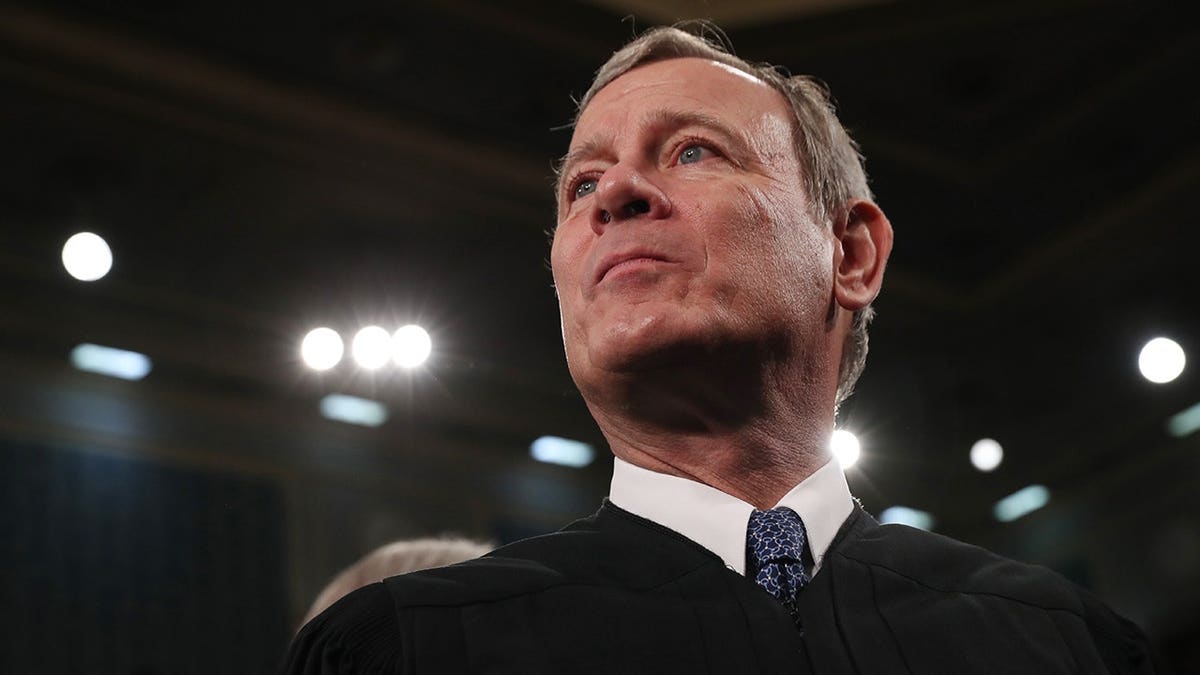
Religious Liberty and Universal Pre-K Funding
Colorado appears twice on the high court’s docket this term, with St. Mary Catholic Parish v. Roy presenting a direct constitutional clash between state-administered public benefits and religious autonomy. The case tests whether Colorado can lawfully exclude Catholic preschools from participating in its universal preschool funding program because the institutions maintain religious policies regarding sexual orientation and gender identity that conflict with state anti-discrimination mandates.
The state’s universal preschool program provides financial subsidies to private preschools that elect to join, provided they strictly adhere to state-enforced non-discrimination rules. Catholic schools participating in the program argue that these requirements directly infringe upon their religious tenets—particularly regarding student accommodations and institutional codes of conduct—and contend that the government cannot condition participation in generally available public benefits programs on the surrender of constitutional religious freedoms.
"They don’t agree with the state on things like allowing children to use the opposite-sex bathroom if they identify with the opposite sex," Severino observed. "So this is something the Supreme Court has been very favorable to religious organizations for—not allowing states to just cut them out of otherwise generally applicable state benefit programs."
However, civil rights advocates and opponents of the religious schools’ policies express deep concern that a ruling favoring the institutions could erode broader anti-discrimination protections. Amanda Shanor, an attorney who previously represented the plaintiffs in the landmark Masterpiece Cakeshop litigation, warned during a Federalist Society panel that the case departs from previous expressive-conduct disputes.
"The schools are not saying, like in the earlier cases… that they want to not serve somebody because of the expression that it would express with regard to a particular event, but instead that they don’t want to have the kids or the families because of the status of the kids or the families," Shanor said. She cautioned that such a carve-out could potentially be generalized to other commercial and institutional spheres, impacting public accommodations at large.
Second Amendment Test: State Bans on Semiautomatic Firearms
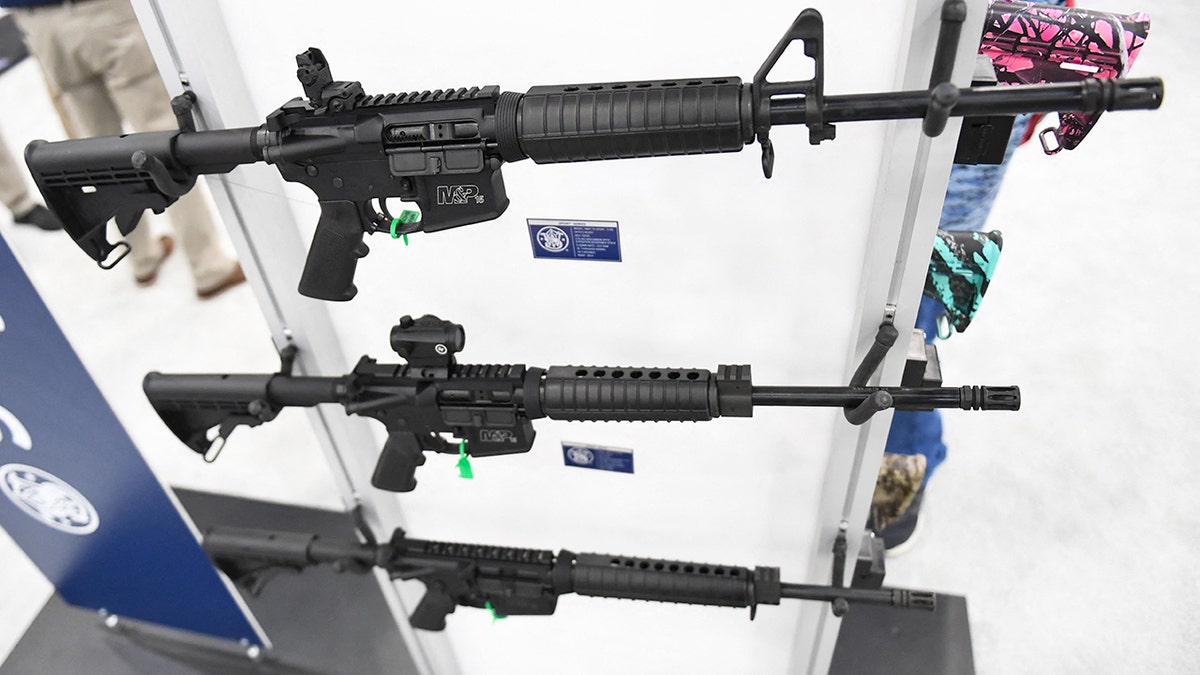
The Supreme Court is also poised to issue critical rulings on the Second Amendment, specifically addressing the extent to which states and municipalities can restrict or prohibit specific categories of firearms. Legal challenges originating from Illinois and Connecticut concerning state-level bans on certain semiautomatic firearms have ascended to the nation’s highest court.
This term marks the first time the Supreme Court will evaluate state-level weapons restrictions under the analytical framework established by its landmark 2022 decision in New York State Rifle & Pistol Association, Inc. v. Bruen. In Bruen, the court ruled that the Second Amendment protects an individual’s right to carry a handgun for self-defense outside the home and mandated that gun regulations must be consistent with the nation’s historical tradition of firearm regulation.
"This is important because the Supreme Court, for the first time following its landmark Bruen decision, is going to be looking at how states or municipalities can limit particular types of weapons," Severino noted. The court’s primary task will be determining whether popular firearms, such as AR-15-style rifles, qualify as weapons in "common use" for lawful purposes like self-defense, thereby earning constitutional protection under the Second Amendment.
Executive Immigration Policies and Third-Country Deportations
While traditional tests of sweeping presidential power are less prominent this term compared to the previous session, the justices will nonetheless adjudicate the legal boundaries of executive authority in the immigration sphere. The court has agreed to hear a challenge regarding the Trump administration’s policy aimed at deporting undocumented immigrants to third-world countries—nations other than the individual’s home country and which are not explicitly specified in their formal removal orders.
Rather than serving as a broad, theoretical test of executive overreach, the litigation focuses narrowly on statutory interpretation: specifically, whether current federal immigration laws grant the executive branch the administrative flexibility necessary to execute third-country deportations. The Supreme Court previously cleared the path for the administration to continue utilizing these deportations while the underlying legal challenges proceed through the judicial pipeline, underscoring the immediate practical stakes of the litigation.
Broader Implications and Outlook for the Term
As the Supreme Court navigates these diverse and complex domains, legal analysts emphasize that the cumulative output of the current term will significantly redefine the balance of power within American federalism. From corporate accountability and environmental policy to election administration, religious rights, and public safety, the decisions rendered by the justices in the coming months will reverberate far beyond Washington, D.C., directly impacting state legislatures, corporations, advocacy groups, and individual citizens alike.