It is a transparent, high-proof elixir that carries the distinct aroma of wild fennel and a potency capable of flooring even the most seasoned drinkers. Known locally as filu ‘e ferru, or "iron wire," this traditional Sardinian distillate remains a subject of intense cultural fascination and legal ambiguity. While it is celebrated as a cornerstone of the island’s rustic culinary heritage, its production in many household cellars across the Oristano region continues to operate in the shadows, technically illegal but culturally ingrained. With an alcohol concentration that can soar to 45% or higher, the spirit is more than just a drink; it is a symbol of a centuries-old rebellion against state-imposed taxation and an enduring testament to the resilience of Sardinian domestic tradition.
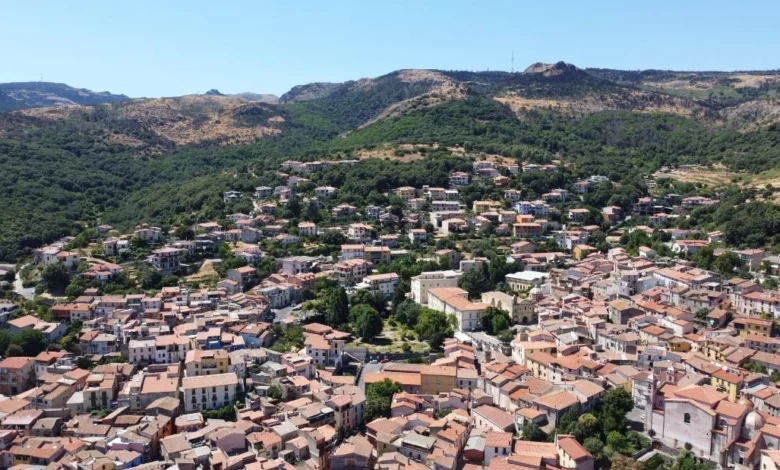
The story of filu ‘e ferru is inextricably linked to the rugged, volcanic landscape of Santu Lussurgiu, a small town of approximately 2,000 residents nestled in the rocky hills of western Sardinia. For over 400 years, this isolated community has perfected a unique method of creating a potent spirit known locally as "abbardente." The etymology of the term is derived from the Latin-rooted phrase for "burning water," a fitting description for a substance that has, for generations, served as both a medicinal tonic and a social lubricant.
A Chronology of Conflict and Clandestine Distillation
The transformation of this traditional craft into an "outlaw" practice traces back to the 19th century. When the Italian House of Savoy ascended to power and began imposing stringent levies on the production of distilled spirits, the economic impact on rural Sardinian families was immediate. In response, the people of Santu Lussurgiu refused to relinquish their centuries-old right to brew their own alcohol. This resistance gave birth to the moniker "filu ‘e ferru."
To avoid detection by the tax police—the Guardia di Finanza—producers developed a sophisticated system of evasion. When distilling in secret, farmers would hide their copper alembics and bottles in underground pits or behind false walls. To prevent the glass vessels from being broken or lost in the dark, they would tether the bottles to a piece of iron wire—the "filu ‘e ferru"—which led to a surface marker, such as a rock or a shrub. If police patrols were spotted, the wire allowed for the rapid retrieval or submersion of the stash.
The intensity of this era of "bootlegging" is still etched into the memories of the village elders. During the 1950s and 1960s, the threat of police raids was constant. Village messengers, utilizing trumpets to announce local decrees, were often repurposed as early-warning systems, signaling the approach of authorities with a coded set of blasts. This clandestine network created a social bond among the villagers, reinforcing a culture of silence that persists even today.

Distillation: The Science and Tradition of Abbardente
While much of Italy identifies with grappa—a spirit made from the pomace, or the leftover skins, seeds, and stems of grapes—Santu Lussurgiu distinguishes itself by utilizing pure wine. This technical difference is significant. By distilling the wine itself rather than the byproduct, the spirit achieves a higher degree of purity and a distinct flavor profile that is widely regarded by connoisseurs as superior to conventional pomace-based spirits.
Carlo Psiche, a local distiller who operates one of the few legal, tax-compliant distilleries in the region, explains that this choice was historically driven by necessity. "Our village has always used wine instead of marc because the vineyards over here tend to over-yield," Psiche notes. "The best way to avoid any waste was to use the wine to make abbardente."
Psiche’s operation represents a bridge between the past and the present. Using traditional copper alembics, his process involves a slow, careful distillation that emphasizes the character of the raw material. His product is currently available in two distinct varieties: a clear, steel-aged version with notes of almond and dried fruit, and an amber-hued, oak-aged version that leans into the deeper, richer flavors of honey and toasted grain.
The Societal Role of the Spirit
Beyond its status as an after-dinner digestif, the consumption of filu ‘e ferru is woven into the existential fabric of Sardinian life. It is commonly served at wakes and funeral vigils, where the act of sharing a glass is viewed as a way to honor the deceased. Conversely, it is also a staple at joyous communal gatherings, toasts, and weddings.
The persistence of home production, despite the legalization of commercial distilleries like Psiche’s, speaks to a deeply rooted belief in self-sufficiency. For many, the homemade version is not merely about cost savings—it is about maintaining a connection to ancestors. Women, in particular, have been the traditional keepers of this knowledge. For decades, it was the wives and grandmothers of the household who managed the distillation process, moving from early methods involving copper milk vats sealed with bread dough to the more refined copper stills used today.
Legal and Economic Implications
The legal status of home-distilled spirits in Italy remains complex. While the state no longer pursues individual households for small-scale production with the same fervor seen in the 1960s, the production of alcohol remains a regulated activity subject to excise duties. The tension between the state’s regulatory mandate and the village’s cultural mandate remains unresolved.

Local authorities generally adopt a policy of benign neglect, focusing enforcement efforts on large-scale, unlicensed operations that pose potential health risks or represent significant tax evasion. However, for the average resident of Santu Lussurgiu, the "illegal" nature of the drink is more of a romanticized badge of honor than a genuine legal threat.
The broader impact of this tradition is felt in the diaspora. As many Sardinians migrated to cities like Chicago and regions like Ohio throughout the 20th century, they carried their recipes and their affinity for the "burning water" with them. Today, there is a small but steady export market for artisanal filu ‘e ferru, as the younger generation seeks to reclaim and monetize the heritage that their grandparents once had to hide.
A Modern Preservation Effort
The role of figures like Carlo Psiche is critical to the survival of this craft. By formalizing the production, he has created a template for how traditional techniques can be preserved without the need for secrecy. His distillery, which houses historical artifacts including an original bottle from 1860, acts as a living museum.
However, the home-based culture shows no signs of disappearing. Interviews with residents reveal that many continue to distill using equipment passed down through three or four generations. Some add local botanicals, such as wild absinthe or fennel, to personalize their batches. The continuity of this practice suggests that for the people of the Montiferru mountains, the spirit is not just a product to be sold, but a craft to be lived.
As global interest in "slow food" and traditional artisanal spirits continues to rise, Sardinia finds itself at a crossroads. The challenge lies in promoting the cultural significance of filu ‘e ferru without stripping it of its raw, rebellious character. Whether it is consumed at a midnight wake or as a morning "pick-me-up" by a daring local, the drink remains a potent reminder of a time when the law was something to be outsmarted, and a glass of "iron wire" was the only companion one needed to face the rugged, beautiful reality of the Sardinian interior.
Related posts: