We live in an era where our digital footprints are as indelible as physical ones, and often, far more revealing. The common understanding of online tracking typically conjures images of targeted advertisements that eerily follow us across the web, a consequence of our initial searches for products like garden furniture. However, the reality of data collection is far more pervasive and immediate. Every interaction with a website or web application transmits a wealth of information about your device and its configuration, details that can uniquely identify you even without explicit login credentials. Understanding this silent data exchange is crucial for safeguarding online privacy in an increasingly interconnected world.
Unveiling the Digital Fingerprint: The "Since You Arrived" Phenomenon
A groundbreaking online tool, aptly named "Since You Arrived" (sinceyouarrived.world), offers an unprecedented look into the vast amount of data your web browser automatically shares. This interactive website acts as a mirror, reflecting the specific details your device broadcasts to the internet, many of which are transmitted within milliseconds of loading a webpage. For anyone concerned about their digital privacy, exploring this platform is not merely recommended; it’s essential.
The "Since You Arrived" website meticulously categorizes the information shared by your browser into distinct "volumes." While all sections offer fascinating insights, Volume IV is particularly pertinent for understanding the mechanisms of online identification. This section progressively reveals the data points your browser logs, beginning with your geographical location, as inferred by your Internet Service Provider, and the specific browser software you are utilizing.

Beyond these foundational details, the site highlights a surprising array of technical specifications that your device readily divulges. Consider the fact that your device typically reports its current timezone before a webpage has even fully loaded. This, alongside other readily shared data such as your system’s graphics processor, remaining battery life, the preceding website you visited, and the duration of your stay on the current page, contributes to a comprehensive profile. As the website itself points out, "Your screen is 1470 by 956 pixels, rendered at 2x density—which means it is almost certainly a recent, high-end display." This level of detail, volunteered in the initial milliseconds of a connection, is consistently repeated with every new website you visit, forming a consistent digital signature.
Beyond Identification: Exploring the Breadth of Data Sharing
While Volume IV focuses on the data that can be used for identification, the other sections of "Since You Arrived" offer a broader perspective on the information flow online:
- Volume I: Real-time Metrics: This section presents a dynamic stream of global data, including real-time statistics on births, deaths, songs streamed, AI queries, and even instances of human connection like hands held. It underscores the sheer volume of activity occurring online and in the world simultaneously.
- Volume II: Celestial Clues: Volume II delves into astronomical data, providing information about the sunset in your specific geographical location from the previous night. This adds a touch of the natural world to the digital landscape, reminding users of their physical presence.
- Volume III: Local Discoveries: This volume highlights scientific discoveries made in proximity to your current location. For instance, one user might be informed about the discovery of trilobites like Lotagnostus, showcasing the integration of local scientific knowledge.
- Volume V: Global Extremes: Volume V engages with a unique geographical concept, identifying the point on Earth that is furthest from your current location and all other users concurrently browsing the "Since You Arrived" site. This offers a fascinating perspective on global connectivity and distance.
The Implications of Ubiquitous Data Disclosure
The data points revealed by "Since You Arrived" are not merely abstract technicalities; they form the basis of what is known as "browser fingerprinting." This technique leverages a combination of these seemingly innocuous details—your screen resolution, operating system, installed fonts, browser plugins, language preferences, and even your device’s battery status—to create a unique identifier. This "fingerprint" can be as effective as a cookie in tracking users across the internet, even if they clear their cookies or use incognito mode.
The implications of this are far-reaching. For advertisers, it allows for highly granular targeting and behavioral analysis, enabling them to predict consumer behavior with remarkable accuracy. For websites and services, it facilitates personalized user experiences, though the extent to which this personalization is desired or beneficial can vary. However, for privacy-conscious individuals, it represents a significant erosion of anonymity, as a detailed profile can be built about their habits, interests, and even their location without their explicit consent.

Fortifying Your Digital Defenses: Strategies for Enhanced Privacy
While it is virtually impossible to eliminate all data collection when browsing the internet, several effective strategies can significantly mitigate the amount of information your browser shares and reduce your digital footprint.
Virtual Private Networks (VPNs)
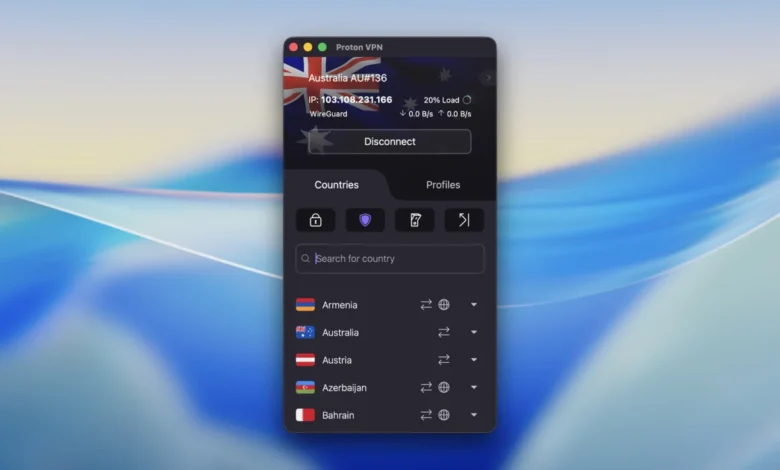
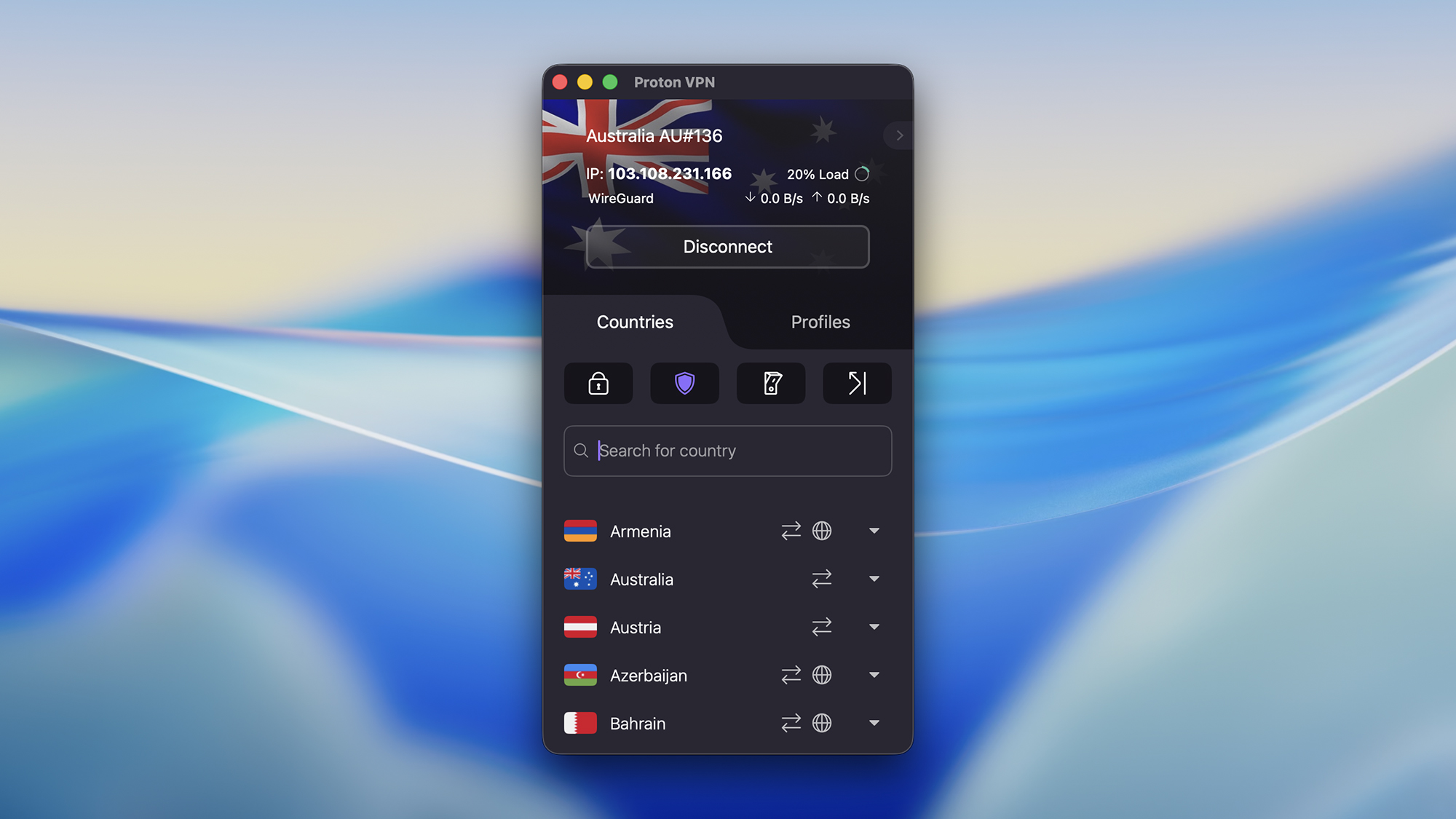
One of the most widely recommended solutions is the installation of a Virtual Private Network (VPN). While a VPN does not render users completely anonymous, it effectively masks your true IP address and geographical location, thereby obscuring two key data points that browsers readily share. By routing your internet traffic through an encrypted tunnel to a server in a location of your choosing, a VPN can prevent websites from accurately determining your real whereabouts. For enhanced anti-fingerprinting, users can periodically change their spoofed location, further complicating attempts to track them consistently.
Privacy-Focused Browsers
The choice of web browser plays a pivotal role in online privacy. Mozilla Firefox, for instance, has long championed user privacy and incorporates robust anti-fingerprinting technologies. Firefox’s features are designed to actively obscure or randomize certain data points that browsers typically share, making it considerably more challenging for websites to construct a unique fingerprint. This proactive approach to privacy protection sets it apart from many other mainstream browsers.
For those seeking the highest level of privacy, the Tor Browser stands out. Built upon Firefox, Tor offers even more comprehensive fingerprinting protections by generalizing and obfuscating the data it reports to websites. Furthermore, Tor’s unique network architecture, which routes traffic through a series of volunteer-operated relays, significantly enhances anonymity by concealing both the user’s identity and their location. While this increased security comes at the cost of some browsing speed, it represents the gold standard for privacy-conscious users.
Incognito Mode and Beyond
Utilizing your browser’s "incognito" or "private browsing" mode can offer a layer of protection by limiting what websites can store and log on your local device. This mode typically prevents the browser from saving browsing history, cookies, and site data after the session ends. However, it’s important to understand that incognito mode does not make you invisible online; websites can still track your activity during the session, and your Internet Service Provider can still see your traffic. For this reason, the Tor Browser, which inherently operates in a privacy-focused manner, does not require a separate incognito mode.
Granular Privacy Settings
Beyond browser choice, users can take advantage of privacy settings within various online platforms and services. For example, Google offers options to limit ad personalization and delete search history. While these actions primarily pertain to general privacy rather than immediate browser-based tracking, they contribute to a more comprehensive privacy posture. Reviewing and adjusting privacy settings on social media platforms, email services, and operating systems can further safeguard personal information.
The Evolving Landscape of Online Privacy
The development of tools like "Since You Arrived" serves as a vital educational resource, bringing to light the often-unseen mechanisms of online data collection. As technology advances, so too do the methods of tracking and identification. The ongoing dialogue surrounding online privacy underscores the critical need for user awareness and the adoption of proactive measures. By understanding what information is being shared and by employing the available tools and strategies, individuals can navigate the digital world with greater confidence and control over their personal data. The invisible handshake between your browser and the internet is a constant, but with knowledge and the right tools, you can ensure that handshake is on your terms.
Related posts: