The Dark Side of the Diamond: How the Dominican Republic Baseball Pipeline Exploits Youth Talent for Profit

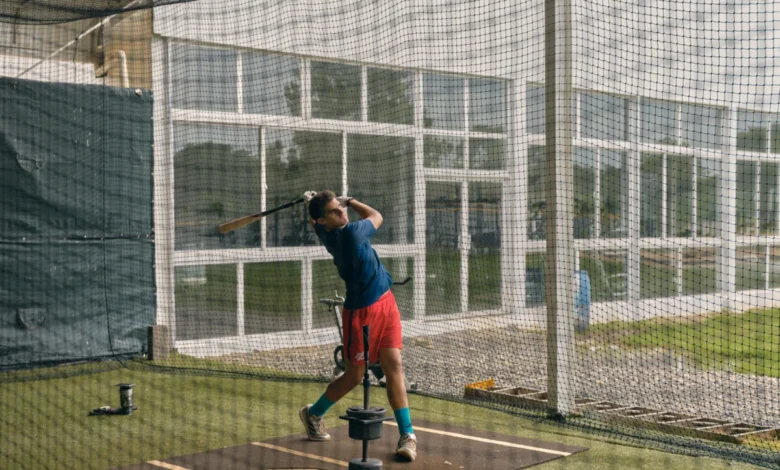
Baseball is more than a sport in the Dominican Republic; it is a primary engine of social mobility, a national religion, and, increasingly, a theater of unchecked financial exploitation. For nearly half a century, the Caribbean nation has served as the most prolific international supplier of talent to Major League Baseball (MLB), sending a disproportionate number of superstars—including Hall of Famers Pedro Martínez and Adrián Beltré—to the professional ranks. However, beneath the veneer of glory and the colorful murals immortalizing local heroes in small villages, a predatory, unregulated system has taken root. A complex web of "buscones" (trainers), high-interest moneylenders, and informal handshake agreements currently dictates the futures of thousands of impoverished children, siphoning away hundreds of millions of dollars that were intended to change the lives of young prospects and their families.
A Volume-Based Industry of Dreams
The sheer scale of the Dominican baseball pipeline is staggering. With a population comparable to that of Ohio, the Dominican Republic consistently provides approximately 10% of all players in Major League Baseball. Last year alone, 144 players from the island reached the highest level of the professional game. Yet, the path to the big leagues is built on a volume-based model that prioritizes the interests of intermediaries over the welfare of the athletes.
Each year, MLB teams sign roughly 450 prospects from the island. Statistically, fewer than 10% of these young players will ever reach the major leagues. For the vast majority, the journey ends in the minor leagues or at the training academy gates. Despite these slim odds, the signing bonuses—often reaching into the six or seven figures—represent a fortune in a country where the average annual income is a fraction of those payouts. Between 2012 and early 2026, MLB teams injected over $1 billion into the Dominican market in signing bonuses. A recent investigation by ProPublica suggests that as much as $500 million of that total was siphoned off by predatory trainers and financiers before the money even reached the families of the athletes.

The Rise of the Buscones and Preacuerdos
Unlike the United States and Canada, where amateur players enter the professional ranks through an annual, regulated draft, the Dominican Republic operates as a free-for-all. This open market allows teams to bypass draft-day restrictions, leading to the prevalence of "preacuerdos"—unofficial, unwritten handshake deals made with players as young as 11 or 12 years old.
These agreements function as futures contracts. An MLB team effectively stakes its claim on a child, promising a specific signing bonus once the player turns 16, the legal age for signing a professional contract. This system birthed the "buscon" industry. Trainers who operate these private academies provide food, lodging, and coaching in exchange for a massive stake in the player’s eventual bonus, typically between 35% and 50%. Education, meanwhile, is frequently neglected, leaving young prospects with few alternatives if their baseball careers fail to materialize.
The Shadow Economy: Predatory Lending and the Caraballo Connection
The existence of these future payouts has created a secondary, parasitic economy: the rise of the "prestamistas," or predatory moneylenders. These individuals target families who are often desperate for immediate cash, offering high-interest loans against the player’s future, as-yet-unearned signing bonus.
A central figure in this ecosystem is Santo Caraballo, a lender whose influence extends into the highest echelons of baseball royalty. The case of Belfi Rivera serves as a grim example of this reality. At age 14, Rivera reached a handshake deal with the Arizona Diamondbacks worth $1.8 million. By the time the deal was finalized, his earnings had been hollowed out: his trainer claimed a $630,000 commission, and over $950,000 was diverted to Caraballo.

Caraballo’s reach, however, goes beyond standard lending. He became a known associate of former Boston Red Sox star David Ortiz. Records indicate that the two were partners in a Florida-based entity, Big Papi Sports Group, which was dissolved in 2022. Ortiz has acknowledged investing millions into Caraballo’s baseball business, claiming these investments were limited to loans for trainers rather than children. The depth of their relationship was publicly visible as recently as September 2025, when the two were filmed traveling together on a private jet to attend a concert in Puerto Rico.
The Oneil Cruz Incident and Legal Controversies
Caraballo’s influence was also highlighted during the legal troubles of Pittsburgh Pirates outfielder Oneil Cruz. In 2020, Cruz was involved in a fatal car accident in the Dominican Republic that claimed three lives. Facing potential imprisonment, his family turned to Caraballo, who reportedly negotiated settlements with the victims’ families. These agreements resulted in the withdrawal of legal claims against the player, leading to a dismissal of the case. While Cruz’s legal team maintains the resolution was lawful and the result of a "profound tragedy," the incident underscores how the financial influence of the baseball industry can intersect with the local judicial process.
The Battle Over the International Draft
For over a decade, MLB Commissioner Rob Manfred has lobbied for an international draft, arguing that it is the only way to professionalize the system and eliminate the "problematic" culture of early, unregulated agreements. However, the proposal has faced stiff opposition from the MLB Players Association, which argues that a draft would restrict a player’s freedom to negotiate and ultimately lower the value of signing bonuses.
The debate reached a fever pitch in 2022 during labor negotiations. According to multiple sources, David Ortiz played a pivotal role in rallying opposition to the proposal. In a leaked audio message directed at Dominican players and trainers, Ortiz urged a "red alert," warning that an international draft would negatively impact generations of Dominican ballplayers. He encouraged players to contact the union to block the measure.

When asked if his opposition to the draft was influenced by his financial ties to Caraballo—a man who profits directly from the current, unregulated system—Ortiz declined to comment, though he later issued a statement asserting that his stance was based solely on his views regarding player development and the long-term health of baseball in his home country.
Systemic Inertia and the Path Forward
The fundamental issue remains the persistent lack of oversight. While Major League Baseball wields immense political and economic power in the Dominican Republic, it has yet to implement meaningful, enforceable reforms. The league has never officially sanctioned a team for entering into an early, prohibited agreement, and its educational initiatives to warn families about predatory lenders have been largely ineffective.
Critics, including former Dominican Commissioner of Baseball Piñao Ortiz, argue that the league is well aware of the corruption within the pipeline but has opted to maintain the status quo to ensure a steady, cheap flow of talent. "Major League Baseball knows how dirty the business is here," he stated, "but it’s not doing anything to stop it."
The implications for the future of the game are significant. As the disparity between the wealth generated by the league and the exploitation of the youth who fuel it grows, the moral authority of the sport is increasingly under fire. Without a structural overhaul—such as the implementation of an international draft or strict, enforced regulations on trainers and lenders—the "baseball factory" of the Dominican Republic will likely continue to produce superstars at the cost of the dignity and financial security of thousands of children.

As of early 2026, the silence from the league’s central office regarding specific reform measures remains deafening. For families in towns like El Mamón, the dream of a "big league" contract remains a double-edged sword: a potential ticket out of poverty, or a path into a cycle of debt and disappointment managed by those who profit from their children’s talent. The true cost of the Dominican pipeline is measured not in runs batted in or ERA, but in the lost futures of those who were never meant to survive the system that promised them everything.