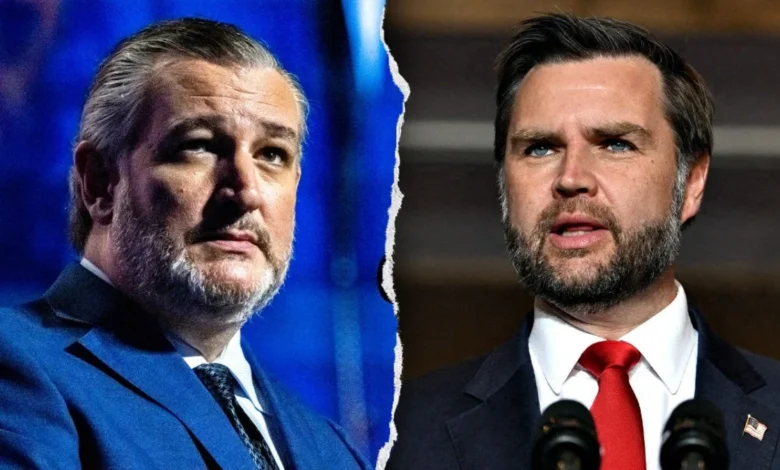
The internal jockeying for the future leadership of the Republican Party has burst into the open, highlighted by a sharp verbal exchange between Vice President JD Vance and Senator Ted Cruz of Texas. What began as an observation regarding potential 2028 presidential aspirations has quickly devolved into a public feud, underscoring the delicate political ecosystem of the contemporary GOP as it balances immediate electoral battles with long-term succession planning.
The friction between the two high-profile conservatives escalated following a candid interview Vance gave to NBC News, in which he asserted that Cruz’s actions made it "really obvious" that the Texas senator was already laying the groundwork for a White House run in 2028. Cruz swiftly fired back during a weekend interview with Politico, dismissing Vance’s remarks and accusing the Vice President of resorting to "political bomb-throwing" driven by personal insecurity.
This escalating public disagreement brings to the forefront underlying tensions within the conservative movement. As the Republican Party navigates the twilight of the current political era, high-ranking figures are increasingly forced to balance active campaign duties for the upcoming midterms with the unspoken, yet fiercely competitive, race to claim the mantle of party leadership.
Roots of the Feud: The 2028 Speculation and the NBC Interview
The latest chapter in the Vance-Cruz dynamic began taking shape in late September and early October, fueled by high-stakes political conventions and a rapidly approaching midterm election cycle. Political analysts and media pundits have spent months evaluating the future power structure of the Republican Party, frequently placing both Vance and Cruz at the top of hypothetical 2028 primary ballots.
During his interview with NBC News, Vance was pressed on his own political future and whether he viewed potential intra-party rivals through the lens of the next presidential cycle. Vance demurred regarding his own plans, stating clearly that his immediate priority remained focused on electing down-ballot Republicans. However, he turned his attention toward Cruz, telling the network, "It is really obvious to me that, at this very moment, Ted Cruz is running for president. At this moment, I’m not. I’m trying to help elect Republicans. That’s what I’m going to keep on doing."
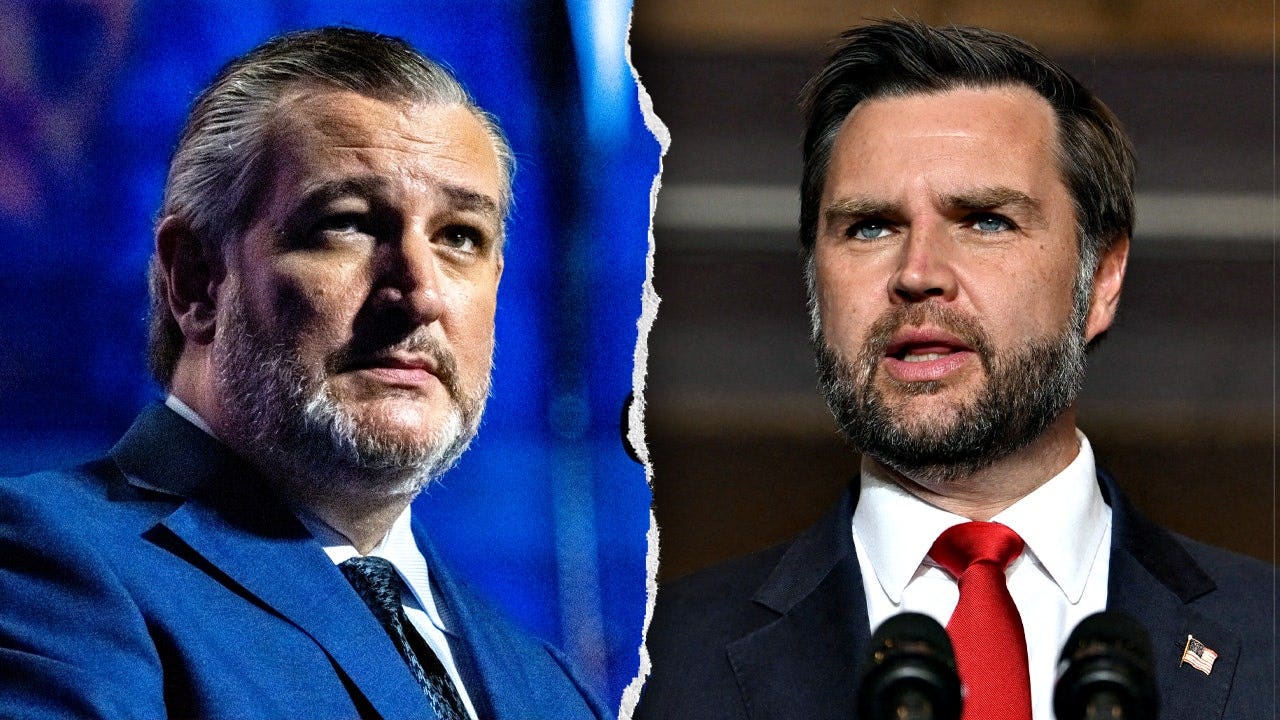
The assertion was viewed by political observers as an intentional effort to spotlight Cruz’s national ambitions while framing Vance himself as a team player wholly dedicated to the collective success of the party. In Washington, where statements by executive branch leaders carry significant weight, singling out a sitting senator in such a manner rarely goes unanswered.
Ted Cruz Responds: Accusations of Insecurity
Senator Cruz did not let the remarks linger. Speaking by phone with Politico, Cruz did not shy away from a confrontation, deploying sharp rhetoric against the Vice President while simultaneously trying to pivot back to his legislative and electoral responsibilities.
"In my experience, people engage in political bomb-throwing when they’re feeling insecure," Cruz told the publication.
Despite the pointed jab, Cruz maintained a calm exterior regarding Vance’s underlying motivations, adding, "So he’s welcome to make whatever comments he likes. I’m going to keep focusing on the midterms and helping us win on Election Day in the next 30 days."
Cruz has never concealed his national ambitions, having launched a formidable campaign for the GOP presidential nomination in 2016 that ultimately culminated in a second-place finish behind Donald Trump. When asked earlier in August by MS NOW about whether he would enter the 2028 race, Cruz left the door wide open, stating that he would "certainly be part of the discussion."
A History of Alliance Complicated by Ambition
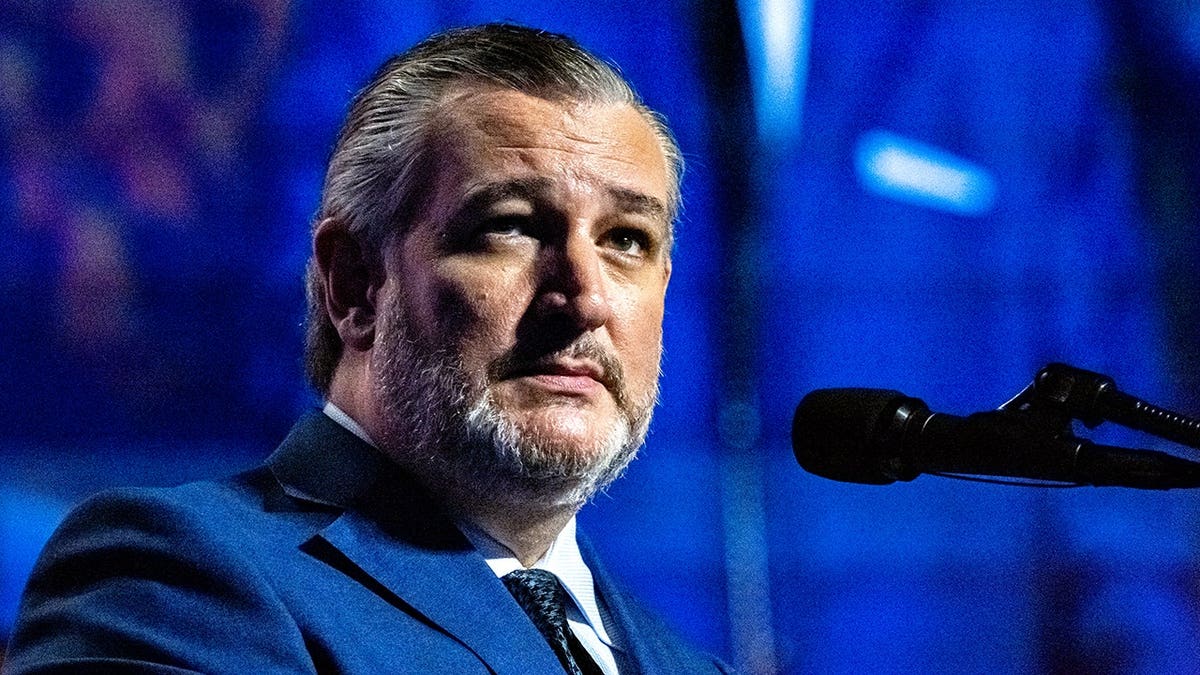
The public friction between Vance and Cruz stands in stark contrast to their past history of cooperation. During Vance’s grueling and highly competitive 2022 campaign for the U.S. Senate in Ohio—a race that solidified Vance’s standing within the modern populist-conservative movement—Cruz was among the prominent national figures who traveled to the Buckeye State to lend his support.
Reflecting on their past relationship during his interview with Politico, Cruz pointed out the irony of the current public spat. "Indeed, ironically, I spent a full day on the road with JD Vance, campaigning with him when he was running for Senate in Ohio," Cruz recalled. "I was very glad he won that race. I was very glad to help him."
That shared history highlights the complex web of loyalties within the modern Republican Party, where ideological alignment does not preclude intense competition for the ultimate prize of the presidency.
Midterm Focus and Campaign Trails Across America
Even as both men trade barbs regarding future presidential aspirations, each is actively engaged in the immediate, high-stakes battle for control of Congress in the upcoming midterm elections. Both Vance and Cruz have maintained punishing travel schedules designed to bolster Republican candidates in competitive districts and battleground states.
Cruz has aggressively positioned himself as a tireless surrogate for the party, pointing to a decade of extensive campaign travel on behalf of House, Senate, and gubernatorial candidates across the nation. Over the course of the current cycle, Cruz’s campaign missions have taken him to states such as Georgia, Iowa, Nebraska, South Carolina, Alaska, Florida, North Carolina, and Ohio.
"Over the last 10 years, there’s no Republican in the country who has campaigned for more Senate candidates, more House candidates, more gubernatorial candidates than I have, and this year will be no exception," Cruz noted.
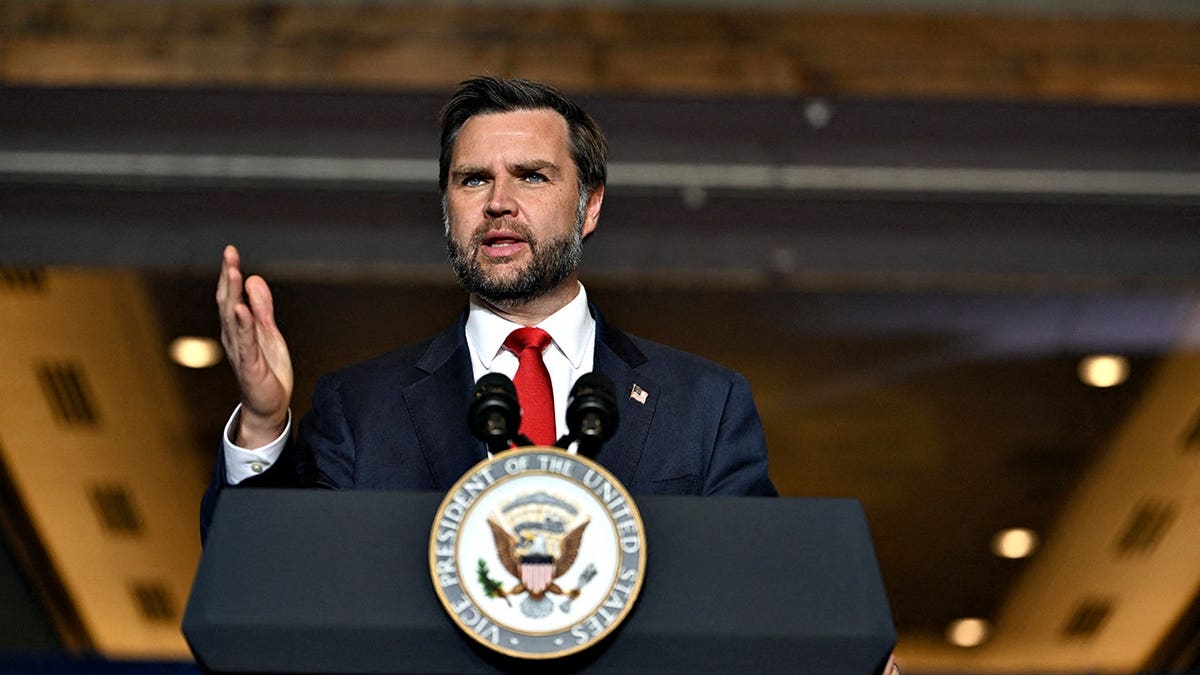
Concurrently, Vice President Vance has maintained an equally aggressive schedule. Last week, Vance undertook a series of high-profile campaign stops in Texas and Florida, rallying voters and providing critical support to local Republican candidates, such as Eric Flores in Texas’s 34th Congressional District. Vance’s travel itinerary continues with a planned major rally in Alaska, reinforcing his role as a key national surrogate and the leading millennial voice of the MAGA movement.
The Broader Implications for the Post-Trump GOP
The public clash between Vance and Cruz offers a clear preview of the strategic positioning expected to define the Republican Party over the next several years. As the GOP seeks to expand its legislative majorities and cement its policy agenda, individual leaders are inherently required to walk a fine line between collective party unity and individual brand enhancement.
For Vance, his position within the executive branch grants him a powerful platform and an influential role in shaping the populist coalition. Political analysts, such as commentator Joe Sweeny, have frequently highlighted Vance’s unique standing as a generational messenger capable of mobilizing younger voters and bridging traditional conservative ideology with the economic nationalism popularized by the MAGA movement. His prominent address at the Republican National Convention in Dallas further cemented this role, turning him into a focal point of future party discussions.
For Cruz, his longevity in the Senate, high-profile committee chairmanships, and proven national fundraising and campaigning infrastructure provide him with an enduring base of support among constitutional conservatives and fiscal hawks. His willingness to push back directly against the administration’s second-in-command signals that the 2028 nomination process will not be conceded without a robust contest.
As the final weeks of the midterm election cycle wind down, both leaders have publicly vowed to keep their immediate focus on retaining control of the House and Senate. However, the exchange has made it unmistakably clear that the race for the future direction of the Republican Party is already well underway beneath the surface of day-to-day legislative governance.
Related posts: