A Comprehensive Guide to the Culinary Destinations Featured in Season Two of Stanley Tucci Searching for Italy

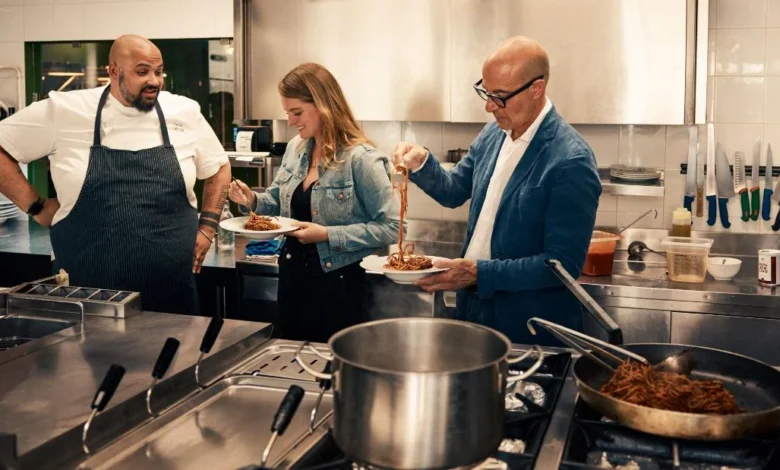
Stanley Tucci Searching for Italy has cemented its status as a cultural phenomenon, blending travelogue aesthetics with a deep, reverent exploration of regional Italian gastronomy. The second season of this CNN original series continues the actor’s journey across the diverse Italian peninsula, offering viewers a curated look at both rustic, family-run trattorias and high-end, Michelin-starred institutions. For those inspired to trace the footsteps of the host, the following guide outlines the specific locales and culinary traditions featured throughout the second season, contextualized by the historical and regional significance of each stop.
The series is currently available for streaming on platforms including CNNgo and Discovery+, providing a comprehensive resource for viewers interested in Italian culinary heritage. Every episode serves as a masterclass in the intersection of geography and cuisine, illustrating how the scarcity or abundance of local resources has dictated the evolution of Italy’s most famous dishes.
Liguria: Glamour and the Art of Invention
The Italian Riviera, encompassing the provinces of Portofino and the Cinque Terre, represents a unique convergence of harsh, mountainous topography and Mediterranean sophistication. The region is defined by its dramatic cliffs and colorful, vertically built villages. Historically, the difficulty of cultivating this steep terrain necessitated a high degree of agricultural ingenuity, leading to the creation of iconic staples such as pesto and various herb-infused pasta dishes.

During his visit to the region, Tucci explored several key establishments that highlight these traditions:
- Cracco Portofino: Run by Michelin-starred chef Carlo Cracco, this establishment exemplifies the modern interpretation of Ligurian flavors. Tucci famously sampled pansotti pasta, a ravioli-like dish filled with preboggion—a traditional mixture of wild local greens and herbs—finished with a delicate walnut sauce.
- Il Genovese: Under the guidance of Chef Roberto Panizza, often referred to as the "King of Pesto," this restaurant focuses on the ancestral method of crushing ingredients by hand in a marble mortar. The addition of green beans and potatoes to the pasta serves as a classic, hearty nod to Genoese tradition.
- Antico Forno della Casana: This bakery serves as a focal point for the regional obsession with focaccia. Food writer Laurel Evans notes that the local custom involves eating the dimpled bread upside down, allowing the coarse sea salt on the surface to strike the palate first, providing an immediate flavor profile before the dough’s texture takes center stage.
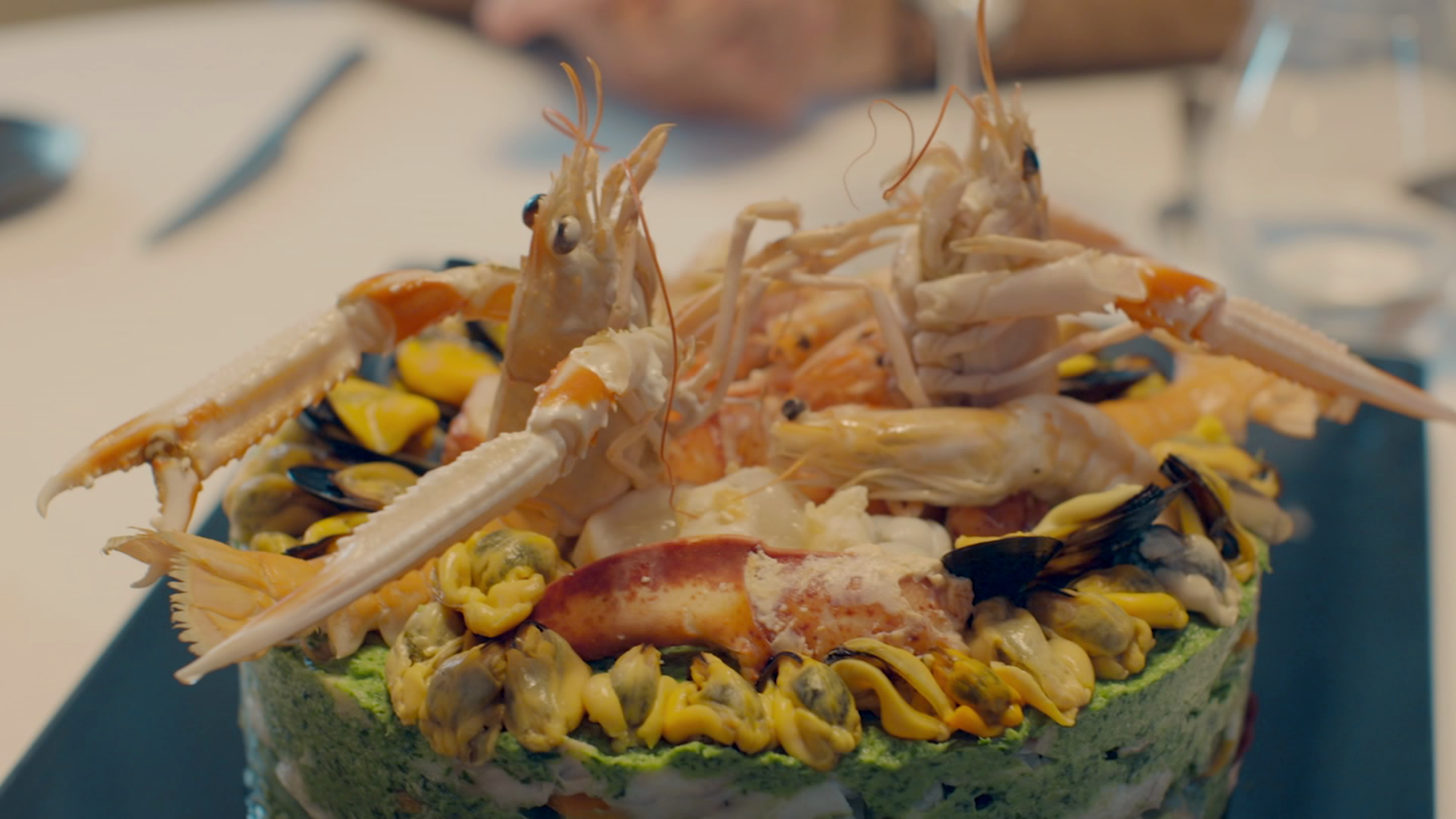
- The Cook: Situated within a 14th-century palazzo in Genoa, Chef Ivano Ricchebono’s restaurant serves as a bridge between history and contemporary fine dining. The restaurant is noted for its preparation of cappon magro, a labor-intensive, decorative pyramid of seafood and vegetables that represents the zenith of Ligurian culinary pageantry.
- Ittiturismo: Located directly within the cliffs of Cinque Terre, this family-run operation highlights the integration of home and kitchen. Chef Pietro Galletti prepares fresh catches provided by his father, Guido, emphasizing the "sea-to-table" ethos that sustains the local economy.
Puglia: The Fundamental Flavors of the South
Puglia, the "boot" of Italy, is frequently cited as the region that best represents the nation’s culinary foundations. Despite being historically categorized as one of Italy’s economically disadvantaged areas, the region has undergone a significant gastronomic renaissance. This newfound pride is rooted in the quality of its fundamental ingredients: cold-pressed olive oil, fresh seasonal vegetables, artisanal cheeses, and high-quality durum wheat.

The series highlights several notable establishments in Puglia:
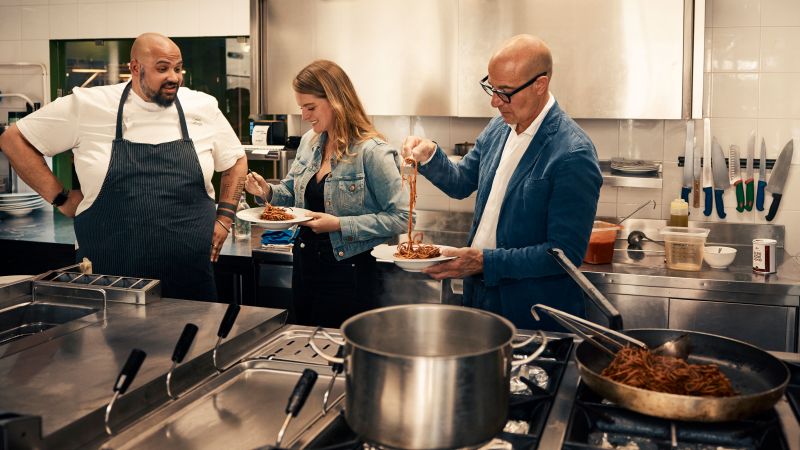
- Urban Bistrot: Chef Celso Laforgia introduced the audience to spaghetti all’assassina (assassin’s pasta), a dish that challenges conventional Italian culinary wisdom. Unlike traditional pasta preparation, which involves boiling, this dish is cooked in a pan with olive oil and spicy chili, charred until it achieves a crispy, scorched texture. The dish’s name reportedly stems from a customer who, overwhelmed by the intense heat, labeled the chef a "killer."
- Antichi Sapori: In the town of Montegrosso, Chef Pietro Zito focuses on transforming humble ingredients into elevated cuisine. His signature dish, burnt-grain orecchiette served with fava bean cream, burrata, and charred black olives, illustrates the region’s ability to balance bitterness and sweetness.
- Trattoria Bere Vecchie: Located in the labyrinthine alleys of Cisternino, this establishment functions as both a butcher shop and a kitchen. The focus here is on meat, specifically bombette (pork rolls stuffed with cheese and herbs) and gnumareddi (lamb offal), reflecting a style of spit-roasting that shares historical ties with Mediterranean and Turkish kebab traditions.
- Caseificio Dicecca: This specialized cheese bar showcases the diversity of local dairy production. Cheesemaker Vito Dicecca has developed 66 varieties of blue cheese, a significant departure from traditional regional expectations. The use of locally produced burrata serves as a reminder of the foundational role dairy plays in the Puglian diet.
- Ristorante Vitantonio Lombardo: Located in the ancient, cave-riddled town of Matera, this Michelin-starred restaurant demonstrates how the region is re-contextualizing its past. Dishes such as the "Poverty and nobility" veal filet, designed to mimic the aesthetic of a black truffle, reflect the region’s historical oscillation between scarcity and luxury.
Sardinia: An Archaeological Dig of Flavor
Sardinia’s geographic isolation from the Italian peninsula has allowed for the preservation of customs that are distinct from the mainland. The cuisine is a layered history of the various Mediterranean settlers who have occupied the island over millennia.
- Fradis Minoris: This restaurant is significant for its commitment to sustainability, having been awarded a Michelin Green Star. Chef Francesco Stara focuses on fregola, a couscous-like pasta that serves as a testament to the island’s North African influences.
- Luigi Pomata: Known as the authority on tuna, Luigi Pomata highlights the importance of the bluefin tuna catch in Carloforte. His preparation of tuna belly, boiled and served with pesto, showcases a bold, unconventional approach to high-quality seafood.
- Al Forno: This bakery in Alghero—a city historically influenced by Catalan culture—serves panada, a savory pie that bears a striking resemblance to the Spanish empanada. This dish serves as a tangible link to the island’s complex colonial history.
- Mabrouk: Housed in a 16th-century monastery, this restaurant focuses on the lobster that has historically made the region famous. Chef Antonietta Salaris utilizes the entire lobster, including the roe, which is incorporated into the sauce for a signature flavor profile.
- Arimani: This culinary school and restaurant in northern Sardinia emphasizes the preservation of ancient recipes. The preparation of zuppa gallurese—pane carasau soaked in sheep broth and baked with layers of cheese—represents the island’s commitment to traditional, communal dining.
Calabria: The Ancestral Connection
For Stanley Tucci, Calabria carries a profound personal resonance, as it is the region his family emigrated from. The landscape is characterized by rugged mountains, extensive coastlines, and a commitment to preserving traditional ingredients such as sweet red onions, chili peppers, and artisanal salami.
- Panificio Cuti: Located in Marzi, the "valley of wheat," this bakery serves as a guardian of sourdough traditions. The production of morsello—a bread bowl filled with sausage and broccoli rabe—highlights the region’s history of portable, nutrient-dense meals for farmers and hunters.
- Osteria della Cipolla Rossa: This inn highlights the singular importance of the Tropea red onion. The onions, which possess a sweetness that allows them to be used in everything from preserves to ice cream, are central to the local identity.
- Il Principe di Scilla: Swordfish is the most prized catch in Calabria, and this family-run restaurant specializes in its preparation. The raw swordfish, often described as having the texture of prosciutto and the depth of smoked salmon, is a cornerstone of the coastal diet.
- Qafiz: Situated in the Aspromonte mountains, Chef Nino Rossi’s restaurant reflects a modern approach to the region’s volatile history. His dessert, "Fire," serves as a poignant reminder of the 2021 wildfires and the resilience of the local landscape.
- La Collinetta: In the town of Martone, Chef Pino Trimboli utilizes the ancient technique of encasing lamb in wet clay. This method, which requires over four hours of cooking, seals in juices and flavor, providing a clear example of how ancient culinary technology remains relevant in contemporary high-end dining.
Broader Impact and Implications
The series has had a measurable impact on the tourism industry, particularly in the regions highlighted. Local restaurateurs have reported an increase in interest regarding traditional preparation methods, and there has been a renewed focus on regional gastronomy as a tool for economic development. By documenting these culinary techniques, the series provides a valuable archival record of traditions that might otherwise be lost to modernization or industrialization.

The show’s emphasis on the "humble" origins of these dishes—often born from necessity or poverty—offers a compelling narrative of survival and adaptation. Whether it is the scorched pasta of Puglia or the clay-baked lamb of Calabria, the cuisine featured in Stanley Tucci: Searching for Italy serves as a reflection of the resilience of the Italian people. As the series continues to explore additional regions, it remains a vital document for those seeking to understand the deep, structural relationship between Italian identity and the food that sustains it.
Related posts: