Representative Alexandria Ocasio-Cortez Faces Scrutiny Over Perceived Accent Shift During Memphis Rally, Drawing Comparisons to Kamala Harris.

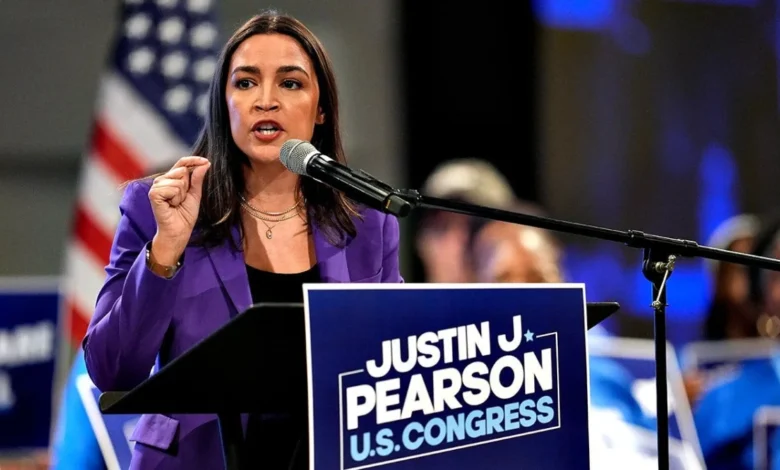
Rep. Alexandria Ocasio-Cortez (D-N.Y.) found herself at the center of a social media storm last week following her appearance at a campaign rally in Memphis, Tennessee, where critics accused her of adopting an inauthentic accent. The controversy quickly drew parallels to previous instances involving other prominent female politicians, notably former Vice President Kamala Harris, who has faced similar accusations regarding her speech patterns in various public addresses. The incident has reignited debates surrounding political authenticity, audience adaptation, and the pervasive influence of social media in dissecting public figures’ every utterance.
The Memphis Rally and the Genesis of the Controversy
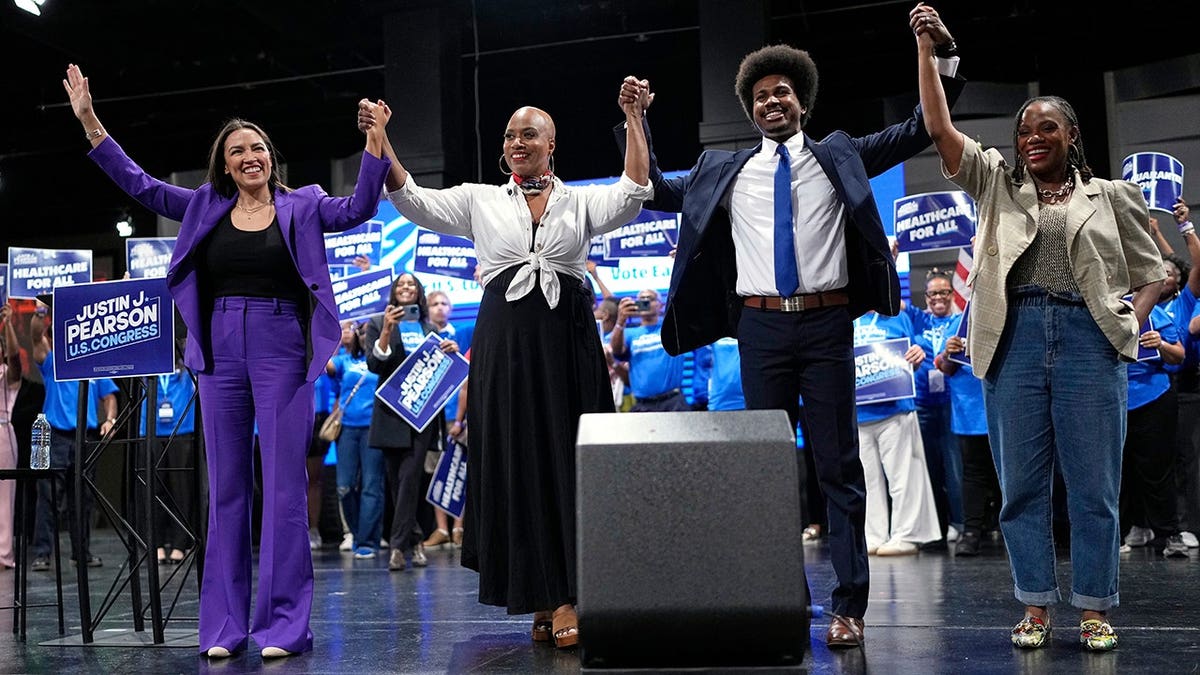
On Friday, July 17, 2026, Representative Ocasio-Cortez traveled to Memphis to lend her support to progressive U.S. House candidate Justin Pearson. Pearson, a Tennessee state representative, has garnered national attention as a member of the "Tennessee Three," a group of lawmakers who faced expulsion attempts from the state legislature for protesting gun violence. Ocasio-Cortez’s presence at the rally underscored the growing national interest in Pearson’s campaign and the broader progressive movement in Southern states.
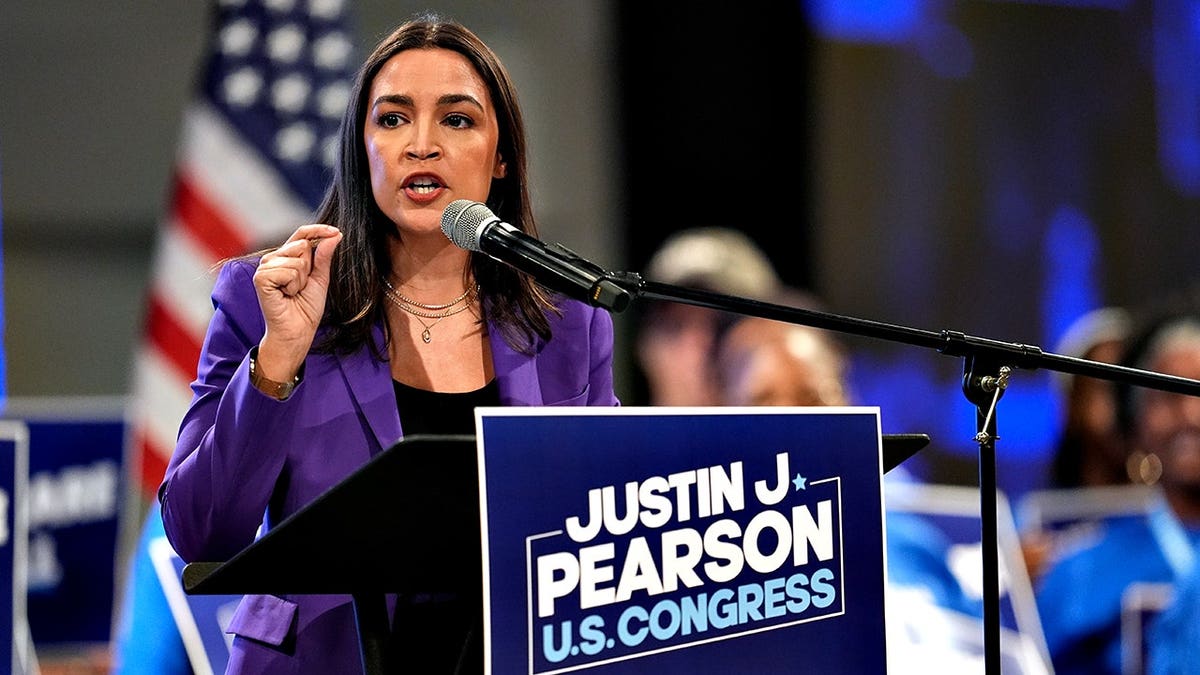
During her address, Ocasio-Cortez emphasized the importance of nationwide unity and political engagement, particularly in regions often perceived as conservative strongholds. "We cannot afford to leave Tennessee behind," she declared, her voice resonating through the crowd. "We cannot afford to leave Kentucky behind, Alabama behind, Mississippi behind, Georgia behind, South Carolina behind. There is no country where we are split apart." This statement, highlighting the interconnectedness of American states and the need for collective progress, set the stage for the specific linguistic scrutiny that would follow.
The core of the criticism zeroed in on a particular segment of her speech where Ocasio-Cortez referenced a previous visit to the South: "About a month or two ago, we were in Montgomery, Alabama – Sister [Rep. Ayanna] Pressley and I were in Montgomery, Alabama, and one of the things that we said was that it is time for the North to roll up to the South." It was during this part of her delivery that observers on social media began to allege a noticeable shift in her cadence and pronunciation, perceiving it as an affected "Southern Baptist preacher" style, a stark contrast to her typical Bronx-inflected speech.
Immediate Social Media Backlash and High-Profile Critics
The accusations were swift and widespread across social media platforms. High-profile figures and conservative commentators quickly amplified the perception of an altered accent, fueling a viral discussion about Ocasio-Cortez’s authenticity.
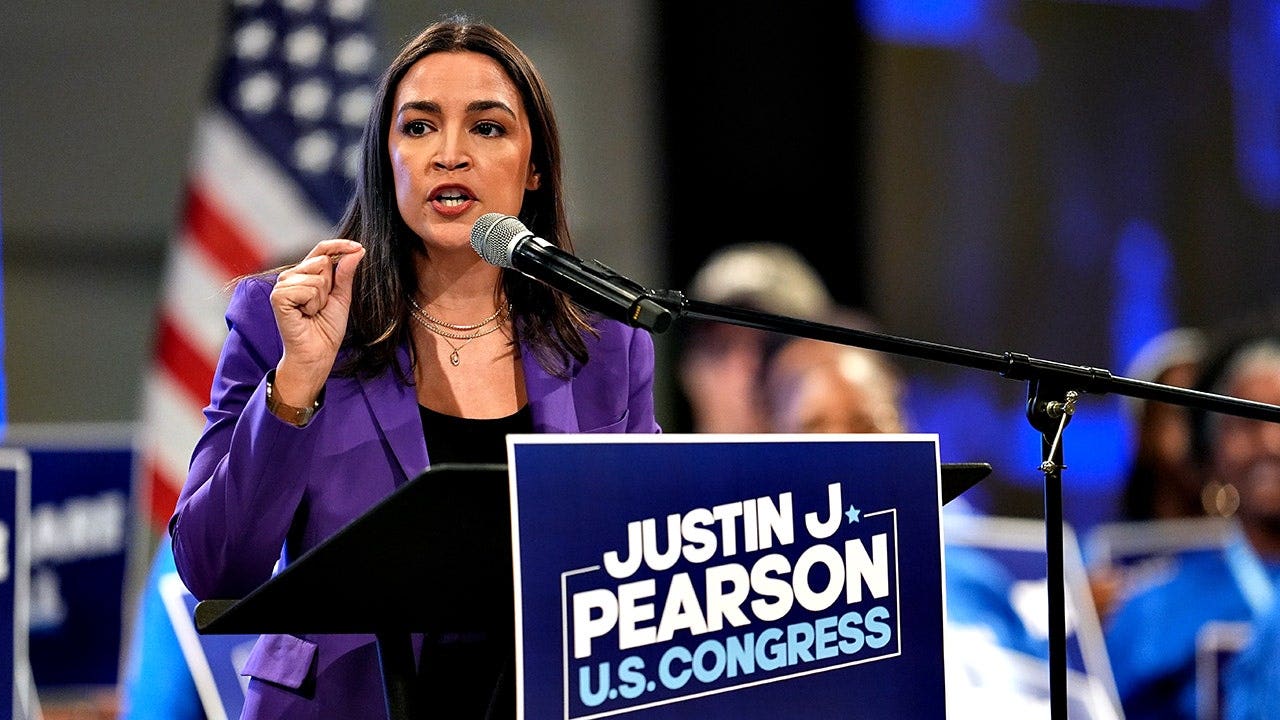
Actor Michael Rapaport, known for his outspoken political commentary and who has expressed intentions to run for New York City mayor in 2029, was among the first to weigh in. He posted, "AOC, from the ‘Bronx’ sounding like a southern Baptist preacher while in Memphis." Rapaport’s comment succinctly captured the essence of the criticism: the perceived incongruity between Ocasio-Cortez’s established public persona and her rally delivery.
Conservative communications strategist Steve Guest expanded on this theme, placing Ocasio-Cortez within a historical lineage of female politicians accused of similar linguistic adaptations. "Hillary Clinton developed an accent. Kamala Harris developed an accent. AOC is developing an accent. It’s all patronizing," Guest asserted, suggesting a pattern of strategic, yet disingenuous, communication tactics employed by Democratic women. This broad generalization hints at a deeper political narrative often used to question the sincerity of progressive politicians.
Another user, whose post gained significant traction, explicitly linked the perceived accent to potential future political ambitions: "Rep. AOC just got busted putting on a FAKE ACCENT for a predominantly black audience. She’s seriously going full Kamala for 2028," referencing speculation about a future presidential bid by Ocasio-Cortez. This comment not only accused her of inauthenticity but also framed it as a calculated move, directly invoking the highly publicized "accent controversies" surrounding Vice President Harris.
Historical Precedent: The Enduring "Accent" Controversy in American Politics
The criticism leveled against Representative Ocasio-Cortez is not an isolated incident but rather a recurring theme in American political discourse, particularly affecting female politicians. The most frequently cited comparison is to Vice President Kamala Harris, who has faced persistent accusations of "code-switching" or altering her accent to suit her audience.
In 2024, Harris was widely criticized for adopting what many called a "fake Southern accent" during a rally in Atlanta and again during a Labor Day event in Detroit. These instances became fodder for conservative media and social media users, who questioned her authenticity and suggested she was pandering to specific voter demographics. Even earlier, during a 2021 overseas trip to France, Harris faced ridicule for purportedly using a "French accent" while touring a COVID laboratory, an accusation that, while less politically charged, contributed to the narrative of her linguistic adaptability.
Beyond Harris, former Secretary of State Hillary Clinton also encountered similar accusations throughout her career, particularly during her presidential campaigns. Critics frequently pointed to shifts in her speech patterns when addressing different regional or demographic groups, perceiving these changes as a calculated attempt to connect with voters rather than an authentic expression of her own voice.
This pattern suggests that the perception of accent alteration in politics is not merely a linguistic observation but often a politically charged critique, used to undermine a politician’s credibility, accuse them of insincerity, or highlight perceived attempts at manipulation. The scrutiny is often heightened for women in politics, who frequently face greater scrutiny over their appearance, demeanor, and communication styles than their male counterparts.
Sociolinguistic Perspectives on Code-Switching and Audience Adaptation
From a sociolinguistic standpoint, the phenomenon of "code-switching" or "audience adaptation" in speech is a well-documented aspect of human communication. It refers to the practice of adjusting one’s language, dialect, or even accent depending on the social context, the audience, or the communicative purpose. This can be a subconscious process, driven by an innate desire to foster rapport, signal group membership, or enhance intelligibility.
Linguists often explain that accents are not static but fluid, influenced by environment, interaction, and even emotional states. When individuals immerse themselves in a new linguistic environment or address a group with a distinct speech pattern, it is not uncommon for their own speech to subtly shift, a process known as phonetic convergence. This can manifest as changes in intonation, rhythm, or the pronunciation of certain vowels and consonants.
However, in the highly performative arena of politics, such linguistic adaptations are often interpreted through a lens of suspicion. While a natural speaker might genuinely converge with their audience to build connection, a politician doing the same risks being accused of inauthenticity or pandering. The line between natural adaptation and perceived affectation becomes incredibly thin, particularly when scrutinized by political opponents eager to find fault. The public’s expectation of a politician’s "authentic" voice often clashes with the natural human tendency to adapt speech for effective communication.
In Ocasio-Cortez’s case, her "Bronx" accent is a significant part of her public identity, often associated with her working-class roots and progressive platform. Any perceived deviation from this established linguistic persona, especially when speaking to a Southern audience, can be easily framed as a betrayal of that authenticity. The mention of "Sister Pressley" and the phrase "North to roll up to the South" also carries cultural and historical connotations, particularly in the context of civil rights activism and cross-regional solidarity, which might naturally influence a speaker’s delivery to evoke a particular emotional or rhetorical tone.
Broader Context: Progressive Outreach in the American South
Representative Ocasio-Cortez’s visit to Memphis was part of a broader strategy by progressive Democrats to expand their influence and support candidates in Southern states, regions traditionally viewed as conservative bastions. Justin Pearson, along with his "Tennessee Three" counterparts, Rep. Justin Jones and Rep. Gloria Johnson, emerged as national figures after their vocal protests against gun violence led to their temporary expulsion from the Tennessee House of Representatives in April 2023. Their story galvanized national attention and showcased the potential for progressive movements even in deep-red states.
Ocasio-Cortez’s presence in Memphis, following her earlier visit to Montgomery, Alabama, highlights an ongoing effort to forge alliances between established progressive figures from urban centers and emerging leaders in the South. The phrase "it is time for the North to roll up to the South" encapsulates this strategy of solidarity and mutual support, aiming to mobilize voters and shift political landscapes in regions where progressive policies have historically faced uphill battles. This strategic outreach involves not just policy discussions but also cultural and rhetorical bridging, making the nuances of communication particularly significant.
Analysis of Implications: Authenticity, Perception, and Future Campaigns
The "accent" controversy, while seemingly minor, carries significant implications for Ocasio-Cortez, Justin Pearson’s campaign, and the broader political discourse.
- Impact on AOC’s Image: For Ocasio-Cortez, a politician whose brand is heavily built on authenticity and relatability, accusations of a "fake accent" can be damaging. It feeds into narratives that question her sincerity and could potentially alienate some supporters who value her unvarnished style.
- Pearson’s Campaign: While Ocasio-Cortez’s visit brought national attention to Pearson, the controversy risks overshadowing the intended message of his campaign. Opponents could use the incident to portray Pearson’s national progressive allies as out-of-touch or performative, undermining his local credibility.
- The Role of Social Media: The incident underscores the power of social media to instantly scrutinize and disseminate clips, often devoid of full context. A short video snippet can be isolated, amplified, and used to build a narrative that may not fully reflect the speaker’s intent or the natural variability of human speech. This rapid-fire judgment environment puts immense pressure on public figures.
- Political Communication and Trust: The recurring nature of these "accent" controversies highlights a fundamental tension in political communication: the desire for politicians to connect with diverse audiences versus the public’s demand for perceived authenticity. When adaptation is seen as artifice, it erodes trust, reinforcing cynicism about politics.
- Future Presidential Speculation: The explicit mention of a "2028" presidential bid by one critic indicates how quickly such incidents are folded into broader political narratives and electoral prognostications. Any perceived misstep by a prominent figure like Ocasio-Cortez is immediately weighed against her potential future ambitions.
Addressing the Accusations: A Path Forward
As of the immediate aftermath of the rally, Representative Ocasio-Cortez’s office had not issued a direct statement addressing the specific accusations regarding her accent. This is a common strategy in political communications, where campaigns sometimes choose not to dignify criticisms deemed minor or easily dismissed as partisan attacks, hoping they will dissipate naturally.
However, should the controversy persist, potential responses could involve:
- Denial and Dismissal: A spokesperson might issue a statement denying any intentional alteration of speech, attributing perceived changes to natural vocal patterns or the energy of a rally.
- Linguistic Explanation: Drawing on sociolinguistic principles, a defense could argue that adapting one’s speech to an audience is a natural human tendency aimed at fostering connection, not deception.
- Refocusing on the Message: The campaign could pivot back to the substance of Ocasio-Cortez’s speech and the purpose of her visit – supporting Justin Pearson and advocating for progressive change – to divert attention from the linguistic debate.
- Embracing Adaptability: A more audacious approach might involve embracing the idea of linguistic flexibility as a strength, demonstrating an ability to connect with people from all walks of life.
Ultimately, the Memphis rally accent controversy serves as a microcosm of contemporary political challenges. It illustrates how readily perceived linguistic nuances can become potent political weapons, how quickly social media can amplify critique, and how the perennial quest for "authenticity" continues to shape public perception of political leaders. As the 2026 election cycle progresses and future campaigns unfold, the delicate balance between effective communication and perceived sincerity will undoubtedly remain a central theme for politicians navigating an increasingly scrutinized public sphere.