Millions of Free Eggs Head to Texas Food Banks Following Major Antitrust Settlements Over Price-Fixing Allegations

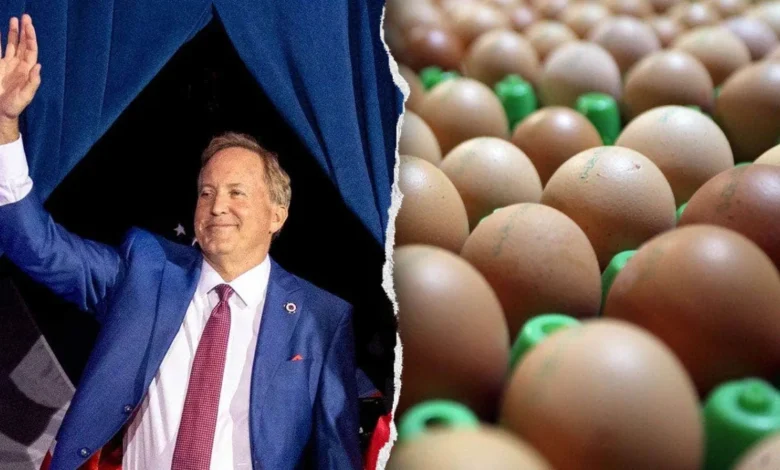
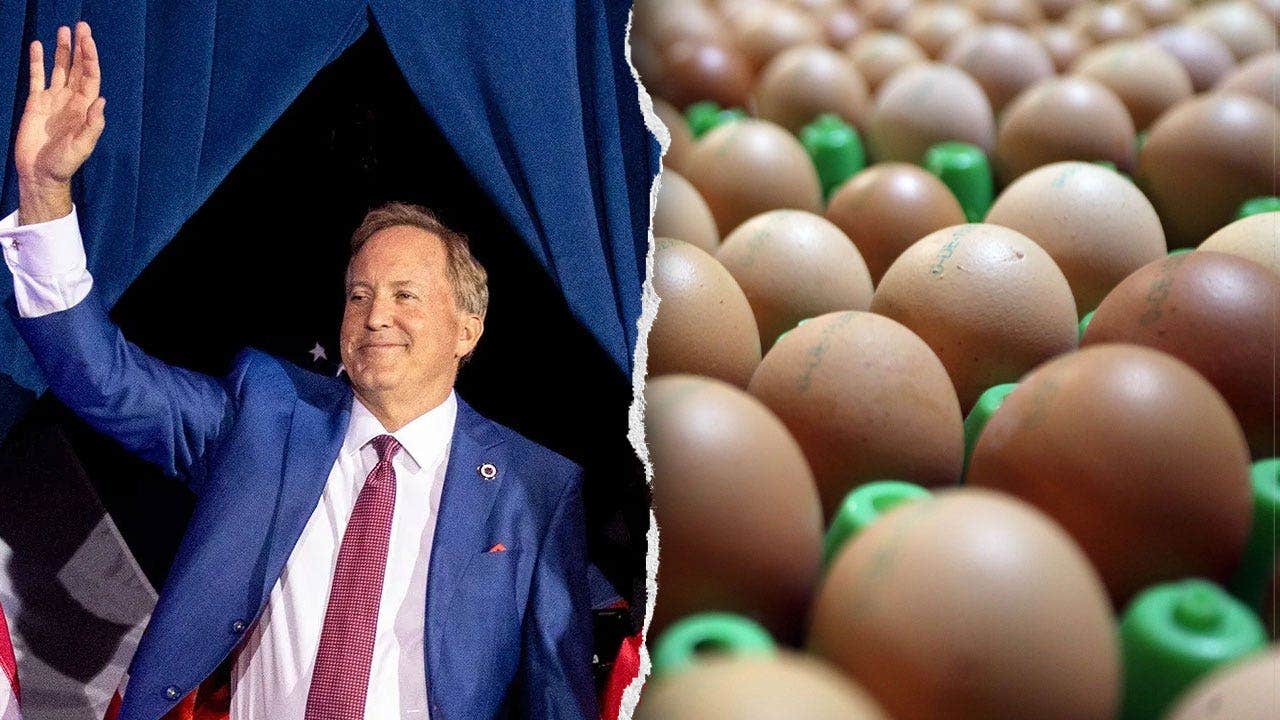
Texas food banks are receiving a massive influx of fresh protein as part of a sweeping nationwide antitrust resolution. Texas Attorney General Ken Paxton announced that a statewide distribution initiative is underway, bringing millions of free eggs to families facing food insecurity. More than 1.7 million eggs have already been delivered to hunger-relief organizations across the Lone Star State, with an additional 5.3 million slated to arrive in the coming weeks. This substantial food donation stems from legal settlements reached in June with three of the nation’s largest commercial egg producers: Cal-Maine Foods, Centrum/Versova, and Hickman’s Egg Ranch.
The agreements resolve complex, long-running antitrust claims initially brought forward by the Department of Justice during the Trump administration, alongside a coalition of state attorneys general. The federal and state lawsuits alleged that these major corporations conspired to restrict the supply of eggs and artificially inflate prices between 2022 and 2025, maximizing corporate profits while American consumers wrestled with punishing grocery bills. Under the terms of the settlement, the companies agreed to distribute more than 7 million eggs directly to Texas food banks and pay a combined $3.3 million penalty to participating states.
A Statewide Distribution Network Mobilizes
The logistics of moving millions of perishable items across the second-largest state in the country require extensive coordination. The rollout is being managed in partnership with Feeding Texas, the state’s largest network of hunger-relief organizations, which oversees 17 regional food banks participating in the initiative.
According to state officials, the allocations have been distributed strategically based on regional populations and demonstrated need. The Houston Food Bank is set to receive the largest single share, totaling an impressive 1,544,400 eggs. Meanwhile, the North Texas Food Bank in Plano and the Tarrant Area Food Bank in Fort Worth will each receive 842,400 eggs.
Additional shipments are fanning out to regional pantries across the state, serving communities in Austin, San Antonio, Tyler, Corpus Christi, El Paso, Laredo, Odessa, Pharr, Beaumont, Amarillo, Lubbock, Victoria, Abilene, and Wichita Falls. While the logistical framework is firmly in place, officials note that the exact timelines for individual community distributions and any localized eligibility requirements will be determined by the respective regional food banks administering the aid. A spokesperson for Feeding Texas has not yet provided a definitive timeline regarding when the remaining 5.3 million eggs will hit local pantry shelves.
Background and Chronology of the Price-Fixing Litigation
The legal battle that culminated in these multi-million-egg donations has its roots in unprecedented market volatility that began during the COVID-19 pandemic and extended through subsequent years. During this timeframe, American consumers experienced staggering hikes at supermarket checkout counters, with egg prices routinely doubling or even tripling. While the industry heavily blamed outbreaks of Highly Pathogenic Avian Influenza (HPAI)—commonly known as the bird flu—for decimating flocks and driving up costs, federal and state investigators began examining whether major producers used the biological crisis as a cover to intentionally constrain production and coordinate price structures.
Antitrust watchdogs and state attorneys general launched intensive inquiries into industry practices, scrutinizing corporate communications, supply chain management, and pricing algorithms. The resulting lawsuits claimed that dominant market players engaged in concerted efforts to cull flocks prematurely and limit output, thereby creating artificial scarcity.
By June, legal pressure mounted to the point where major producers opted to settle rather than face prolonged, expensive courtroom battles that could have yielded even steeper financial penalties and corporate liability. The resulting consent decrees not only penalize past behavior through monetary fines and commodity restitution but also mandate compliance monitoring to deter future anti-competitive behavior within the agricultural sector.
Economic Realities: Bouncing Markets and Struggling Farmers
The timing of the Texas food bank distribution coincides with a paradoxical and difficult period for the broader agricultural economy. While consumers are finally experiencing some relief at the grocery store—with retail egg prices experiencing sharp corrections and localized market crashes—the nation’s independent and contract farmers continue to grapple with severe financial strain.

Industry analysts and agricultural correspondents note that while wholesale and retail prices have plummeted due to rebounding supply chains and stabilizing flock inventories, the underlying costs of production remain stubbornly elevated. Farmers face sustained high expenses for feed, labor, transportation, energy, and veterinary care. Consequently, even as surplus eggs are redirected to food pantries through legal settlements, local producers often find themselves operating at a loss, struggling to bridge the gap between expensive overhead and falling market prices. This dynamic highlights the complex, often volatile nature of the modern agricultural supply chain, where consumer price relief does not automatically translate to profitability for those who work the land and tend the livestock.
Official Statements and Political Implications
Attorney General Ken Paxton framed the settlement as a vital victory for working-class families who have borne the brunt of years of high inflation and alleged corporate collusion.
"After securing 7 million eggs for the people of Texas, I am excited to announce that Texans will now have an opportunity to receive cartons of free eggs in communities across the state," Paxton said in a statement. "I will continue to help our families put food on the table and do everything within my power to lower prices and help Texans who are struggling to make ends meet."
The announcement arrives amid a charged political landscape in Texas, where Paxton remains a central figure in state and national politics. The high-profile distribution effort underscores the state government’s active posture in consumer advocacy and litigation against large corporate entities. Representatives for Cal-Maine Foods and other settling entities have largely framed the resolutions as a step toward putting the contentious legal chapter behind them, though questions remain regarding how future market oversight will be enforced.
Broader Implications for Antitrust Enforcement in Agriculture
Legal scholars and market analysts suggest that the settlements involving Cal-Maine Foods, Centrum/Versova, and Hickman’s Egg Ranch could set a powerful precedent for how federal and state authorities handle alleged price-fixing in essential consumer goods sectors.
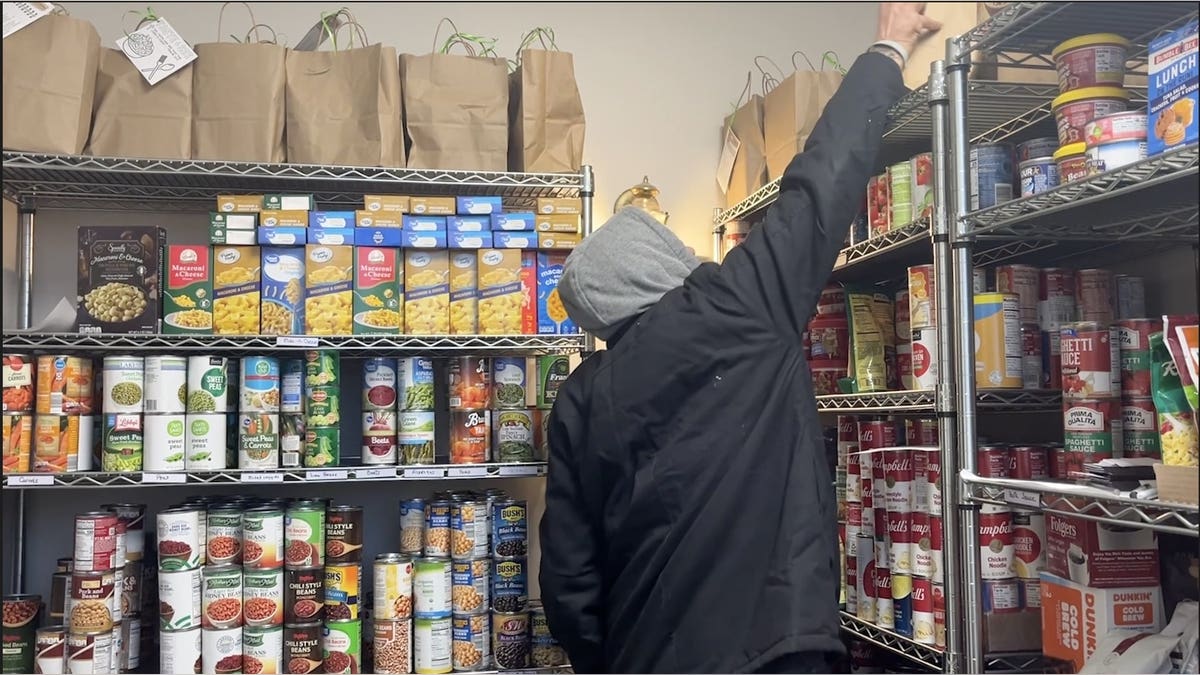
For decades, antitrust enforcement has predominantly focused on monetary fines and structural remedies within technology, finance, and telecommunications. However, the integration of physical commodity restitution—such as millions of foundational food items channeled directly into emergency food networks—represents a direct, tangible form of consumer remediation. By bypassing traditional bureaucratic distribution hurdles and leveraging established non-profit frameworks like Feeding Texas, the settlement offers an immediate material benefit to low-income households that suffered most under inflated market conditions.
As the remaining 5.3 million eggs make their way from packing facilities to regional warehouses over the coming weeks, the initiative will serve as a prominent test case for cooperative state-federal enforcement and corporate accountability in the American food supply chain. Whether similar litigation will target other segments of the agricultural and grocery sectors remains to be seen, but the Texas rollout demonstrates that state attorneys general possess potent leverage in compelling corporations to directly remedy market distortions.