Mary Mazzio Charts the Course of History with Sailing Documentary Mighty Mary Exploring Gender Equity and Athletic Resilience in Elite Sports

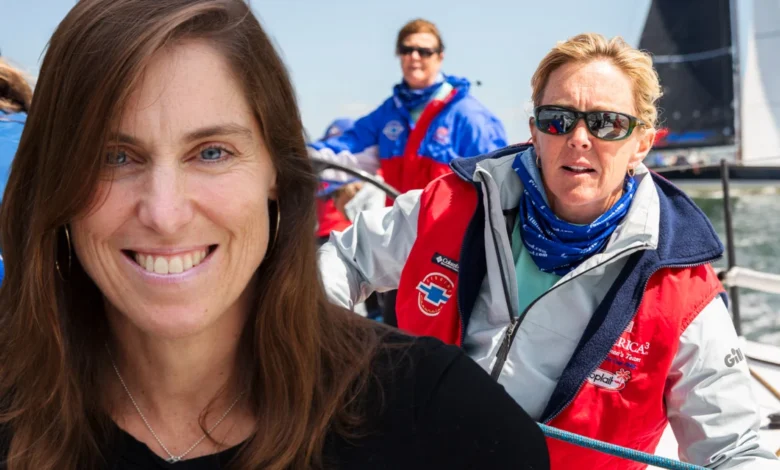
The theatrical release of the documentary Mighty Mary brings a historic and often overlooked chapter of competitive sailing back into the cultural conversation. Directed by lawyer-turned-filmmaker Mary Mazzio—a former U.S. Olympic rower whose daughter continued the family tradition at the 2024 Summer Games—the film examines the groundbreaking 1995 campaign of an America’s Cup syndicate crew composed almost entirely of women. Opening in 15 U.S. markets through AMC Entertainment’s distribution arm, the documentary arrives at a time when women’s sports are capturing unprecedented mainstream visibility, drawing inevitable parallels to contemporary sports icons like WNBA star Caitlin Clark.
The genesis of Mighty Mary dates back nearly three decades to the high-stakes build-up for the 1995 America’s Cup defense. Financier and billionaire sailor Bill Koch conceived of the bold experiment to field a competitive team helmed and crewed by women, challenging a sport long dominated by institutional patriarchy and multimillion-dollar male syndicates. For Mazzio, whose own athletic background included competing on the national rowing team at the 1992 Summer Olympics in Barcelona, the story was a natural fit. Six of her former Olympic teammates ultimately joined the Mighty Mary crew, selected through a rigorous process that mirrored a hybrid between a Hollywood casting call and an elite athletic fitness combine.
Main Facts of the Production and Distribution
Mighty Mary explores the immense physical and psychological hurdles faced by the all-female crew as they went head-to-head with the best male sailors on the planet. Operating 55,000-pound America’s Cup vessels required extraordinary strength, tactical precision, and endurance. Despite proving their athletic capabilities in the gym, the women faced profound skepticism from traditionalists within the sailing community.
The film’s journey to the screen reflects its own endurance test. Mazzio initially attempted to cover the story in 2002 for her second film, Apple Pie, which focused on athletes and their mothers. At the time, ESPN producers balked at the inclusion of sailing, leaving team captain Dawn Riley and the Mighty Mary narrative on the cutting-room floor. More than twenty years later, Mazzio successfully revived the project, partnering with prominent figures in sports and entertainment.
Production backing initially came from Skydance Sports, with Republic Pictures—a label under Paramount—handling international distribution. Domestically, the film secured a theatrical window through AMC Entertainment, an impressive feat for a documentary feature. The project also boasts high-profile star power, featuring co-narration by Academy Award nominee-level talent Elizabeth Banks and Hugh Jackman. Furthermore, Jackman owns SailGP Australia, establishing a modern nexus between prominent Hollywood figures and elite international sailing circuits.
Chronology and Historical Context of the 1995 America’s Cup Campaign
The timeline of the Mighty Mary campaign unfolded during a transformative era for sports and gender politics. In 1995, the America’s Cup was held in San Diego, California, under the auspices of the San Diego Yacht Club. Dennis Conner had recently restored U.S. sailing prestige, creating an intensely competitive atmosphere defined by heavy media scrutiny and massive corporate sponsorships.
Into this fiercely guarded arena stepped the Mighty Mary syndicate, backed by Bill Koch, who had successfully skippered America^3 to victory in the 1992 America’s Cup. Koch’s decision to fund an all-women team was viewed alternately as an audacious stroke of progressive sports management and a controversial publicity stunt. The sailors endured intense media pressure, navigating locker-room politics and operational hurdles in an era predating modern diversity initiatives and the cultural reckoning of the #MeToo movement.
Interviews conducted by Mazzio for the documentary reveal surprising candor from the male sailors and management figures of that era. Prominent sailor Paul Cayard reflected on the cultural shift required in modern society, noting the importance of moving away from outdated paradigms passed down by previous generations and listening to the evolving perspectives of younger people. Similarly, Bill Koch openly acknowledged managerial missteps during the campaign, including the lack of female representation in upper management. These retrospective admissions provide nuanced context, illustrating how gender dynamics within elite workplaces and athletic organizations have slowly evolved over the past thirty years.
Supporting Data and Industry Implications
The release of Mighty Mary coincides with a broader commercial renaissance for women’s sports, which have experienced exponential growth in television ratings, stadium attendance, and venture capital investment. According to industry reports, women’s athletic properties—ranging from the WNBA and the National Women’s Soccer League to collegiate basketball—are commanding record media rights fees and drawing millions of dedicated viewers.
By positioning the documentary in major urban markets across the United States, including Atlanta, Mazzio and her distribution partners are deliberately steering the narrative away from niche coastal sailing hubs like Newport, Rhode Island, and San Diego. This broader geographic strategy is designed to appeal to family audiences, positioning the film not merely as a sports documentary about nautical engineering and racing tactics, but as a universal story of perseverance, ambition, and breaking systemic barriers.
The involvement of major theatrical exhibitors like AMC reflects a shifting strategy toward documentary distribution. While non-fiction features have traditionally struggled to secure wide theatrical windows outside of specialized film festivals or streaming platforms, strong pre-existing relationships between filmmakers and studio executives continue to unlock theatrical real estate. The backing of high-profile names such as Banks and Jackman further bolsters the film’s commercial viability in a crowded marketplace.
Broader Impact and Cultural Resonance
Beyond its historical documentation of a pioneering athletic endeavor, Mighty Mary serves as an instructional blueprint for younger generations navigating modern societal pressures. Mazzio has emphasized that the documentary’s core message addresses the psychological impact of perfectionism and social media culture on young girls.
In promotional previews and post-screening discussions, young viewers have frequently cited feelings of empowerment after witnessing the crew’s resilience. Mazzio has been vocal about redefining failure not as a permanent defeat, but as an essential catalyst for personal and professional growth. Drawing from her own experiences as a pioneer in both competitive athletics and the legal profession—where she frequently encountered institutional marginalization—Mazzio advocates for a culture that encourages young women to take bold risks, embrace imperfections, and persist in the face of systemic skepticism.
As Mighty Mary completes its journey from the cutting-room floor to the big screen, it stands as a testament to the endurance of female athletes who challenged the status quo. By capturing both the triumphs and the institutional shortcomings of the 1995 campaign, the documentary provides valuable historical perspective while inspiring future generations to push past conventional boundaries in sports, business, and society.
Related posts: