Chester Zoo Welcomes Three Miniature ‘Chaos Potato’ Rock Hyrax Pups With Surprising Elephant Ancestry

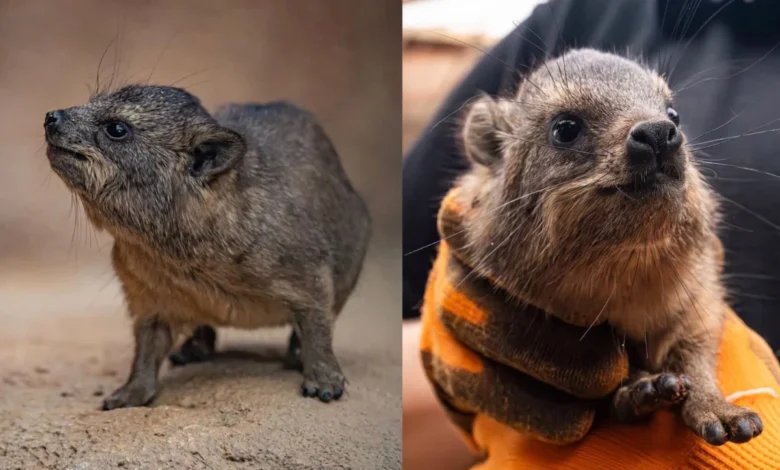
England’s Chester Zoo has announced the successful birth of three rock hyrax pups (Procavia capensis), expanding its resident colony and providing researchers with a fresh opportunity to study one of the animal kingdom’s most evolutionary distinct species. Born late this summer to parents Maris and Albert, the trio—named Russ, Spud, and Jackie—recently cleared their initial veterinary examinations, exhibiting high energy levels and robust health. While the newborns currently weigh a modest 12.3 ounces each, they will eventually grow into adults weighing up to 8.8 pounds. The arrival of the pups has generated considerable interest among zoologists and the public alike, primarily due to the species’ unorthodox genetic lineage, which links these potato-shaped mammals directly to modern elephants and aquatic sirenians.
Main Facts of the Birth and Physical Development
The trio of rock hyrax pups was born at Chester Zoo following a gestation period that is notably lengthy for animals of their size, typically lasting between six and seven months. Unlike many altricial mammal species that are born blind and helpless, rock hyrax pups arrive fully furred and with their eyes open, capable of moving around shortly after birth.
Veterinary checks confirmed that Russ, Spud, and Jackie are developing normally. Zoo keepers have affectionately dubbed the energetic trio "little chaos potatoes" due to their rotund body shapes and penchant for sudden bursts of high-speed activity, frequently referred to in domestic animals as "the zoomies." Video footage released by the facility captured the pups darting across their enclosure, with one youngster executing a playful, airborne head-swinging maneuver.
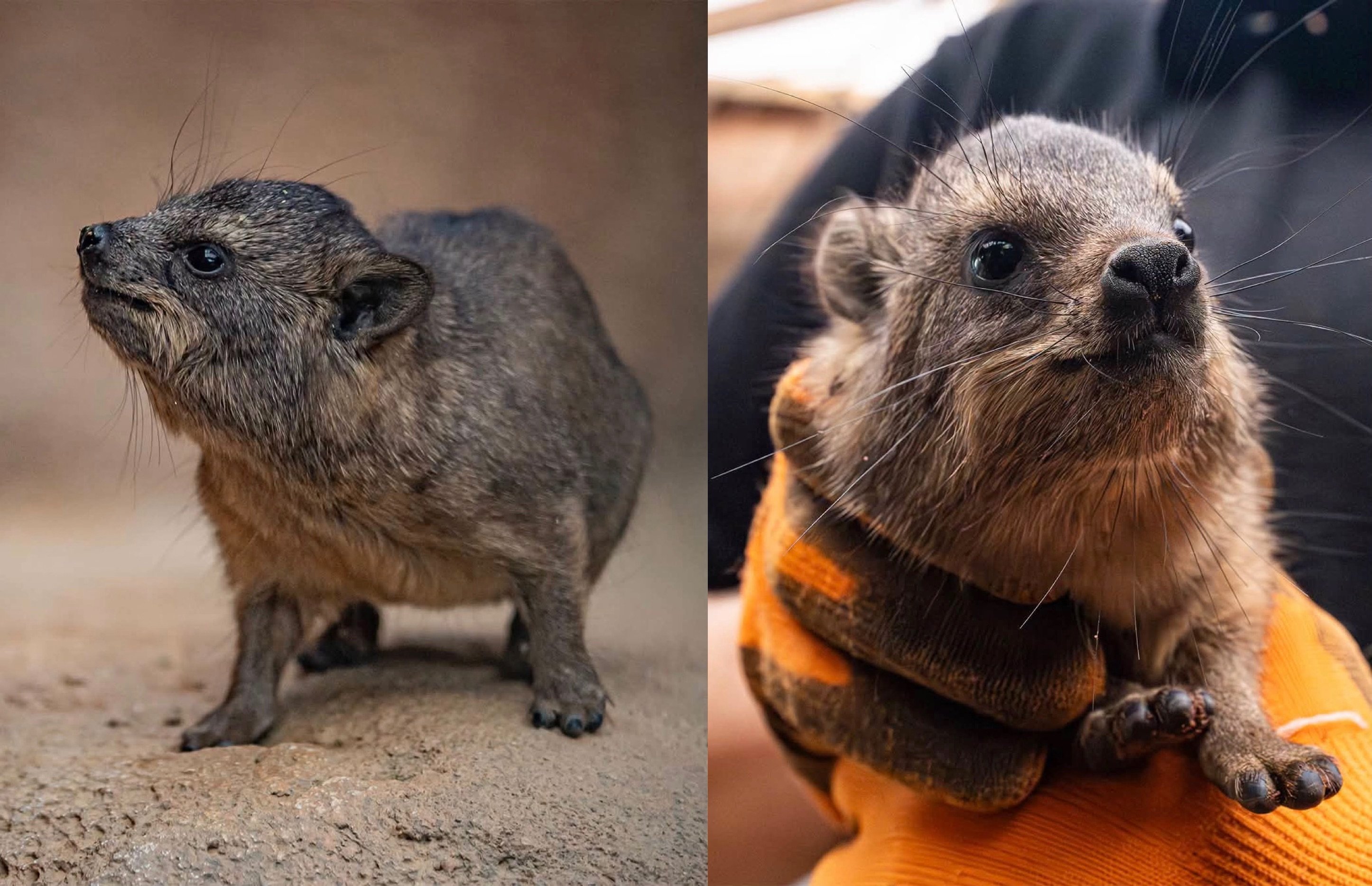
Despite their diminutive size—standing only a few inches tall—adult rock hyraxes showcase specialized physical adaptations. They feature rubbery, specialized footpads that sweat to increase traction, allowing them to scale vertical rock faces and navigate precarious ledges with precision. Furthermore, their skull structure includes specialized incisors that grow continuously, serving a function distinct from typical rodent gnawing teeth.
Chronology and Background of the Hyrax Colony at Chester Zoo
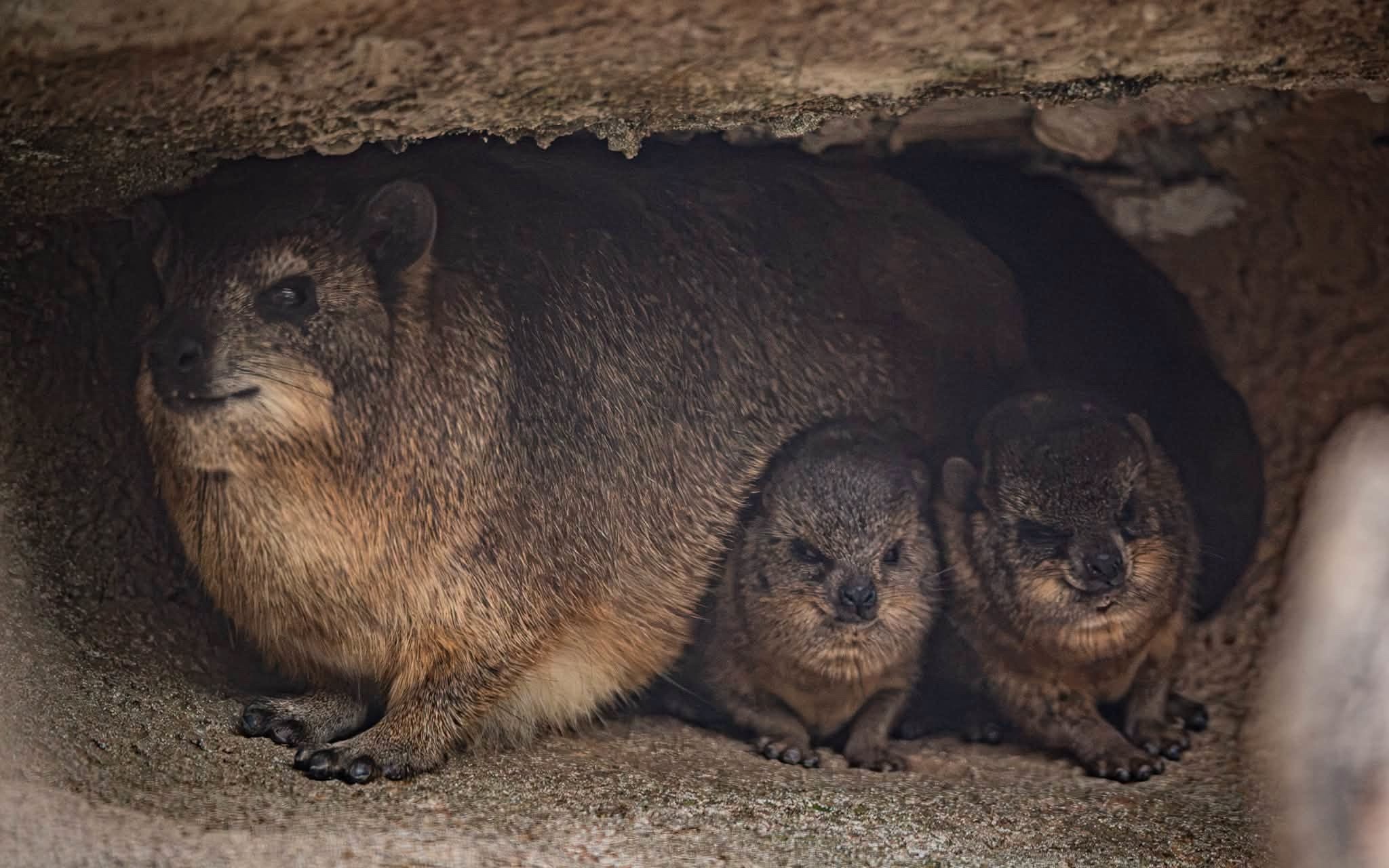
The propagation of rock hyraxes at accredited zoological institutions requires careful habitat management to simulate the rugged, arid environments native to the species. Maris and Albert, the parents of the new litter, reside in a specialized enclosure designed to replicate the rocky kopjes and cliffs of sub-Saharan Africa and the Middle East.
Following the birth of the pups late in the summer, animal care staff monitored the family group from a distance to minimize maternal stress and allow natural bonding to occur. As the pups transitioned from milk to solid foods—a diet consisting of grasses, shrubs, and various forbs—zoologists scheduled their first comprehensive physical assessments. These veterinary clearances mark the transition of the pups from the maternal nest to integration within the broader zoo habitat, where they will interact with adult members of the colony under the supervision of zookeepers.
Supporting Data and Evolutionary Context
The taxonomy of the rock hyrax has long fascinated evolutionary biologists. Outwardly, rock hyraxes bear a striking resemblance to rodents, such as guinea pigs or marmots, or small lagomorphs like rabbits, leading to historical colloquialisms such as "rock rabbits" or "rock badgers." However, genetic sequencing and anatomical studies have fundamentally reshaped our understanding of mammalian phylogenetics.
Taxonomically, rock hyraxes belong to the order Hyracoidea. Alongside elephants (order Proboscidea) and manatees and dugongs (order Sirenia), hyraxes form a clade known as Paenungulata. Despite the immense disparity in scale—with an African bush elephant weighing several tons and an adult rock hyrax weighing under nine pounds—these three disparate groups share common ancient ancestors from the Paleocene epoch, approximately 60 to 65 million years ago.
Evidence of this surprising evolutionary relationship can be observed through close anatomical inspection. Megan Carpenter, a keeper at Chester Zoo, noted that the hyraxes possess long front teeth that function similarly to miniature elephant tusks. Additionally, the structure of a hyrax’s feet reveals flattened, nail-like hooves rather than the claws typically found in similarly sized terrestrial mammals, bearing a distant structural homology to the cushioned, nail-bearing digits of an elephant.
Official Responses and Statements
The birth has provided Chester Zoo’s education and animal care teams with a valuable platform to discuss convergent evolution and the nuances of biodiversity with the visiting public.
"They look completely different, but there are some clues to their unusual family history," stated Megan Carpenter, Chester Zoo keeper, emphasizing the visible morphological markers that connect the small mammals to their much larger pachyderm relatives. "Their long front teeth, for example, are a little bit like miniature elephant tusks, and their feet have some resemblance to elephant feet, with flattened hoof-like nails."
Lyndon Howson, assistant team manager in visitor engagement at the zoo, expanded on the broader educational implications of the new arrivals. "It’s incredible to think these little animals are so closely related to elephants and manatees. They’re a brilliant example of how misleading appearances can be when it comes to evolution," Howson said. "That’s what makes species like hyraxes so interesting—they challenge what we think we know about the natural world and show just how surprising animal evolution can be."
Broader Impact and Implications for Conservation and Education
While rock hyraxes are currently listed as a species of Least Concern by the International Union for Conservation of Nature (IUCN) due to their wide distribution across Africa and parts of the Middle East, they face localized pressures from habitat fragmentation and hunting in certain regions.
Managed breeding programs in accredited institutions like Chester Zoo play a crucial role in maintaining healthy insurance populations and educating the public on lesser-known taxonomic lineages. By highlighting animals that do not fit neatly into intuitive categories, zoos foster a deeper public appreciation for evolutionary science. The arrival of Russ, Spud, and Jackie serves not only as a popular attraction for visitors and online audiences but also as a living testament to the complexities of evolutionary history, demonstrating how lineages diverge across millions of years into vastly different ecological niches while retaining foundational genetic links.