EPA Overhaul Signals Major Shift in Federal Environmental Policy as Agency Repeals Power Plant Standards and Initiates Controversial Water Testing

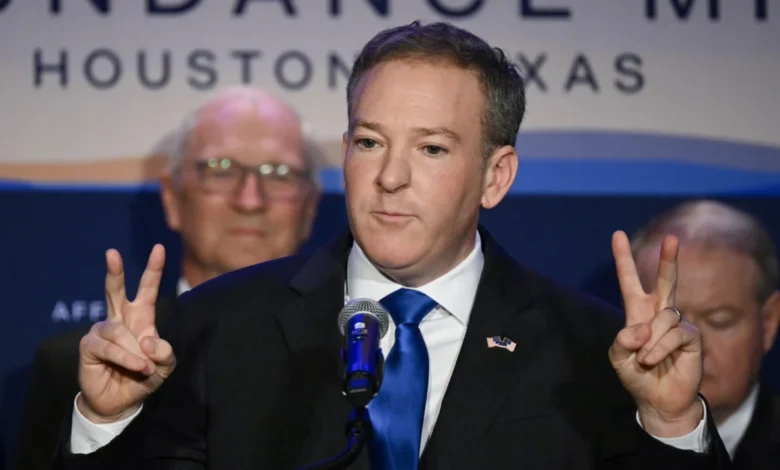
The Environmental Protection Agency (EPA), under the leadership of Administrator Lee Zeldin, has initiated a sweeping realignment of its regulatory mandate, marking a departure from the climate-focused strategies of previous administrations. In a coordinated series of policy announcements made during the G20 Ministerial meeting on Energy Abundance in Houston, Texas, the agency formally moved to rescind carbon emission standards for fossil fuel-fired power plants. Simultaneously, the EPA unveiled a new, expansive water-quality study targeting a broad spectrum of pharmaceutical compounds, including those related to reproductive and gender-affirming healthcare. These dual actions underscore the Trump administration’s commitment to "energy dominance" and a fundamental shift in how the federal government defines public health priorities.
The Retreat from Federal Climate Regulation
The announcement in Houston represents the culmination of a broader effort to dismantle the regulatory framework established during the Biden administration. Administrator Zeldin characterized the move as a necessary correction to what he described as a "war on coal," arguing that previous policies prioritized climate targets at the expense of energy reliability and affordability.
For the energy sector, the repeal of carbon emission standards provides a significant reprieve. Under the previous regulatory regime, the EPA had implemented a suite of standards aimed at curbing the carbon footprint of the power sector—the second-largest source of greenhouse gas emissions in the United States. Projections from the agency’s earlier assessments suggested that those rules could have reduced carbon output by 1.38 billion metric tons by 2047. By removing these mandates, the current administration aims to lower compliance costs for utilities and stabilize energy prices, though the decision has drawn sharp criticism from environmental advocates who warn of a long-term acceleration in global temperature rise.
The repeal is not an isolated event but rather the latest in a series of deregulatory actions. Since taking office, the agency has methodically dismantled key pillars of climate policy. In February 2026, the EPA rescinded vehicle emission standards and moved to strike down the 2009 endangerment finding, a foundational legal determination that categorized greenhouse gases as a threat to public health and welfare. Legal experts note that by stripping away these findings, the administration is attempting to insulate itself from judicial challenges that rely on the agency’s previous scientific conclusions regarding climate change.
The New Focus on Water Quality and Reproductive Health
While the agency pulls back from climate oversight, it has intensified its focus on a highly specific and politically charged area of chemical monitoring. The EPA’s newly announced study aims to detect over 1,000 substances in the nation’s drinking water supply. Among the compounds identified for testing are mifepristone and misoprostol—the two-drug regimen used in medication abortion—as well as various hormones associated with gender-affirming care.
The inclusion of these specific medications has been lauded by anti-abortion advocacy groups. Kristan Hawkins, president of Students for Life, hailed the move as a major victory, framing the presence of these substances in the water supply as a public health hazard and a failure of the Food and Drug Administration (FDA) to properly regulate chemical abortions. Supporters of the study argue that citizens deserve to know the full chemical composition of their tap water, regardless of the source of the pollutants.
However, the scientific community and reproductive rights advocates have raised concerns about the motivation and scientific rigor behind the focus on these specific drugs. Nathan Donley, the environmental health science director at the Center for Biological Diversity, pointed out that in the context of broader water quality threats—such as PFAS, lead, and industrial runoff—the concentration of abortion-related medications is negligible. He characterized the move as a "distraction" from more pressing environmental contaminants that pose proven risks to human health.
Chronology of Regulatory Changes (2025–2026)
- February 2025: The EPA begins a comprehensive review of existing climate regulations, including vehicle emission standards.
- May 2025: Initial discussions within the administration regarding the impact of pharmaceutical runoff on water quality gain traction among conservative lawmakers.
- June 2026: Republican legislators formally request that the EPA investigate the presence of abortion-inducing drugs in the municipal water supply.
- September 14, 2026: During the G20 Ministerial meeting, Administrator Zeldin announces the repeal of power plant carbon standards and confirms the launch of the wide-ranging water quality study.
Public and Professional Responses
The dual announcements have ignited a fierce debate regarding the mission of the EPA. Industry groups generally welcomed the deregulatory climate, noting that the removal of emissions caps provides the certainty needed to invest in long-term natural gas and coal infrastructure. Conversely, environmental NGOs have already signaled their intent to pursue litigation. Holly Bender of the Sierra Club described the move as a "shocking betrayal" of the public trust, arguing that the rollback ignores the immediate, real-time impacts of the climate crisis, including extreme weather events that have caused billions of dollars in infrastructure damage over the last two years.
On the issue of water testing, the reaction has been divided along political lines. Public health experts like Betsy Southerland, a former career official at the EPA’s Office of Water, have expressed deep apprehension about the potential for the findings to be weaponized. The concern is that even trace, non-hazardous detections of substances could be misrepresented to create public panic or to provide a basis for state-level legal challenges against reproductive healthcare providers. The EPA has maintained that the study is strictly observational—intended only to identify the presence of chemicals rather than to measure concentrations—but critics remain skeptical of the intended use of the data.
Analytical Perspective: The Implications of Policy Realignment
The current trajectory of the EPA reflects a broader effort to reorient federal agencies toward the priorities of the executive branch’s current ideological coalition. By linking the removal of environmental safeguards with a focus on "social-issue" pollutants, the administration is effectively redefining what constitutes an environmental threat.
The long-term implications are twofold. First, the rescinding of climate standards is expected to have a tangible impact on the nation’s energy mix, likely prolonging the life of older, high-emission power plants and slowing the transition to renewable energy sources. This could exacerbate regional air quality issues, as power plants are significant sources of nitrogen oxides, sulfur dioxide, and particulate matter, which are linked to respiratory and cardiovascular illnesses.
Second, the use of the EPA as a tool to investigate reproductive health medications signals an expansion of the administrative state’s role in social policy. Historically, the EPA has focused on industrial, agricultural, and municipal pollutants. By pivoting to study medications that are already regulated by the FDA, the agency is entering a new sphere of oversight that could set a precedent for future administrations to use environmental testing as a proxy for moral or political agendas.
As the agency moves forward with its new agenda, the legal landscape remains volatile. Environmental organizations are preparing to challenge the repeal of the carbon standards in federal court, arguing that the agency has failed to provide a reasoned explanation for abandoning the science that informed the previous rules. Meanwhile, the water quality study is expected to be closely monitored by both state health departments and political interest groups. Whether this data leads to new regulations or serves primarily as a rhetorical instrument in the ongoing debate over healthcare access remains to be seen. In the meantime, the EPA stands at a crossroads, navigating a fundamental pivot that will likely define its administrative legacy for years to come.
Related posts: