The Washington Post Releases Rankings of the Top 50 United States Airports Amid Industry Debate Over Terminal Amenities and Operational Efficiency


The Washington Post has published an extensive evaluation of the top 50 airports in the United States, utilizing a methodology that prioritizes passenger experience, terminal aesthetics, and leisure amenities. The report, which places Portland International Airport (PDX) at the top of the list, has sparked a broader conversation within the aviation industry regarding the fundamental purpose of an airport: whether it should serve as a high-end lifestyle destination or a streamlined transit hub focused on operational efficiency.
According to the report, the rankings were derived from an algorithmic analysis of feedback from 2,300 travelers, alongside an aggregation of Yelp reviews focusing on airport shops, dining options, and architectural design. This qualitative approach emphasizes the concept of "staying power"—the idea that an airport should be a place where travelers might reasonably enjoy spending time. While the list includes several major hubs frequently cited for excellence, such as Minneapolis-St. Paul International (MSP) and Detroit Metropolitan (DTW), the methodology has drawn scrutiny from aviation analysts who argue that passenger throughput and reliability should take precedence over retail offerings.
The Top-Tier Rankings: Portland, Long Beach, and National
The Washington Post ranking identifies Portland International (PDX) as the premier airport in the country. Following Portland are Long Beach Airport (LGB) in California at number two and Ronald Reagan Washington National Airport (DCA) in Virginia at number three. These selections reflect a preference for airports that balance accessibility with a distinct "sense of place."
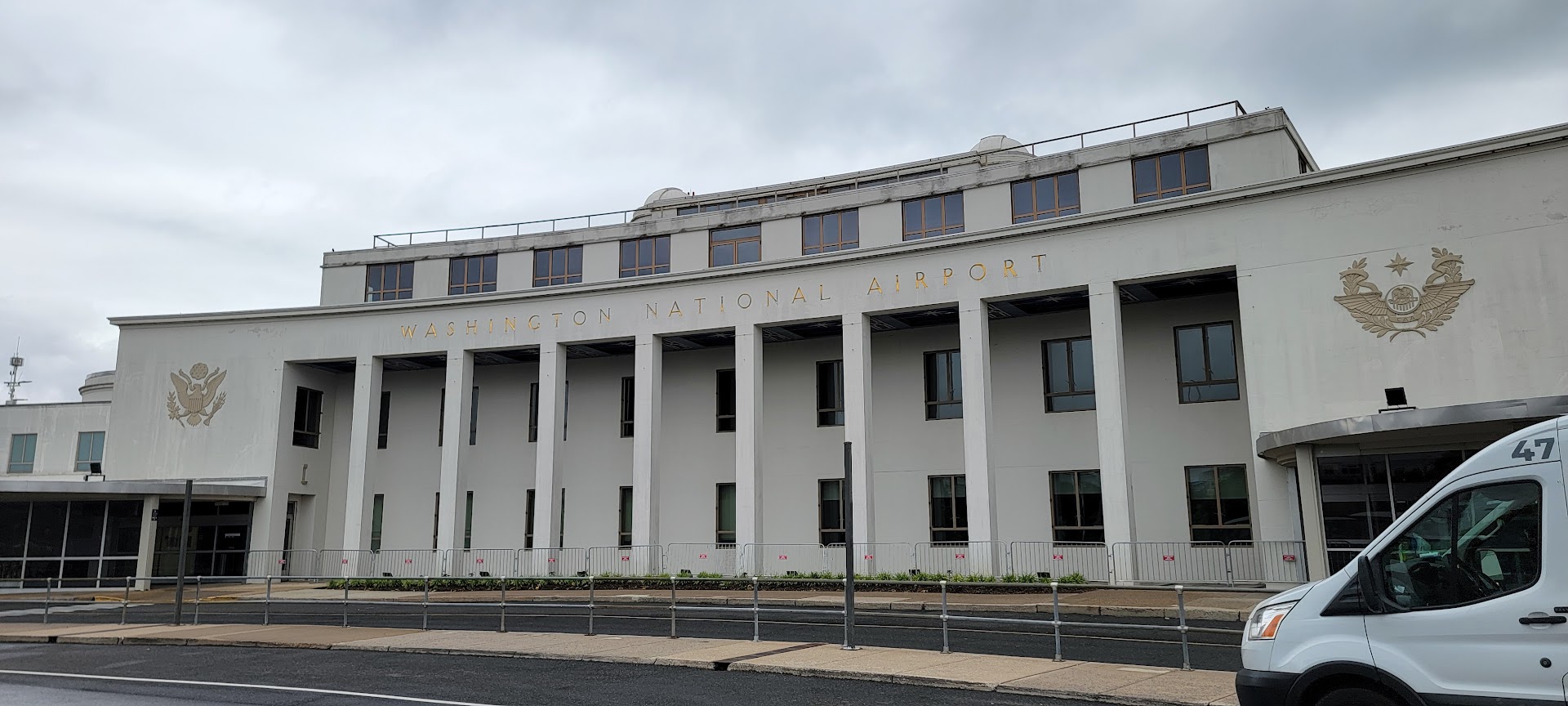
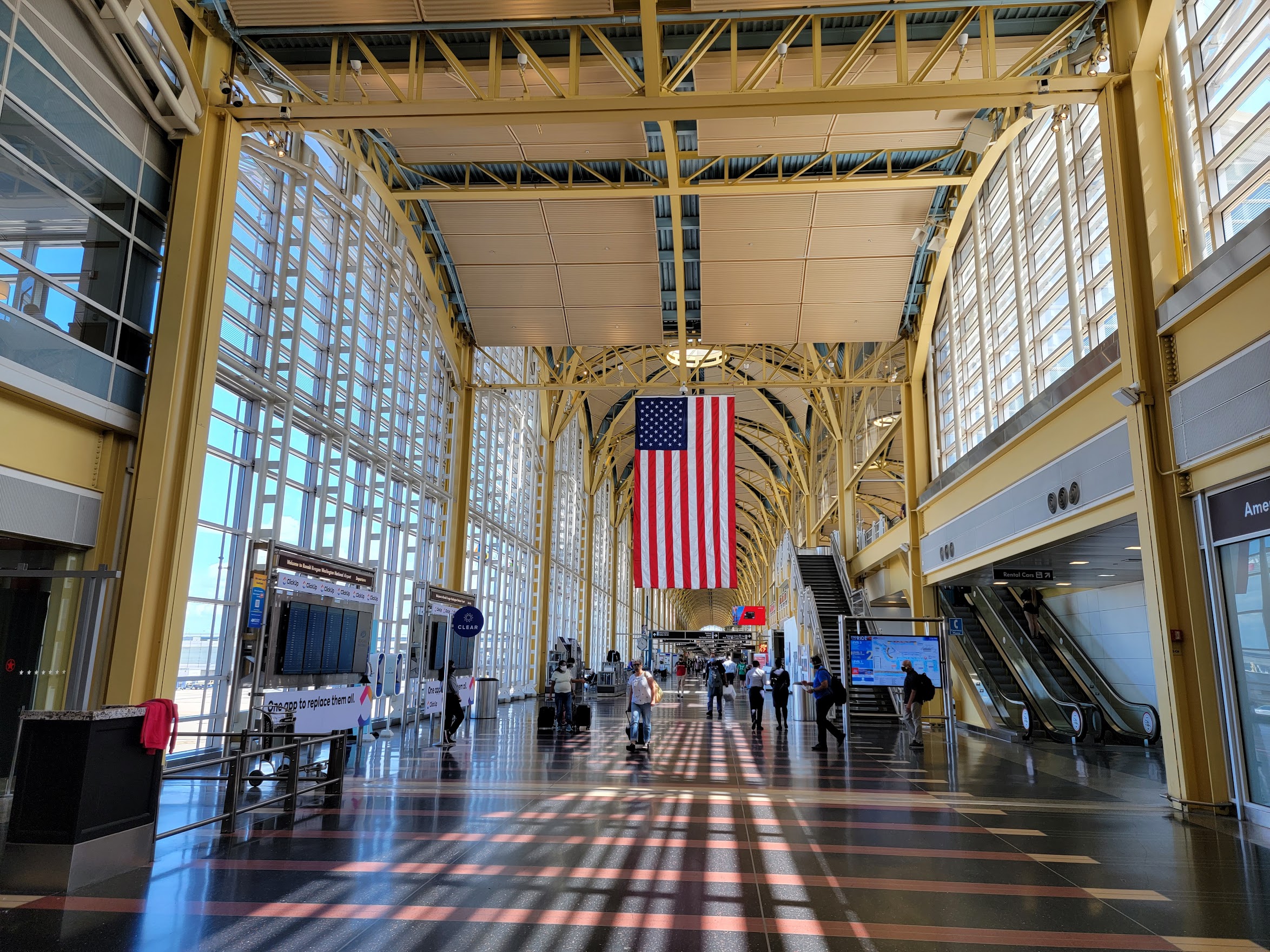
Portland International has long been a favorite in travel surveys, often praised for its local food vendors, ease of navigation, and its recent $2 billion terminal expansion featuring a massive mass-timber roof. Similarly, Reagan National is lauded for its proximity to downtown Washington D.C., its iconic architecture, and the recent completion of "Project Journey," a $1 billion multi-year capital improvement project that added a new 14-gate concourse and centralized security checkpoints.

However, the inclusion of Long Beach Airport in the second position highlights the tension between "experience-based" rankings and operational realities. While the airport is frequently praised for its outdoor concourses and Art Deco terminal, it operates under some of the most restrictive conditions in the United States.
The Long Beach Paradox: Aesthetics Versus Operational Growth
Long Beach Airport serves as a case study in the conflict between local community interests and the demands of the modern aviation industry. Despite its high ranking in the Washington Post report, the facility is characterized by significant operational limitations that many frequent flyers and airline executives find problematic.
For decades, the city of Long Beach has enforced a strict "noise budget" ordinance, which grew out of a 1995 legal settlement. This ordinance strictly limits the number of daily flights to mitigate noise pollution for surrounding residential neighborhoods. Currently, the airport is capped at 58 daily flight slots. These slots are highly regulated, and airlines face steep fines for operating outside of designated hours, specifically during the late-night and early-morning periods.
Furthermore, the airport’s infrastructure is intentionally constrained. The city council famously rejected a proposal to establish a U.S. Customs and Border Protection facility at the airport, a move that effectively banned international commercial flights and limited the airport’s economic reach. With only 11 gates available, the airport lacks the capacity to serve as a major regional hub. Recent shifts in the market have seen major carriers like Southwest and Delta returning operating rights or reducing presence at Long Beach, citing the difficulty of scaling operations within such a rigid regulatory environment.
The Operational Efficiency Perspective: Throughput Over Amenities
A significant faction of aviation experts argues that the Washington Post’s focus on "where you may actually want to stay awhile" ignores the primary function of an airport. From a logistical standpoint, a "great" airport is defined not by its shopping mall atmosphere but by its ability to move passengers from the curb to the gate, and from the runway to the exit, with minimal friction.

Key metrics for operational excellence typically include:
- Airport Access: The ease of reaching the terminal via public transit or highway infrastructure.
- Passenger Throughput: The speed and efficiency of security screening and baggage handling.
- Operational Reliability: On-time performance statistics and the frequency of flight cancellations.
- Terminal Navigation: Intuitive layouts that minimize walking distances between connecting flights.
Critics of amenity-heavy rankings point out that an airport where passengers want to stay longer may actually be an airport that is failing to move them toward their destinations. The "mall with gates" model, while profitable for airport authorities through concessions revenue, can sometimes come at the expense of transit speed.
Chronology of Modern Airport Design Trends
The evolution of U.S. airports reflects a shifting philosophy in urban planning and commercial strategy.
- 1960s–1980s: The Utilitarian Era: Airports were designed as brutalist, functional nodes. The focus was on jet-age efficiency, with little regard for passenger comfort or retail.
- 1990s: The Rise of the Hub-and-Spoke: Following deregulation, airports like Denver (DEN) and Chicago O’Hare (ORD) expanded massively to accommodate connecting traffic.
- 2000s: The Security Shift: Post-9/11, airport design was dominated by the need for expansive security checkpoints, often leading to cramped terminals and long wait times.
- 2010s–Present: The "Experience" Economy: Influenced by high-end international hubs like Singapore Changi, U.S. airports began investing billions in "lifestyle" amenities—high-end dining, art installations, and even indoor greenery—to improve passenger satisfaction scores.
The Washington Post rankings represent the culmination of this most recent trend, where the quality of a terminal’s "vibe" is given equal or greater weight than its technical performance.
Analysis of Exclusions: The "Mega-Hub" Challenge
Notably absent from the top tier of the Washington Post list are the nation’s largest "mega-hubs," including New York’s John F. Kennedy (JFK), Newark Liberty (EWR), Miami International (MIA), Charlotte Douglas (CLT), and Philadelphia International (PHL). Similarly, industry giants like Chicago O’Hare, Los Angeles International (LAX), and Denver International (DEN) failed to secure top spots.
The exclusion of these airports highlights the inherent disadvantage large hubs face in experience-based surveys. These facilities handle tens of millions of passengers annually and serve as the backbone of the global aviation network. However, their sheer size leads to long walking distances, crowded terminals, and higher rates of delays due to complex airspace. While they are vital for connectivity, they rarely offer the "boutique" feel of a Portland or a Long Beach.
For example, Charlotte Douglas is one of the most efficient connecting hubs in the world for American Airlines, yet it often ranks poorly in passenger comfort surveys due to its high density and utilitarian concourses. Conversely, Newark and JFK are currently undergoing multi-billion dollar renovations to address these very criticisms, aiming to modernize their facilities to meet the "lifestyle" standards now expected by the traveling public.
Broader Implications for the Aviation Industry
Rankings such as those produced by the Washington Post carry significant weight, influencing local government funding, tourism marketing, and airline route planning. When an airport is perceived as "unpleasant," it can lead to political pressure for expensive renovations.
However, there is a risk that focusing too heavily on "Yelp-friendly" features could lead to a misallocation of resources. If airports prioritize expensive art installations and high-end retail over gate capacity and de-icing equipment, the long-term reliability of the U.S. aviation network could suffer.
Industry analysts suggest that the ideal airport lies at the intersection of these two philosophies. Minneapolis-St. Paul (MSP) and Detroit (DTW), both mentioned as "good" airports in the context of the report, are frequently cited as examples of this balance. Both serve as major Delta Air Lines hubs with high throughput, yet they consistently receive high marks for their terminal layouts and passenger services.
Conclusion: Redefining the Passenger Experience
The Washington Post’s ranking of the top 50 U.S. airports serves as a reminder of how much passenger expectations have evolved. Travelers no longer view airports merely as transit points but as an integral part of the travel experience. While the methodology favoring "staying power" and Yelp reviews may overlook the technical complexities of flight operations, it captures a genuine shift in consumer sentiment.
As the industry moves forward, the challenge for airport authorities will be to maintain the "efficiency first" mandate required for a functional global economy while adopting the aesthetic and service-oriented improvements that travelers now demand. Whether the future of American aviation looks more like the restricted but charming Long Beach or the massive but efficient O’Hare remains a central question for planners and passengers alike.