
Tag New York Politics
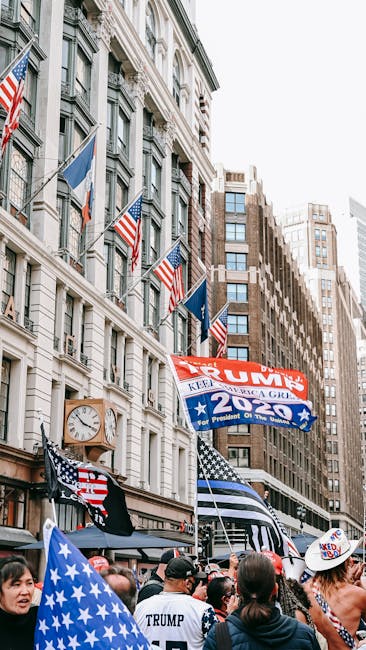
New York Politics: A Deep Dive into Power, Policy, and the Empire State’s Evolving Landscape
New York’s political arena is a dynamic and complex ecosystem, shaped by a unique blend of urban intensity, rural concerns, and a deeply ingrained history of progressive ideals interwoven with pragmatic fiscal realities. Understanding New York politics requires an examination of its key players, the legislative processes, major policy debates, and the underlying demographic and economic forces that drive its electoral outcomes. The state’s bicameral legislature, consisting of the Assembly and the Senate, is the primary locus of legislative power, with the Governor wielding significant executive influence, including veto power and the ability to set policy agendas. Historically, New York City has been the epicenter of the state’s political gravity, its sheer population size and economic clout dictating much of the statewide discourse. However, upstate regions, while less populous, possess their own distinct political identities and concerns, often clashing with downstate priorities, leading to a perpetual balancing act in Albany.
The Democratic Party has held a dominant position in New York for decades, particularly in the Assembly, where it consistently maintains a supermajority. The State Senate, however, has historically been more competitive, with periods of Republican control. This has often resulted in legislative gridlock or, conversely, compromises that reflect a broader spectrum of the state’s political leanings. The Governor’s office has also largely been held by Democrats in recent memory, further solidifying the party’s influence. However, the nuances within the Democratic Party are significant, ranging from the progressive wing advocating for ambitious social programs and environmental regulations to more moderate factions concerned with fiscal responsibility and business development. This internal diversity often leads to spirited debates and strategic maneuvering within the party itself, impacting the direction of policy.
Key figures in New York politics extend beyond elected officials to include powerful labor unions, influential real estate developers, various advocacy groups, and a robust media landscape that scrutinizes and amplifies political developments. The sheer concentration of wealth and influence in New York City means that national political trends often find their origins or their most vocal proponents within the state. Conversely, New York’s political decisions and legislative actions can have ripple effects across the nation, particularly in areas like financial regulation, environmental policy, and social justice. The state’s role as a global financial hub also imbues its political decisions with an international dimension, attracting the attention of foreign governments and multinational corporations.
The legislative process in New York, while following established democratic norms, is often characterized by intense lobbying and the exercise of political power. Bills must pass both houses of the legislature and then be signed by the Governor to become law. Amendments, committee reviews, and floor debates are all critical stages where the influence of various stakeholders can be felt. The Assembly, with its larger membership, often acts as a conduit for more progressive legislation, while the Senate, historically more centrist or conservative, can act as a brake or a negotiator. The budget process is another crucial arena, with the Governor proposing an executive budget and the legislature holding hearings and proposing their own versions. This annual negotiation often highlights the competing priorities of different sectors and regions within the state, from education and healthcare to infrastructure and economic development.
Major policy debates in New York politics are diverse and often contentious, reflecting the state’s multifaceted challenges and aspirations. One perennial issue is the state’s fiscal health. New York, despite its economic might, faces significant budgetary pressures, driven by high public sector costs, an aging infrastructure, and demands for expanded social services. Debates around taxation, particularly for high-income earners and corporations, are ongoing, with proponents arguing for greater revenue generation to fund essential services and opponents warning of capital flight and negative economic impacts. The state’s approach to affordable housing, particularly in downstate metropolitan areas, is another critical policy battleground, with rising costs pushing many residents to the brink and fueling demands for rent control, zoning reform, and increased public investment.
Environmental policy is also a significant area of focus, with New York often positioning itself as a leader in climate action. Legislation aimed at reducing carbon emissions, promoting renewable energy, and protecting natural resources are frequently debated and enacted. This often pits environmental advocacy groups against industries reliant on fossil fuels or traditional manufacturing, creating complex negotiations and policy trade-offs. Criminal justice reform has also been a prominent issue, with debates surrounding policing, sentencing, and prison reform reflecting evolving societal views on public safety and rehabilitation. The state has seen significant legislative changes in recent years aimed at addressing racial disparities and improving fairness within the justice system, though these reforms have also generated considerable public discussion and opposition.
Healthcare policy is another constant source of political debate. New York has a complex healthcare system, and discussions around expanding access, controlling costs, and addressing public health crises, such as the opioid epidemic and the COVID-19 pandemic, are central to the political agenda. The state’s role in regulating the insurance industry, managing public hospitals, and supporting public health initiatives are all areas where political power is exercised and debated. Education is also a bedrock issue, with ongoing discussions about funding formulas, charter schools, teacher tenure, and curriculum development. The disparities in educational outcomes between affluent and disadvantaged communities ensure that education remains a top priority for many policymakers and constituents.
The demographic and economic forces shaping New York politics are profound. The state’s population is diverse, with significant racial and ethnic minority groups, a large immigrant population, and a substantial aging demographic. These demographic shifts influence voting patterns, policy priorities, and the overall political discourse. New York City’s status as a global economic powerhouse, with its towering financial sector, vibrant arts and culture scene, and extensive tourism industry, provides a substantial tax base and dictates much of the state’s economic policy. However, the economic fortunes of upstate regions, often more reliant on manufacturing, agriculture, and traditional industries, can diverge significantly, leading to differing political perspectives and demands for state intervention or support.
The influence of money in New York politics is also a significant factor. Campaign finance laws, lobbying expenditures, and the role of political action committees (PACs) all play a role in shaping policy outcomes. Reform efforts aimed at reducing the influence of big money in politics are a recurring theme, but the practicalities of fundraising in a state as expensive as New York present ongoing challenges. The interplay between state and local politics is also crucial. Major cities and counties within New York have their own elected officials and policy-making bodies, and their actions and concerns often intersect with and influence statewide politics. The relationship between Albany and cities like Buffalo, Rochester, Syracuse, and Albany itself, each with unique economic and social challenges, is a constant source of negotiation and political maneuvering.
Looking ahead, New York politics is likely to continue to grapple with issues of economic inequality, climate change adaptation, and the evolving needs of its diverse population. The strength of its progressive movement, coupled with the pragmatic demands of its fiscal situation, will continue to shape its policy trajectory. The ongoing shifts in national political landscapes will also undoubtedly influence the state’s internal dynamics, as New York often serves as a bellwether for broader political trends. The state’s ability to balance the competing interests of its urban centers and its rural communities, while navigating the complexities of national economic and social challenges, will define its political future. The constant flux of federal policy, from immigration to environmental regulations to healthcare, necessitates a responsive and adaptable state government, further intensifying the political debates and policy considerations within New York. The state’s role as a hub of innovation and a magnet for talent means that forward-thinking policies in areas like technology and artificial intelligence will also become increasingly important political battlegrounds, as New York seeks to maintain its competitive edge in a rapidly changing global economy.
