Trump Links Saudi Civilian Nuclear Deal to Abraham Accords Accession, Citing Long-Standing Condition

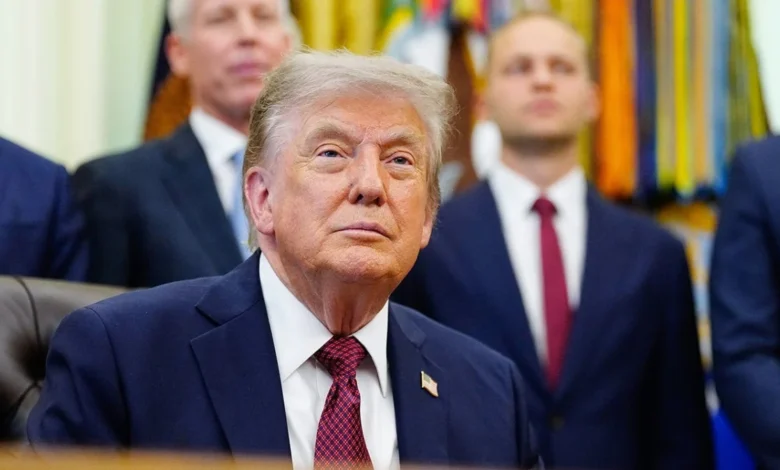
Former President Donald Trump announced on Friday that any prospective civilian nuclear agreement between the United States and Saudi Arabia would be contingent upon the Kingdom joining the Abraham Accords, asserting that this requirement had been an inherent and understood condition throughout the prior negotiation phases. The declaration, made during an Oval Office event, clarified his stance amid reports of progress on a Saudi nuclear deal by his former Energy Secretary, Chris Wright. Trump explicitly rejected any notion that his subordinates had overstepped their bounds or that he was introducing a new condition, emphasizing its foundational nature in the broader strategic discussions.
The Abraham Accords: A Foundation for Regional Peace
The Abraham Accords, initiated during the Trump administration, marked a historic breakthrough in Middle East diplomacy by normalizing relations between Israel and several Arab nations. Signed in September 2020 at the White House, the accords initially saw the United Arab Emirates and Bahrain establish full diplomatic ties with Israel. Sudan and Morocco subsequently joined the framework, signaling a significant shift in regional alignments and a move towards greater cooperation on economic, security, and diplomatic fronts. The core principle of the Accords was to foster a new era of peace and stability in the Middle East, challenging decades of conventional diplomatic stagnation concerning the Israeli-Palestinian conflict. For the Trump administration, these agreements were a cornerstone of its Middle East foreign policy, aiming to create a united front against perceived threats, particularly from Iran, and to promote economic prosperity through regional integration.
Trump’s insistence on Saudi Arabia joining these accords before a nuclear deal underscores his administration’s belief in the power of this diplomatic framework. Integrating Saudi Arabia, a key regional power and the custodian of Islam’s holiest sites, into the Abraham Accords would represent a monumental expansion of the agreement, significantly altering the geopolitical landscape of the Middle East. Such a move would not only deepen the normalization trend but also solidify a broader alliance structure that could reshape regional security dynamics for decades to come.
Saudi Arabia’s Strategic Ambitions and the Nuclear Question
Saudi Arabia has long expressed its aspirations to develop a civilian nuclear energy program. The Kingdom views nuclear power as a crucial component of its Vision 2030 economic diversification plan, aimed at reducing its heavy reliance on oil and gas. A civilian nuclear program would provide a stable, clean energy source, support industrial growth, and potentially free up more oil for export. However, any such program, particularly one involving U.S. assistance, comes with stringent non-proliferation requirements. The United States typically seeks a "123 Agreement" with partner nations, named after Section 123 of the U.S. Atomic Energy Act. These agreements mandate robust safeguards, including a commitment not to enrich uranium or reprocess spent fuel—processes that could be diverted to produce weapons-grade material.
Discussions between the U.S. and Saudi Arabia regarding nuclear cooperation have been ongoing for years, traversing multiple administrations. Saudi Arabia’s potential acquisition of nuclear technology has always been a sensitive issue, given regional tensions and concerns about proliferation. The Kingdom has explored options with several international partners, including South Korea, France, and China, to develop its nuclear infrastructure, indicating its determination to move forward with or without U.S. involvement, though U.S. technology and safeguards are often considered the gold standard. Trump’s linkage of the nuclear deal to the Abraham Accords adds a significant political layer to an already complex technical and security negotiation, leveraging a key strategic asset (civilian nuclear technology) to achieve a major foreign policy objective (regional normalization).
Unpacking the "Understood Condition": Dialogue and Discrepancy
When questioned about why his former Energy Secretary, Chris Wright, appeared to announce progress on a Saudi nuclear deal without explicit mention of the Abraham Accords prerequisite, Trump was resolute. "No, nobody got out ahead. I mean, I just say that in order to do it, they have to be a member of the Abraham Accords, which have been very successful. But it’s time now that they do it," Trump stated. He maintained that the condition was always implicitly understood by both Wright and Saudi officials.
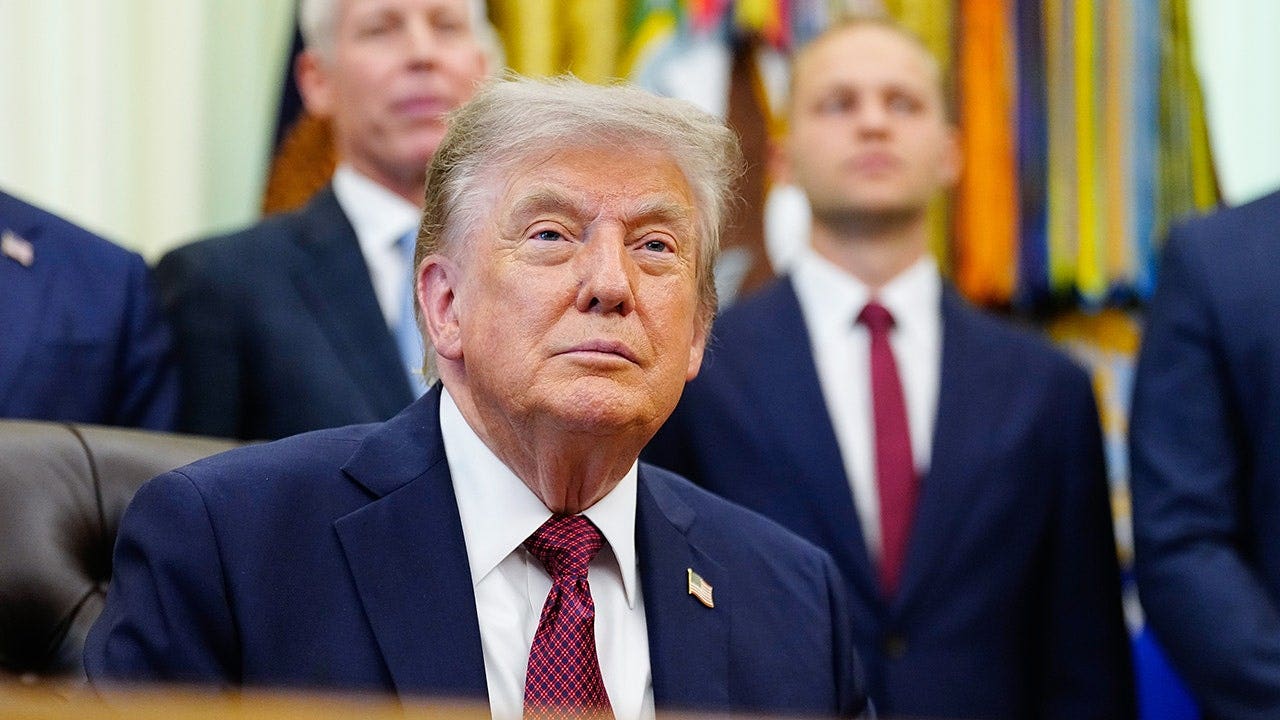
"Well. We didn’t talk about it, but it was always understood. And Chris knew and Saudi Arabia knew that if they joined the Abraham Accords, the deal is not, I’m not going to do the deal," Trump reiterated. This suggests that while formal discussions might have focused on the technical aspects of a civilian nuclear program, the overarching political framework for such a significant bilateral agreement, particularly one involving sensitive nuclear technology, was always considered to be contingent on broader strategic alignment. The discrepancy between an announcement of "progress" on a nuclear deal and Trump’s subsequent clarification highlights the intricate interplay between technical negotiations, political prerequisites, and the public articulation of foreign policy.
The Role of Energy Secretary Chris Wright and Congressional Oversight
The role of the Energy Secretary in advancing such deals is primarily technical and diplomatic, involving discussions on technology transfer, safeguards, and regulatory frameworks. However, any significant nuclear cooperation agreement, especially one with strategic implications, requires substantial political backing and ultimately, congressional approval in the United States. When pressed further on why Secretary Wright would sign an agreement if the Abraham Accords condition remained, Trump emphasized the layered approval process. "Because they understood that, subject to Congress and everything else, in order for that deal to go through, they had to sign into the Abraham Accords," he explained.
This statement underscores the critical role of the U.S. Congress in ratifying international nuclear cooperation agreements. Under U.S. law, a 123 Agreement must be submitted to Congress, which then has a review period during which it can approve, disapprove, or impose conditions on the agreement. This legislative oversight ensures that such sensitive deals align with U.S. non-proliferation goals and broader national security interests. Trump’s remarks clarify that even if an initial agreement were reached at the executive level, it would not become binding without the fulfillment of the Abraham Accords condition and subsequent congressional assent, effectively granting Congress a powerful veto over the finalization of the deal.
Geopolitical Calculus: Iran’s Influence and Regional Security
A significant element of Trump’s rationale for both the Abraham Accords and the proposed Saudi nuclear deal is the shifting regional security landscape, particularly concerning Iran. Trump argued that "There’s no longer an Iran factor. There’s no longer Iran to worry about because they’ve been reduced in terms of their capability and power by many fold." This assertion reflects his administration’s "maximum pressure" campaign against Iran, which involved withdrawing from the Joint Comprehensive Plan of Action (JCPOA), reimposing stringent sanctions, and taking other measures aimed at curtailing Iran’s nuclear program and regional influence.
While the efficacy and long-term impact of this strategy remain subjects of international debate, Trump’s view is that Iran’s capacity to destabilize the region has been significantly diminished. This perspective forms a crucial backdrop for the Abraham Accords, which were partly designed to forge a common front among Arab states and Israel against Iranian aggression. By potentially bringing Saudi Arabia into this framework, the U.S. would further strengthen a regional bloc that could counter Iran’s activities more effectively. The civilian nuclear deal, even with its non-proliferation safeguards, would also offer Saudi Arabia a form of strategic reassurance, enhancing its energy security and technological capabilities in a region marked by persistent geopolitical rivalries.
Strictly Civilian: Non-Proliferation Concerns
Crucially, Trump emphasized that any agreement with Saudi Arabia would be strictly limited to civilian nuclear energy. "They’ll join and they’ll do their civil. It’s really, it’s civil nuclear. But that’s what it is. No enrichment. It’s civil nuclear," he affirmed. This distinction is paramount in the context of nuclear non-proliferation. The ability to enrich uranium or reprocess spent fuel is key to developing nuclear weapons, as these processes yield fissile material. A "no enrichment, no reprocessing" clause, often referred to as the "gold standard" in non-proliferation agreements, is a cornerstone of U.S. policy for civilian nuclear cooperation with non-nuclear weapons states.
This commitment aims to prevent the proliferation of nuclear weapons technology in a volatile region. However, Saudi Arabia has historically expressed a desire for some level of control over its fuel cycle, citing sovereign rights and energy independence. Reconciling this aspiration with stringent U.S. non-proliferation demands has been a persistent challenge in negotiations. Trump’s explicit statement reinforces the U.S. commitment to the "gold standard," signaling that any deal would come with robust safeguards designed to prevent Saudi Arabia from acquiring the means to develop nuclear weapons. This aspect of the agreement would undoubtedly be scrutinized by Congress and international non-proliferation watchdogs.
The Broader Context: U.S. Nuclear Energy Renaissance
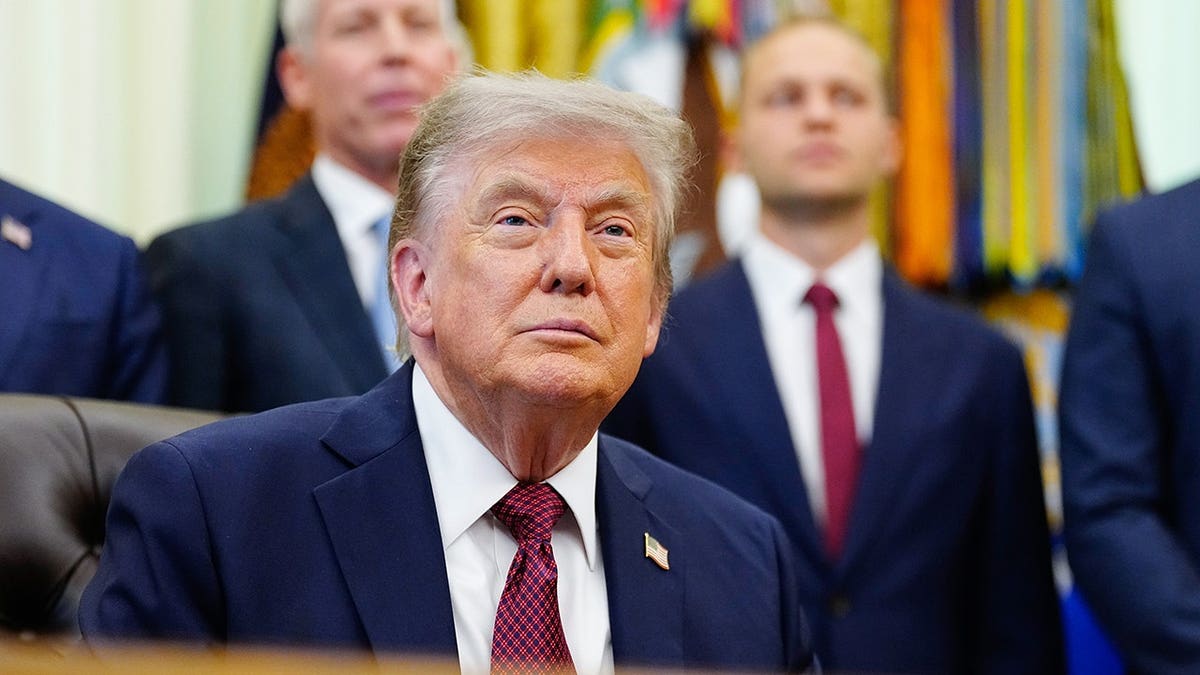
These remarks were made during an Oval Office event celebrating what the Trump administration hailed as a "historic milestone for civilian nuclear energy" and a "renaissance of nuclear power in America." The event recognized four privately funded reactor companies for meeting a goal of bringing new reactor designs online. The Trump administration actively sought wider deployment of both large, conventional reactors and smaller modular reactors (SMRs), viewing nuclear energy as a vital source of power for data centers, economic growth, and a key component of energy independence.
This domestic emphasis on advanced nuclear energy provides a broader context for the discussions with Saudi Arabia. By promoting its own nuclear industry and technology, the U.S. positions itself as a leader in global civilian nuclear development. Offering this technology to strategic partners like Saudi Arabia serves multiple objectives: strengthening bilateral ties, promoting U.S. technological leadership, and ensuring that future nuclear energy growth worldwide occurs under the strictest non-proliferation standards, ideally with U.S. oversight. The "renaissance" narrative underscores a policy aimed at revitalizing a critical industry, not just for domestic consumption but also for strategic projection abroad.
Historical Precedents and Future Implications
The U.S. has a long history of nuclear cooperation agreements, but the proposed deal with Saudi Arabia, combined with the Abraham Accords condition, presents a unique strategic proposition. Past U.S. administrations have often balanced non-proliferation concerns with geopolitical interests in nuclear cooperation. For instance, the landmark 2009 civilian nuclear agreement with the UAE, which included a "no enrichment, no reprocessing" clause, set a precedent for future deals in the region.
The implications of Trump’s condition are far-reaching. For Saudi Arabia, joining the Abraham Accords would entail a significant policy shift, potentially normalizing relations with Israel and reconfiguring its regional alliances. While there have been increasing unofficial contacts and shared security interests between Saudi Arabia and Israel, a formal diplomatic recognition would be a profound step, likely facing domestic and regional sensitivities. For the U.S., successfully linking a nuclear deal to the expansion of the Abraham Accords would be a significant diplomatic achievement, further solidifying its vision for a transformed Middle East. It would also increase U.S. leverage and influence in a region where other global powers, notably China and Russia, are also vying for strategic partnerships and energy deals.
Reactions and the Way Forward
While immediate official reactions from Saudi Arabia were not available, the Kingdom’s leadership would undoubtedly weigh the strategic benefits of a U.S. civilian nuclear program against the political ramifications of formally joining the Abraham Accords. The prospect of advanced nuclear technology, robust U.S. security guarantees, and deeper integration with a U.S.-led regional framework could be compelling. However, Saudi Arabia’s traditional role as a leader in the Arab and Islamic world, combined with its strong stance on the Palestinian issue, means that formal normalization with Israel would require careful diplomatic maneuvering and significant political capital.
In the U.S., the condition would likely be met with mixed reactions. Supporters of the Abraham Accords would hail it as a shrewd move to expand regional peace. Non-proliferation advocates, while potentially welcoming the "no enrichment" clause, would closely scrutinize the overall deal, emphasizing the need for robust verification and safeguards. Congress, particularly given its constitutional role in approving such agreements, would play a pivotal role in shaping the final outcome, ensuring that any deal serves U.S. national interests and upholds its non-proliferation commitments. The convergence of a major civilian nuclear energy initiative with a transformative diplomatic framework highlights the complex and interconnected nature of foreign policy in the contemporary Middle East.