Paramount’s Potential Acquisition of Warner Bros. Discovery Sparks Uncertainty and Scrutiny for CNN

As the monumental $111 billion acquisition of Warner Bros. Discovery by Paramount Global inches closer to finalization, a palpable sense of anticipation and apprehension is settling over the newsrooms of CNN. The impending merger, a transaction poised to reshape the global media landscape, places CNN squarely in the spotlight, raising critical questions about its future editorial direction, leadership, and journalistic integrity. Warner Bros. Discovery, CNN’s current parent company, comprises a vast portfolio of iconic entertainment and news assets, including HBO, the storied Warner Bros. film studio, and of course, the global news network itself. This extensive consolidation has inevitably fueled speculation among CNN staff, particularly in light of recent leadership changes and strategic shifts implemented at CBS News under the purview of David Ellison, the principal figure behind Skydance, which recently concluded its $8 billion deal for Paramount Global.
A Shadow of Change: The CBS News Precedent
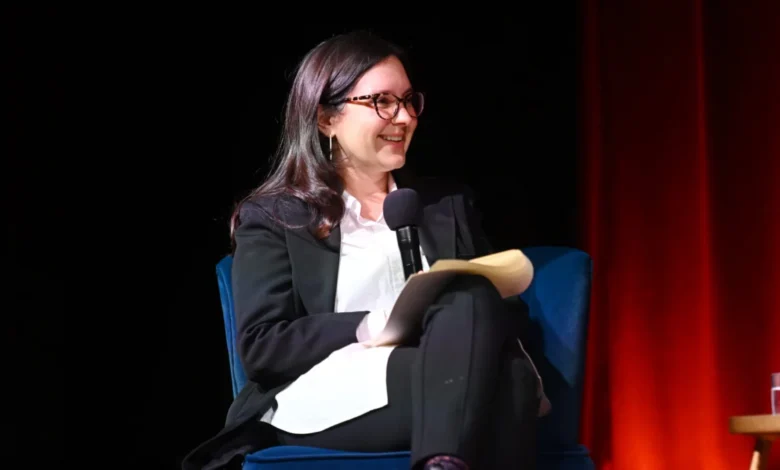
The concerns within CNN are not unfounded. Following Skydance’s acquisition of Paramount Global last summer, David Ellison swiftly initiated a series of significant changes at CBS News. A key appointment was Bari Weiss as editor-in-chief, a move that signaled a new era for the venerable news division. Weiss’s tenure has been marked by notable and, for some, controversial, overhauls. The most recent and significant of these was a sweeping restructuring of the flagship newsmagazine 60 Minutes. This shake-up resulted in the termination of executive producer Tanya Simon and the appointment of Nick Bilton as her successor. The impact extended further, with a considerable number of correspondents and producers also facing dismissal, indicating a deliberate and forceful reorientation of the program’s leadership and potentially its editorial approach.
The departures from 60 Minutes were not without vocal dissent. Veteran journalist Scott Pelley, a prominent figure on the program, became one of the most outspoken critics of the changes. Pelley’s exit reportedly followed a heated exchange with Bilton, during which he vehemently accused Weiss of "murdering 60 Minutes." He stated, "She does not love this place; she was brought in to kill it and is doing exactly that." Pelley also questioned Bilton’s qualifications for the executive producer role, deeming them "slender," and made it clear that his presence was unwelcome at the esteemed newsmagazine. This dramatic episode at CBS News has served as a stark cautionary tale for CNN employees, who are now contemplating the potential ripple effects of such drastic measures on their own organization.
Navigating the Uncharted Waters of CNN’s Future
David Ellison has thus far remained largely silent regarding his specific plans for CNN. Publicly, he has offered assurances that "editorial independence will absolutely be maintained" throughout the integration process. However, reports from The New York Times, citing anonymous sources familiar with internal discussions, suggest a more complex and potentially contentious scenario is being considered. The newsroom at CNN is reportedly rife with anxiety that Weiss may be granted some form of oversight or influence over the network’s journalistic operations.
According to The New York Times, Ellison and his senior deputies are actively deliberating the possibility of entrusting Weiss with a leadership role at CNN. The publication further revealed that internal discussions have explored the idea of "pairing Ms. Weiss with a more experienced TV executive who could handle the technical and financial aspects of the network." This proposed arrangement suggests a potential division of responsibilities, with Weiss perhaps focusing on editorial direction while another executive manages the operational and fiscal dimensions. Such a structure, if implemented, could represent a significant departure from CNN’s established operational model and raise further questions about the distribution of power and influence within the organization.
The Hollywood Reporter reached out to representatives for Bari Weiss seeking comment on these reports but received no response by the time of publication.
Meanwhile, Mark Thompson, CNN’s current editor-in-chief, has reportedly received no direct communication from Ellison or his team regarding his future role post-merger. While Thompson declined to comment to The New York Times, sources indicate he has previously conveyed to Paramount officials his unwillingness to share oversight of CNN with another executive. This stance suggests a potential for internal friction and a defense of CNN’s existing leadership structure in the face of impending changes.
The Trump Factor: A Lingering Concern
Adding another layer of complexity and unease is David Ellison’s well-documented closeness to former President Donald Trump. Trump has historically been a vocal and persistent critic of CNN, frequently labeling the network as "fake news" and a purveyor of partisan bias. In a recent tribute to CNN founder Ted Turner, who passed away on May 6th, Trump expressed his hopes that the "new buyers," referring to the Ellisons, "will be able to bring it back to its former credibility and glory." This statement, while seemingly benign on the surface, carries a subtext of expectation and potentially a desire for a particular editorial direction that aligns with Trump’s own views.
Further fueling these concerns was an event held by Ellison in April at the U.S. Institute of Peace, honoring Donald Trump. This gathering took place just prior to the Justice Department giving its approval for Paramount’s acquisition of Warner Bros. Discovery. Anonymous journalists at CBS News, speaking to The Times, described themselves as "taken aback" by the dinner, expressing worry that it could be perceived as signaling an inappropriate "coziness" between the newsroom and the Trump administration. For a news organization like CNN, whose credibility hinges on its perceived independence and impartiality, any association that could be interpreted as compromising these principles is a significant cause for alarm.
A Historical Perspective and Potential Future Trajectories
The potential acquisition of Warner Bros. Discovery by Paramount Global represents a significant consolidation in an industry already grappling with seismic shifts brought about by digital transformation and evolving consumer habits. The media landscape has seen a flurry of mergers and acquisitions in recent years as companies seek scale, diversified revenue streams, and enhanced competitive positioning. Paramount Global, under the leadership of Shari Redstone, has been actively pursuing a strategy to strengthen its position in the streaming wars and bolster its traditional media assets. Warner Bros. Discovery, itself a product of a recent merger between WarnerMedia and Discovery, Inc., has been undergoing a period of strategic realignment and asset divestment under CEO David Zaslav.
The rationale behind this colossal $111 billion deal, when fully realized, is multifaceted. For Paramount, it offers a pathway to integrate a vast library of intellectual property, including major film franchises and a robust cable television presence, with its existing streaming services like Paramount+. This could create a formidable competitor in the streaming market, capable of leveraging synergies across film, television, and news. For Warner Bros. Discovery, the sale would represent a significant strategic pivot, potentially allowing for debt reduction and a refocused business strategy, though the exact benefits and drawbacks remain subject to ongoing analysis.
The integration of CNN into this expanded Paramount empire raises crucial questions about its editorial mission. Historically, CNN has positioned itself as a global news leader, providing breaking news coverage, in-depth analysis, and a platform for diverse perspectives. However, like many news organizations, it has faced challenges in adapting to the digital age, including declining linear television viewership and increased competition from digital-native news outlets. The potential for leadership changes and shifts in editorial philosophy, as evidenced by the CBS News experience, could fundamentally alter CNN’s journalistic identity.
Data and Context: Understanding the Scale of the Transaction
To comprehend the magnitude of this proposed merger, it is essential to consider the financial and operational scale of the entities involved. Paramount Global, a publicly traded company, operates a diverse range of media assets, including the Paramount Pictures film studio, CBS Television Network, cable channels like MTV, Nickelodeon, and Comedy Central, and the streaming services Paramount+ and Showtime. Its global reach and extensive content library represent a significant market presence.
Warner Bros. Discovery, a relatively newer entity formed in April 2022, is also a titan of the entertainment industry. Its assets include the Warner Bros. film and television studios, HBO, HBO Max, Discovery Channel, CNN, TNT, TBS, and numerous other cable networks and streaming platforms. The combined entity would command an unprecedented breadth of content and distribution channels, spanning from blockbuster movies and prestige television to live sports and 24/7 news. The financial implications of such a merger are vast, involving complex debt structures, asset valuations, and projected synergies that will be meticulously scrutinized by regulators and investors alike.
The valuation of $111 billion, while substantial, reflects the intricate negotiations and market conditions surrounding such a large-scale media consolidation. The deal’s progression through regulatory approvals, including clearance from the Justice Department, signifies a critical step in its eventual completion. However, the operational and cultural integration of two massive media conglomerates presents a formidable challenge, requiring careful management and strategic vision to unlock the intended value and mitigate potential risks.
Expert Analysis and Broader Implications
Media analysts have weighed in on the potential ramifications of this merger, with many focusing on the competitive implications for the broader entertainment and news industries. The creation of a media behemoth with such a comprehensive portfolio could intensify competition in the streaming market, potentially leading to further consolidation among smaller players. The sheer volume of content and intellectual property under one roof could allow the merged entity to offer bundled services and attract a wider audience, thereby exerting significant influence over consumer viewing habits.
In the news sector, the consolidation raises particular concerns about media diversity and the potential for concentrated ownership to influence journalistic output. The historical role of news organizations in a democratic society hinges on their ability to provide independent and unbiased reporting. Any perceived or actual erosion of editorial independence, especially in the context of a merged entity that also houses significant entertainment and studio operations, could have far-reaching consequences for public discourse and the dissemination of information. The influence of ownership, political leanings of key figures, and the pursuit of profitability can all intersect in complex ways, shaping the news agenda and the way stories are covered.
The coming months will be crucial as the acquisition process unfolds and the new leadership structure at Paramount Global, and potentially at CNN, begins to take shape. The industry, regulators, and the public will be watching closely to see how these profound changes will ultimately redefine the future of news and entertainment. The coming period is not just about financial transactions; it is about the stewardship of powerful media institutions and the enduring commitment to journalistic integrity in an increasingly complex and interconnected world.