Kevin Feige Reveals Adam Driver Has Repeatedly Declined Marvel Cinematic Universe Roles

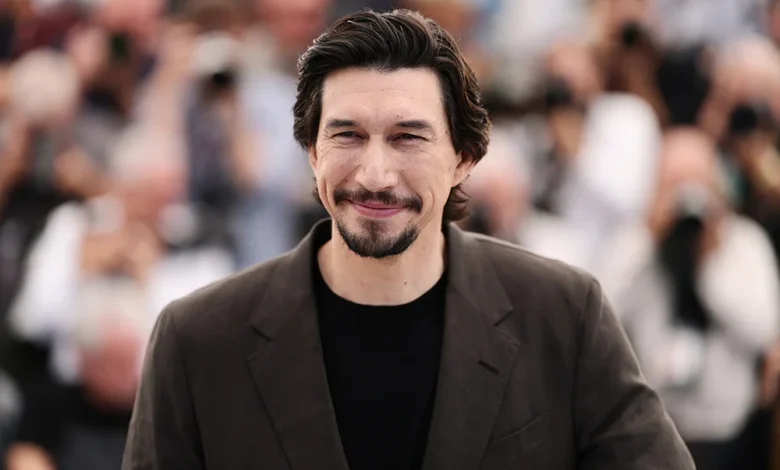
Marvel Studios president Kevin Feige has publicly confirmed what has been a persistent whisper in Hollywood circles for some time: Adam Driver, the critically acclaimed actor known for his magnetic presence and dramatic intensity, has repeatedly turned down opportunities to join the Marvel Cinematic Universe (MCU). The revelation came during an appearance on the popular "Happy Sad Confused" podcast, where Feige candidly discussed the studio’s long-standing interest in collaborating with the "Marriage Story" star.
"It’s no secret we’d like to [work with Adam]," Feige stated on the podcast, acknowledging the actor’s undeniable talent and the allure he brings to any project. "But it’s a tradition to Zoom with him and then he passes. That’s a long-lived tradition." Feige characterized Driver as being "cordial" and "upfront" about his decisions, indicating that while the discussions have been respectful, the outcome has consistently been a polite refusal.
The news immediately ignited speculation across social media and entertainment news outlets, particularly given recent rumors linking Driver to the coveted role of Magneto in Marvel’s upcoming reboot of the "X-Men" franchise. While Feige did not confirm or deny these specific rumors during the podcast, he did emphasize that no casting decisions for the "X-Men" project have been finalized at this juncture. He also declined to elaborate on which specific MCU roles Driver had been offered and subsequently declined.
A History of Blockbuster Success and Selective Choices
Adam Driver is no stranger to the world of mega-franchises. His portrayal of the conflicted villain Kylo Ren/Ben Solo in the recent "Star Wars" sequel trilogy (2015-2019) cemented his status as a global star and introduced him to a massive, devoted fanbase. This experience, while undoubtedly rewarding, likely also informs his decision-making process regarding future large-scale commitments. The demands of a role in a sprawling cinematic universe are immense, requiring significant time, dedication, and a willingness to be a central figure in a long-term narrative arc.
Driver’s career trajectory since his breakout role has been marked by a deliberate pursuit of challenging and artistically driven projects. He has consistently chosen films that allow him to explore complex characters and collaborate with esteemed directors, often in independent cinema. This selective approach suggests a prioritization of creative fulfillment and artistic integrity over simply joining another blockbuster franchise. His filmography boasts critically lauded works such as "Paterson," "BlacKkKlansman," "The Report," and "Marriage Story," the latter of which earned him an Academy Award nomination for Best Supporting Actor.
The "Star Wars" Connection and a Missed Opportunity
The "Happy Sad Confused" podcast interview also provided an opportunity to revisit Driver’s deep connection to the "Star Wars" universe and his expressed desire to continue exploring the character of Ben Solo. In a prior interview with the Associated Press last fall, Driver revealed a significant behind-the-scenes effort to develop a "Star Wars" sequel focused on his character, tentatively titled "The Hunt for Ben Solo."
Driver detailed how he collaborated with director Steven Soderbergh on the concept and script. He explained that Lucasfilm president Kathleen Kennedy had reached out to him, and he had conveyed his openness to returning if presented with a "great director and a great story." He expressed his affection for the character and his eagerness to reprise the role.
"I always was interested in doing another ‘Star Wars,’" Driver told the AP. "I had been talking about doing another one since 2021. Kathleen [Kennedy] had reached out. I always said: ‘With a great director and a great story, I’d be there in a second.’ I loved that character and loved playing him."
According to Driver, the script was presented to Lucasfilm, where it was met with enthusiasm. The story and its angle were well-received internally. However, the project ultimately faced a significant hurdle when it was presented to top Disney executives, including then-CEO Bob Iger and chairman Alan Bergman. Driver recounted that they ultimately rejected the proposal, with the reasoning being that they "didn’t see how Ben Solo was alive." This decision effectively closed the door on the potential sequel.
The Allure of the MCU and the Challenges of Casting
Marvel Studios, under Kevin Feige’s leadership, has become synonymous with blockbuster filmmaking and meticulously crafted interconnected narratives. The MCU has a proven track record of turning actors into household names and providing them with career-defining roles. The studio’s success is built on its ability to attract top-tier talent, both established stars and emerging actors, and integrate them seamlessly into its ever-expanding universe.
The fact that Marvel Studios has repeatedly pursued Adam Driver speaks volumes about the perceived value he could bring to the MCU. His ability to convey complex emotions, his commanding screen presence, and his critical acclaim would undoubtedly make him a formidable addition to any Marvel ensemble. The persistent efforts to recruit him, even after multiple rejections, highlight the studio’s deep respect for his talent and their strategic vision for integrating new, high-profile characters.
The current landscape of superhero filmmaking is highly competitive, and casting decisions are often scrutinized by fans and industry observers alike. The potential casting of Adam Driver as Magneto, a character with a rich and complex history within the "X-Men" lore, would be a significant event. Magneto, a powerful mutant with a tragic past and a fervent belief in mutant supremacy, requires an actor capable of embodying both imposing authority and profound vulnerability. Driver possesses these qualities in abundance.
Broader Implications for the MCU and Actor Choices
Kevin Feige’s admission about Driver’s repeated refusals offers a fascinating glimpse into the internal workings of Marvel Studios and the considerations that actors weigh when approaching major franchise roles. It underscores that even with the immense success and global reach of the MCU, individual artistic choices remain paramount.
For Marvel Studios, the ongoing pursuit of a particular actor, even in the face of repeated rejection, demonstrates a strategic and patient approach to talent acquisition. It suggests that certain roles are envisioned with specific actors in mind, and the studio is willing to wait and explore various avenues to make those collaborations a reality. The fact that Driver’s rejections are described as "cordial" and "upfront" also points to a professional respect between the actor and the studio, which can be beneficial for future interactions.
For Adam Driver, his consistent choices reflect a dedication to his artistic vision. While the "Star Wars" experience may have been disappointing in its ultimate outcome, his willingness to pursue creative projects outside of established blockbusters, or to champion his own narrative within those universes, showcases a commitment to his craft. His decision to focus on character-driven stories and work with directors he admires, even if it means foregoing lucrative opportunities in the MCU, is a testament to his artistic principles.
The implications for the MCU are multifaceted. The studio’s ability to attract and integrate talent is a key component of its success. While Driver may not be joining their ranks, his name being consistently linked to potential roles suggests the high caliber of talent Marvel is targeting. Furthermore, it highlights that the MCU, despite its dominance, is not the only avenue for actors seeking impactful roles in major productions. The continued success of other franchises, like "Star Wars," and the ongoing demand for compelling performances in various genres, provide actors with a diverse range of opportunities.
The public acknowledgment of these past refusals also serves to manage expectations and quell rampant speculation. By addressing the rumors directly, Feige provides a degree of transparency that can be appreciated by fans and the industry. It also reinforces the notion that while Marvel Studios is a powerful entity, it operates within a landscape where artistic autonomy and personal preferences of talent play a crucial role in shaping the future of cinematic universes. The ongoing pursuit of Adam Driver, however, suggests that the door may not be entirely closed, and the possibility of a future collaboration, perhaps for a role that perfectly aligns with both Driver’s artistic sensibilities and Marvel’s strategic needs, remains a tantalizing prospect for fans of both the actor and the MCU. The industry will undoubtedly continue to watch with interest as both Marvel Studios and Adam Driver forge their respective paths forward.