A tanker transiting the Strait of Hormuz reported being struck by an unidentified projectile on Friday afternoon, marking the latest in a series of maritime security incidents that have rattled the Persian Gulf’s critical energy supply routes. The United Kingdom Maritime Trade Operations (UKMTO) agency confirmed that the vessel sustained a small fire and a temporary onboard blackout following the impact. While the crew successfully extinguished the blaze and the ship continued its voyage without casualties, the incident highlights the escalating volatility within one of the world’s most important maritime chokepoints.
This strike is the fourth of its kind reported by the UKMTO this week alone. The frequency of these attacks has prompted significant concern among international shipping insurers and energy analysts, even as maritime data suggests that global energy flows have shown remarkable resilience by pivoting to alternative export corridors.
A Region Under Siege: The Strategic Landscape
The Strait of Hormuz, a narrow waterway connecting the Persian Gulf to the Gulf of Oman and the Arabian Sea, remains the world’s most vital oil chokepoint. Approximately one-fifth of the world’s total oil consumption passes through these waters. As the ongoing seven-month conflict between the United States and Iran continues to intensify, the strait has become a primary theater for asymmetric warfare.
Iran’s parliament has moved to formalize its assertive stance in the region, with the National Security Commission advancing a "Strategic Action Plan for Ensuring Security and Sustainable Development of the Strait of Hormuz." The proposed legislation, which would require final approval from the Guardian Council, seeks to codify Iranian control over the waterway. Under the bill’s provisions, Tehran would impose navigation and environmental service fees on commercial vessels. Furthermore, it explicitly prohibits the transit of ships linked to Israel or any nation deemed "hostile" to the Islamic Republic.
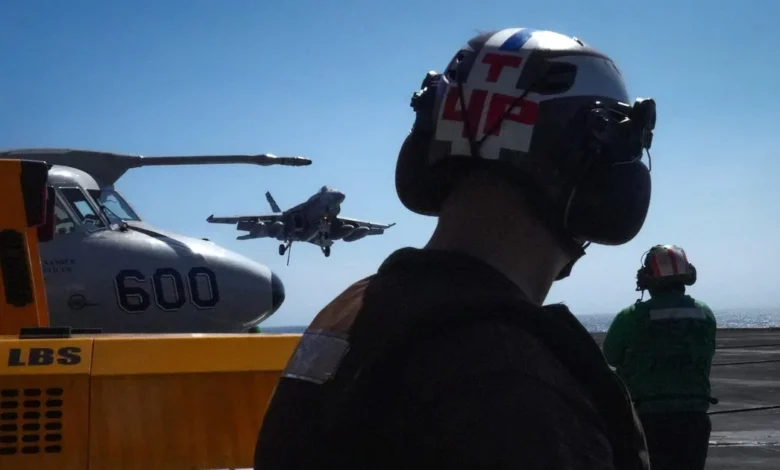
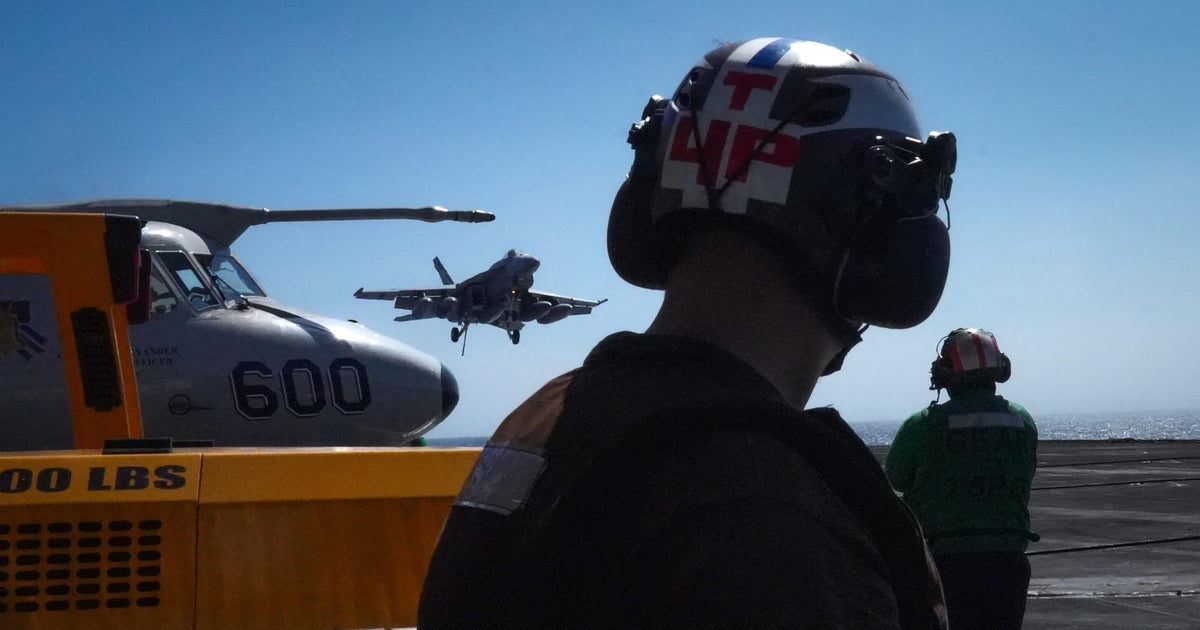
The United States has categorically rejected these claims of Iranian jurisdiction. To reinforce its commitment to maintaining freedom of navigation, the U.S. military is further bolstering its presence in the region. Recent reports confirm that the USS Theodore Roosevelt Carrier Strike Group and the USS Makin Island Amphibious Group are en route to the Middle East. This deployment will bring the total U.S. naval force in the region to approximately 20,000 personnel, operating alongside three carrier strike groups and two amphibious ready groups.
G7 Intervention and Global Energy Markets
In response to the mounting pressure on global energy prices, the Group of Seven (G7) nations have moved to stabilize the market. Following an emergency video conference on Friday, President Trump and other G7 leaders announced a coordinated release of 100 million barrels of diesel and crude oil from national stockpiles.
The release, intended to take place over a four-month period, is designed to provide immediate relief to an energy market strained by shipping disruptions. A White House official confirmed that President Trump held urgent consultations with French President Emmanuel Macron and other G7 counterparts to negotiate the terms of this supply injection. The joint statement emphasized a "front-loaded" strategy, with a significant portion of the diesel reserves to be released within the first 20 days.
This strategic move comes as energy exports from the Persian Gulf have begun to recover. Data from the firm Kpler indicates that while the region has not returned to pre-conflict baselines—currently averaging 21.8 million barrels per day compared to the pre-war average of 23.3 million—the utilization of alternative routes has been effective. These routes include increased throughput via the Red Sea, the Suez Canal, and the UAE’s strategic pipeline that bypasses the Strait of Hormuz entirely.
The Widening Conflict: Yemen and Lebanon
The instability is not confined to the Persian Gulf. In Yemen, the conflict between the Saudi-led coalition and the Iran-backed Houthi rebels has escalated, leading to a humanitarian crisis of significant proportions. The United Nations Population Fund (UNFPA) reported on Friday that over 145,000 people have been displaced by recent fighting. Among the displaced are 35,000 women of childbearing age, many of whom are forced to flee without access to basic medical care.
The fighting has also threatened critical infrastructure. On Tuesday, a Houthi drone struck an electricity distribution station in Medina, Saudi Arabia, impacting the power grid serving the Prophet’s Mosque. While the Houthis have denied responsibility, the Saudi-led coalition maintains that wreckage confirms the rebels’ involvement. The intensity of the combat has been severe; recent reports indicate that at least 80 combatants were killed in a single 24-hour period as Houthi forces attempt to secure the Bab el-Mandeb Strait, a chokepoint that serves as the southern gateway to the Red Sea.
Meanwhile, in Lebanon, the toll of the conflict with Israel continues to climb. Prime Minister Nawaf Salam, visiting the heavily damaged city of Nabatieh, warned that the Lebanese state lacks the capacity to fund the reconstruction of regions devastated by the ongoing war. With an estimated $27 billion in damage and a death toll exceeding 8,900, the Lebanese government has called for urgent international financial assistance.
Escalating Rhetoric and Diplomatic Friction
The diplomatic environment remains deeply fractured. Following a high-profile incident involving a FlyDubai flight, where a co-pilot allegedly attempted to crash the aircraft before being restrained by passengers, Prime Minister Benjamin Netanyahu vowed that any party found to have "dispatched" the attacker would pay a "very heavy price."
President Trump has publicly suggested that Iran may be linked to the incident, stating that based on the intelligence he has received, he believes a connection is likely. Iranian officials have dismissed these accusations. Mohsen Rezaei, secretary of Iran’s Supreme National Security Council, took to social media to mock the U.S. administration, characterizing President Trump as a leader who prioritizes imagination over reality.
The rhetoric from Washington remains uncompromising. President Trump, speaking at a facility in Texas, asserted that the Islamic Republic is "ready to fold up" and reiterated his belief that the U.S. will emerge victorious in the seven-month-old conflict, potentially before the U.S. midterm elections in November.
Broader Economic and Geopolitical Implications
The convergence of these events suggests a period of prolonged transition for the Middle East. The U.S. decision to deploy additional Patriot missile batteries to Saudi Arabia and Qatar underscores the administration’s strategy of protecting energy infrastructure while maintaining a policy of maximum pressure on Tehran.
The resilience of global energy markets will likely depend on the effectiveness of the G7 reserve releases and the security of alternative transit corridors. However, the legislative efforts by the Iranian parliament to assert control over the Strait of Hormuz present a long-term challenge to international maritime law. Should the bill be enacted, it would necessitate a robust and sustained international naval presence to ensure that the waterway remains open to global trade.
As the conflict stretches into its eighth month, the interplay between humanitarian crises in Yemen and Lebanon, the security of maritime energy routes, and the escalating diplomatic standoff between Washington and Tehran suggests that the region will remain at the center of global geopolitical attention for the foreseeable future. With military deployments expanding and energy markets reacting to supply-side interventions, the coming weeks will be critical in determining whether the current conflicts can be contained or if they will continue to spill over into broader regional instability.
Related posts: