Trump Administration Denies ICE Arrest Limit Reports, Reaffirms Hardline Deportation Strategy

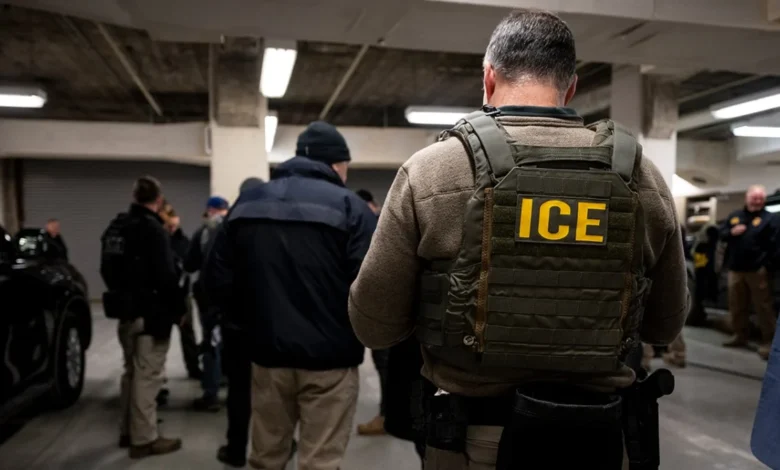
The Trump administration formally denied reports that Immigration and Customs Enforcement (ICE) had received temporary instructions to restrict field operations and limit arrests strictly to undocumented immigrants with pre-existing criminal records. The clarification, issued late Saturday evening, arrived amid widespread confusion among federal law enforcement personnel and served to re-anchor immigration enforcement as a foundational pillar of President Donald Trump’s domestic policy agenda.
The swift pushback from the administration underscores the high-stakes political environment surrounding border security and interior enforcement. Officials within the Department of Homeland Security (DHS) emphasized that the White House’s aggressive approach to tracking down, detaining, and deporting undocumented individuals has not been dialed back, scaled down, or subjected to new operational thresholds.
Origins of the Confusion: Internal Guidance and Field Frustration
The controversy erupted following reports detailing a nationwide communication distributed earlier in the week to ICE field offices. According to internal sources speaking to media outlets, field personnel received verbal instructions directing them to prioritize the "worst first"—focusing heavily on undocumented individuals carrying severe criminal histories, violent backgrounds, or active warrants.
For many rank-and-file agents and operational supervisors, the initial verbal guidance triggered immediate shock and frustration. For years, the core directive under the administration’s broader framework has maintained that any individual unlawfully present in the United States is subject to arrest and removal, regardless of whether they possess a secondary criminal record. Frontline agents expressed concern that prioritizing only high-level criminals would functionally shield vast populations of undocumented immigrants from routine enforcement, dampening the agency’s operational output.
By Saturday evening, senior administration officials clarified that the instructions were the result of an internal miscommunication rather than an official, formalized policy shift. Sources noted that discussions regarding operational efficiency and targeting violent offenders—a standard practice for resource allocation within any law enforcement agency—were misconstrued in transit to the field as a binding constraint on overall arrest criteria.
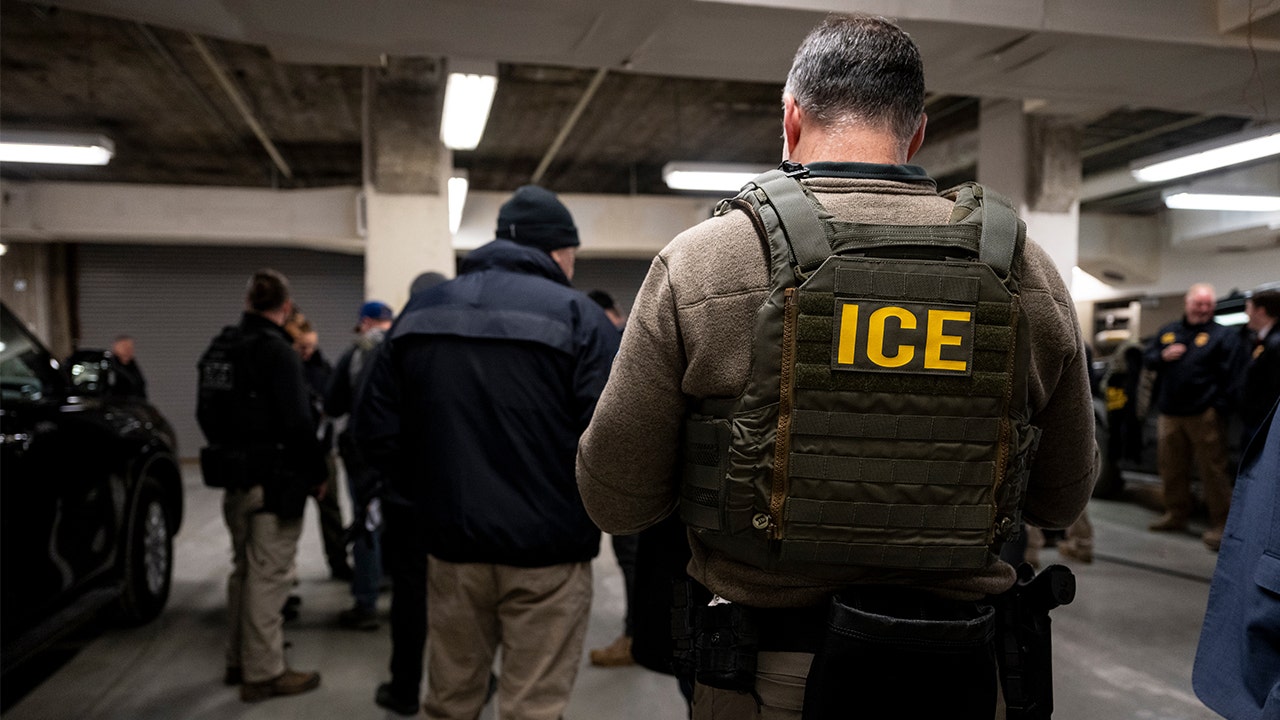
In response to the growing confusion, a corrective directive was dispatched across nationwide field offices late Saturday, explicitly confirming that the administration’s baseline enforcement mandate remains entirely unchanged.
Clarifying the Scope: Broad Mandates and Collateral Arrests
President Trump directly addressed the situation, reiterating to reporters that ICE retains full authority to apprehend and deport any individual found to be in violation of federal immigration laws. The official policy explicitly preserves the agency’s capacity to execute arrests beyond the scope of serious criminal offenders.
This continuity means ICE personnel will continue to pursue "collateral" arrests—instances where agents encounter undocumented individuals without independent criminal histories while conducting targeted operations against primary suspects. Under federal enforcement guidelines, these collateral encounters remain actionable components of interior sweeps, contributing heavily to the sweeping operational tallies recorded by the agency.
The reaffirmation of these tactics aligns with recent statistical milestones. Bolstered by the White House’s ongoing immigration push, ICE has experienced record-setting operational months, driving up overall arrest metrics to historical highs as field offices leverage increased funding, expanded personnel, and coordinated backing from federal leadership.
Context and Historical Background of Interior Enforcement
The debate over prioritizing criminal aliens versus conducting broad-based interior enforcement has been a central policy tension across multiple presidential administrations. During past administrations, formal priority frameworks directed scarce federal resources toward individuals deemed public safety or national security threats, effectively shielding millions of non-criminal undocumented immigrants from active deportation sweeps.
Upon returning to office, the Trump administration systematically dismantled prior enforcement restrictions, replacing them with a generalized mandate empowering immigration officers to treat every unlawfully present individual as an enforcement priority. This shift transformed interior enforcement strategies, moving away from localized, targeted sweeps of violent offenders toward broader, high-volume operations aimed at maximizing total removals.
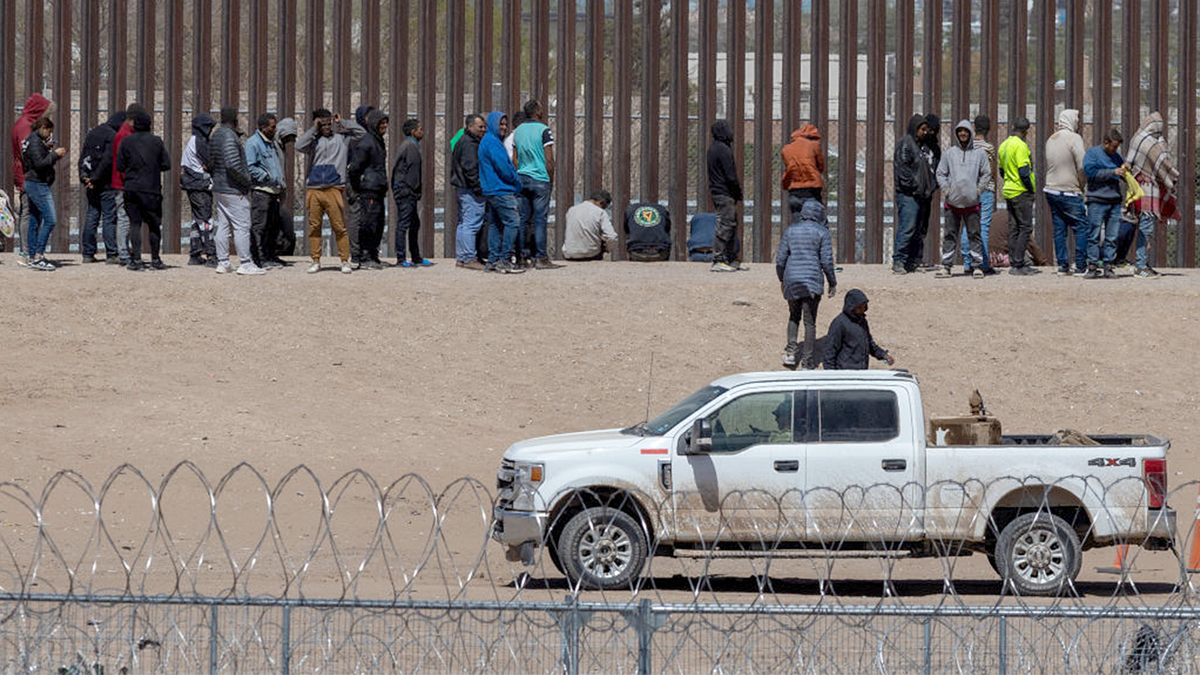
The friction between administrative goals and logistical realities often generates tension within federal agencies. While political leadership prioritizes maximum numerical output and total deterrence, career field agents must manage complex logistical hurdles, including detention bed space limits, processing times, and legal challenges in federal courts. The recent miscommunication regarding the "worst first" directive reflects the delicate balancing act field leadership faces when attempting to optimize tactical operations within a vast and politically charged agency.
Broader Implications for Sanctuary Cities and Federal Funding
The episode unfolded concurrently with broader legislative and executive maneuvers aimed at tightening the enforcement net nationwide. DHS leadership has increasingly leveraged federal funding mechanisms to compel compliance from local jurisdictions, particularly targeting so-called "sanctuary cities" that limit cooperation with federal immigration authorities.
Administration officials have outlined aggressive strategies originating from the Oval Office to withhold federal grants from municipal and state governments that refuse to honor ICE detainers or share local law enforcement data with federal partners. High-profile enforcement actions, such as recent sweep operations conducted in major metropolitan areas like New York, illustrate the administration’s resolve to bypass local resistance and project federal authority directly into urban centers.
Furthermore, congressional allies have advanced legislative proposals designed to codify the administration’s border and interior enforcement rules into permanent federal statute, insulating current policies from future judicial or executive reversals.
Outlook and Future Enforcement Trajectory
The rapid containment of Saturday’s messaging mix-up highlights the sensitivity of the administration’s political flank regarding immigration policy. With border security serving as a primary driver of voter alignment and executive credibility, any perceived softening of enforcement posture—even if temporary or administrative in nature—draws immediate scrutiny from both supporters and critics.
As ICE field offices resume standard operations under the clarified directive, the agency is expected to maintain its aggressive pacing. Observers anticipate sustained, high-visibility enforcement actions across the United interior, continuing the administration’s push to fulfill its core campaign promise of maximizing deportations and enforcing federal immigration statutes without exception.
Related posts: