The Traitors New Blood Exit Interview Ben McDonnell Reflects on Strategy and Emotional Growth

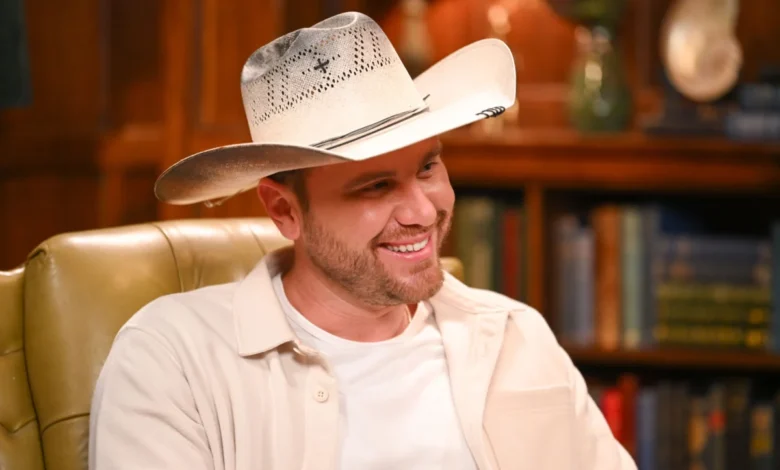
The fifth season of the Emmy-winning reality competition series The Traitors has reached its penultimate stage, marked by the high-profile elimination of fan-favorite contestant Ben McDonnell. A barrel racer and podcaster, McDonnell’s departure in the 10th episode of the Peacock and NBC production represents a significant shift in the game’s power dynamics. His exit from the Scottish castle, a location that has become synonymous with the show’s unique brand of psychological warfare, highlights the intense pressure exerted on participants who must balance social maneuvering with the constant threat of "murder" by the series’ titular antagonists.
The competition, which sees contestants split into "Faithfuls" and "Traitors," forces individuals into a social experiment where trust is a liability and suspicion is a survival mechanism. McDonnell, who joined the cast shortly after binge-watching previous iterations of the series, found himself navigating the treacherous environment as a Faithful. His elimination, while anticipated by the contestant himself, serves as a focal point for the complexities inherent in the reality television genre, where the line between persona and reality often blurs.
A Strategic Departure in the Scottish Highlands
McDonnell’s time on the show was characterized by his calm demeanor, which stood in stark contrast to the high-anxiety environment typical of the series. During his exit interview, he revealed that his departure was not an impulsive moment but a conclusion he had mentally prepared for. The morning of his elimination, he demonstrated a level of composure that surprised even his fellow competitors, noting that he had already begun packing his belongings, including a specific fur coat he had designated for his final appearance.
The mechanics of The Traitors involve a rigorous process of daily banishments and nocturnal murders. For the participants, the isolation is absolute. Cut off from digital communication—no phones, no internet, and no contact with the outside world—contestants are effectively locked into a state of constant performance. McDonnell, who hosts the podcast It’s Ben a Week, described this disconnection as both a professional challenge and a personal reprieve. While he initially feared that his silence would lead to concerns about his wellbeing, he eventually found the digital detox to be a surprisingly grounding experience.
The Intersection of Performance and Reality
One of the most notable revelations following McDonnell’s departure is his professional background as a trained actor. Despite his public persona as a "gay cowboy" from a Texas ranch, McDonnell is a seasoned performer with training from The Groundlings. This background provided him with a unique set of skills that were both an asset and a liability. He acknowledged that the show functions as a non-stop acting exercise, where the "director" never calls "cut," forcing participants to maintain their character even during mundane activities like lunch.

This layer of performance adds a meta-contextual element to the series. When non-actors, such as astrophysicists or individuals from various corporate backgrounds, compete against trained performers, the strategic landscape shifts significantly. McDonnell’s ability to "tone down" his naturally large personality was a calculated move to avoid becoming a target for elimination, demonstrating a sophisticated understanding of the game’s social dynamics. His deliberate decision to keep his acting background a secret allowed him to lean into his identity as a cowboy, a role that proved effective until his final days in the castle.
Psychological and Social Dynamics
The Traitors is fundamentally a game of social intelligence. The division between those who must identify the Traitors and those who must remain undetected creates a high-stakes environment where interpersonal relationships are constantly tested. For McDonnell, the show transcended the goal of winning the $250,000 prize. He described the experience as "healing," particularly in how he navigated relationships with male peers—a struggle stemming from personal trauma involving his upbringing in Wisconsin.
By building genuine connections with his castmates, McDonnell found a sense of validation he had not anticipated. His observation that his fellow contestants valued him for his character rather than his utility in the competition highlights the emotional resonance that reality television can have on its participants. This sentiment is supported by the show’s history of fostering deep, if temporary, alliances that often dictate the success or failure of a contestant’s tenure.
Production Value and the Role of Alan Cumming
The show’s host, Alan Cumming, has been lauded as a vital component of the series’ success. His performance as the enigmatic host provides the show with a theatrical gravity that elevates it above traditional reality competition standards. McDonnell’s interaction with Cumming—which included naming a new piglet "Alan Cunningham" in the host’s honor—underscores the cult-like following that both the host and the show have generated.
Behind the scenes, the production is an industrial-scale operation. The infamous "round table" segments, which often appear to be brief and punchy in the final edit, frequently last for several hours. This level of endurance, combined with the psychological weight of the game, necessitates a high degree of stamina from the cast. The production team’s commitment to high-quality set design, including the theatrical "funeral" sequences for eliminated contestants, reinforces the immersive nature of the experience.
Broader Implications for Reality Television
McDonnell’s exit also sheds light on the evolving relationship between reality television and scripted media. As more reality stars successfully transition into mainstream acting, Broadway, and other traditional entertainment sectors, the stigma once associated with reality competition participation is fading. McDonnell noted that he was initially opposed to the idea of doing reality television, fearing it would hinder his prospects as a serious actor. However, seeing peers like Ariana Madix succeed in both reality and scripted arenas shifted his perspective.

This trend suggests a broader industry change: reality television is increasingly viewed as a viable launching pad for a multi-faceted career. For contestants, the challenge is no longer just winning the game, but curating a public image that translates into long-term professional sustainability.
The Path Forward: Podcast Growth and Future Endeavors
As McDonnell pivots back to his regular professional life, his focus remains on his podcast, It’s Ben a Week. Having been restricted from discussing his experience for months, he is now poised to leverage his time on the show to expand his platform. The inclusion of fellow contestants, as well as participants from previous seasons, suggests that the post-show ecosystem is a vital part of the series’ lifecycle.
The podcast serves as an informal extension of the show’s narrative, allowing participants to provide context that the edited episodes may have missed. For fans, this creates a secondary layer of engagement that sustains interest long after the final episode has aired. McDonnell’s stated goal—to create a space where listeners feel like they are "hanging out" with friends—positions his podcast as a bridge between the heightened reality of the show and the relatable nature of his off-screen persona.
Conclusion: A Legacy of One-Liners
Ben McDonnell’s departure marks the end of a chapter for the current season, but his impact—often referred to by fans as the "King of One-Liners"—remains part of the show’s lore. His exit from the competition is a testament to the unpredictable nature of The Traitors, where even the most composed players can find their game cut short by the shifting allegiances of their peers.
As the season moves toward its finale, the focus will shift to the remaining contestants and the ultimate determination of the winners. Whether the victory falls to the Faithfuls or the Traitors, the influence of participants like McDonnell, who brought a unique blend of vulnerability, strategy, and humor to the castle, will continue to be a benchmark for future seasons. His transition back to acting, potentially involving roles that allow him to oscillate between the "cowboy" and the "comedian," suggests that his time in the Scottish Highlands was not just a game, but a pivotal moment in a burgeoning career.
Related posts: