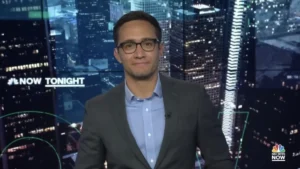
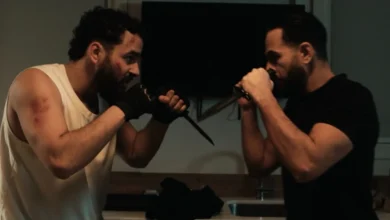
Billy Evans says he wasn’t fully on board with the plan to show, well, everything, in the hit documentary You Can See Everything

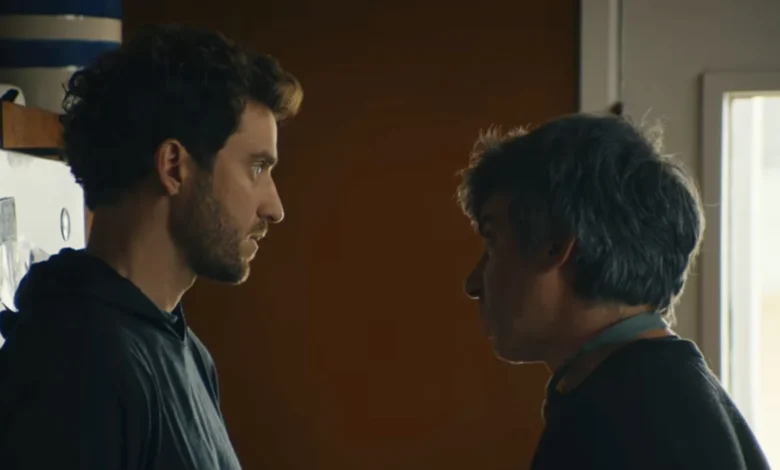
The recent release of the documentary You Can See Everything, directed by Nathan Fielder and Lance Oppenheim, has sparked a significant controversy regarding the boundaries of documentary filmmaking, consent, and the ethics of invasive non-fiction storytelling. At the center of the dispute is Billy Evans, the partner of disgraced Theranos founder Elizabeth Holmes, who features prominently in the film. The documentary chronicles the intimate, final days of the Holmes family before her incarceration, providing an unprecedented look at their private life. However, Evans has emerged to publicly contest the inclusion of a specific, unedited scene that depicts him fully nude in a shower, claiming that the filmmakers ignored his explicit requests to censor the footage.
The Anatomy of a Documentary Dispute
The conflict highlights a growing tension in modern documentary filmmaking: the struggle between the "fly-on-the-wall" cinéma vérité style and the personal rights of the subjects being filmed. Evans, who participated in the filming process over an extended period, alleges that while he consented to being followed by cameras, the final editorial choices made by Fielder and Oppenheim were made without his final approval or regard for his personal comfort.
During a candid interview with CBS Sunday Morning’s Matt Gutman, Evans expressed his frustration, noting that he was caught off guard by the inclusion of the footage. "I did not give consent to do that," Evans stated. "Now, did I know they were filming me in the shower? Yes. But we would film 16 hours a day, all sorts of things were filmed with assurances made. I was just as surprised as the rest of the country to have my whole body on camera for the world to see."
The incident has caused professional and personal repercussions for Evans, who noted the awkwardness of having his private life scrutinized by those in his community. "It’s been an awkward experience in having, like, your kids’ teachers see that," he admitted during the interview. "It’s really uncomfortable. I’m not proud of it. I didn’t want it."
Divergent Narratives: The Filmmakers’ Perspective
The production team, led by Fielder and Oppenheim, has presented a markedly different account of the circumstances surrounding the shower scene. In an interview with GQ, director Lance Oppenheim claimed that the moment was not a surprise ambush but a result of a direct exchange between the subject and the crew.
Oppenheim recalled a specific moment during a commute from the gym: "We were in the car ride on the way back from the gym and I said to Billy, ‘We will give you some time to shower.’ And Billy responded, ‘Want to film me showering?’" Oppenheim further asserted that he had offered to film the scene in a way that would obscure sensitive areas, but that Evans dismissed those concerns at the time, indicating he "didn’t care about being seen naked."
This discrepancy between the filmmakers’ recollection and Evans’ current stance underscores a recurring issue in documentary ethics: the "implied consent" versus "informed consent" debate. Filmmakers often argue that if a subject invites a camera into their private life, they have essentially waived the right to curate what is ultimately shown. Conversely, subjects often find that the reality of seeing raw, vulnerable moments on a massive screen is significantly different from the theoretical act of being filmed during production.
Chronology of the Controversy
The path to the documentary’s release was marked by increasing friction between the participants and the production house, A24. According to Evans, the timeline of his opposition began well before the film’s theatrical premiere:
- Production Phase (2025–2026): Evans and Holmes allow Fielder and Oppenheim access to their home life during the period leading up to Holmes’ sentencing and prison intake.
- Post-Production Rumors: As the film entered its final editing stages, Evans claims he heard rumors from early screenings regarding the explicit nature of the shower scene.
- Formal Requests: Evans maintains that he contacted both the production team and legal counsel to request that the footage be pixelated or removed entirely.
- Release and Public Backlash: Upon the film’s release, the scene was included in its entirety. Evans subsequently doubled down on his public objection, stating that he had pleaded with the filmmakers to reconsider.
Legal and Ethical Implications
The legal framework surrounding documentary consent is often murky. Generally, participants sign releases that grant filmmakers broad rights to use footage captured during the production period. However, these releases do not always account for specific scenes that might be deemed defamatory, deeply invasive, or outside the reasonable expectations of the subject.
Legal analysts note that while Evans may have a difficult time winning a lawsuit based on "lack of consent" if he signed a standard appearance release, the court of public opinion acts differently. The incident raises questions about the "duty of care" that filmmakers owe to their subjects. As documentary filmmaking moves toward increasingly invasive and voyeuristic territory, the industry may face renewed calls for standardized ethical guidelines regarding the portrayal of private, non-public figures.
Broader Impact on the Documentary Industry
The silence from A24 regarding the specific allegations has left a vacuum filled by speculation. For a studio known for its high-art, provocative content, this situation represents a potential reputational risk. If creators are perceived as disregarding the dignity of their subjects to drive "buzzy" content, future subjects may become more hesitant to grant the kind of intimate, long-term access that defines the genre.
Furthermore, the "You Can See Everything" controversy serves as a case study for future media law curricula. It highlights the necessity of clear, written communication regarding what is "off-limits" during filming. Even when a subject makes a casual, off-the-cuff remark like the one Oppenheim alleges, the absence of a written contract or a clear understanding of the final cut can lead to the type of public relations disaster currently unfolding.
Conclusion
As the film continues to garner attention, the debate remains unresolved. Evans continues to express deep embarrassment, humorously pointing out that even the "color grading" of the scene was "way off," while the filmmakers stand by their creative vision. For audiences, the film provides a fascinating, albeit controversial, window into the life of a figure synonymous with one of the biggest corporate frauds in American history. Yet, the story behind the scenes—the story of how the footage was captured and how the subjects feel about their portrayal—may ultimately overshadow the narrative of the film itself.
The incident serves as a poignant reminder that while documentary subjects are often viewed as characters in a broader narrative, they are, in fact, human beings with expectations of privacy that can be shattered by the flick of an editor’s switch. As the industry evolves, the balance between creative freedom and the ethical treatment of subjects will likely become the most significant hurdle for documentarians in the coming decade.