Colorado Voters Reject Constitutional Amendment 82 and Halt Industry-Backed Effort to Enshrine Natural Gas Rights

In a decisive move that carries significant implications for the future of state-level energy policy, Colorado voters last week soundly rejected Amendment 82, a ballot initiative that sought to constitutionally codify the right of consumers to purchase, and utilities to sell, natural gas. The proposal, which failed by a margin of more than seven percentage points, represented an unprecedented attempt by fossil fuel-aligned interests to bake a specific energy source into the state’s governing document. Had it passed, the amendment would have created a potent legal shield for the natural gas industry, effectively insulating it from the state’s aggressive decarbonization mandates and local regulatory oversight.
The defeat of Amendment 82 marks the conclusion of a contentious campaign season characterized by intense spending from "dark money" groups and a growing friction between corporate fossil fuel interests and the state’s long-term climate goals. For the Colorado energy sector, the result is a strategic setback, as the amendment was viewed as a potential template for similar initiatives in other states looking to curb municipal efforts to phase out gas appliances and infrastructure.
The Anatomy of the Campaign and Its Backers
The campaign behind Amendment 82 was spearheaded by Advance Colorado, a conservative advocacy group with deep ties to industry-friendly organizations, including those historically associated with the Koch network. Led by Michael Fields, a former director of Americans for Prosperity, Advance Colorado operated as a non-profit, allowing it to shield the identities of its donors from public scrutiny. This lack of transparency became a central point of contention throughout the campaign, as opponents raised alarms about the role of anonymous capital in shaping foundational state laws.
The financial backing for the initiative was robust and geographically diverse, revealing a broad coalition of oil and gas interests. Three major "issue committees"—Energy Freedom Alliance of the Rockies, Affordable Colorado, and Brighter Colorado—amassed significant capital. Brighter Colorado alone secured approximately $6 million in funding, with contributions flowing from entities such as Western Midstream, Lincoln Energy Partners, and various oil and gas investment firms. These organizations argued that the measure was essential to preserve "consumer choice" and protect residents from the rising costs associated with the mandatory transition to all-electric building standards.
A Chronology of Escalating Energy Conflict
The struggle over Amendment 82 did not emerge in a vacuum; it is the latest chapter in a multi-year effort by the fossil fuel industry to preemptively strike against state and local electrification policies.
- 2020: The industry attempted to introduce a right-to-gas initiative, but the effort was abandoned following negotiations between Governor Jared Polis, the state legislature, and industry stakeholders.
- 2024: A subsequent "energy choice" initiative was similarly sidelined after another state-brokered truce aimed at preventing competing ballot measures between environmental groups and major oil producers like Chevron and Occidental Petroleum.
- 2025–2026: As Colorado intensified its commitment to net-zero greenhouse gas emissions by 2050, industry groups shifted tactics. Recognizing that legislative routes were increasingly blocked by a Democratic-led state government, they turned to the constitutional amendment process to lock in the status quo.
- November 2026: Voters decisively rejected the measure, signaling a preference for current climate policy trajectories over industry-led legal insulation.
The Environmental and Public Health Debate
At the heart of the opposition to Amendment 82 was the evolving scientific understanding of natural gas as both a climate hazard and a public health risk. Natural gas is primarily composed of methane, a potent greenhouse gas with a warming potential approximately 80 times greater than carbon dioxide over a 20-year timeframe. Climate scientists have long argued that reducing methane leaks—and transitioning away from gas combustion entirely—is essential to achieving the "emergency brake" on global temperature increases necessary to meet the goals of the Paris Agreement.
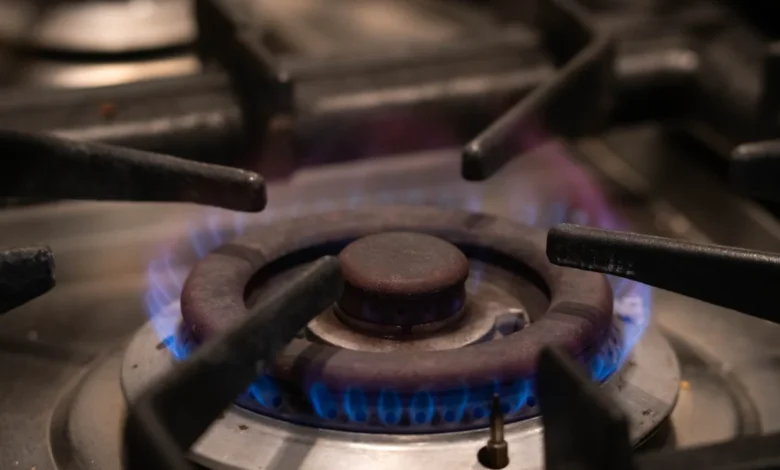
Beyond the macro-climate impact, the Colorado Department of Public Health and Environment has increasingly scrutinized the local health impacts of gas-fueled appliances. Household stoves and furnaces are known to emit nitrogen dioxide, carbon monoxide, and benzene—a known human carcinogen. These pollutants are linked to higher rates of childhood asthma and respiratory distress.
The industry’s response to these concerns has been to pivot toward the "cleaner energy" narrative. Proponents of Amendment 82 frequently cited the necessity of natural gas for reliable heating and industrial use, particularly for power-hungry data centers. However, critics like the Energy and Policy Institute argued that the amendment’s language was so broad that it could have been used to litigate against any environmental regulation that limited gas utility operations, effectively overriding state public health authority.
The Broader Implications for State Sovereignty
The defeat of this measure carries deep implications for the nationwide movement dubbed "fuel choice" legislation. The American Gas Association has successfully lobbied for laws in 26 states that prohibit local governments from banning gas hookups in new construction. Colorado’s Amendment 82 was, in many ways, the most extreme version of this trend, moving beyond simple legislation to constitutional status.
Analysts suggest that had Colorado succeeded in passing the amendment, it would have served as a "laboratory" for similar efforts in more conservative states. The fact that 46 percent of Colorado voters supported the measure suggests that the narrative of "consumer choice" remains a potent political weapon, even if it failed to clear the threshold required for a constitutional change.
Furthermore, the involvement of national conservative political organizations indicates that this was not merely a local utility dispute but part of a larger national strategy to counter the "electrify everything" movement. By framing the issue as an infringement on personal liberty and a threat to energy reliability, these groups have successfully turned a technical energy debate into a high-stakes culture war issue.
Expert Analysis and Future Outlook
The failure of Amendment 82 serves as a significant check on the influence of private industry in direct democracy. Political analysts note that voters are becoming increasingly sophisticated in distinguishing between genuine consumer protections and industry-led efforts to protect bottom-line profits.
"When you look at the constitution, you are talking about the foundational rights of the people," said an analyst familiar with the campaign. "Attempting to constitutionalize a specific commodity is a departure from the intent of such documents. Voters seem to have recognized that this was an attempt to write a fossil fuel company’s business model into the state’s supreme law."
Looking forward, the defeat of the amendment is expected to embolden the Colorado legislature to continue its aggressive path toward renewable energy integration. With over 50 percent of the state’s electricity currently generated by renewable sources, the momentum toward electrification in the residential and commercial sectors is likely to accelerate.
However, the industry is not expected to remain idle. The precedent set by the "fuel choice" movement suggests that stakeholders will likely pivot to lobbying state public utility commissions and filing legal challenges to current building codes. As the state moves toward its 2050 net-zero target, the conflict between the transition to clean energy and the entrenched interests of the fossil fuel industry will likely remain a defining feature of the Colorado political landscape. The rejection of Amendment 82 proves that while the industry has the resources to place an issue before the voters, it cannot always command the electorate to protect its future.