
War Middle East Ukraine Russia
The Middle East, Ukraine, and Russia: Interconnected Conflicts and Global Ramifications
The geopolitical landscape of the early 21st century is profoundly shaped by a complex web of interconnected conflicts, with the wars in Ukraine and the ongoing turmoil in the Middle East standing as prominent, albeit distinct, manifestations of enduring global tensions. While seemingly geographically disparate, these arenas of conflict are increasingly intertwined through shared underlying causes, overlapping strategic interests of major global powers, and ripple effects that resonate across international security, energy markets, and humanitarian concerns. Understanding these connections is crucial for comprehending the current geopolitical climate and forecasting future developments.
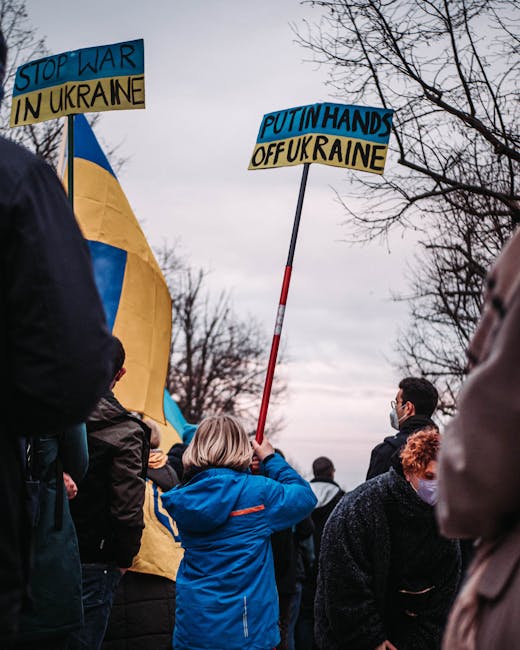
The Russian invasion of Ukraine, initiated in February 2022, represents a dramatic escalation of a conflict that began in 2014. Its roots lie in Russia’s deep-seated anxieties regarding NATO expansion, its historical claims over Ukrainian territory, and its desire to reassert influence in its perceived sphere of influence. Ukraine, a sovereign nation, has consistently pursued closer ties with Western institutions, a trajectory that Moscow views as a direct threat to its security. The invasion has resulted in a devastating humanitarian crisis, with millions displaced, significant loss of life, and widespread destruction of infrastructure. The strategic implications are far-reaching, impacting European security architecture, global energy supply chains, and international norms of sovereignty and territorial integrity. The conflict has galvanized NATO, leading to increased defense spending, the deployment of additional forces to Eastern Europe, and a renewed sense of Western unity in confronting Russian aggression.
Simultaneously, the Middle East remains a crucible of protracted conflicts and instability, characterized by a mosaic of sectarian divides, proxy wars, and the enduring impact of unresolved political grievances. The Israeli-Palestinian conflict continues to be a focal point of regional tension, with periodic escalations of violence and a persistent lack of a lasting peace resolution. The Syrian civil war, now in its twelfth year, has transformed the country into a theater of international proxy warfare, drawing in regional powers like Iran and Turkey, as well as global players like Russia and the United States. The rise and fall of ISIS, though largely defeated militarily, has left a legacy of instability and ideological extremism that continues to pose a threat. The ongoing geopolitical competition between Iran and Saudi Arabia, fueled by sectarianism and vying for regional dominance, exacerbates existing conflicts and creates new flashpoints, particularly in Yemen where a devastating humanitarian crisis persists.
The intersections between these seemingly separate conflicts are manifold and significant. Russia’s involvement in Syria, for instance, predates its invasion of Ukraine and has been instrumental in propping up the Assad regime. This military presence in the Middle East provides Russia with strategic leverage, naval bases, and valuable alliances. Furthermore, the global energy market, intrinsically linked to both regions, serves as a critical nexus. Russia’s role as a major oil and gas exporter means that sanctions imposed on its energy sector due to the Ukraine war have had a profound impact on global prices. This has, in turn, influenced the economic stability and political calculations of Middle Eastern nations, many of which are also significant energy producers. The search for alternative energy sources and diversification strategies, spurred by the disruptions originating from the Ukraine conflict, can also have downstream effects on the demand for Middle Eastern oil and gas.
Moreover, the strategic maneuvering of major global powers like the United States, China, and to a lesser extent, the European Union, in both the Middle East and Eastern Europe, highlights their interconnectedness. The US, a key player in both regions, finds itself balancing competing priorities. Its commitment to supporting Ukraine against Russian aggression necessitates significant military and financial aid, while its long-standing security partnerships in the Middle East, particularly with Israel and Gulf Arab states, require continued engagement and attention. This dual focus can create strategic dilemmas and resource allocation challenges. China, while not as directly involved militarily, has increased its economic influence in the Middle East, particularly through its Belt and Road Initiative, and has maintained a more neutral stance on the Ukraine conflict, advocating for diplomatic solutions while implicitly benefiting from increased Russian reliance.
The humanitarian dimension of these conflicts also underscores their interconnectedness. The displacement of millions from Ukraine has created a refugee crisis in Europe, while the protracted conflicts in Syria, Yemen, and elsewhere in the Middle East have resulted in decades of displacement and humanitarian need. The international community’s capacity to respond to these crises is stretched, and resource allocation becomes a critical issue, particularly when competing humanitarian emergencies demand attention. Moreover, the flow of arms and military technology, often facilitated by global power dynamics, impacts the intensity and duration of conflicts in both regions. The transfer of advanced weaponry to Ukraine, for instance, has been met with considerable international debate, mirroring concerns about arms proliferation in the Middle East.
The role of information warfare and propaganda is another significant area of intersection. Both Russia and various actors in the Middle East have utilized sophisticated disinformation campaigns to shape public opinion, sow discord, and advance their geopolitical agendas. The battle for narratives surrounding the Ukraine war, often amplified through social media, has parallels with the information wars waged in the Middle East to legitimize specific factions or demonize adversaries. Understanding these manipulative tactics is crucial for discerning objective reality amidst a deluge of conflicting information.
Furthermore, the potential for escalation and spillover remains a constant concern. The direct military involvement of NATO in Ukraine is unlikely due to the catastrophic risks of nuclear escalation. However, the conflict has already seen incidents of alleged incursions into NATO airspace and territorial waters, raising tensions. In the Middle East, the ongoing proxy conflicts and the presence of various non-state armed groups create a volatile environment where miscalculation or deliberate provocation could trigger wider regional conflagrations. The involvement of external powers, either directly or indirectly, in these regional conflicts increases the risk of unintended escalation that could have global repercussions.
The economic consequences of these interconnected conflicts are profound. Beyond energy prices, supply chain disruptions caused by the Ukraine war have impacted global trade, leading to inflation and economic uncertainty. The Middle East, heavily reliant on global trade and investment, is not immune to these broader economic shifts. Instability in the Middle East, whether due to ongoing conflicts or geopolitical realignments, can further disrupt global supply chains, particularly for critical resources and manufactured goods. The economic interdependence of nations means that shocks originating in one region can quickly propagate globally.
In conclusion, the wars in Ukraine and the persistent instability in the Middle East are not isolated events. They are deeply interconnected through the strategic interests of major powers, global economic dependencies, and shared humanitarian challenges. The geopolitical calculations made by nations in response to one conflict inevitably influence their approaches to the other. The ongoing competition for influence, the management of energy resources, and the pursuit of security all demonstrate the intricate linkages between these critical arenas. A comprehensive understanding of these interdependencies is essential for navigating the complexities of the 21st-century geopolitical landscape and for developing effective strategies to mitigate conflict and promote global stability. The ramifications of these intertwined conflicts extend far beyond their immediate geographical confines, shaping international relations, economic systems, and the future of global security.
